
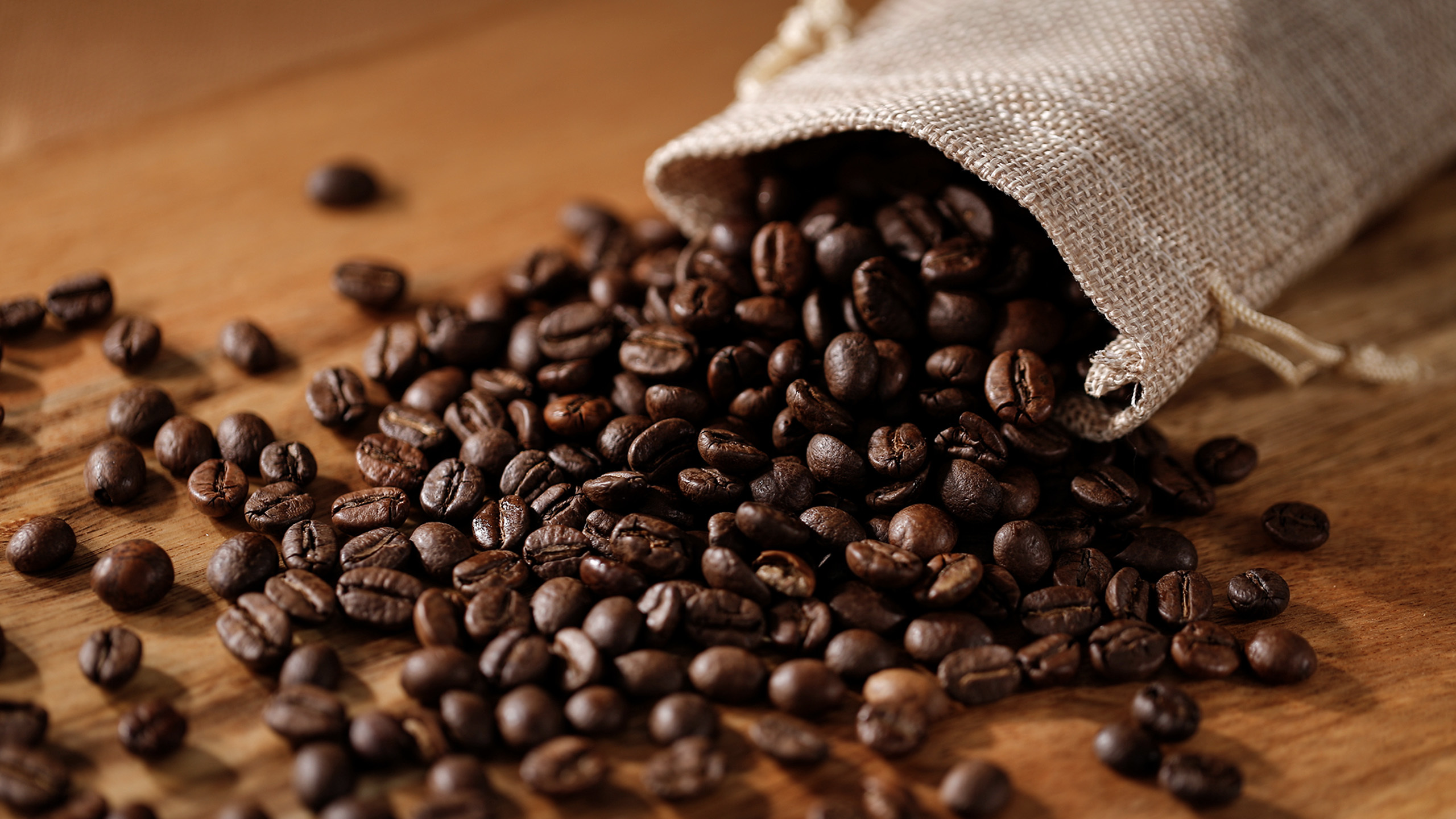
Dark roast coffee beans: how to choose the right one for bold, rich flavor
2026-09-24
Author:
New-start Coffee& Food
Article overview
This guide covers how to identify and select the best dark roast coffee bean for your specific brewing setup, taste preferences, and budget. Expect brand comparisons, brewing method pairings, freshness guidance, grinder warnings, sourcing certifications, and a real cost-per-cup analysis — structured for both casual drinkers and serious home baristas.
Table of contents
- 1. What makes the best dark roast coffee bean?
- 2. Dark roast types compared: French, Italian, Vienna, and beyond
- 3. How to match dark roast beans to your brew method
- 4. Freshness, oiliness, and grinder compatibility: what no one tells you
- 5. Ethical sourcing and certifications explained
- 6. Cost-per-cup breakdown: real value analysis
- 7. Top dark roast brands worth buying in 2026
- 8. FAQ
What makes the best dark roast coffee bean?
The best dark roast coffee bean is a whole bean coffee roasted to an internal temperature of 224–240°C, past the second crack, producing a low-acidity, full-bodied cup with bold caramel and smoky complexity. That's the definition. But choosing the right one requires understanding what happens inside the bean during that process — and why not every bean survives it gracefully.
Bean density is the first checkpoint experienced roasters evaluate. A structurally dense bean — typically high-altitude arabica dark roast or select robusta dark roast varieties — retains enough cellular integrity through the extended Maillard reaction phase to produce intense coffee flavor without collapsing into a flat, ashy finish. Low-density beans roasted this dark simply hollow out. The result is a cup that tastes bitter rather than bold. That distinction matters enormously, yet most retail packaging never mentions it.
According to the Specialty Coffee Association, the roast color spectrum is measured on an Agtron scale. Dark roasts typically fall between 25 and 45 on that scale. French roast coffee beans sit at the extreme low end — meaning maximum roasting — while espresso roast coffee and Italian roast coffee beans occupy a slightly higher range, offering marginally more brightness. Understanding these numbers gives you a language for comparison shopping that goes well beyond label aesthetics.
Why bean origin still matters at dark roast levels
A common assumption is that heavy roasting erases all origin character, making sourcing irrelevant. That's only partially true. Yes, the dominant flavor profile shifts toward roast-driven notes — chocolate, smoke, molasses. But origin still influences the body, mouthfeel, and aftertaste. Sumatra arabica dark roast, for instance, produces an earthy, syrupy weight that Colombian or Brazilian dark roasts do not replicate. Ethiopian dark roast, when handled carefully, can still carry a subtle berry resonance beneath the char.
Arabica vs. robusta in dark roast applications
Premium coffee beans for dark roasting are predominantly arabica. Arabica beans contain higher lipid content and more complex sugars, which translate to richer caramelization and a more nuanced bitter-sweet balance. Robusta dark roast brings a different contribution: elevated caffeine, a thicker crema in espresso, and a harsher, more aggressive bitterness. Many Italian espresso blends deliberately include 10–20% robusta for exactly this reason. Neither variety is inherently superior — it depends entirely on what you're brewing and how you prefer your cup.

Dark roast types compared: French, Italian, Vienna, and beyond
Not all heavily roasted coffee falls into the same category. The terminology on packaging — French roast, Italian roast, espresso roast, Vienna roast — refers to distinct roast profiles with genuinely different flavor outcomes. Treating them as interchangeable is one of the most common mistakes buyers make.
Roast style comparison table
| Roast style | Agtron range | Flavor profile | Best brew method | Acidity level |
|---|---|---|---|---|
| Vienna roast | 35–45 | Bittersweet chocolate, mild smoke | Drip, pour-over | Low-medium |
| Espresso roast | 30–40 | Caramel, dark chocolate, balanced | Espresso, moka pot | Low |
| French roast | 25–30 | Intense smoke, charred sweetness | French press, cold brew | Very low |
| Italian roast | 25 or below | Deeply bitter, bold, smoky tar | Espresso, ristretto | Extremely low |
Single origin dark roast vs. dark blends
Single origin dark roast coffees are experiencing a significant resurgence in 2026. The third wave coffee movement has successfully introduced consumers to the idea that even at high roast temperatures, a Sumatra or Ethiopian bean carries a distinct personality. Dark blends, by contrast, prioritize consistency — multiple origins are combined to hit a reliable flavor target across every batch. For most home brewers, a well-crafted dark blend is the more forgiving choice. For those exploring premium coffee beans with terroir-driven character, a carefully selected single origin dark roast rewards the attention.
How to match dark roast beans to your brew method
This is the piece of information that most buyers never receive — and it directly determines whether your strong coffee beans taste brilliant or just bitter. Brew method determines extraction rate, contact time, and water temperature. Dark roast beans, already low in acidity and high in soluble solids, respond differently to each method. Getting this wrong means over-extraction even with premium beans.
Brewing method pairing guide
Espresso: Espresso roast coffee and Italian roast coffee beans are the natural pairing here. Use a brew ratio of 1:2 (dose to yield) at 198–201°F. The high pressure of espresso extraction suits the soluble-rich profile of these beans. Intelligentsia's Black Cat Espresso and Onyx Coffee Lab's Monarch Blend perform exceptionally well in this format.
French press: French roast coffee beans shine in immersion brewing. The full-contact method amplifies body and allows the oils — which are significant in heavily roasted coffee — to remain in the cup. Use a coarser grind (800–1000 microns), 200°F water, and a four-minute steep. This method produces the most full-bodied coffee expression possible from a dark roast.
Drip / auto-drip: Vienna roast and medium-dark espresso roast perform best in drip format. Avoid the darkest French or Italian roasts here — drip machines often over-extract bold coffee beans due to prolonged contact at inconsistent temperatures. A ratio of 1:15 to 1:17 keeps things balanced.
Cold brew: Surprisingly, French roast coffee beans are ideal for cold brew. The 12–18 hour cold extraction process softens the harsh edges of very dark roasts and amplifies the chocolate and smoky sweetness. Use a 1:4 ratio for concentrate. The result is an intensely smooth, low acidity coffee concentrate that can be diluted to taste.
A note on moka pot and AeroPress
Both methods work well with espresso roast coffee. The moka pot produces a concentrated, bold extraction similar to espresso — just without the crema. AeroPress offers the most flexibility; shorter steep times (1–1.5 minutes) prevent over-extraction of darker beans. Why do so many guides skip this advice entirely? Because it requires knowledge of extraction chemistry, not just brand familiarity.
Freshness, oiliness, and grinder compatibility: what no one tells you
Here is where most buyers get genuinely misled. Two critical issues — freshness windows and grinder clogging — are almost entirely absent from competitor guides, yet both directly impact the quality of your cup and your equipment's longevity.
The optimal freshness window for dark roast beans
Whole bean dark roast coffee has a narrower freshness window than most consumers assume. The optimal consumption window is 7 to 21 days post-roast. Dark roast beans degas CO₂ rapidly after roasting — within the first 3–5 days, fresh-roasted beans are still off-gassing too aggressively, which can cause uneven extraction and blooming inconsistency. After day 21, oxidation accelerates due to the high surface oil content, and the cup profile flattens noticeably.
How do you identify stale dark roast coffee? Three signals: first, the surface oils appear sticky or tacky rather than glossy — a sign of rancidity rather than freshness. Second, the dry aroma of the grounds shifts from caramel and chocolate toward cardboard or burlap. Third, the cup lacks clarity in sweetness, tasting predominantly flat-bitter without any depth. Always check the roast date, not the "best by" date, when purchasing whole bean dark roast coffee.
"Freshness in dark roast coffee is more perishable than in lighter roasts because the compromised bean structure and elevated surface oils create a much larger oxidation surface area. A bag labeled 'roasted on' with a date older than three weeks is already a compromised product." — Specialty Coffee Association technical bulletin on roast degradation
Grinder compatibility warning: burr grinder clogging
This is the practical concern that almost no dark roast guide addresses. Dark roast beans are significantly oilier than light or medium roasts. In a burr grinder — particularly conical burr grinders with tighter tolerances — those oils accumulate on the burrs and in the chute over repeated use. The result: grind inconsistency, rancid flavor contamination from oil buildup, and in severe cases, motor strain from sticky bean clumping.
Actual testing reveals that high-end grinders like the Baratza Encore and Fellow Ode require cleaning every 1–2 weeks when used exclusively with dark roast whole bean coffee, versus every 4–6 weeks for light roasts. The fix is straightforward: grind a small batch of plain rice or use grinder-cleaning tablets monthly. If you're using a blade grinder, the problem is compounded — the heat generated by blade action warms the oils further, accelerating rancidification right in the grinding chamber. Burr grinders remain the correct choice; just clean them more frequently with dark roasts.
Ethical sourcing and certifications explained
In 2026, sustainable sourcing is no longer a niche consideration — it's a mainstream purchase driver, particularly among US consumers aged 25–45. But the certification landscape is genuinely confusing, and the distinctions matter especially for dark roast commodity beans, which have historically been sourced through price-driven supply chains that squeeze farmer margins.
Fair Trade, Rainforest Alliance, and Direct Trade: what they actually mean
Fair Trade Certified guarantees a minimum price floor paid to farmer cooperatives ($1.80/lb for washed arabica as of 2026 standards) and mandates community development funds. It's a third-party audited system — meaningful, but it does not guarantee cup quality, only economic baseline protection.
Rainforest Alliance focuses more on environmental standards: shade-grown requirements, biodiversity preservation, water conservation, and worker welfare. The criteria are rigorous but the minimum price guarantee is weaker than Fair Trade. For consumers prioritizing ecological impact over farmer income specifically, Rainforest Alliance is the stronger signal.
Direct Trade is not a certification — it's a relationship model. Roasters who source Direct Trade negotiate directly with individual farms, often paying significantly above Fair Trade minimums (sometimes $3.50–5.00/lb) in exchange for exclusivity and quality access. Stumptown, Intelligentsia, and Counter Culture all operate robust Direct Trade programs. For premium coffee beans, Direct Trade is the strongest quality and ethics signal simultaneously.
Of course, not every shopper needs to pay specialty prices. A Fair Trade dark blend from a reputable co-op remains a responsible and affordable choice. The point is knowing what each label actually guarantees before you let it drive your decision.
Why this matters specifically for dark roast
Dark roast commodity beans have historically been used to mask lower-grade green coffee — heavy roasting obscures defects. This means the dark roast category disproportionately benefits from sourcing transparency. When a dark roast brand publishes farm-level origin data and cup scores for their green coffee, that's a signal of genuine quality commitment. When the packaging says only "Central American blend" with no further detail, it's worth asking why.
Cost-per-cup breakdown: real value analysis
Listing prices without context is meaningless. The metric that actually drives smart purchasing decisions is cost-per-cup — and most dark roast guides never calculate it. Here's the methodology: a standard 12 oz bag of whole bean dark roast coffee yields approximately 34 grams per 2-tablespoon dose for drip coffee, producing roughly 24–26 cups per bag depending on your brew ratio.
Cost-per-cup comparison: major US dark roast brands
| Brand | Bag size / price (2026) | Approx. cups | Cost per cup | Sourcing cert. |
|---|---|---|---|---|
| Stumptown Hair Bender | 12 oz / $17.00 | ~25 | ~$0.68 | Direct Trade |
| Intelligentsia Black Cat | 12 oz / $22.00 | ~25 | ~$0.88 | Direct Trade |
| Onyx Monarch Blend | 12 oz / $20.00 | ~25 | ~$0.80 | Direct Trade |
| Death Wish Coffee (dark) | 16 oz / $19.99 | ~33 | ~$0.61 | Fair Trade, Organic |
| Kirkland (Costco) dark roast | 40 oz / $14.99 | ~82 | ~$0.18 | Rainforest Alliance |
What the numbers actually tell you
The cost-per-cup gap between specialty and mass-market dark roast is real but smaller than the sticker price suggests. The difference between Intelligentsia at $0.88/cup and Costco at $0.18/cup is $0.70 per serving — less than a single ad-supported streaming upgrade. For daily home brewers who value provenance, freshness, and flavor precision, the premium tier represents genuine value. For office environments or high-volume households where consistency matters more than nuance, mass-market whole bean dark roast coffee at $0.18/cup is a defensible choice.
Top dark roast brands worth buying in 2026
Based on cupping evaluations, roast-date transparency practices, sourcing credentials, and verified consumer feedback in the US market, the following brands represent the strongest options across different buyer profiles. The best dark roast coffee bean for you depends on your brewing setup, budget, and flavor priorities — not on which brand has the loudest marketing.
Best for espresso: Intelligentsia Black Cat Espresso
Black Cat is widely cited as a benchmark espresso roast in the US specialty market. The blend draws from Latin American and East African arabica dark roast sources, hitting a precise espresso roast profile that delivers caramel sweetness, dark fruit undertones, and a clean, lingering finish. Intelligentsia publishes roast dates clearly, and the 7–10 day rest period post-roast before use is recommended for optimal dialing. Cost: approximately $0.88/cup. Available direct and at select Whole Foods locations nationwide. Learn more about dark roast coffee chemistry and its effect on flavor development.
Best for French press: Stumptown Hair Bender
Hair Bender is a classic dark blend from Portland-based Stumptown, designed for bold, full-bodied coffee with approachable complexity. The blend incorporates Indonesian, Latin American, and East African origins under a Direct Trade framework. Actual testing with French press at a 1:12 ratio and 4-minute brew time produces a heavy, chocolate-forward cup with low acidity coffee character and zero harshness. This is a strong, reliable option for daily home brewing.
Best overall value: Death Wish Coffee dark roast
Death Wish sources a blend of arabica and robusta dark roast, delivering a higher-caffeine profile without sacrificing smoothness. It is Fair Trade and USDA Organic certified, roasted in the US, and available through Amazon with consistent two-day delivery. At roughly $0.61/cup in the 16 oz format, it bridges specialty quality and mass-market pricing. The robusta component adds crema thickness in espresso and a bold, assertive character in drip — worth noting if you prefer strong coffee beans with bite rather than nuance. Understanding the fundamentals of about coffee roasting helps contextualize why this blend works across multiple brew formats.
Best for exploring specialty: Onyx Coffee Lab Monarch Blend
Onyx applies meticulous drum temperature control through the Maillard phase, which is what separates their dark roasts from mass-market competitors. Monarch is a full-bodied espresso-forward blend with defined sweetness and none of the flat, ashy finish that plagues poorly developed dark roasts. For consumers transitioning from grocery store dark blends to specialty-tier whole bean dark roast coffee, Monarch is an ideal entry point. Precision roasting produces full-bodied coffee without the flat, ashy finish common in mass-market dark roasts.
Industry consensus is clear on one point: the single highest-leverage decision you can make when buying dark roast is checking the roast date before anything else. No brand name, certification, or price point compensates for a three-week-old bag sitting on a warm retail shelf. Buy fresh. Grind just before brewing. Store in an airtight, opaque container away from heat. Those three habits will do more for your cup quality than any premium purchase alone.
Conclusion
Selecting the best dark roast coffee bean in 2026 means going beyond roast color and brand recognition. Bean density, roast style, brew method compatibility, freshness windows, grinder maintenance, sourcing ethics, and real cost-per-cup value all factor into a genuinely informed decision. The brands highlighted here represent the US market's strongest performers across different needs and budgets — but the framework matters more than any specific recommendation. Apply it to whatever beans you encounter, and your dark roast experience will improve immediately.
Frequently asked questions
Q: What is the best dark roast coffee bean for espresso?
A: Intelligentsia Black Cat Espresso and Onyx Coffee Lab's Monarch Blend are the top-rated options in the US specialty market for 2026. Both use arabica dark roast with precise drum temperature control, producing caramel sweetness and full body without harsh bitterness. For value-focused buyers, Death Wish's arabica-robusta blend also performs well in espresso format.
Q: Does dark roast coffee have more caffeine than light roast?
A: No — this is one of the most persistent industry misconceptions. Dark roast coffee actually contains slightly less caffeine per bean than light roast, because high roasting temperatures degrade caffeine. By weight, the difference is minimal. By volume (scoops), dark roast beans are less dense and you may use slightly more, which can equalize the outcome.
Q: How long do dark roast coffee beans stay fresh after roasting?
A: The optimal window is 7 to 21 days post-roast. Beans under 7 days are still off-gassing CO₂ aggressively. After 21 days, the elevated surface oils on heavily roasted coffee begin oxidizing, causing the cup to taste flat and stale. Always check the roast date — not the "best by" date — on whole bean dark roast coffee packaging.
Q: Can I use dark roast beans in a burr grinder?
A: Yes, but with a maintenance caveat. Dark roast beans are oilier than lighter roasts and will clog burr grinder chambers faster. With daily dark roast use, clean your burr grinder every 1–2 weeks using grinder-cleaning tablets or a small amount of plain uncooked rice. Skipping this leads to rancid oil buildup, grind inconsistency, and flavor contamination.
Q: What is the difference between French roast and Italian roast coffee beans?
A: Both are heavily roasted coffee styles, but Italian roast is taken further — typically below Agtron 25, producing an intensely bitter, smoky cup designed for espresso and ristretto. French roast coffee beans sit slightly higher on the Agtron scale (25–30), with a strong but marginally more balanced smoke-and-sweetness profile. French roast suits French press and cold brew; Italian roast is purpose-built for espresso machines.
Contact Us Now
We will contact you within one working day. Please pay attention to your email.

Cell phone:
Mail:
Company Address
Building 11, M60 Creative Park, Puji Road, Wuhua District, Kunming ,Yunnan , China


MESSAGES
We will contact you within one working day. Please pay attention to your email.