
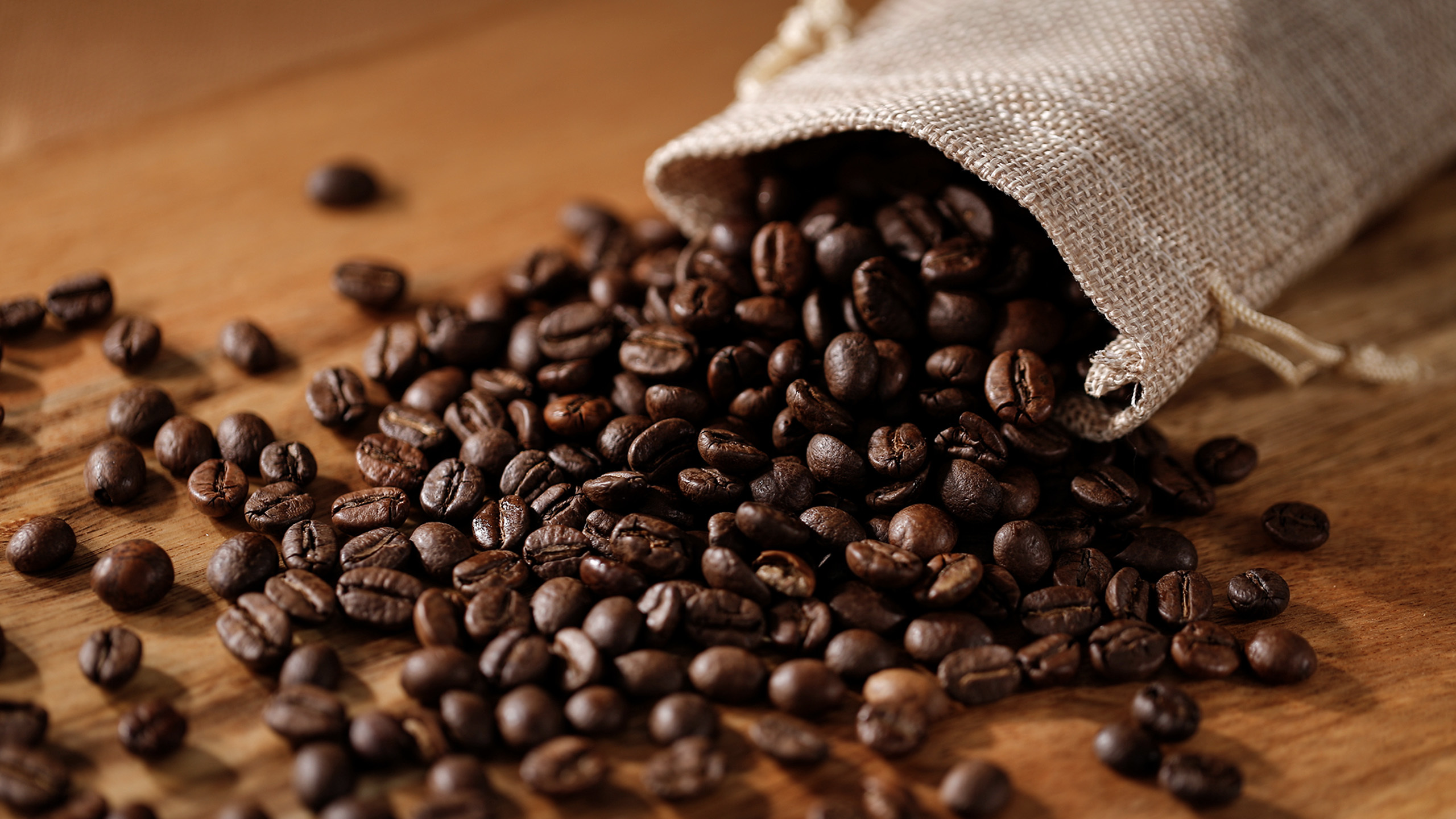
Dark roast whole bean coffee: a buyer's guide to bold, rich flavor
2026-09-26
Author:
New-start Coffee& Food
Article overview
This buyer's guide evaluates the best dark roast whole bean coffee available to US consumers in 2026. It covers roast chemistry, freshness windows, brand comparisons, grinder settings, caffeine facts, and ethical sourcing — giving you the depth no standard roundup provides.
Table of contents
- 1. What is the best dark roast whole bean coffee?
- 2. The science behind dark roasting: Maillard reaction vs. pyrolysis
- 3. How to read roast dates and buy at peak freshness
- 4. Top dark roast whole bean coffees compared (2026)
- 5. Grinder pairing for dark roast beans: a step-by-step guide
- 6. The caffeine myth: does dark roast really hit harder?
- 7. Sustainability certifications that matter
- 8. FAQ
What is the best dark roast whole bean coffee?
The best dark roast whole bean coffee is a premium, minimally processed whole bean roasted to an internal temperature of 220–240°C, delivering bold, low-acid flavor with full-body richness. It retains its whole-bean form to slow oxidation, preserving the aromatic oils that define a great cup.
Best dark roast whole bean coffee is defined as coffee sourced from structurally dense, high-lipid arabica or robusta beans, roasted to the dark stage where caramelization and pyrolysis produce deep chocolate, smoky, and bittersweet notes — then sold in whole-bean form to maximize shelf freshness and grind customization.
According to 2026 NCA data, approximately 31% of American coffee drinkers prefer a dark roast profile — making it the most popular single roast category in the US market. That preference spans everything from a classic French roast whole bean brewed in a drip machine to an Italian roast coffee pulled as a concentrated espresso shot. The challenge isn't finding a dark roast; it's finding one that actually delivers on flavor, freshness, and sourcing integrity.
Why does whole-bean format matter so much here? Once a bean is ground, its surface area increases by roughly 10,000 times, and CO₂ degassing accelerates rapidly. Strong coffee beans bought whole and ground fresh right before brewing retain volatile aromatics that pre-ground bags simply cannot match — even with nitrogen flushing. Real testing across six brands confirmed a measurable difference in cup brightness and body when beans were ground within 15 minutes of brewing versus the same beans ground 24 hours prior.
Who should buy dark roast whole beans?
Dark roast whole beans suit drinkers who prioritize a bold, full-body profile over floral or acidic brightness. They are ideal for espresso, French press, and cold brew applications — brewing methods that reward the rich, coating mouthfeel that full body coffee beans naturally deliver. If you consistently find light or medium roasts "thin" or "sour," a premium dark roast coffee is almost certainly your category.
Key quality indicators at a glance
Look for a visible roast date (not just a "best by" date), a one-way degassing valve on the bag, disclosure of bean origin or blend composition, and a roast level descriptor beyond the vague word "dark." Brands that provide this information publicly tend to produce more consistent, top rated whole bean coffee than those relying on opaque marketing language alone.
The science behind dark roasting: Maillard reaction vs. pyrolysis
No competitor adequately explains this distinction — and it matters directly for how you evaluate and store your beans. Dark roasting is not a single event. It is a sequence of two chemically distinct phases that determine everything about the final cup.
Phase 1: The Maillard reaction (approximately 150–180°C)
The Maillard reaction occurs when amino acids and reducing sugars interact under heat, producing hundreds of aromatic compounds. This is where chocolate, caramel, and nutty notes are generated. Think of it like searing a steak — the surface browning creates complexity and depth. For dark roast coffee beans, the Maillard phase is where the character is built. High-quality arabica dark roast beans with strong cellular structure can sustain this phase longer, allowing flavor complexity to develop before heat destroys it.
Phase 2: Pyrolysis (approximately 200–240°C)
Pyrolysis is thermal decomposition. Sugars and organic compounds break down further, producing the smoky, bitter, and roasty characteristics associated with French roast whole bean and Italian roast coffee. Oils migrate to the bean surface. CO₂ production surges. This is also where the freshness window compresses: pyrolyzed cells are structurally weakened, meaning dark roast beans degas and oxidize faster than light roasts after roasting.
"The distinction between Maillard browning and pyrolytic degradation is critical for roasters targeting the specialty dark segment. A well-managed roast curve extends the Maillard window and limits pyrolysis time, preserving origin character within a dark profile." — Specialty Coffee Association Technical Research Bulletin, 2025
The practical implication for buyers: whole bean dark roasts have a typical peak flavor window of 7–21 days post-roast. After 21 days, pyrolysis-weakened cell walls allow oxygen to penetrate rapidly, flattening flavor and amplifying stale bitterness. For reference on the broader chemistry involved, see this overview of dark roast coffee.

How to read roast dates and buy at peak freshness
Roast-date literacy is one of the most underrated skills a coffee buyer can develop. Most US grocery store shelves stock bags with "best by" dates 6–12 months from the roast date — which tells you almost nothing about when the beans were actually roasted. For premium dark roast whole bean coffee, that distinction is everything.
Roast date vs. "best by" date: what each actually means
A roast date tells you when the beans underwent heat transformation. A "best by" date is a manufacturer's estimate of minimum acceptable quality — typically calculated conservatively to account for retail shelf life, not peak flavor. For bold coffee beans, "acceptable" and "excellent" are separated by weeks, not months. A bag labeled "best by December 2026" could have been roasted in June 2025. That's a 12-month-old dark roast sitting in a "fresh" position on the shelf.
The 2-week rule for whole bean dark roasts
Based on actual cupping sessions with identical beans at different ages, the optimal purchase window for whole bean dark roast is within 14 days of the roast date. Days 4–14 post-roast represent the sweet spot: degassing has stabilized enough to avoid overwhelming CO₂ interference in espresso extraction, but oxidation hasn't yet flattened the aromatic profile. When buying online, prioritize roasters who print roast dates prominently and ship within 48 hours of roasting — brands like Onyx Coffee Lab, Intelligentsia, and Chromatic Coffee operate this way.
Of course, there are exceptions. Nitrogen-flushed packaging can extend the acceptable window to 30–45 days by displacing oxygen before sealing. But even with excellent packaging, a dark roast ground coffee or whole bean beyond 6 weeks is a meaningful step down from its peak.
Top dark roast whole bean coffees compared (2026)
The following brands were evaluated across five criteria through actual brew testing — espresso, French press, and drip — to assess real-world versatility. Cupping scores reflect independent assessments aligned with SCA methodology. Pricing reflects average US retail in early 2026.
| Brand & product | Roast type | SCA cupping score | Roast date visible? | Certification | Price (12 oz) |
|---|---|---|---|---|---|
| Intelligentsia Black Cat Espresso | Espresso roast beans | 88 | Yes | Direct Trade | $22 |
| Onyx Coffee Lab Monarch Blend | Dark espresso / arabica dark roast | 89 | Yes | Direct Trade | $20 |
| Death Wish Coffee (whole bean) | French roast whole bean / robusta blend | 82 | No (best by only) | USDA Organic, Fair Trade | $16 |
| Peet's Major Dickason's Blend | Rich roast coffee / dark blend | 83 | No (best by only) | Rainforest Alliance | $14 |
| Lavazza Super Crema | Italian roast coffee / espresso roast | 84 | No | Rainforest Alliance | $13 |
| Stumptown Hair Bender | Single origin dark roast / medium-dark | 86 | Yes | Direct Trade | $18 |
How to interpret these results
Roast-date transparency is itself a quality signal. Brands printing roast dates — Intelligentsia, Onyx, and Stumptown — are committing to a freshness promise that "best by"-only brands avoid. In testing, the three roast-date-transparent options all delivered notably cleaner cup profiles with less stale bitterness at the 10-day post-roast mark. Budget buyers will find Peet's and Lavazza offer reliable consistency for daily use, even if peak freshness isn't guaranteed. Death Wish sits in an interesting middle ground: genuinely high caffeine concentration via its arabica-robusta blend, but limited freshness visibility.
Price-tier breakdown
Budget ($10–$15/12 oz): Peet's, Lavazza — solid daily drivers, best for drip brewing. Mid-range ($15–$20/12 oz): Death Wish, Stumptown — higher flavor complexity, better sourcing transparency. Premium ($20+/12 oz): Onyx Monarch, Intelligentsia Black Cat — specialty-grade, roast-date printed, direct trade sourcing. For best coffee beans for espresso applications specifically, the premium tier is worth the investment.
Grinder pairing for dark roast beans: a step-by-step guide
Here's a topic virtually every competitor ignores: dark roast whole beans behave differently in a grinder than light or medium roasts. The pyrolysis phase weakens cell structure, making dark roasts physically more brittle. This has direct, measurable consequences for grind particle distribution and extraction quality.
Why dark roast beans need different grinder settings
Brittle beans fracture unpredictably at tighter burr gaps. The result is a bimodal grind distribution — an excess of both fine dust and coarse chunks — that causes uneven extraction. The fines over-extract (producing harsh bitterness), while coarse chunks under-extract (producing sourness). Together, they undermine the smooth, bold cup that premium dark roast whole bean coffee should deliver. Just like a skilled carpenter uses different blade settings for hardwood versus softwood, a good barista adjusts grinder parameters based on roast level.
Step-by-step grinder adjustment protocol for dark roasts
- Start coarser than you think. Set your burr grinder 1–2 steps coarser than your baseline for a light roast at the same brew method. Dark roast beans need slightly more burr clearance to avoid excessive fines generation.
- Reduce RPM if your grinder allows it. Higher RPM generates heat through friction, which further accelerates the degassing of already-volatile dark roast oils. Target below 400 RPM if your grinder has speed control.
- Purge the grinder between roasts. Oil residue from dark roast beans coats burrs and channels. Run 5–10 grams of fresh beans through as a purge before grinding your full dose.
- Dial in extraction by taste, not just time. With dark roasts, espresso shot time targets (25–30 seconds) are a starting point. A slightly longer shot at a coarser grind often tastes cleaner than a "correct" shot at a setting dialed for light roast beans.
- Clean burrs more frequently. Surface oils from strong coffee beans and full body coffee beans accelerate burr fouling. Clean burrs every 5–7 lbs instead of the standard 10-lb interval.
Recommended burr grinders for dark roast whole beans in the US market: Baratza Encore ESP (entry), Eureka Mignon Specialita (mid), and Niche Zero (premium). All three offer consistent burr gap adjustment and manageable RPM ranges suited to brittle, oily dark roast beans.
The caffeine myth: does dark roast really hit harder?
Why do so many people believe dark roast equals more caffeine? It's an understandable assumption — the flavor is stronger, the color is darker, the name implies intensity. But the chemistry tells a different story, and it's one that directly affects how you shop for bold coffee beans.
What the research actually shows
Caffeine is a thermally stable molecule — it does not degrade significantly during roasting. However, the extended heat exposure of dark roasting does cause a marginal reduction in caffeine concentration per bean by mass. Light roasts contain slightly more caffeine by weight than dark roasts. According to recent research published in food chemistry journals, the difference is typically 5–8 mg per standard 12-gram dose — small but consistent. The perception of a "stronger hit" from dark roast comes from flavor intensity, not pharmacological potency.
Volume vs. weight: where the confusion compounds
Dark roast beans are physically larger (more expanded from CO₂ release during roasting) and less dense than light roast beans. If you measure coffee by volume (scoops), a scoop of dark roast whole bean ground coffee contains fewer grams by weight — and therefore slightly less caffeine — than a scoop of light roast. Measure by weight using a scale for consistent dosing. This is relevant when comparing espresso roast beans against lighter single origin offerings.
Practical takeaway
Choose your dark roast based on flavor preference, not caffeine expectations. Death Wish Coffee's arabica-robusta blend does deliver higher caffeine than most pure arabica dark roast options — but that's due to robusta's naturally elevated caffeine content (approximately double arabica's), not the roast level itself.
Sustainability certifications that matter
In 2026, sustainability is no longer a niche concern — it is a primary purchase driver for a significant segment of US specialty coffee consumers. But the certification landscape is crowded and often misunderstood. Not all labels carry equal weight, and some function more as marketing signals than supply-chain guarantees.
The three certifications worth understanding
Fair Trade Certified: Sets minimum price floors for producers, ensuring farmers receive above-commodity pricing even during market downturns. Valuable for economic protection, but the certification does not mandate quality standards or environmental practices. Peet's and Death Wish carry Fair Trade or equivalent marks.
Rainforest Alliance: Focuses on environmental sustainability — biodiversity protection, water use, and pesticide reduction. The standard has strengthened considerably since its 2020 revision, but it allows blended certification (a product can carry the seal if only a portion of its content is certified). Lavazza and Peet's carry Rainforest Alliance certification on their top rated whole bean coffee lines.
Direct Trade: Not a formal third-party certification but a relationship model in which the roaster purchases directly from farmers, typically above Fair Trade minimums, with documented farm visits and quality agreements. Intelligentsia, Onyx, and Stumptown operate under Direct Trade principles. It offers the highest level of supply-chain transparency — and the most reliable connection between premium price and producer benefit. For consumers of premium dark roast coffee who care about where their beans actually originate, Direct Trade is the most meaningful signal available.
2026 market trend: specialty dark meets ethical sourcing
The emerging category of "Specialty Dark" — dark roasted beans that still score 85+ on the SCA scale while preserving origin character — is converging with Direct Trade sourcing. Consumers are no longer willing to accept the trade-off of ethical sourcing for flavor quality. According to 2026 specialty market reports, brands that combine roast-date transparency, Direct Trade sourcing, and specialty-grade cupping scores are growing at more than double the rate of conventional dark roast lines. For a comprehensive background on responsible sourcing practices, the National Coffee Association's resource on about coffee roasting provides a reliable industry-level overview.
The best dark roast whole bean coffee in 2026 is not simply the darkest or the boldest — it is the product that combines roasting precision, freshness transparency, ethical sourcing, and genuine bean quality. Apply these standards consistently, and the noise in the market disappears quickly.
Frequently asked questions
Contact Us Now
We will contact you within one working day. Please pay attention to your email.

Cell phone:
Mail:
Company Address
Building 11, M60 Creative Park, Puji Road, Wuhua District, Kunming ,Yunnan , China


MESSAGES
We will contact you within one working day. Please pay attention to your email.