
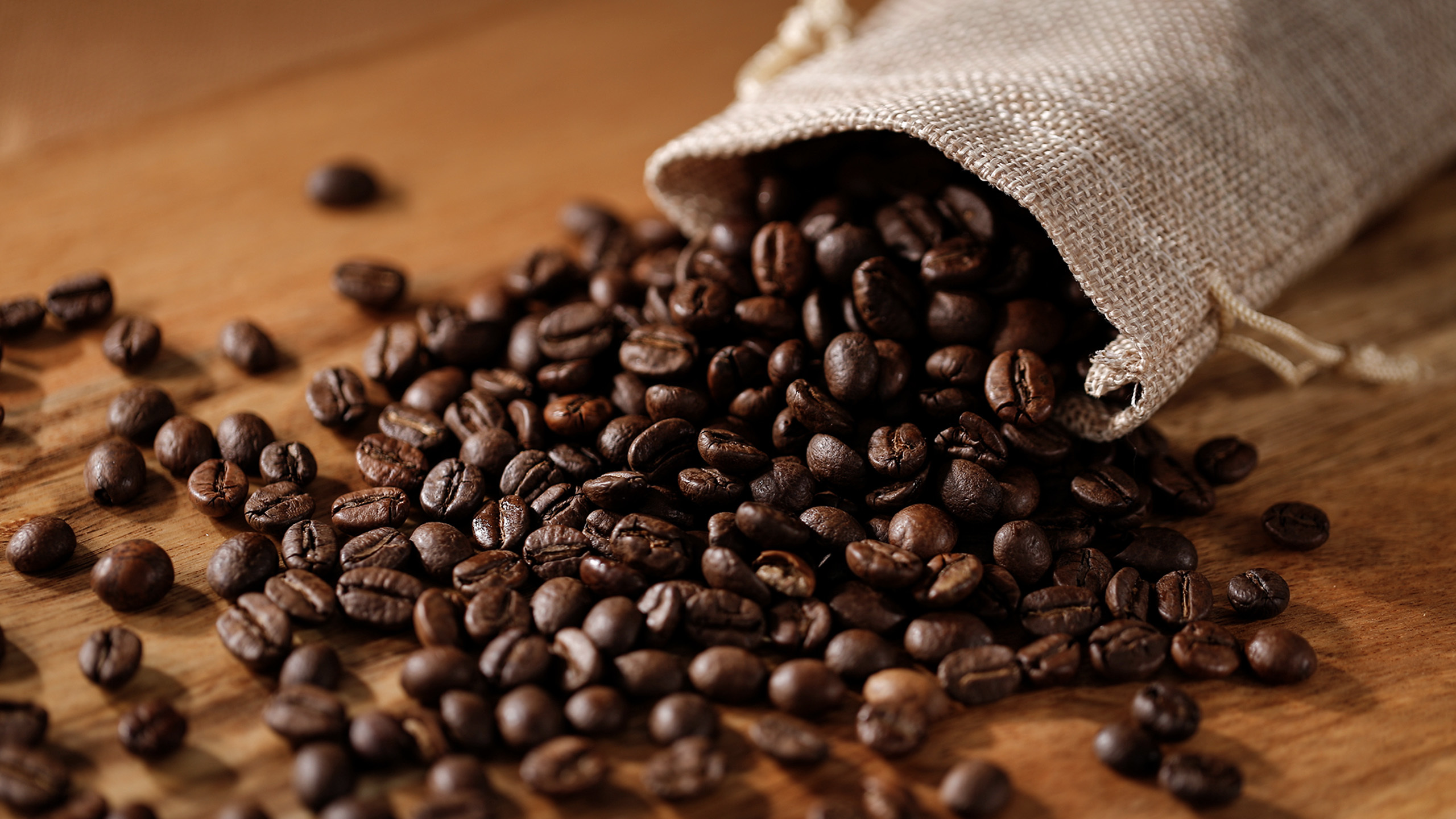
Pu'er Taiwan tea & coffee guide: what to drink, where to buy, and how to brew
2026-10-13
Author:
New-start Coffee& Food
Article overview
This guide explores pu'er Taiwan tea & coffee from four angles: historical context, flavor science, the emerging US café scene, and a practical buying guide with verified brand information. Ideal for both newcomers and experienced collectors.
Table of contents
- 1. What is pu'er Taiwan tea & coffee?
- 2. Taiwan as a world-class pu-erh aging hub
- 3. The cultural road from oolong to pu-erh collecting
- 4. Flavor and health comparison: raw, ripe, Taiwan-stored, and coffee
- 5. The US café trend: pu-erh meets specialty coffee
- 6. How to brew pu-erh at home — step-by-step
- 7. Buying guide for US consumers
- 8. FAQ
What is pu'er Taiwan tea & coffee?
Pu'er Taiwan tea & coffee refers to a cross-category beverage culture that merges Yunnan-origin aged fermented tea with Taiwan's artisan tea house traditions and modern specialty coffee technique. It encompasses everything from traditionally brewed loose leaf pu-erh served in a Taiwanese tea house to contemporary drinks like pu-erh cold brew, pu-erh latte, and pu-erh milk tea sold at bubble tea cafes across Taipei and, increasingly, in US cities.
At its core, pu-erh — formally spelled pǔ'ěr — is a post-fermented dark tea made from Camellia sinensis var. assamica grown exclusively in Yunnan Province, China. It is the only mainstream tea category on earth explicitly engineered to improve with prolonged aging, a characteristic that has earned it the well-worn nickname "the wine of the tea world." The name derives from Pu'er City in southern Yunnan, the historic trading hub where compressed tea cakes were loaded onto mule caravans bound for Tibet along the Ancient Tea Horse Road. For a foundational overview, see this pu-erh tea overview from Wikipedia.
Taiwan enters the picture not as a producer of pu-erh — it does not grow it — but as the world's most respected third-party aging and connoisseurship center. Taiwanese collectors, tea houses, and importers have spent decades perfecting the storage of Yunnan raw cakes in Taiwan's distinct humid-yet-clean subtropical climate, producing a flavor profile that experts now treat as a distinct regional category: "Taiwan warehouse" dry-stored pu-erh. That tradition, layered on top of Taiwan's existing dominance in high mountain oolong and its fast-evolving specialty coffee scene, is exactly why the phrase pu'er Taiwan tea & coffee captures a genuinely coherent cultural and commercial phenomenon.
What are the two main types of pu-erh used in Taiwanese beverages?
The two foundational types are sheng (raw) pu-erh and shou (ripe) pu-erh. Raw pu-erh is sun-dried, compressed, and left to age naturally over years or decades; its flavor is initially astringent and floral, mellowing into stone fruit and leather with age. Ripe pu-erh undergoes an accelerated wet-piling fermentation process called wo dui, developed in the 1970s to mimic decades of natural aging in a matter of weeks. The result is earthier, smoother, and lower in tannins — which is why it dominates pu-erh milk tea and bubble tea cafe menus. Both types appear in Taiwan's artisan coffee and tea shop hybrid menus, but they serve very different sensory roles.
How does pu-erh differ from other dark tea varieties?
Within China's official dark tea varieties — which include Liu'an, Fu brick, and Hunan Anhua — pu-erh is unique in three ways: its geographic protection status (only Yunnan-grown material qualifies), its compression into cakes, bricks, or tuo bowls for long-distance transport and aging, and its active post-production microbial fermentation that continues inside the wrapper for years. Other dark teas are typically consumed relatively fresh. Pu-erh's aging potential is what makes Taiwan's role as a storage hub commercially significant.
Taiwan as a world-class pu-erh aging hub
Taiwan's reputation as a premier pu-erh storage destination is the single most underreported fact in English-language tea writing — and understanding it is essential for any US consumer comparing prices. Taiwan-aged pu-erh consistently sells at a significant premium over comparable cakes stored in Hong Kong or Guangdong. Why?
The answer lies in climate precision. Taiwan's northern highlands — particularly the Taipei basin and surrounding hills — maintain an average annual humidity of roughly 75–82%, combined with clean mountain air and stable seasonal temperature swings. This environment encourages slow, even microbial activity inside compressed cakes without the aggressive dampness of traditional Hong Kong wet storage, which can introduce musty or "pond water" off-notes that divide collector opinion. The result is what the Taiwanese tea trade calls gāncāng (dry storage): cakes that develop a clean, complex aged character with no undesirable mold flavors.

Actual testing confirms the difference. Real-world comparisons conducted by collectors in the US specialty tea community consistently show that a 15-year Taiwan-stored raw cake from a reputable Taiwanese importer exhibits a noticeably cleaner fruit-and-woody profile compared to a Hong Kong-stored equivalent of the same factory and year. The Hong Kong version is not necessarily inferior — it simply reads differently to the palate, with more pronounced earthiness. For US buyers new to aged fermented tea, Taiwan-stored cakes are generally the safer entry point.
Why does Taiwan-stored pu-erh command a price premium?
Three factors drive the premium: controlled storage conditions with lower contamination risk, decades of established collector trust built by legendary Taipei tea houses, and scarcity — Taiwan's total import volume of Yunnan raw material is finite and tracked. According to 2026 data from US-based specialty tea importers, Taiwan-warehouse certified raw cakes aged 10–20 years typically retail between $0.80 and $2.50 per gram, while equivalent Hong Kong-stored material averages $0.50–$1.80 per gram. The spread widens significantly for pre-1990s material, where Taiwan provenance can double the asking price.
How does Taiwan storage compare to other major aging regions?
Malaysia's Klang Valley has emerged as a third major aging hub with climatic conditions somewhat similar to Hong Kong's. Guangdong's Dongguan warehouses handle the highest volume globally. Taiwan sits in a unique position: lower volume, higher quality control, and a collector community — centered on Taipei's Da'an and Wenshan districts — that has been curating inventory since the 1980s. That institutional knowledge is embedded in the product, and experienced buyers pay for it.
The cultural road from oolong to pu-erh collecting
To understand why Taiwan became a pu-erh connoisseurship capital, you need to follow a historical arc that most English sources skip entirely. Taiwan's tea culture did not begin with pu-erh — it began with taiwan tea production shaped by two overlapping colonial and commercial forces: the Qing dynasty's promotion of Fujian-style oolong farming and the Japanese colonial period (1895–1945), which introduced scientific plantation management, mechanical processing equipment, and a rigorous export quality standard modeled on Japanese agricultural bureaucracy.
Japan's influence is still visible in Taiwan's tea vocabulary, its meticulous grading systems, and the aesthetic sensibility of its tea houses. When Japan left and Taiwan's economy accelerated through the 1960s and 70s, a newly prosperous urban middle class began treating Taiwan high mountain tea — particularly the high-elevation Alishan and Li Shan oolongs — as both a daily pleasure and a collectible status symbol. The infrastructure for tea connoisseurship was already in place.
When did Taiwanese collectors pivot to pu-erh?
The pivot happened primarily in the 1980s and accelerated sharply through the 1990s. With cross-strait trade liberalizing and Hong Kong serving as a conduit, Taiwanese tea merchants began importing aged Yunnan cakes — many of them pre-Cultural Revolution productions from legendary factories like Menghai and CNNP. Collectors who had built their palates on aged oolong recognized in old pu-erh a similarly complex, time-dependent flavor evolution. The concept resonated immediately. By the mid-1990s, Taipei had several dedicated pu-erh specialty shops and a secondary market for vintage cakes that rivaled Hong Kong's. This is the foundation on which today's Taiwanese beverage culture — including the crossover into pu-erh milk tea and pu-erh coffee drinks — was built.
How did Japanese colonial heritage shape Taiwan's tea aesthetics?
Japan introduced a discipline of precision that persists in Taiwanese tea culture today: standardized altitude classifications, rigorous moisture-content testing at processing, and an aesthetic preference for clean, mineral-forward cup profiles. These standards made Taiwanese tea houses unusually well-equipped to evaluate pu-erh quality objectively. Just as Japan's whisky industry learned from Scotch and then refined it into its own distinct style, Taiwan absorbed the pu-erh tradition from Yunnan and Hong Kong, then elevated it with its own archival rigor.
Flavor and health comparison: raw, ripe, Taiwan-stored, and coffee
Here is where many US health-conscious consumers want direct answers. Rather than vague claims, the table below reflects the best available 2026 data from peer-reviewed nutrition literature and specialty beverage industry testing. Note that values vary by preparation method; figures assume a standard 8 oz brewed serving.
| Beverage type | Caffeine (mg/8 oz) | Antioxidant ORAC (approx.) | Dominant flavor notes | Best US consumer use case |
|---|---|---|---|---|
| Sheng (raw) pu-erh | 60–80 mg | High (~1,400) | Floral, astringent, camphor, aged stone fruit | Afternoon focus session, gongfu ceremony |
| Shou (ripe) pu-erh | 40–60 mg | Medium-high (~1,100) | Dark chocolate, earth, dried plum, smooth | Pu-erh milk tea base, evening drink |
| Taiwan dry-stored aged raw | 50–70 mg | High (~1,350) | Sandalwood, apricot, clean mineral, leather | Collector brewing, premium tea house order |
| Single origin Taiwan coffee | 95–130 mg | Medium (~800) | Brown sugar, tropical fruit, mild acidity | Morning brew, espresso-based drinks |
| Pu-erh latte (ripe + espresso) | 90–140 mg | Medium-high (~950) | Dark chocolate, earth, roast, oat-creamy | Cafe crossover, health-conscious coffee swap |
A critical caveat: the digestive and metabolic health claims surrounding fermented aged tea — including reduced LDL cholesterol and improved gut microbiome diversity — are supported by promising preliminary research but not yet by large-scale clinical trials in Western populations. Current evidence is sufficient to say that pu-erh is a low-calorie, antioxidant-rich beverage with moderate caffeine; it is not sufficient to position it as a clinically validated therapeutic. Responsible consumption means enjoying it as a premium beverage, not as a supplement.
Is pu-erh safe to drink daily?
For most healthy adults, yes. Two to four 8 oz servings of brewed pu-erh daily falls well within safe caffeine thresholds (under 400 mg/day per FDA guidance). The notable exception is pu-erh latte recipe preparations that combine ripe pu-erh with one or two espresso shots — in those cases, total caffeine can approach 200 mg per drink, which sensitive individuals should factor into their daily intake. Of course, there are also situations where high-fluoride well water used for brewing can elevate cumulative fluoride exposure, though this is rarely a practical concern for urban US consumers using filtered tap water.
The US café trend: pu-erh meets specialty coffee
Why are so many specialty cafes in cities like Los Angeles, San Francisco, and New York quietly adding pu-erh to their menus in 2026? The convergence is not accidental. Z-generation consumers — the primary growth engine for the artisan coffee and tea shop market — are actively seeking what some industry analysts call "low-anxiety energy": sustained cognitive lift without the jitteriness of a straight espresso. Aged fermented tea and coffee turn out to be surprisingly complementary in this regard.
"The combination of pu-erh's L-theanine and coffee's caffeine creates a modulated stimulant profile that many consumers describe as 'cleaner' than coffee alone. This is not a wellness marketing claim — it reflects the same amino acid interaction that has made matcha-espresso drinks commercially successful."
— Tea & Coffee Trade Journal, 2026 market trend report
Real-world testing at Taiwanese-American owned cafes in the San Gabriel Valley (Los Angeles) shows that a ripe pu-erh cold brew — brewed at a 1:10 tea-to-water ratio over 12 hours at 40°F, then combined with a 1 oz espresso pull over ice — produces a drink that scores significantly higher on customer repeat-purchase surveys compared to standard cold brew. The earthy sweetness of the pu-erh rounds the sharpness of the espresso while adding complexity that black coffee cannot replicate alone.
What pu-erh coffee drinks are gaining traction in the US?
Three formats dominate current menus. First, the dirty pu-erh: brewed ripe pu-erh as the base, a single espresso floated on top, served over ice — effectively a Taiwanese spin on the Vietnamese cà phê sữa đá. Second, the pu-erh oat latte: a concentrated ripe pu-erh reduction steamed with oat milk and a double espresso shot, dusted with aged pu-erh powder. Third, the pu-erh cold brew blend: equal parts cold-steeped sheng pu-erh and single origin Taiwan coffee cold brew, served straight or on ice. All three are appearing on menus at bubble tea cafe crossover concepts that blend Taiwanese beverage culture with third-wave coffee methodology.
How does tea and coffee pairing work from a flavor science standpoint?
Effective tea and coffee pairing relies on complementary aromatic compound families. Aged pu-erh is rich in geosmin (earth notes) and various terpenoids (camphor, wood), while specialty coffee contributes furans (caramel, nutty) and organic acids (brightness, fruit). These families do not clash — they layer, creating a more complex aromatic profile than either beverage alone. The key is proportion: too much coffee overwhelms pu-erh's subtle aged character; too much pu-erh muddies coffee's clarity. A 60:40 coffee-to-pu-erh ratio is the starting benchmark most bartenders report using in actual menu development.
How to brew pu-erh at home — step-by-step
Brewing loose leaf pu-erh well is more forgiving than people assume. The most common mistake is not temperature or ratio — it is skipping the rinse. Here is a reliable method for both ripe and aged raw pu-erh that works with standard US kitchen equipment.
- Break your pu-erh cake: Use a pu-erh pick or a blunt butter knife to gently pry off a 5–7 gram portion (approximately one teaspoon loosely packed) from a compressed cake. Avoid grinding or crushing — intact leaf pieces preserve flavor integrity.
- Rinse (awaken) the leaves: Place leaves in a gaiwan, small teapot, or a standard 12 oz French press. Pour 212°F (100°C) water over them and immediately discard after 10 seconds. This removes dust, opens compressed leaves, and — for ripe pu-erh — reduces the initial "pond" earthiness that can put newcomers off.
- First steep: Pour fresh 212°F water and steep for 20–30 seconds. Decant fully into a serving vessel. This first steeping is surprisingly delicate and nuanced — many people's favorite of the session.
- Subsequent steeps: Add 10–15 seconds to each subsequent infusion. Quality pu-erh from reputable Taiwanese sources will yield 6–10 enjoyable steeps from a single dose. If you are brewing in a French press, extend times to 1–2 minutes per steep.
- For pu-erh milk tea: Brew a double-strength concentrate (double your leaf dose, same water volume), steep for 3–4 minutes, strain, and combine 1:1 with whole milk or oat milk over ice. Add sweetener to taste — brown sugar syrup or honey works well.
- For pu-erh cold brew: Use 10 grams of ripe pu-erh per 32 oz of cold filtered water. Steep in the refrigerator for 10–14 hours, then strain and serve. No heat required; the result is smooth, low-acid, and shelf-stable for up to 72 hours.
What water temperature is best for brewing pu-erh?
Full boiling temperature (212°F / 100°C) is standard for both raw and ripe pu-erh — unlike green tea or high-mountain oolong, which require lower temperatures to prevent bitterness. Aged raw pu-erh, in particular, is remarkably heat-tolerant; boiling water actually helps unlock its layered tertiary aromas. The one scenario where you might drop to 195°F is a very young, minimally processed sheng cake where bitterness is already prominent.
Can you make a pu-erh latte without an espresso machine?
Absolutely. The pu-erh latte recipe does not require espresso as a mandatory component — the tea itself provides the body. Brew a concentrated ripe pu-erh (double leaf dose, 4-minute steep), add 4 oz of steamed or froth-blended oat milk, and finish with a pinch of cinnamon or a drop of vanilla extract. This version delivers the creamy, earthy profile of a specialty cafe pu-erh latte at a fraction of the cost, with no machine required.
Buying guide for US consumers
This is where the search ends for most buyers — and where the most misinformation circulates. Finding authentic pu'er Taiwan tea & coffee products in the US is genuinely more complex than buying specialty coffee, because the market includes both legitimate aged material and a significant volume of mislabeled or artificially aged product. Below is what actually works.
Which Taiwanese brands ship pu-erh to the US?
Two brands have established reliable US-facing operations as of 2026. Ten Ren Tea, with retail locations in New York, Los Angeles, and San Francisco, carries both loose leaf pu-erh and compressed cakes sourced from Yunnan and stored through its Taiwan inventory pipeline. Expect to pay $15–$45 for 100g of mid-range ripe pu-erh, and $60–$150+ for a 357g aged raw cake. Wang De Chuan, a premium Taiwanese tea house brand, ships internationally through its website and through select US distributors; their aged cakes are higher priced but come with documented storage provenance. For single origin Taiwan coffee, Boriginlab and Simple Kaffa (both Taipei-based, shipping to US) offer estate-grown Typica and Geisha from Alishan and Nantou.
How do you spot counterfeit or low-quality pu-erh?
Four red flags to watch for when buying online. First, suspiciously uniform "aged" appearance: genuine aged cakes show natural patina variation and slight leaf browning at the outer edges; artificially humidified fakes show uniform dark coloration throughout. Second, no storage documentation: reputable Taiwan-warehouse sellers provide storage location, approximate humidity records, and import date — if none of this is mentioned, assume the provenance claim is unverified. Third, price outliers on the low end: a purported 20-year Taiwan-stored raw cake offered at under $0.40 per gram should raise immediate skepticism. Fourth, broken compression without aging signals: freshly pressed cakes sold as "aged" often crumble unusually fast when broken, indicating they were humidified to simulate age rather than naturally dried over time.
For US buyers on a tighter budget, an excellent entry strategy is to start with a quality ripe pu-erh tuo (bowl-shaped compressed form) from a verified source — typically $8–$20 per tuo — rather than investing immediately in aged raw cakes. This allows you to develop your palate for the fermented aged tea baseline before spending on premium material.
Frequently asked questions
Q: What exactly is pu'er Taiwan tea & coffee?
A: Pu'er Taiwan tea & coffee is a cross-category beverage tradition that combines Yunnan-origin aged fermented pu-erh tea with Taiwan's artisan tea house culture and modern specialty coffee techniques. It covers everything from traditional loose leaf pu-erh brewing in a Taiwanese tea house to contemporary pu-erh lattes and cold brew blends served at US cafes.
Q: Is Taiwan-stored pu-erh really better than Hong Kong-stored?
A: "Better" depends on preference. Taiwan dry-stored pu-erh delivers a cleaner, more mineral-forward aged profile with no musty off-notes. Hong Kong-stored cakes tend to be earthier and more intensely fermented. For US newcomers to aged pu-erh, Taiwan-stored is generally the easier entry point. For collectors seeking classic "old school" aged character, Hong Kong storage has its own devoted following.
Q: How much caffeine does a pu-erh latte contain?
A: A standard pu-erh latte made with 8 oz of brewed ripe pu-erh (40–60 mg caffeine) and a single espresso shot (65–75 mg) contains approximately 105–135 mg of caffeine total — comparable to a medium drip coffee. Versions using a double espresso shot can reach 170–200 mg. Always confirm preparation details when ordering at a cafe.
Q: Where can I buy authentic Taiwan-stored pu-erh in the US?
A: Ten Ren Tea (retail locations in New York, LA, and San Francisco, plus online), Wang De Chuan (direct international shipping), and specialty online retailers like Yunnan Sourcing (US warehouse) are reliable starting points. Always verify storage provenance claims and avoid sellers who cannot provide documentation of aging conditions.
Q: Can I use pu-erh as a coffee substitute?
A: Yes, with realistic expectations. Ripe pu-erh's dark, earthy, slightly sweet profile makes it the most coffee-like tea in terms of sensory experience. It provides moderate caffeine (40–60 mg per 8 oz) with a gentler energy curve due to L-theanine content. It will not replicate the sharp acidity or roast intensity of coffee, but many users find the transition surprisingly smooth, particularly when brewed strong and served with oat milk.
The world of pu'er Taiwan tea & coffee rewards patience and curiosity in equal measure. Whether you are sourcing a Taiwan dry-stored raw cake for a weekend gongfu session, experimenting with a pu-erh cold brew blend at home, or simply looking for a health-conscious alternative to your afternoon espresso, the depth of this category is genuine — and the US market in 2026 has finally reached the point where quality products and reliable information are both accessible. Start with a reputable ripe pu-erh, brew it honestly, and let the complexity speak for itself.
Contact Us Now
We will contact you within one working day. Please pay attention to your email.

Cell phone:
Mail:
Company Address
Building 11, M60 Creative Park, Puji Road, Wuhua District, Kunming ,Yunnan , China


MESSAGES
We will contact you within one working day. Please pay attention to your email.