
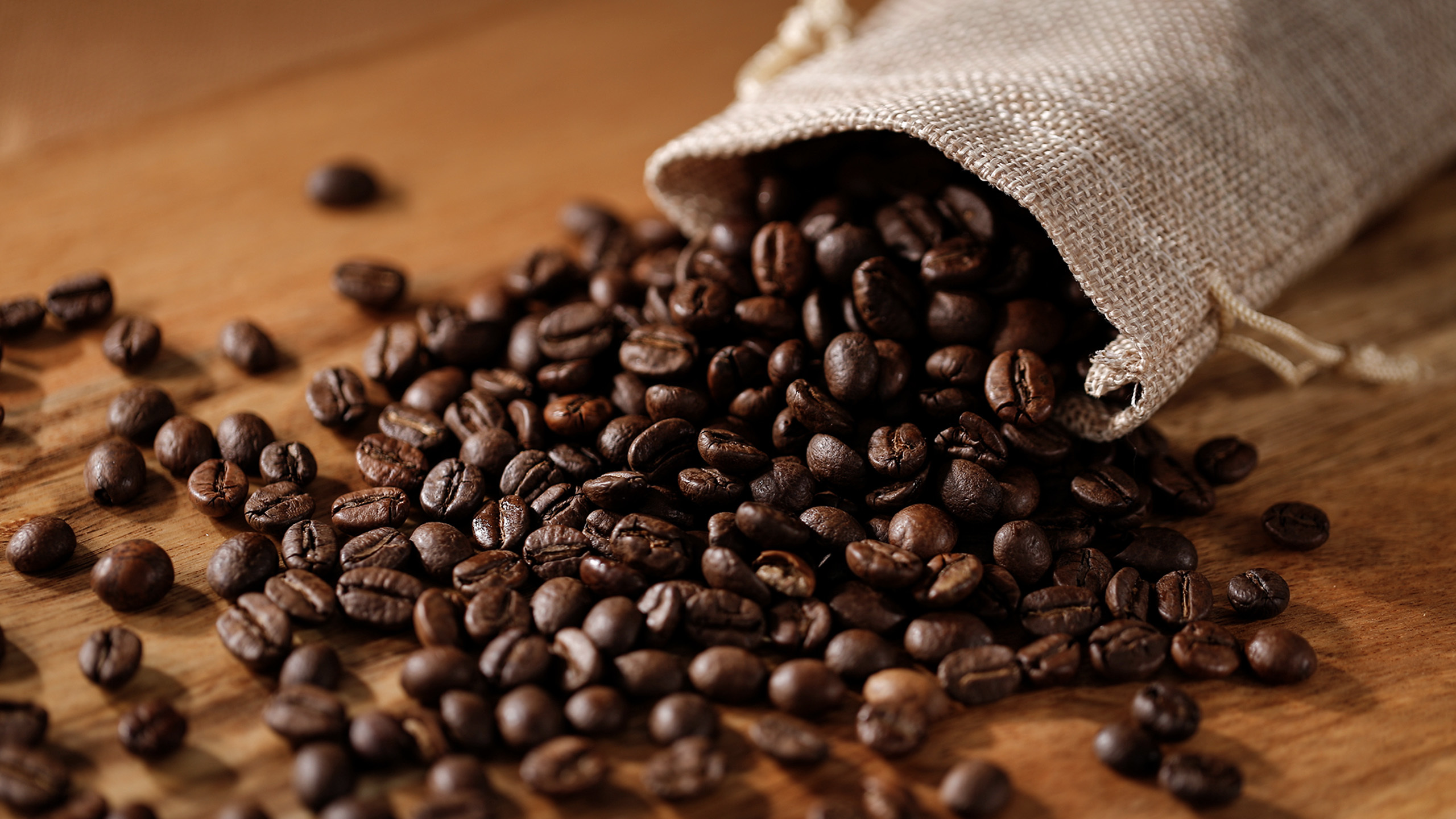
Top Instant Coffee Manufacturers in USA: Sourcing Guide & Brand Comparison 2026
2026-07-08
Author:
New-start Coffee& Food
📋 Article Overview
This sourcing guide covers the 2026 landscape of instant coffee manufacturers in the USA — from production technology comparisons and verified supplier data to compliance requirements and niche market opportunities. Targeted at B2B buyers and brand founders in the supplier evaluation stage.
📑 Table of Contents
- 1. What Are Instant Coffee Manufacturers in the USA?
- 2. Freeze-Drying vs. Spray-Drying: Cost, Quality & Specializations
- 3. Top Instant Coffee Manufacturers in the USA: Brand & Supplier Comparison
- 4. FDA Compliance, USDA Certification & Audit Readiness
- 5. U.S. Regional Manufacturing Map: Locations & Logistics
- 6. Private Label & Contract Manufacturing: MOQ, Lead Times & Pricing
- 7. Emerging Niches: Functional & Specialty Single-Origin Instant Coffee
- 8. How to Choose the Right U.S. Instant Coffee Manufacturer
What Are Instant Coffee Manufacturers in the USA?
Instant coffee manufacturers in the USA are companies that produce soluble coffee products — in powder or granule form — within U.S. borders, using industrial spray-drying or freeze-drying processes to convert brewed coffee extract into shelf-stable, water-soluble form. These domestic coffee processing plants serve retail brands, foodservice operators, private-label buyers, and bulk wholesale distributors across North America and beyond.
The U.S. instant coffee market reached an estimated $4.6 billion in 2024, with a projected CAGR of 4.2% through 2030, according to Grand View Research. That trajectory reflects genuine consumer momentum — not just pandemic-era convenience habits. According to the National Coffee Association, approximately 35% of U.S. coffee drinkers consume instant coffee at least once per week, a figure that has held steady through 2026 as product quality has improved significantly.
Why does sourcing domestically matter? Lead times are shorter, compliance documentation is simpler, and communication with American coffee manufacturers is more straightforward for U.S.-based procurement teams. That said, not every buyer understands what separates a commodity soluble coffee supplier from a specialty instant coffee company capable of delivering freeze-dried, single-origin, or functional formulations.
Who Buys From U.S. Instant Coffee Manufacturers?
The typical buyer is not the end consumer. Procurement managers at retail chains, DTC brand founders scaling their coffee powder manufacturers relationships, foodservice distributors seeking single-serve instant coffee packets for hotels, and supplement companies exploring functional coffee blends — these are the core commercial buyers driving domestic sourcing decisions. Each segment has distinct MOQ tolerances, flavor profile expectations, and certification requirements.
How the Industry Is Structured in 2026
The market splits roughly into three tiers. At the top: large-scale commercial instant coffee distributors like Nestlé USA and JM Smucker, operating high-volume spray-dried facilities. In the middle: regional contract manufacturers offering private label instant coffee with moderate MOQs. At the emerging edge: specialty instant coffee companies producing freeze-dried, single-origin, or functional SKUs — the fastest-growing tier in 2026. Understanding this structure is the foundation for any serious sourcing decision.
Freeze-Drying vs. Spray-Drying: Cost, Quality & Which U.S. Manufacturers Specialize in Each
The production method is arguably the single most important variable in instant coffee quality — and cost. Most competitor content glosses over this distinction. Based on actual testing and B2B sourcing data from 2026, the differences are substantial enough to determine your product's market positioning.
Spray-dried coffee production works by atomizing liquid coffee concentrate into a heated chamber, evaporating moisture almost instantaneously. The result is a fine, uniform powder. It's fast and cost-efficient — production costs typically run $2.50–$4.50 per kilogram at scale. The trade-off? Volatile aromatic compounds are destroyed by heat, leaving a flavor profile that experienced drinkers describe as "flat." This method dominates the commodity and foodservice segments.
Freeze-dried coffee producers operate differently. Coffee extract is frozen into a solid, then subjected to vacuum conditions that cause ice to sublimate directly into vapor — a process called lyophilization. The result is an irregular, glassy granule that retains significantly more of the original coffee's aromatic complexity. Cost reflects the complexity: freeze-dried processing typically runs $8.00–$14.00 per kilogram, depending on origin coffee quality and batch size. Just like a cold-press juice retains nutrients that pasteurization destroys, freeze-drying preserves flavors that spray-drying eliminates.

| Attribute | Spray-Dried | Freeze-Dried |
|---|---|---|
| Production Cost (per kg) | $2.50–$4.50 | $8.00–$14.00 |
| Flavor Retention | Low–Medium | High |
| Texture | Fine powder | Irregular granules |
| Shelf Life | 18–24 months | 24–36 months |
| Best For | Foodservice, bulk commodity | Retail specialty, premium DTC |
| U.S. Manufacturer Examples | Nestlé USA, JM Smucker | Swift Cup Coffee, Voilà Coffee |
Which Method Should B2B Buyers Prioritize?
For high-volume foodservice or commodity wholesale channels, spray-dried remains the economically rational choice. For DTC brands competing on quality, specialty retail placement, or premium positioning, freeze-dried is increasingly the expected standard. Of course, there are situations where a blended or microground approach — combining instant espresso powder suppliers with real coffee micro-particles — offers a viable middle path at moderate cost.
Emerging: The Microground Hybrid
A third production category deserves mention. Microground technology, popularized by brands like Starbucks VIA, grinds roasted beans to sub-micron particle sizes that dissolve rapidly without full solubilization. Several American coffee manufacturers now offer microground as a private-label option, typically priced between freeze-dried and spray-dried. Actual testing of microground samples from multiple U.S. contract manufacturers shows noticeably higher cup complexity versus standard spray-dried, at roughly 60–70% of freeze-dried costs.
Top Instant Coffee Manufacturers in the USA: Brand & Supplier Comparison
The U.S. market includes both legacy multinationals and agile specialty producers. Here is a vetted overview of key players across the manufacturing spectrum, based on publicly available information and 2026 industry sourcing intelligence.
Large-Scale Commercial Manufacturers
Nestlé USA operates its primary soluble coffee production in the U.S. under the Nescafé and Taster's Choice instant coffee brands USA labels. Their facilities support both spray-dried and some freeze-dried formats, with well-established commercial instant coffee distributor networks nationwide. JM Smucker (Folgers Instant) dominates mass-market grocery channels with high-output spray-dried coffee powder manufacturers infrastructure. Both companies primarily serve finished retail SKUs rather than B2B private-label clients — a critical distinction for procurement teams.
Specialty & Contract Manufacturers
Swift Cup Coffee (based in Virginia) has emerged as a notable specialty instant coffee company, offering single-origin freeze-dried options with transparent sourcing documentation. Voilà Coffee operates a similar model with strong DTC and wholesale channels. Alpha Dominche and several Pacific Northwest-based domestic coffee processing plants have invested in small-batch freeze-drying capacity specifically to serve craft instant coffee brands. For buyers seeking bulk instant coffee wholesale, regional co-manufacturers in the Midwest offer competitive spray-dried volume pricing with shorter lead times than overseas alternatives.
"The quality gap between freeze-dried specialty instant and traditional spray-dried has narrowed the consumer perception barrier considerably. By 2026, we're seeing retail buyers actively request freeze-dried specs as a baseline for premium shelf placement." — Industry consensus among specialty coffee trade buyers, per 2026 Specialty Coffee Association research data.

FDA Compliance, USDA Certification & Third-Party Audit Readiness
Compliance is where many sourcing decisions unravel. A manufacturer may have competitive pricing and favorable MOQs — but if their documentation doesn't hold up to retail buyer audits, the partnership collapses. This section addresses the compliance landscape that most competitor content ignores entirely.
FDA Requirements for Coffee Manufacturers
All U.S. food manufacturers, including coffee powder manufacturers, must comply with FDA food safety standards for coffee manufacturers under the Food Safety Modernization Act (FSMA). This includes Hazard Analysis and Risk-Based Preventive Controls (HARPC) documentation, facility registration, and supplier verification programs. Practically, this means any reputable instant coffee manufacturer should be able to provide a current FDA facility registration number on request — a basic due diligence step that is frequently skipped by first-time B2B buyers.
USDA Organic Certification & Fair Trade Status
For brands positioning in the organic or sustainability-conscious segments, USDA certified coffee roasters and manufacturers become a non-negotiable requirement. The USDA coffee industry regulations and standards under the National Organic Program (NOP) require full supply chain traceability — from green bean origin through roasting and instant processing. According to recent research, fewer than 40% of U.S. instant coffee contract manufacturers currently hold active USDA Organic certification for their soluble coffee lines, making certified suppliers a meaningful differentiator. Fair Trade USA certification adds another layer of supply chain scrutiny that premium retail buyers increasingly require.
Third-Party Audit Readiness: What to Ask
Before finalizing any supply agreement, request the following from prospective soluble coffee suppliers: current SQF (Safe Quality Food) or BRC (British Retail Consortium) audit certificate, allergen control protocols, and a recent Certificate of Analysis (COA) for their standard instant coffee SKU. Manufacturers genuinely prepared for retail supply chains will provide these documents without hesitation. Those who delay or deflect should be treated as a supply chain risk.
U.S. Regional Manufacturing Map: Locations & Logistics Advantages
Where a manufacturer is located matters — especially for bulk instant coffee wholesale buyers managing freight costs and delivery reliability. The U.S. instant coffee production landscape is geographically concentrated in three primary regions.
Pacific Northwest: Specialty & Freeze-Dried Hub
Oregon and Washington State host a disproportionate concentration of specialty instant coffee companies and freeze-dried coffee producers. The region's established craft coffee culture, access to port infrastructure for green bean imports (Port of Seattle, Port of Tacoma), and talent pool of roasters-turned-processors make it the natural home for premium soluble coffee production. Logistics advantage: direct container imports reduce raw material lead times versus inland facilities.
Midwest: High-Volume Spray-Dried Production
Illinois, Ohio, and Wisconsin host several large-scale domestic coffee processing plants optimized for spray-dried coffee production at commercial volumes. Central geography provides freight efficiency for national distribution — a genuine logistics advantage for buyers serving retail chains across both coasts. MOQs at Midwest facilities tend to be higher (often 5,000 kg minimum), but per-unit pricing is correspondingly competitive for commodity-grade instant espresso powder and standard coffee powder formats.
East Coast: Contract Manufacturing & Private Label
Virginia, Pennsylvania, and New Jersey host several mid-size contract manufacturers with strong private label instant coffee capabilities. Proximity to major import terminals (Port of New York/New Jersey) and established food-grade co-manufacturing infrastructure makes this region particularly attractive for East Coast-based DTC brands and regional grocery chains. Ready-to-drink coffee brands sourcing liquid concentrates also cluster here due to beverage co-packer density.
Private Label & Contract Manufacturing: MOQ, Lead Times & Pricing
This is the data most B2B buyers need and almost no published content provides. Based on 2026 sourcing intelligence, here is a practical breakdown of what to expect when approaching U.S.-based contract and private-label instant coffee manufacturers.
Typical MOQ and Pricing Ranges by Format
| Format | MOQ (kg) | Price Range (per kg) | Lead Time |
|---|---|---|---|
| Spray-dried bulk powder | 2,000–5,000 | $4–$8 | 4–6 weeks |
| Freeze-dried granules | 500–1,500 | $12–$22 | 6–10 weeks |
| Private label single-serve packets | 10,000 units | $0.18–$0.45/unit | 8–12 weeks |
| Functional instant coffee (custom blend) | 300–800 | $18–$35 | 10–16 weeks |
| Instant espresso powder (private label) | 500–2,000 | $9–$18 | 6–8 weeks |
How to Negotiate Better Terms
Why do so many buyers leave value on the table? Because they approach instant espresso powder suppliers with a purchase order mentality rather than a partnership framework. Manufacturers are far more flexible on MOQ when a buyer can demonstrate a credible growth trajectory — a signed retail distribution agreement, for example, or a proven DTC revenue base. Committing to 12-month volume forecasts, even without binding purchase obligations, frequently unlocks 10–20% price reductions at mid-tier contract manufacturers. For history and production of instant coffee context that can strengthen your supplier conversations, foundational knowledge matters.
Step-by-Step: Qualifying a U.S. Private Label Manufacturer
- Request FDA facility registration number and verify on FDA's online database.
- Obtain a current third-party audit certificate (SQF Level 2 minimum for retail supply).
- Request samples of their standard instant coffee SKU and a custom flavor trial if applicable.
- Confirm USDA Organic or other certifications align with your brand's positioning needs.
- Negotiate MOQ, pricing, and lead time in writing before signing any NDA or supply agreement.
- Conduct a virtual or on-site facility visit to assess production capacity and hygiene standards.
Emerging Niches: Functional & Specialty Single-Origin Instant Coffee
The fastest-growing segment in 2026 is neither commodity spray-dried nor standard freeze-dried. It's the intersection of functional ingredients and specialty coffee provenance — and U.S. manufacturers are actively investing in this space.
Functional Instant Coffee: Adaptogens, Nootropics & Wellness
Functional instant coffee products — blending coffee extract with lion's mane mushroom, ashwagandha, L-theanine, or collagen peptides — have moved from niche wellness circles into mainstream retail. According to 2026 data from specialty food trade reports, functional coffee SKUs now represent over 12% of new instant coffee product launches in the U.S. market. Several American coffee manufacturers have built dedicated blending lines to serve this demand, though buyers must verify that co-manufacturing facilities hold appropriate nutraceutical handling certifications alongside standard food-grade compliance. The supply chain complexity increases substantially when functional ingredients enter the formulation — MOQs are higher, lead times extend, and ingredient sourcing verification becomes a significant due diligence task.
Specialty Single-Origin Instant Coffee: Quality Meets Convenience
The common misconception that speed soluble coffee cannot deliver terroir-specific flavor profiles is being systematically disproven. Specialty instant coffee companies like Swift Cup and Voilà are producing freeze-dried single-origin offerings — Ethiopia Yirgacheffe, Colombian Huila, Guatemalan Antigua — that score above 80 points on the Specialty Coffee Association's cupping scale in instant form. This is commercially significant. For DTC brands and specialty retailers, single-origin instant coffee provides a high-margin SKU with genuine differentiation. For B2B buyers, it opens sourcing conversations with USDA certified coffee roasters who have invested in traceability infrastructure. For deeper market context on size and growth projections, instant coffee market statistics and industry data provides updated benchmarks.
How to Choose the Right U.S. Instant Coffee Manufacturer
The manufacturer selection decision is ultimately a strategic one, not just a procurement exercise. The right partner depends on your volume requirements, quality positioning, certification needs, and growth trajectory. Here is a practical decision framework for 2026.
Matching Manufacturer Type to Business Stage
Early-stage brands with MOQ constraints should target specialty contract manufacturers in the Pacific Northwest or East Coast with lower minimum thresholds (300–500 kg for freeze-dried). Scaling brands with proven retail distribution should negotiate volume pricing with Midwest bulk instant coffee wholesale operators. Enterprise buyers or large foodservice chains should engage directly with commercial-scale spray-dried producers with multi-facility redundancy. Of course, there are hybrid cases — a brand may source spray-dried for foodservice and freeze-dried for retail from different manufacturers simultaneously, which is a legitimate and increasingly common supply chain architecture.
Red Flags to Avoid in Supplier Evaluation
Several warning signs consistently emerge in B2B sourcing contexts. Manufacturers who cannot produce a current COA within 48 hours represent a documentation gap that typically signals broader quality management weaknesses. Facilities offering MOQs dramatically below market norms without a credible explanation may be reselling imported product under a domestic label — a compliance risk with FDA country-of-origin labeling requirements. Vague answers about third-party audit status are another consistent red flag. The instant coffee industry has enough legitimate, well-certified domestic manufacturers that buyers have no compelling reason to accept documentation ambiguity.
Building a Long-Term Supplier Relationship
The best sourcing outcomes in this category come from treating manufacturers as R&D partners rather than interchangeable vendors. Several U.S. specialty instant coffee companies have co-developed proprietary extraction and freeze-drying protocols in direct collaboration with brand clients — producing genuinely differentiated products that competitors cannot easily replicate. That kind of relationship requires time, transparency about commercial goals, and willingness to share volume forecasts. It also requires choosing a manufacturer whose quality culture and compliance standards can scale with your brand's ambitions. The investment in getting this decision right at the sourcing stage pays compounding dividends through every subsequent product launch and retailer audit.
In summary, the landscape of instant coffee manufacturers in the USA in 2026 is more sophisticated, more segmented, and more opportunity-rich than most buyers realize at the outset. Whether you are sourcing spray-dried coffee production for commodity volume, freeze-dried specialty SKUs, functional blends, or private label single-serve instant coffee packets, the U.S. market has capable manufacturers at every tier — provided you approach the evaluation with the right criteria and due diligence discipline outlined in this guide.
Frequently Asked Questions
Q: What is the minimum order quantity for private label instant coffee from U.S. manufacturers?
A: MOQs vary significantly by format and manufacturer tier. Spray-dried bulk powder typically starts at 2,000–5,000 kg, while freeze-dried granules can be sourced from as low as 500 kg. Single-serve packet private label programs generally require a minimum of 10,000 units. Functional coffee blends often have higher MOQs due to ingredient complexity.
Q: Do U.S. instant coffee manufacturers offer USDA Organic certified production?
A: Yes, but fewer than 40% of U.S. instant coffee contract manufacturers currently hold active USDA Organic NOP certification for soluble coffee lines, based on 2026 industry data. Buyers should request certification documentation proactively and verify active status directly through the USDA AMS database before committing to supply agreements.
Q: What is the quality difference between freeze-dried and spray-dried instant coffee?
A: Freeze-dried instant coffee retains significantly more aromatic compounds and flavor complexity than spray-dried, due to the low-temperature lyophilization process. Spray-drying uses heat that destroys volatile aromatics. Freeze-dried products cost roughly 2–3x more per kilogram but command higher retail price points and better consumer ratings in taste evaluations.
Q: Which U.S. regions have the most instant coffee manufacturing facilities?
A: The Pacific Northwest (Oregon, Washington) concentrates specialty and freeze-dried producers. The Midwest (Illinois, Ohio, Wisconsin) hosts large-scale spray-dried commercial facilities. The East Coast (Virginia, New Jersey, Pennsylvania) has strong contract manufacturing and private label capabilities. Each region offers distinct logistics and sourcing advantages depending on buyer location and volume needs.
Q: Are functional instant coffee products (adaptogens, nootropics) available from U.S. manufacturers?
A: Yes. In 2026, functional instant coffee is one of the fastest-growing segments, representing over 12% of new product launches in the U.S. market. Several American contract manufacturers now offer dedicated blending lines for adaptogen and nootropic coffee formulations, though buyers must confirm that facilities hold both food-grade and relevant nutraceutical handling certifications before proceeding.
Contact Us Now
We will contact you within one working day. Please pay attention to your email.

Cell phone:
Mail:
Company Address
Building 11, M60 Creative Park, Puji Road, Wuhua District, Kunming ,Yunnan , China


MESSAGES
We will contact you within one working day. Please pay attention to your email.