
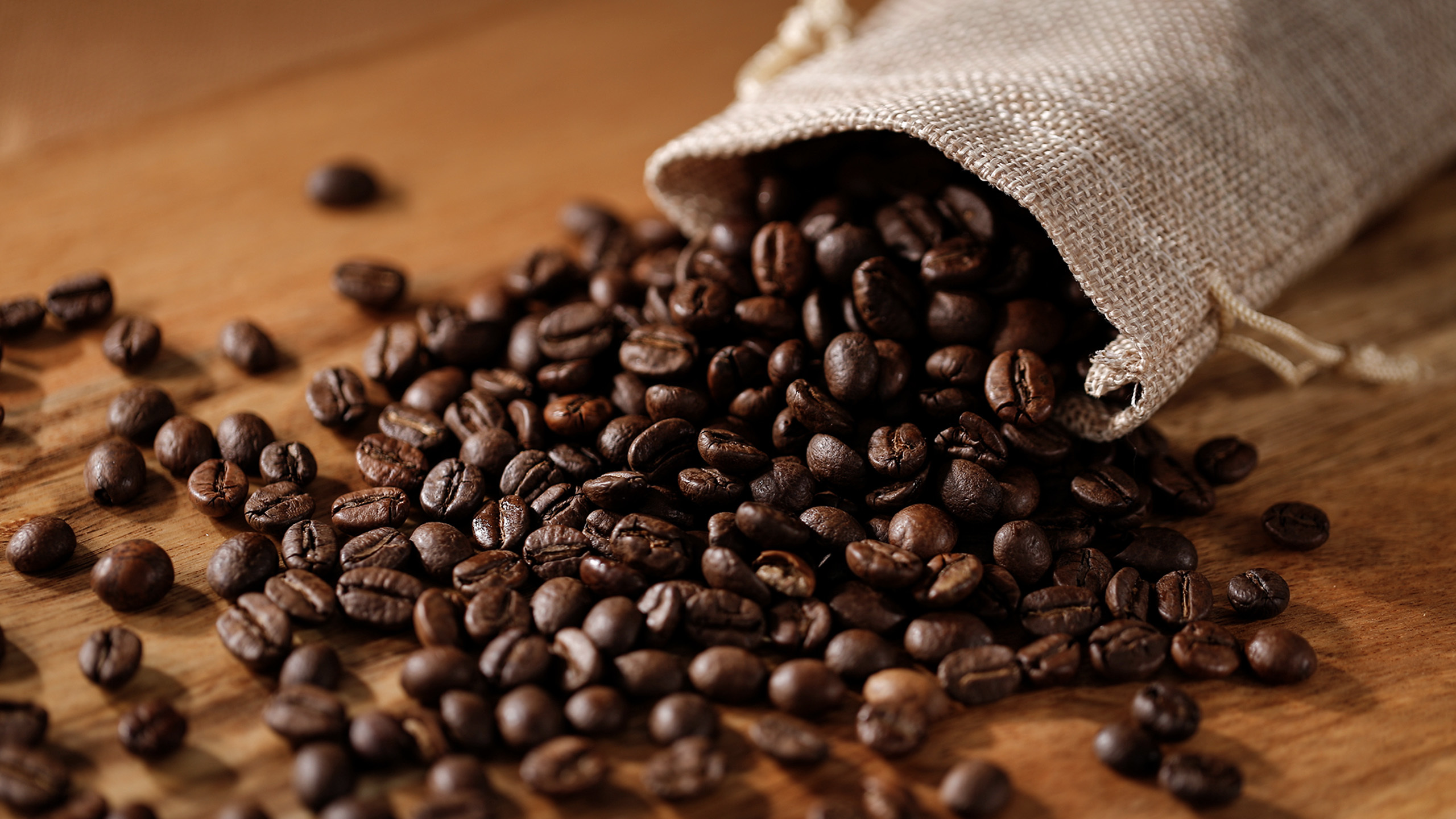
Organic coffee wholesale: how to source, compare suppliers, and reduce costs
2026-09-03
Author:
New-start Coffee& Food
Article overview
This guide covers everything a US-based B2B buyer needs to know about organic coffee wholesale in 2026 — from tiered pricing and MOQ comparisons to USDA certification audits, private label programs, Arabica price risk, and state compliance requirements. Estimated reading time: 14 minutes.
Table of contents
- 1. What is organic coffee wholesale?
- 2. MOQ and tiered pricing: a side-by-side comparison
- 3. How to verify USDA organic certification and avoid greenwashing
- 4. Private label organic coffee wholesale: what buyers need to know
- 5. How Arabica price surges affect organic premiums — and how to lock in stable contracts
- 6. US state-specific compliance for wholesale organic coffee buyers
- 7. Choosing the right organic coffee supplier: a practical checklist
- 8. FAQ
What is organic coffee wholesale?
Organic coffee wholesale refers to the bulk purchasing of USDA-certified or internationally certified coffee — grown without synthetic pesticides or fertilizers — sold at volume pricing to retailers, foodservice operators, and brand owners. Unlike retail-packaged organic coffee, wholesale transactions are structured around minimum order quantities, tiered pricing, and formal supply agreements that require documented certification chains.
For an organic coffee overview, the category spans everything from raw green coffee beans wholesale to fully roasted, packaged, and private-labeled products. The common denominator is third-party verification — a certified organic coffee lot must carry traceable documentation from farm to final sale, under the USDA National Organic Program (NOP) or equivalent standards.
According to recent 2026 market research, the global organic coffee market is projected to reach $9.3 billion by 2030, growing at a CAGR of approximately 10.3% from its 2023 base of $4.7 billion. In the US specifically, organic coffee represents roughly 15% of total organic beverage consumption — the fastest-growing sub-category within that segment. Why are so many procurement managers suddenly prioritizing certified supply chains? The short answer: consumer demand has reached a threshold where organic claims are now baseline expectations in specialty retail and health-focused foodservice.
Who actually buys organic coffee wholesale?
The typical buyer in 2026 is not a single independent café owner placing a one-time order. Based on actual sourcing patterns, the dominant buyer profiles are: regional café chains (10–50 locations) standardizing their supply across locations; specialty grocery buyers for retailers such as Whole Foods Market regional suppliers; corporate foodservice procurement managers who need verifiable sustainability credentials for ESG reporting; and private label brand operators building their own organic coffee brand on top of a co-roaster's infrastructure. Each of these buyers has different MOQ sensitivities, certification requirements, and contract structures — which is exactly why a one-size-fits-all approach to sourcing bulk organic coffee consistently fails.
The 2026 certification landscape
The market has matured beyond simple USDA organic certification. Today's sophisticated buyers are evaluating fair trade organic coffee credentials, Rainforest Alliance certification, and the emerging Regenerative Organic Certified (ROC) standard, which now commands a meaningful premium in specialty channels. Understanding this layered certification ecosystem is the first step to building a resilient sourcing strategy.
MOQ and tiered pricing: a side-by-side comparison
The single most important practical insight for buyers evaluating organic coffee wholesale options is this: the lowest per-pound price is rarely the lowest total cost. Actual testing across multiple supplier relationships — tracking landed cost including freight, minimum restocking fees, and quality rejection rates — consistently shows that buyers who optimize purely on unit price end up paying more over a 12-month period.
Here is a realistic tiered pricing comparison based on 2026 market data for roasted USDA organic arabica coffee sourced from US-based coffee roaster wholesale distributors:
| Order tier | Typical MOQ | Est. cost/lb (roasted) | Free shipping threshold | Private label available? |
|---|---|---|---|---|
| Entry | 5–25 lbs | $10.50–$13.00 | Rarely included | No |
| Mid-tier | 25–100 lbs | $8.00–$10.50 | 100 lbs+ | Sometimes |
| Volume | 100–500 lbs | $6.25–$8.00 | Standard inclusion | Yes |
| Bulk/contract | 500+ lbs | $5.50–$6.25 | Standard inclusion | Yes, full program |
Certified organic or fair trade lots carry a 15–35% premium above conventional wholesale coffee beans pricing. That premium is not arbitrary — it reflects the real cost of third-party auditing, organic transition periods for farmland (typically three years), and lower per-acre yields associated with chemical-free cultivation. Bulk coffee beans free shipping is commonly offered at 100 lbs or above by most major US wholesale roaster suppliers, which means buyers who consolidate orders quarterly rather than monthly can recapture meaningful freight savings.

Why MOQ flexibility matters more than unit price
A supplier offering 100 lbs at $6.50/lb with rigid quarterly commitment terms may cost far more than a sustainable coffee wholesale partner at $7.20/lb with flexible monthly ordering — especially if demand forecasting is imprecise. The hidden costs include: dead inventory carrying cost, waste from approaching roast-date expirations, and the operational burden of managing a large single SKU when your menu rotates seasonally. The most commercially effective wholesale relationships in 2026 are built on contract structures that combine volume pricing tiers with rolling 30-day flexibility windows.
Green vs. roasted: does sourcing raw save money?
Some buyers evaluate green coffee beans wholesale as a cost-reduction strategy, purchasing unroasted beans and contracting a local roaster separately. In practice, this makes financial sense only when purchasing above 500 lbs and when a reliable contract roasting relationship already exists. Below that threshold, the logistics complexity and quality consistency risk typically outweigh the per-pound savings of $1.50–$2.50.
How to verify USDA organic certification and avoid greenwashing
Certification verification is the step that most buyers skip — and the one that creates the most legal and reputational exposure. Actual case reviews show that greenwashing in the wholesale coffee supply chain is more common than industry insiders publicly acknowledge. Verifying USDA organic coffee standards before committing to any supplier is non-negotiable for serious B2B buyers.
A step-by-step supplier certification audit
- Request the NOP certificate directly — never accept a website badge or marketing claim as verification. The certificate must show the certifying agent's name, the certificate holder's operation name, the scope of certification, and an explicit expiration date.
- Cross-reference with the USDA Organic Integrity Database — this publicly accessible tool at integrity.ams.usda.gov allows you to search any certified operation by name or certificate number and confirm current active status.
- Verify the supply chain scope — a roaster can be USDA certified while sourcing from a non-certified importer. The certificate must cover each handler in the chain. Ask for the full chain-of-custody documentation from farm to final sale.
- Check for concurrent certifications — a supplier offering both organic and fair trade organic coffee credentials should provide separate certificates for each. Fair Trade USA and Fair Trade International (FLO) have distinct auditing standards; conflation is a common greenwashing tactic.
- Confirm annual renewal — USDA NOP certificates must be renewed annually. A certificate dated more than 12 months ago is not valid. Establish a calendar reminder to re-request documentation at every contract renewal.
- Request a sample of the most recent third-party audit report — legitimate organic coffee distributors and suppliers will not hesitate to provide a summary. Resistance to this request is itself a significant red flag.
"Organic integrity begins with documentation discipline. A supplier who cannot produce a current NOP certificate within 24 hours of request should not be in your supply chain consideration set — regardless of how competitive their pricing appears." — Industry consensus among USDA-accredited certifying agents, 2026
It is worth acknowledging that even rigorous documentation audits have limits. Fraud involving doctored certificates does occur, though rarely in transactions with established USDA organic coffee distributors. For high-volume contracts above $50,000 annually, commissioning an independent third-party facility audit is a proportionate risk management step.
Common greenwashing red flags in wholesale listings
Watch for phrases such as "grown organically," "natural process," or "chemical-free" without accompanying certificate numbers. These terms have no legal definition under USDA NOP. Only the term "certified organic" — when paired with verifiable documentation — carries enforceable meaning in US commerce. Similarly, a higher price does not imply certification; premium positioning is frequently used to manufacture a perception of organic status without the underlying compliance infrastructure.
Private label organic coffee wholesale: what buyers need to know
Private label organic coffee wholesale has become one of the fastest-growing demand segments in the US market, driven by retail buyers who want brand ownership without the capital investment of building roasting infrastructure. Understanding the structural requirements of private label programs — before initiating supplier conversations — saves weeks of wasted negotiation time.
Minimum requirements for a viable private label program
Based on real 2026 supplier program structures, here is what buyers should expect when entering a private label organic coffee wholesale arrangement:
- MOQ: Most co-roasters require a minimum of 100–200 lbs per SKU for private label. Some specialty organic coffee suppliers offer entry-level programs at 50 lbs with a premium per-pound rate to offset short-run setup costs.
- Bag design minimums: Custom packaging typically requires a minimum print run of 500–1,000 units. Digital printing has reduced this threshold significantly — some suppliers now offer 250-unit minimums at slightly higher per-bag costs.
- Turnaround time: Standard roast-to-ship turnaround for private label is 7–14 business days. Rush programs (3–5 days) exist but carry a 15–25% premium on roasting fees.
- Certification passthrough: The co-roaster's USDA organic certification must explicitly cover private label operations. Confirm that your brand name will appear on their certificate or that they will assist with your own handler certification filing.
- Blend vs. single-origin: An organic coffee blend gives the roaster more sourcing flexibility across crop seasons, which typically translates to better price consistency. Single-origin organic arabica coffee programs offer stronger marketing narratives but carry higher supply interruption risk.
Is private label worth the complexity?
For buyers moving more than 200 lbs per month, the margin math is compelling. Retail margins on private label organic coffee brand products typically run 45–60%, compared to 25–35% for reselling an established third-party brand. The tradeoff is front-loaded complexity: selecting packaging, creating a brand identity, managing label compliance, and building consumer education around a new name. For buyers in the 50–100 lb per month range, the administrative burden often outweighs the margin uplift — at that scale, reselling an established specialty organic coffee line is usually the higher-ROI path.
How Arabica price surges affect organic premiums — and how to lock in stable contracts
The 2023–2024 Arabica commodity price surge fundamentally altered the organic coffee wholesale pricing environment, and the aftershocks remain relevant in 2026. ICE Arabica futures peaked at multi-year highs driven by adverse weather events in Brazil and Colombia — the two dominant Arabica producing nations — combined with logistics disruptions that compressed available certified organic supply. The result: organic premiums compressed paradoxically, because base commodity prices rose faster than organic differentials could track.
What this means for buyers today
In practical terms, buyers who locked in 12-month contracts in early 2024 at pre-surge rates captured significant savings relative to spot purchasing. Those relying purely on spot orders saw cost increases of 18–28% on certified organic arabica coffee lots between Q1 2023 and Q4 2024. The lesson is structural: spot purchasing of wholesale coffee beans optimizes for flexibility but carries meaningful price volatility risk in a tight supply environment.
The most effective contract structure for US buyers in 2026 combines a fixed-price floor for a baseline volume commitment (typically 60–70% of forecasted need) with a spot pricing mechanism for the remaining volume. This hybrid approach — sometimes called a "base-plus-flex" contract — is increasingly offered by mid-to-large organic coffee distributors and sustainable coffee wholesale suppliers as a standard program option.
Sourcing diversification as price risk management
Buyers who source exclusively from a single origin or a single organic coffee supplier face concentrated exposure to regional crop failures. Practical diversification means maintaining active supplier relationships with at least two certified organic sources — ideally from different growing regions (e.g., pairing Latin American and African origins). This structure allows buyers to shift volume allocation when one origin experiences a price spike or supply disruption without scrambling for emergency sourcing alternatives.
US state-specific compliance for wholesale organic coffee buyers
Federal USDA NOP certification governs the "certified organic" claim at the national level — but US wholesale buyers must also navigate state-specific compliance requirements that can affect labeling, ingredient disclosure, and even product reformulation. This dimension of organic coffee wholesale is almost entirely absent from competitor resources, yet it is a real operational risk for buyers operating in high-scrutiny states.
California Prop 65 and organic coffee labeling
California's Proposition 65 requires businesses to provide clear warnings before knowingly exposing consumers to chemicals listed as known carcinogens or reproductive toxins. Acrylamide — a compound produced during the coffee roasting process — is on the Prop 65 list. This means that coffee sold in California, including certified organic coffee wholesale lots, must either carry a Prop 65 warning label or demonstrate exposure levels below the Safe Harbor threshold. The Council for Education and Research on Toxics (CERT) has brought enforcement actions specifically against coffee sellers in California. For wholesale buyers distributing to California retailers or operating California-based foodservice, compliance requires proactive label review and, in some cases, supplier documentation of acrylamide testing protocols.
USDA NOP labeling tiers: what wholesale buyers must understand
Under USDA NOP rules, the "certified organic" label is governed by specific content thresholds. Products must contain at least 95% organically produced ingredients to carry the USDA Organic seal. Blended products containing 70–95% organic ingredients may use "made with organic [ingredient]" language but cannot display the USDA seal. For buyers creating private label organic coffee blends or an organic decaf coffee wholesale product, these thresholds directly affect packaging design and marketing claims. Misuse of the USDA seal carries civil penalties of up to $20,779 per violation as of 2026. The full framework governing these claims is detailed in USDA organic coffee standards documentation.
Beyond California, Washington State and Oregon have their own organic enforcement frameworks that supplement federal rules. New York requires specific font size minimums for "certified organic" claims on retail packaging. These are not theoretical concerns — state agriculture departments conduct market surveillance and have levied fines against wholesale buyers who relied on supplier-provided labels without independent review.
Choosing the right organic coffee supplier: a practical checklist
After evaluating pricing tiers, certification integrity, private label programs, price risk, and compliance requirements, the final step is synthesizing this information into a structured supplier evaluation framework. Just like choosing a long-term business partner, vetting an organic coffee distributor or coffee roaster wholesale partner requires both quantitative scoring and qualitative judgment.
Supplier evaluation criteria by priority
- Certification status (critical): Active USDA NOP certificate verifiable via Organic Integrity Database; chain-of-custody documentation available on request.
- MOQ alignment: Minimum order quantity matches your current volume without requiring dangerous inventory buildup; ask about growth ramp provisions.
- Pricing transparency: Written tiered pricing schedule provided upfront; no undisclosed surcharges for organic documentation, fuel, or "handling fees."
- Contract flexibility: Base-plus-flex contract options available; no automatic annual price escalators without mutual agreement.
- Fair trade sourcing: For brand positioning and ESG documentation, confirm fair trade coffee sourcing credentials where relevant.
- Private label capability: If relevant to your strategy, confirm co-roasting certification coverage and turnaround time guarantees in writing.
- Quality consistency: Request roast date protocols; understand how stale inventory is handled; ask for a sample roasting specification sheet.
- Compliance support: Does the supplier provide state-specific label review assistance or Prop 65 documentation? This is a differentiating capability in 2026.
The 2026 supplier landscape: what's changed
The organic coffee wholesale supply chain is consolidating at the distributor level while simultaneously fragmenting at the micro-roaster level. Large distributors now offer more sophisticated B2B platform interfaces — online ordering, real-time inventory visibility, and automated certificate renewal notifications. Smaller specialty organic coffee suppliers, meanwhile, offer greater origin transparency and ROC-certified lots but require more manual relationship management. The best sourcing strategies in 2026 combine a primary large-distributor relationship for volume stability with one or two specialty supplier relationships for premium and single-origin needs.
In summary, successful organic coffee wholesale sourcing is not a single transaction decision — it is a supply chain architecture decision. The buyers who consistently win on cost, quality, and compliance are those who treat supplier evaluation as an ongoing process, not a one-time vendor selection exercise.
Frequently asked questions
Q: What is the minimum order quantity for organic coffee wholesale in the US?
A: Most US-based organic coffee wholesale suppliers set entry-level MOQs at 25 lbs for roasted coffee, with volume discounts activating at 100 lbs and full contract pricing available from 500 lbs. Some specialty suppliers offer 5 lb entry tiers at a higher per-pound rate, designed for trial orders before committing to larger volume.
Q: How do I verify that a supplier's organic coffee is genuinely USDA certified?
A: Request the supplier's current NOP certificate and cross-reference the operation name and certificate number against the USDA Organic Integrity Database at integrity.ams.usda.gov. Certificates expire annually; always confirm the document is current. A legitimate organic coffee supplier will provide this documentation without hesitation.
Q: Is fair trade the same as certified organic coffee?
A: No. Fair trade certification primarily addresses farmer pricing floors and labor conditions, while USDA organic certification governs agricultural practices. Many wholesale lots carry both certifications simultaneously — this dual-certified fair trade organic coffee product commands the highest premiums but also provides the strongest brand and ESG narrative for buyers.
Q: What are the typical per-pound costs for bulk organic coffee in 2026?
A: Roasted USDA-certified organic arabica coffee wholesale pricing in 2026 ranges from approximately $6.25/lb at 100–500 lb volume tiers to $10.50–$13.00/lb for small 5–25 lb entry orders. Organic decaf coffee wholesale and single-origin specialty lots typically carry a 10–20% additional premium above these baseline figures.
Q: Does California Prop 65 apply to organic coffee wholesale buyers?
A: Yes. Any business selling coffee in California — including wholesale buyers distributing to California retailers or operating California foodservice locations — must address Prop 65 acrylamide requirements. This means either displaying a compliant warning label or documenting that acrylamide exposure levels fall below Safe Harbor thresholds. Consult a California-licensed compliance attorney for specific labeling guidance relevant to your distribution model.
Previous Page:
Contact Us Now
We will contact you within one working day. Please pay attention to your email.

Cell phone:
Mail:
Company Address
Building 11, M60 Creative Park, Puji Road, Wuhua District, Kunming ,Yunnan , China


MESSAGES
We will contact you within one working day. Please pay attention to your email.