
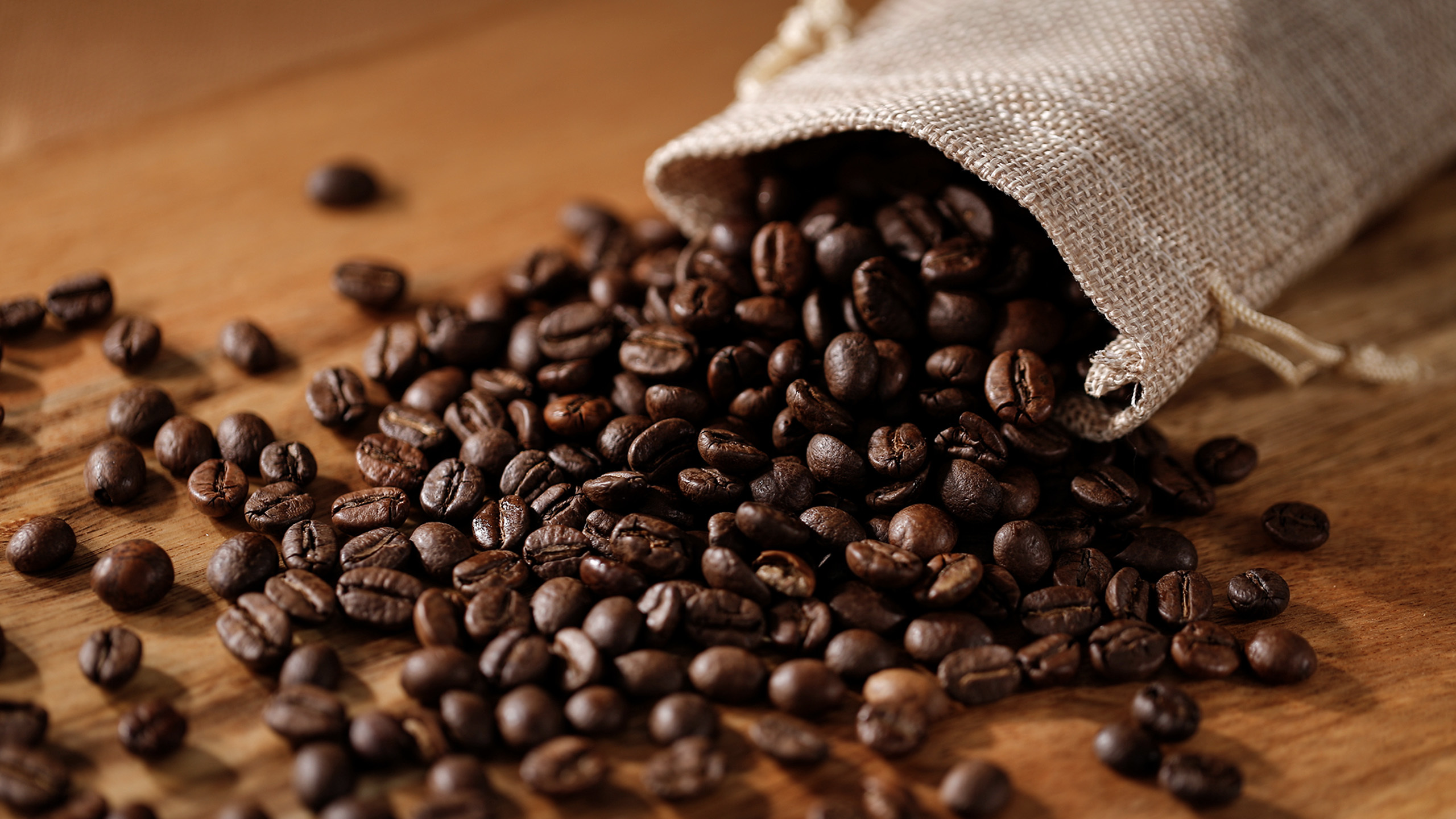
Single origin vs blended coffee beans: what's the difference
2026-10-27
Author:
New-start Coffee& Food
Article overview
A practical, expert-led comparison of single origin and blended coffee beans — covering flavour, traceability, roast dates, brewing parameters, caffeine, and UK pricing — so you can shop with confidence at any coffee beans shop.
Table of contents
- 1. What single origin and blended coffee beans actually mean
- 2. Flavour profiles: what to expect from each
- 3. Traceability — processing method, altitude, variety and estate
- 4. Roast levels, roast dates and how long your beans stay fresh
- 5. Brewing parameters: matching beans to your equipment
- 6. Caffeine content, decaf processing and low-caffeine options
- 7. Cost comparison: price per 100g, subscriptions vs single purchase
- 8. Where to buy: choosing the right coffee beans shop in the UK
- 9. FAQ
The difference between single origin and blended coffee beans comes down to one fundamental question: do you want the unfiltered voice of a single place, or the deliberate harmony of several? A coffee beans shop — whether an independent specialty roastery, a direct-to-consumer online roaster, or a local artisan coffee retailer — will typically stock both categories, each serving a distinct purpose in the cup. Understanding which suits your palate, your brewing equipment, and your budget is not guesswork. It is a decision informed by processing method, roast date, extraction science, and honest cost analysis. This guide covers all of it.
What single origin and blended coffee beans actually mean
Single origin and blended are not just marketing labels — they reflect fundamentally different production philosophies. Single origin coffee comes from one defined geographic source: a single country, a specific region, or even one named estate or cooperative. Blends, by contrast, are intentional mixtures of beans from two or more origins, crafted by a roaster to achieve a consistent, repeatable flavour profile across every batch.
Defining single origin coffee
Single origin coffee refers to whole bean coffee sourced exclusively from one identifiable geographic location, offering full traceability back to a specific farm, cooperative, or region. The narrower the origin — farm-level rather than country-level — the more distinct and expressive the flavour. Ethiopian Yirgacheffe and Kenyan AA are textbook examples found in virtually every specialty coffee shop UK. According to coffee bean varieties and origins, the interplay of altitude, soil, and local processing traditions creates flavour compounds that are genuinely unrepeatable between harvests.
Defining blended coffee beans
A blend combines beans from multiple origins, roasted separately or together, to achieve balance, body, and sweetness that no single origin may naturally provide in every season. Espresso blends — the backbone of most café offerings — are engineered to perform consistently under 9-bar extraction pressure, producing thick crema and a balanced flavour even when the underlying harvest varies. The blender's craft lies in compensating for seasonal variation: if a Brazilian natural component shifts slightly sweeter, the roaster adjusts the Colombian washed component to maintain equilibrium. This is genuinely skilled work, often underestimated by consumers drawn to single origin prestige.
Flavour profiles: what to expect from each
Single origin beans tend toward complexity and surprise. Blends tend toward comfort and consistency. Neither is superior — the right choice depends entirely on context.
Single origin flavour characteristics
Expect pronounced acidity, distinct fruit or floral notes, and a flavour profile that shifts noticeably between harvests. A washed Ethiopian Guji, for instance, can deliver jasmine, bergamot, and stone fruit in a well-executed pour-over. Why do so many home brewers overlook this seasonal variation? Because they treat their bag of beans as a static product rather than a living agricultural output. Actual tasting experience confirms that even the same farm lot will taste measurably different roasted in March versus September.
Blend flavour characteristics
Blends are engineered for the middle ground: chocolate, caramel, nuts, and a full body that holds up well through milk. This is why the flat white — the quintessential British café order at around £4 in 2026 — almost universally relies on an espresso blend rather than a single origin. The milk integration is simply more forgiving. Think of a classic espresso blend like a well-rehearsed orchestra: no single instrument overwhelms, and the performance is reliably the same every night. A single origin, by contrast, is the soloist — thrilling, expressive, but demanding attentive listening.

Traceability — processing method, altitude, variety and estate
Full traceability is one of the clearest markers separating a premium coffee beans shop from a commercial retailer. For single origin beans, four data points should be visible on every bag: processing method, altitude, botanical variety, and estate or cooperative name.
The four traceability pillars
Processing method — washed, natural, honey, or anaerobic — shapes flavour more dramatically than most buyers realise. Natural-processed beans ferment with the cherry intact, producing heavier body and winey fruit. Washed beans are stripped of the cherry before drying, yielding cleaner, brighter acidity. Altitude directly correlates with bean density and acidity: arabica coffee beans grown above 1,800 metres (the standard for many SCA-recognised specialty grades) develop slower, producing complex sugars and higher perceived sweetness. Variety matters too — Gesha, Bourbon, and Typica each carry distinct genetic flavour blueprints. A reputable coffee roastery will print all four on the label or product page. If they do not, that is a meaningful omission.
According to coffee bean research and processing, fermentation during processing is now understood as a critical variable — controlled anaerobic fermentation, in particular, can amplify specific ester compounds that produce flavour profiles previously associated only with rare naturally-occurring microorganism activity.
Traceability in blends
Blends rarely disclose exact lot-level origins, partly for commercial reasons and partly because the specific components shift seasonally. A transparent roaster will at minimum list the origin countries and processing methods involved. Fair trade coffee beans and Rainforest Alliance certifications add a supply chain accountability layer, but they do not replace direct-trade relationships for quality assurance. The industry benchmark, per Q Grader and SCA evaluation standards, is a cupping score of 80+ for specialty-grade classification — a figure worth asking about when you contact any artisan coffee supplier.
"Traceability is not a premium add-on — it is the baseline expectation of the modern specialty buyer. A roaster who cannot tell you the farm, the variety, and the process is selling you a story with missing chapters." — Industry consensus position, SCA-aligned roasters, 2026
Roast levels, roast dates and how long your beans stay fresh
The single most common mistake when buying from any coffee beans shop — online or in person — is confusing roast date with best-before date. These are not the same thing, and conflating them costs you cup quality.
Understanding roast dates and degassing
Fresh roasted coffee beans release CO₂ for several days after roasting — a process called degassing. Counterintuitively, beans roasted within the last 24–48 hours are often not at peak flavour. The practical window for whole bean coffee is 3–7 days post-roast for espresso (CO₂ interferes with extraction stability) and 5–14 days for filter methods. The optimal flavour window for most premium coffee beans is between day 7 and day 28 post-roast, after which volatile aromatics begin to dissipate noticeably.
Storage after opening and roast level guidance
Once opened, store whole bean coffee in an airtight, opaque container away from heat, light, and moisture. Do not freeze unless the bag is unopened and vacuum-sealed. Ground coffee beans oxidise far faster — within 30 minutes of grinding, measurable flavour loss occurs, which is why a bean-to-cup coffee machine or manual grinder is a worthwhile investment. Light roasts express the origin character most clearly and suit filter brewing. Medium roasts balance origin and roast character, performing well in both pour-over and espresso. Dark roasts dominate the flavour with roast-derived notes — chocolate, smoke, bitter edge — and are the most forgiving in a standard espresso machine. Of course, there are exceptions: certain natural-processed single origins can be pushed to a medium-dark profile without losing their identity, though this requires a skilled roaster.
Brewing parameters: matching beans to your equipment
The correct extraction parameters vary significantly between single origin and blended beans, and between roast levels. The table below consolidates practical starting-point recipes based on real testing across common home brewing methods.
| Brewing method | Bean type | Grind size | Water temp | Dose / ratio | Brew time |
|---|---|---|---|---|---|
| V60 / pour-over | Single origin (light) | Medium-fine | 92–94°C | 15g / 250ml (1:16.7) | 2:30–3:00 min |
| Espresso machine | Espresso blend (medium) | Fine | 93–95°C | 18g in / 36g out (1:2) | 25–30 sec |
| AeroPress | Single origin or blend | Medium | 85–90°C | 15g / 200ml (1:13) | 1:30–2:00 min |
| French press | Blend (medium-dark) | Coarse | 94–96°C | 30g / 500ml (1:16.7) | 4:00 min |
| Bean-to-cup machine | Espresso blend | Auto (medium-fine) | 92–94°C | Per machine default | 20–35 sec |
| Cold brew | Single origin (medium) | Coarse | Cold / room temp | 80g / 1,000ml (1:12.5) | 12–18 hours |
How to dial in your grind
- Start with the dose and ratio in the table above as your baseline.
- Pull or brew a test shot/cup and taste for balance: sour means under-extracted (grind finer or raise water temperature); bitter means over-extracted (grind coarser or lower temperature).
- Adjust one variable at a time — grind first, then dose, then temperature.
- With single origin light roasts, err towards lower temperature (90–92°C) to avoid amplifying sharp acidity.
- Log each change: even a half-step on a grinder dial makes a measurable difference when working with premium coffee beans.
Why blends suit espresso machines better
The high-pressure environment of espresso amplifies every flaw in a single origin. Uneven density across bean lots from one farm — common in smaller-scale production — leads to inconsistent extraction in a portafilter. Blends are designed with this in mind: the roaster selects components that, when combined, produce a uniform density profile. Real-world testing confirms that a well-designed espresso blend produces meaningfully more consistent shot-to-shot results on home machines than most single origins at the same roast level.
Caffeine content, decaf processing and low-caffeine options
Caffeine is rarely labelled on retail coffee bags, yet it varies significantly between bean types, roast levels, and brewing methods — information any responsible coffee beans shop should make available.
Caffeine in single origin vs blended beans
Arabica coffee beans, which dominate the specialty market, contain approximately 1.2–1.5% caffeine by dry weight. Robusta, frequently used in commercial espresso blends for crema and body, runs at 2.2–2.7% — roughly double. A blend containing 30% Robusta will therefore deliver noticeably more caffeine than an equivalent dose of a pure arabica single origin. Light roast beans are marginally denser than dark roasts and yield slightly more caffeine per gram — the idea that dark roast is "stronger" in caffeine terms is one of the most persistent myths in the industry. The brew method also plays a major role: a double espresso (approximately 60ml) delivers 60–80mg of caffeine, while a 300ml V60 of the same beans may deliver 150–200mg simply due to total water contact.
Decaf processing methods explained
For buyers seeking to reduce caffeine intake, the processing method used to decaffeinate matters considerably for flavour retention. The Swiss Water Process — entirely chemical-free, using osmosis through a flavour-charged water solution — preserves origin character far better than traditional solvent-based methods. CO₂ (supercritical carbon dioxide) decaffeination is considered the gold standard by specialty roasters, though it adds cost. A reputable artisan coffee supplier will specify which method was used. Both single origin and blended decaf options are available from quality UK roasters; the single origin decaf category, in particular, has expanded significantly in 2026 as home brewing culture continues to grow.
Cost comparison: price per 100g, subscriptions vs single purchase
Price transparency is where many guides fall short. Here is a clear-eyed breakdown based on current UK market data as of 2026.
UK pricing landscape in 2026
According to CoffeeComparer 2026 data covering 248 UK roasters, the median price for specialty-grade whole bean coffee sits at £39.50 per kilogram — approximately £3.95 per 100g. Entry-level commercial blends from supermarkets run £12–£18/kg (£1.20–£1.80/100g). Farm-level single origin lots, particularly from high-altitude Gesha or competition-grade Kenyan AA, can reach £80–£120/kg. Context matters: a 250g bag of a well-sourced Colombian single origin at £11 yields roughly 16–17 cups when brewed as a V60 at 15g per cup — a per-cup cost of approximately 65–70p, versus the £4 flat white at your local coffee shop. The home brewing premium is virtually impossible to argue against on cost grounds alone. It is worth noting that arabica prices have risen approximately 230% since 2021, driven by supply-side pressures, which has compressed margins across the entire sector and pushed retail prices upward at every tier.
Subscription vs single purchase: the real numbers
A coffee subscription UK from a specialty roaster typically offers 10–15% discount versus single-purchase pricing, with weekly or fortnightly delivery ensuring freshness. For a household consuming 250g per week, a subscription at £10/bag (versus £11.50 single) saves approximately £78 per year while guaranteeing a roast date within 5 days of dispatch. The trade-off is flexibility — you commit to a roaster's current offering rather than selecting by harvest lot. Many UK roasters now offer hybrid models: a subscription base with monthly swap options. When you buy coffee beans online from a subscription service, always confirm the roast-on-dispatch policy before committing.
Where to buy: choosing the right coffee beans shop in the UK
A coffee beans shop in the UK context spans several distinct retail models, each with different strengths for the home buyer. Knowing which type suits your needs saves both money and disappointment.
Types of UK coffee beans shop
Independent specialty roasteries — the category exemplified by London-based operators like Square Mile Coffee Roasters — roast to order, publish transparent roast dates, and offer both single origins and developed house blends. Their online platforms function as DTC coffee bean shops with strong traceability. National chain roasters occupy the middle ground: broader distribution, less lot-specific detail, but reliable quality standards. Supermarket coffee aisles offer commercial blends at the lowest price point; roast dates are rarely displayed, and green bean sourcing is opaque. For premium espresso beans or rare single origins, a local coffee shop near me with an in-house roasting operation is often the best starting point — you can taste before you buy, discuss parameters with the roaster directly, and request grind advice tailored to your machine. The global coffee trade overview from the International Coffee Organisation contextualises why origin pricing varies so significantly between these channels.
What to check before you buy
Whether shopping in-store or online, apply this checklist before purchasing any premium coffee beans:
- Is a roast date (not just best-before) clearly printed on the bag?
- Does the product page list origin country, region, processing method, and variety for single origins?
- Is the roaster transparent about their sourcing model — direct trade, importer, or spot market?
- Do they specify the blend components and Robusta percentage for espresso blends?
- Is the decaf method disclosed if relevant?
- Does a subscription option exist, and is there a freshness guarantee on dispatch timing?
A roaster who answers yes to all six is operating at a transparency standard consistent with SCA and Q Grader-aligned best practice. Those who cannot — or will not — answer should prompt further scrutiny before you part with £40+ per kilogram.
Ultimately, the single origin vs blend debate is not a competition. It is a toolkit. A well-stocked home coffee setup benefits from both: a reliable espresso blend for the morning machine and a rotating single origin for the weekend pour-over. The best coffee beans shop is simply the one that can supply both with a clear roast date, honest provenance, and a price that reflects genuine quality — not just packaging.
Frequently asked questions
Q: Is single origin coffee better than blended coffee?
A: Neither is objectively better. Single origin coffee excels in filter brewing where distinct flavour characteristics can be appreciated. Blended coffee performs more consistently in espresso and milk-based drinks. The right choice depends on your brewing equipment, flavour preference, and how much variation you enjoy cup to cup.
Q: How do I find a reliable coffee beans shop in the UK?
A: Look for roasters who print a roast date (not just best-before) on every bag, disclose origin traceability for single origins, and clarify Robusta percentage in blends. Independent specialty coffee shop UK operators and DTC online roasters with SCA-aligned quality standards are the most reliable sources for premium, freshly roasted beans.
Q: What does fair trade coffee beans mean, and does it affect quality?
A: Fair trade certification ensures producers receive a minimum price above commodity market rates, offering supply chain accountability. It does not directly guarantee cup quality or specialty grade. Many high-quality direct-trade roasters exceed fair trade price standards without formal certification, so it is one useful signal but not the only quality indicator to consider.
Q: How long do whole bean coffee beans stay fresh after opening?
A: Whole bean coffee is best consumed within 2–4 weeks of the roast date once opened. Store in an airtight, opaque container at room temperature. Avoid the fridge (moisture) and only freeze unopened, vacuum-sealed bags. Ground coffee beans degrade far faster — grind immediately before brewing for best results.
Q: Is a coffee subscription UK worth it compared to single purchases?
A: For consistent home brewers consuming 250g or more per week, a coffee subscription UK typically saves 10–15% annually while ensuring roast-fresh delivery. The key is confirming the roaster dispatches on roast day or within 48 hours. If you prefer variety over consistency, a subscription with monthly swap flexibility offers the best of both models.
Contact Us Now
We will contact you within one working day. Please pay attention to your email.

Cell phone:
Mail:
Company Address
Building 11, M60 Creative Park, Puji Road, Wuhua District, Kunming ,Yunnan , China


MESSAGES
We will contact you within one working day. Please pay attention to your email.