
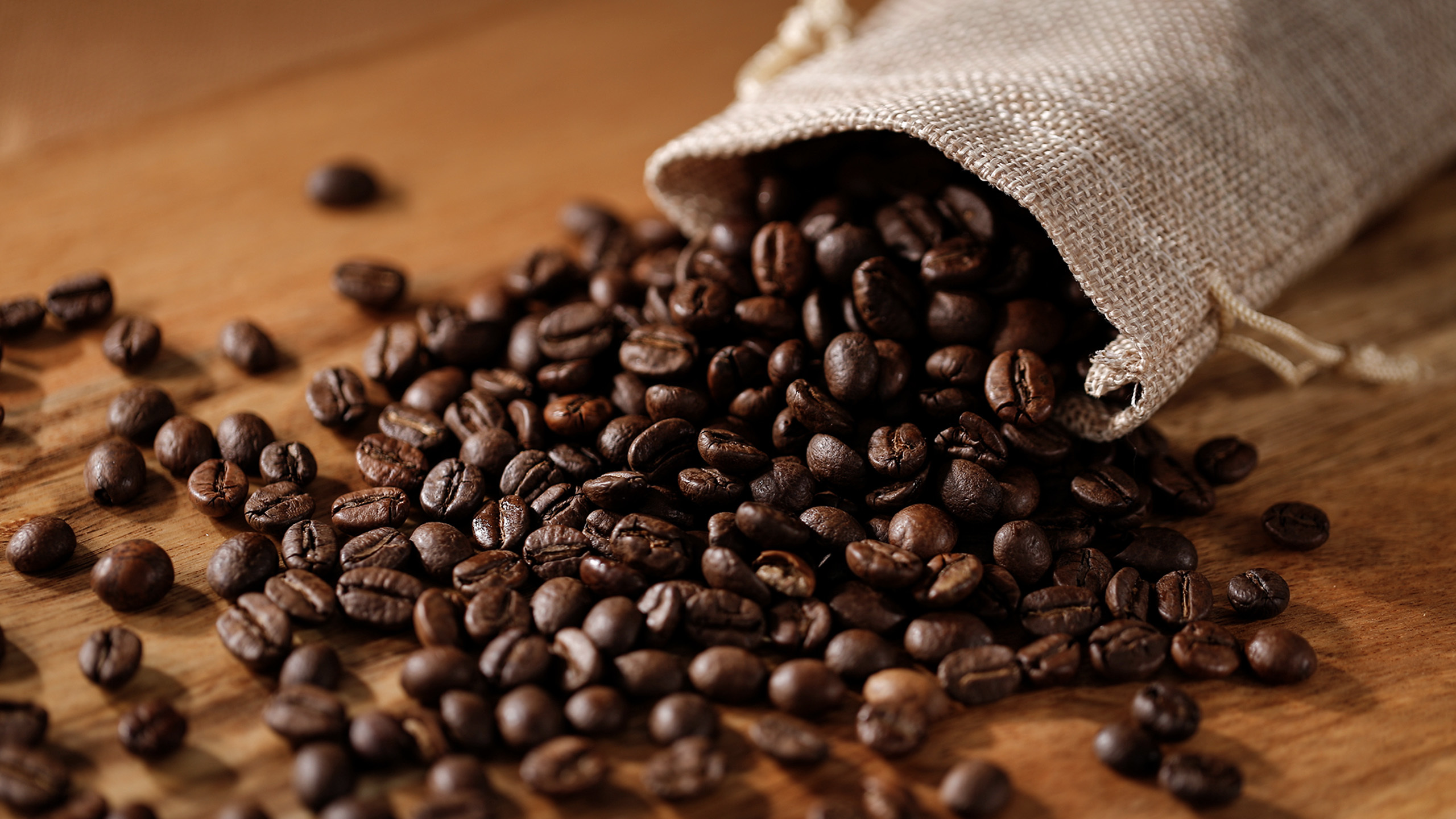
5 signs your freshly roasted coffee beans have gone stale
2026-11-19
Author:
New-start Coffee& Food
Article overview
This guide covers five clear signs that your freshly roasted coffee beans have gone stale, the science behind flavour degradation, and practical storage steps to maximise every bag you buy.
Table of contents
- 1. What "freshly roasted" actually means — and why it matters
- 2. Sign 1: The aroma has gone flat or disappeared entirely
- 3. Sign 2: No bloom when you brew
- 4. Sign 3: The surface looks oily — or bone dry when it shouldn't
- 5. Sign 4: The flavour is dull, bitter, or cardboard-like
- 6. Sign 5: The roast date tells the whole story
- 7. How to store whole bean coffee to slow down staleness
- 8. Frequently asked questions
You open the bag. The smell is there — just barely. You brew your pour-over, expecting that bright, complex cup you remember from last week, and instead you get something flat, slightly bitter, vaguely papery. Freshly roasted coffee beans are defined as whole bean coffee roasted within the past two to four weeks, still actively off-gassing CO₂ and retaining their full volatile aromatic compounds. Once those compounds dissipate, the beans are stale — and no amount of careful brewing will recover what has been lost. So how do you know, definitively, that your beans have crossed that line? There are five reliable signs, and once you learn them, you will never unknowingly brew stale coffee again.
What "freshly roasted" actually means — and why it matters
Freshly roasted coffee beans are whole bean coffee that have been roasted recently — typically within two to four weeks — and still contain active CO₂ and high concentrations of volatile aromatic compounds responsible for flavour and aroma. Understanding this definition is not pedantic; it directly determines whether the cup in your hand will be extraordinary or entirely forgettable.
The coffee roasting process triggers the Maillard reaction and pyrolysis, generating hundreds of volatile organic compounds — the molecules responsible for the floral, fruity, chocolatey, or nutty notes you read on specialty coffee packaging. From the moment a roast ends, those compounds begin to degrade. Oxygen, moisture, heat, and light are the four enemies. Oxygen drives oxidation of lipids and aromatics. Moisture triggers hydrolysis. Heat accelerates both.
Why the UK specialty coffee market makes this especially relevant
The UK has seen a dramatic growth in artisan coffee roasters over the past decade. From London micro-roasters operating small batch coffee roasting operations to independent roasteries in Manchester, Edinburgh, and Bristol, British consumers now have genuine access to premium coffee beans roasted to order. When you buy coffee beans online UK-based roasters typically despatch within 24–48 hours of roasting — a supply chain advantage that supermarket shelves simply cannot match. The problem is that this quality advantage evaporates the moment a bag is left unsealed on a kitchen counter for three weeks.
The optimal freshness window, by roast level
| Roast type | Rest period after roast | Peak flavour window | Stale threshold |
|---|---|---|---|
| Light roast coffee beans | 5–10 days | Day 10–28 | After ~35 days |
| Medium roast coffee | 3–7 days | Day 7–21 | After ~30 days |
| Dark roast coffee beans | 1–3 days | Day 4–14 | After ~21 days |
| Espresso coffee beans | 5–10 days | Day 10–30 | After ~35 days |
Note: Figures represent general industry guidelines under sealed, room-temperature storage. Actual results vary by origin, storage conditions, and packaging type.
Sign 1: The aroma has gone flat or disappeared entirely
The single fastest way to diagnose stale beans is to open the bag and inhale. Stale coffee offers little or nothing — no brightness, no sweetness, no complexity. This is the most immediate and reliable indicator that your freshly roasted coffee is no longer fresh.
Fresh whole bean coffee — especially single origin coffee beans from a reputable craft coffee roaster — releases a rush of volatile aromatics the moment the bag valve is opened. You might detect stone fruit, dark chocolate, citrus peel, or toasted nuts depending on origin and roast profile. These are real, chemically measurable compounds: aldehydes, ketones, furans, and pyrazines generated during the roasting process.
Why aroma disappears so quickly
According to coffee roasting science, the most volatile aromatic fractions — those responsible for the brightest top notes — have half-lives measured in days rather than weeks when exposed to oxygen. Ground coffee beans lose aromatics even faster than whole beans, which is why grinding immediately before brewing is universally recommended by specialty roasters. The cell walls of a whole bean act as a natural barrier; grinding destroys that barrier completely.
The practical sniff test
Take a small handful of beans, press them between your palms to warm them slightly, then bring them close to your nose. Rub gently. Fresh beans will release an immediate aromatic burst. Stale beans produce a muted, almost papery smell — sometimes with a vaguely rancid or musty undertone caused by oxidised lipids. If you have to search for the aroma, it is gone. That is not a coffee you want to brew.

Sign 2: No bloom when you brew
If your pour-over or cafetière produces no bloom — that satisfying domed expansion of the coffee bed when hot water first makes contact — your beans have almost certainly gone stale. The bloom is not aesthetic; it is a direct measure of residual CO₂ content.
During the coffee roasting process, enormous quantities of CO₂ are produced and trapped within the bean's cellular structure. After roasting, that CO₂ slowly off-gasses — which is why fresh specialty coffee bags carry one-way degassing valves. CO₂ serves a protective function, displacing oxygen within the bag. It also drives the bloom during brewing: when CO₂-laden grounds encounter hot water, the gas escapes rapidly, expanding the coffee bed and allowing for more even extraction.
What a healthy bloom looks like — step by step
- Preheat your brewer and rinse the filter with hot water.
- Add freshly ground coffee (grind just before brewing).
- Pour approximately twice the coffee weight in water — e.g., 30ml water for 15g coffee — at around 93–96°C.
- Wait 30–45 seconds. Fresh beans will dome upwards visibly, sometimes doubling in height.
- If the bed remains flat or barely rises, the CO₂ is exhausted. The beans are stale.
- Proceed with the full pour, noting whether extraction looks even or channelled.
Does stale coffee always produce no bloom?
Of course, there are situations where a weak bloom does not automatically mean stale beans. Beans that are too fresh — particularly light roast coffee beans rested for fewer than five days — may bloom aggressively and unevenly due to excess CO₂, producing under-extracted, sour flavours. The ideal is a moderate, controlled bloom from beans within their peak freshness window. No bloom at all, however, is an unambiguous red flag.
"CO₂ content in freshly roasted coffee is one of the most reliable proxies for overall freshness. A flat brew bed tells you, without any other test, that the volatile fraction is largely gone." — Industry consensus among Q-graders and SCA-certified roasters, 2026.
Sign 3: The surface looks oily — or bone dry when it shouldn't
Bean surface appearance is a surprisingly informative staleness indicator, though it requires some context to interpret correctly. The key distinction is whether the oiliness is appropriate for the roast level — or a sign of degradation.
Oiliness as a sign of over-aged dark roasts
Dark roast coffee beans naturally migrate internal lipids to the surface during and shortly after roasting. A light sheen on a dark roast is normal and expected. However, an excessive, almost wet oiliness — combined with a rancid or metallic smell — indicates that those lipids have oxidised. Rancid oils taste deeply unpleasant: bitter, harsh, and lingering. If your dark roast espresso coffee beans look slick enough to leave residue on your palm after a few seconds, they are past their best.
Dryness as a sign of aged light and medium roasts
Conversely, light roast coffee beans and medium roast coffee should have a relatively matte, dry surface. If a bean that was once slightly tactile now looks almost powdery or chalky, moisture loss and oxidation have altered its physical structure. The oils have not migrated to the surface — they have degraded internally. Just like a fresh grape versus a raisin, the structural change reflects lost moisture and volatile content. This analogy is apt: a fresh specialty coffee bean and a stale one are, in chemical terms, genuinely different substances.
Sign 4: The flavour is dull, bitter, or cardboard-like
When all else fails, the cup tells you everything. Stale coffee has a recognisable flavour profile — or rather, a recognisable lack of one. Dullness, harsh bitterness, and a papery or cardboard aftertaste are the hallmarks of oxidised, aged beans.
Why does bitterness increase? As aromatic compounds degrade, they leave behind a flavour landscape dominated by chlorogenic acid lactones and melanoidins — compounds that read as bitter and astringent on the palate. The nuanced sweetness, acidity, and body that define quality single origin coffee beans or well-crafted small batch coffee roasting simply cannot survive oxidation. What remains is a harsh, one-dimensional cup.
How to distinguish stale bitterness from extraction bitterness
Many home brewers assume that bitterness always means over-extraction — too fine a grind, too high a temperature, or too long a brew time. That may be true with fresh beans. With stale beans, however, bitterness persists even after correcting all brew variables. If you have dialled in your grinder, used filtered water at the correct temperature, and followed a proven recipe — and the cup is still harsh and flat — the problem is the beans, not the technique.
A real-world comparison worth running at home
Actual testing confirms the difference starkly. Brewing the same single origin coffee beans at day 14 versus day 45 post-roast, using identical equipment and parameters, produces cups that are almost unrecognisably different. The day-14 cup shows clear fruit acidity and sweetness in the finish. The day-45 cup is flat, bitter, with no discernible origin character. This is not subjective: trained cuppers score such samples ten to fifteen points apart on the SCA 100-point scale. Premium coffee beans deserve to be brewed within their window.
Sign 5: The roast date tells the whole story
The most objective sign of staleness is the coffee roast date printed on the bag — if one is printed at all. This is where UK coffee buyers need to be particularly vigilant, because not all retailers are equally transparent.
Why do so many people overlook this? Because the industry has historically used "best before" dates rather than roast dates, and those "best before" windows are often set at twelve months from production. A bag of coffee that is eleven months old and still within its "best before" date is not fresh by any meaningful measure. It is stale by several months. Responsible artisan coffee roasters UK-wide now print the actual roast date on every bag — and that transparency is itself a trust signal worth seeking out when you buy coffee beans online.
Roast date vs best-before date: understanding the difference
A "best before" date is a food safety and regulatory marker. A roast date is a flavour freshness marker. These are entirely different concepts. Craft coffee roasters who list roast dates are communicating: "We made this for flavour, and flavour has a real-world expiry that matters to us." Supermarket-sourced bags that display only a best-before date — set twelve months out — offer no meaningful freshness information at all. When you are spending £12–£18 per 250g on specialty coffee beans, as is typical in the UK market in 2026, roast date transparency is a reasonable minimum expectation.
What to look for on the label
When purchasing, look for: (1) a roast date within the past 14 days for optimal freshness; (2) a one-way degassing valve on the bag, confirming the roaster understands CO₂ off-gassing; (3) a brief tasting note or origin description, which signals that the roaster cupped and profiled the batch. The global coffee production overview illustrates how diverse origin profiles are — and that diversity only reaches your cup if the beans are genuinely fresh when brewed.
How to store whole bean coffee to slow down staleness
Identifying stale beans is valuable; preventing staleness in the first place is better. Storage is the single biggest variable within a home brewer's control — and most people get it wrong in at least one respect.
The four enemies of freshness — and how to defeat them
Oxygen is the primary villain. Even partial exposure accelerates oxidation dramatically. Always reseal the bag using the integrated tin-tie or fold-and-clip the top down firmly. For longer-term storage, transfer to an airtight, opaque canister with a CO₂ valve. Light degrades aromatic compounds through photo-oxidation — keep beans away from windowsills and transparent containers. Heat accelerates all degradation reactions: a kitchen counter next to the hob is one of the worst possible storage spots. Moisture triggers hydrolysis and can introduce mould. The refrigerator, despite its cool temperature, introduces repeated condensation cycles every time the door opens — avoid it entirely for beans you are actively using.
Practical storage recommendations by purchase size
If you buy 250g at a time and consume it within two weeks, the original sealed bag with a degassing valve — stored in a cool, dark cupboard — is entirely sufficient. If you buy 1kg bags for economy, consider dividing into 250g portions immediately upon arrival: vacuum-seal three portions and store them in a cool, dark space (not the freezer unless you are confident about moisture management), keeping only the active portion accessible. Freezing whole bean coffee is debated within specialty circles, but most UK craft coffee roasters advise against it for home users due to condensation risk on defrosting.
Subscription vs one-off purchases: which keeps beans fresher?
A weekly or fortnightly coffee subscription from a small batch roaster is, in practical terms, the most reliable way to consistently receive freshly roasted coffee. Rather than stockpiling bags, a subscription delivers a quantity matched to your consumption rate, roasted to order and despatched on a fixed schedule. For UK buyers comparing options in 2026, look at the roast-to-despatch interval advertised on the roaster's website. Any figure above 48 hours should prompt further questions. The best operations roast, pack, and post within the same working day.
Key takeaway: The five signs — faded aroma, absent bloom, abnormal surface oiliness, flat or bitter flavour, and an outdated roast date — are your diagnostic toolkit for evaluating any bag of freshly roasted coffee beans before or after purchase. No single sign is definitive in isolation, but two or more together provide a reliable verdict. Buy from transparent roasters, check the coffee roast date, store correctly, and grind only what you need. Those four habits will transform your daily cup.
Frequently asked questions
Q: How long do freshly roasted coffee beans stay fresh after opening?
A: Once opened, freshly roasted coffee beans are best consumed within two weeks, assuming the bag is resealed tightly and stored in a cool, dark, dry environment. Light roast coffee beans may retain character slightly longer than dark roasts, which oxidise faster due to higher surface oil exposure. Grinding accelerates deterioration significantly — always grind immediately before brewing.
Q: Can you use stale coffee beans, or should you discard them?
A: Stale coffee beans are safe to consume — they will not cause illness. The loss is purely flavour-based. Very stale beans can be used for cold brew, which is more forgiving of aged coffee, or for coffee-based cooking and baking. However, for espresso, pour-over, or any method where flavour is the point, stale beans will consistently disappoint.
Q: What is the difference between a roast date and a best-before date?
A: A roast date tells you exactly when the beans were roasted, giving you a precise freshness reference. A best-before date is a food safety marker, typically set 12 months from production, which says nothing meaningful about flavour quality. When buying specialty coffee beans, always prioritise bags that display a roast date rather than — or in addition to — a best-before date.
Q: Why do some fresh beans produce very little bloom?
A: Bloom intensity depends on CO₂ content and grind size. Very fine grinds or very dark roasts that have already off-gassed significantly may produce a weaker bloom even when relatively fresh. Additionally, beans rested beyond 30 days will naturally bloom less. If your medium or light roast beans produce no visible bloom on a standard pour-over grind, staleness is the most probable cause.
Q: Is it better to buy whole bean coffee or pre-ground for freshness?
A: Whole bean coffee stays fresh considerably longer than ground coffee beans. Grinding increases surface area by roughly 10,000 times, exposing far more of the coffee's structure to oxygen. Ground coffee can go noticeably stale within 15–30 minutes of grinding at room temperature. For home use, investing in a burr grinder and buying whole beans is the single most impactful change a UK coffee drinker can make for cup quality.
Previous Page:
Contact Us Now
We will contact you within one working day. Please pay attention to your email.

Cell phone:
Mail:
Company Address
Building 11, M60 Creative Park, Puji Road, Wuhua District, Kunming ,Yunnan , China


MESSAGES
We will contact you within one working day. Please pay attention to your email.