
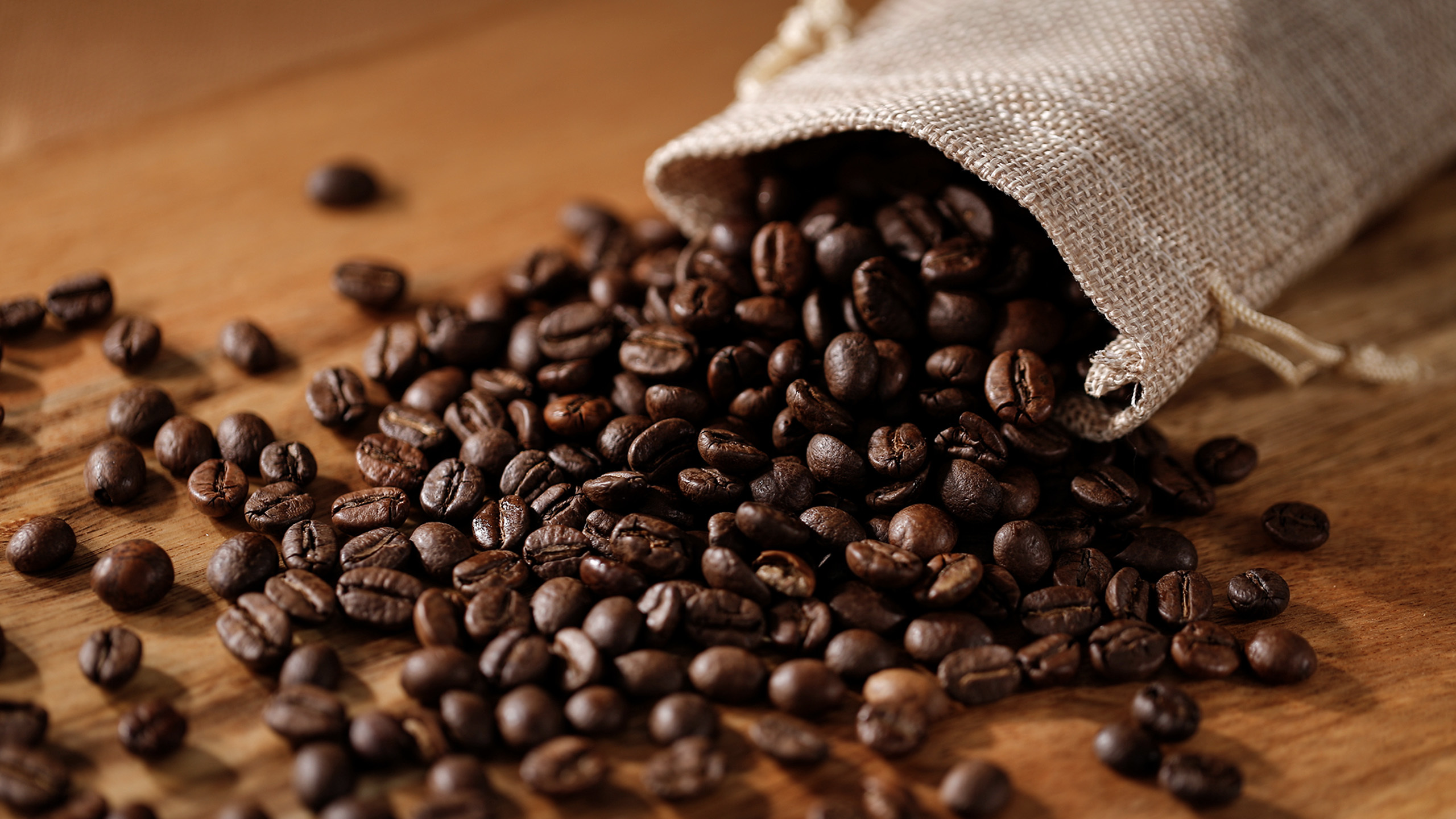
Bulk coffee instant buying guide: types, suppliers, and cost tips
2026-07-01
Author:
New-start Coffee& Food
Article overview
This guide addresses every major decision point in buying bulk coffee instant for US commercial and personal use in 2026. You will find side-by-side processing comparisons, a cost-per-serving table, storage protocols, specialty sourcing options, segmented use-case recommendations, and a practical supplier vetting checklist — all in one consolidated resource.
Table of contents
- 1. What is bulk coffee instant?
- 2. Freeze-dried vs. spray-dried: the processing difference that matters
- 3. Cost-per-cup breakdown: bulk sizes compared
- 4. Storage and shelf life best practices for bulk instant coffee
- 5. Specialty and single-origin bulk instant coffee options
- 6. Use-case guide: offices, foodservice, camping, and emergency prep
- 7. How to choose a bulk instant coffee supplier
- 8. Frequently asked questions
What is bulk coffee instant?
Bulk coffee instant is any purchase of soluble coffee — in powder, granule, or single-serve packet form — at a quantity that qualifies for wholesale or volume pricing, typically 24 units or more, or package weights exceeding 1 lb (approximately 450 g) per container. At that threshold, per-serving costs drop meaningfully, and the economics of large-scale purchasing begin to work in the buyer's favor.
The category is broader than most buyers initially assume. It spans commodity spray-dried instant coffee powder bulk products priced below $0.10 per serving, all the way to premium single-origin freeze-dried instant coffee granules targeting specialty coffee consumers at $0.60 or more per cup. The defining characteristic is not flavor tier or format — it is procurement scale and the pricing structure that comes with it.
Bulk coffee instant is defined as: any soluble coffee product — including instant coffee powder bulk, freeze-dried instant coffee granules, coffee crystals bulk, and instant coffee packets wholesale — purchased at volume quantities that unlock per-unit pricing below standard retail rates.
Why does this distinction matter operationally? Consider a 50-person office. At retail pricing, a standard 3.5 oz jar of instant coffee covers roughly 50 servings at $0.25–$0.35 per cup. Switching to a wholesale instant coffee program — whether through Amazon Business, Costco, or a dedicated bulk beverage supplies distributor — can cut that figure to $0.08–$0.18 per serving. Over a full calendar year, the savings are substantial. The math is not complicated. What trips up many buyers is failing to account for format, storage, and supplier reliability alongside the headline price.
Key product formats in the bulk coffee instant category
The instant coffee market in 2026 segments into five commercially distinct formats. Spray-dried powder is the highest-volume, lowest-cost option — produced by atomizing liquid coffee concentrate through heated air until only fine soluble particles remain. Freeze-dried granules preserve more aromatic compounds through low-temperature sublimation and carry a premium price. Agglomerated coffee granules are a spray-dried base that has been re-wetted and re-dried to create larger, more visually appealing clusters. Liquid coffee concentrate serves foodservice and ready-to-drink applications. Functional instant blends incorporate added ingredients such as collagen, adaptogens, or probiotics and represent the fastest-growing sub-segment in 2026.
Who buys bulk instant coffee in the US?
The primary buyer segments are office procurement managers sourcing for employee pantries, foodservice operators seeking a low-labor hot beverage solution, outdoor and camping retailers or enthusiasts stocking lightweight provisions, emergency preparedness planners building multi-month food supplies, and hospitality operators needing consistent, scalable in-room coffee service. Each segment weighs price, format, shelf life, and caffeine consistency differently — which is precisely why a one-size-fits-all purchasing approach frequently underdelivers.
Freeze-dried vs. spray-dried: the processing difference that matters
Of all the decisions in a bulk coffee instant purchase, processing method has the single largest impact on flavor quality, caffeine retention, and long-term shelf stability — yet it receives the least attention in most procurement conversations. Here is a plain-language breakdown that US buyers can act on immediately.
Spray-dried instant coffee: economics and trade-offs
Spray-dried instant coffee powder is produced by brewing a concentrated liquid coffee extract, then forcing it through a nozzle into a chamber of hot, dry air at temperatures typically between 392°F and 480°F (200°C–250°C). The rapid evaporation leaves behind fine, hollow soluble coffee particles. The process is fast, energy-efficient, and scalable — which is why it dominates commodity-grade coffee mix bulk and high-volume foodservice applications.
The trade-off is flavor. Exposure to high heat during atomization volatilizes the lighter aromatic compounds responsible for coffee's nuanced top notes. What remains is a beverage with a clean, straightforward bitterness and moderate body — serviceable for high-volume environments where consistency matters more than complexity. Caffeine content holds reasonably well through the spray-drying process, with typical values ranging from 50–70 mg per 6 oz serving, depending on the coffee-to-water ratio and source bean blend.
Shelf life for sealed spray-dried products typically runs 18–24 months. Once opened, oxidation begins immediately. In practice, an opened container in a humid office environment can lose perceptible flavor quality within two to three weeks — a point we will return to in the storage section.
Freeze-dried instant coffee: the premium alternative
Freeze-dried instant coffee bulk products follow a fundamentally different production pathway. Brewed coffee extract is first frozen into a solid mass, then placed in a vacuum chamber where pressure is reduced to the point that ice converts directly to vapor — a process called sublimation — without passing through a liquid phase. Because temperatures stay well below freezing throughout the drying cycle, the volatile aromatic compounds that give specialty coffee its character are preserved rather than destroyed.
The result is measurable. High-quality freeze-dried instant coffee can retain upward of 80% of the volatile aromatic compounds present in freshly brewed coffee, according to industry processing data. That translates directly to a cup profile that is noticeably more complex, with perceptible brightness, fruit notes in arabica-forward blends, and a cleaner finish than spray-dried equivalents. Caffeine retention is also marginally higher, typically 60–80 mg per 6 oz serving.
Freeze-dried products cost 20–40% more per serving and carry a shelf life of 24–36 months sealed. They are the preferred format for hospitality, premium office settings, and any environment where the quality of the cup is a perceptible differentiator.
"The freeze-drying process is not just a preservation technique — it is a flavor engineering decision. Buyers who default to spray-dried purely on cost often underestimate how much of their per-serving savings they lose in product waste when employees reject the cup quality." — Industry consensus among US specialty coffee procurement analysts, 2026

Of course, there are situations where spray-dried is genuinely the right call. Emergency preparedness stockpiles, high-volume break rooms where speed and cost dominate, and single-serve instant coffee bulk packets for outdoor use cases where weight matters — these all favor spray-dried economics. The key is matching the format to the actual use case rather than defaulting to one or the other.
Cost-per-cup breakdown: bulk sizes compared
Price-per-ounce is a misleading metric for instant coffee procurement. The number that actually matters is cost-per-serving — and that figure shifts dramatically across bulk sizes, formats, and purchasing channels. The table below provides 2026 benchmark data across the most common configurations available to US buyers.
| Product / format | Package size | Approx. servings | Cost per serving (USD) | Processing | Best channel |
|---|---|---|---|---|---|
| Folgers Instant (spray-dried) | 12 oz jar | ~170 | $0.09–$0.11 | Spray-dried | Amazon Business, Sam's Club |
| Nescafé Clásico (spray-dried) | 7 oz × 6-pack | ~600 | $0.10–$0.13 | Spray-dried | Amazon Business, Costco |
| Kirkland Signature instant (Starbucks-sourced) | 3.53 oz × 3-pack | ~150 | $0.14–$0.18 | Freeze-dried | Costco |
| Mount Hagen Organic (freeze-dried) | 3.53 oz jar | ~50 | $0.28–$0.36 | Freeze-dried | Amazon, Whole Foods |
| Starbucks VIA (single-serve packets) | 50-count box | 50 | $0.42–$0.55 | Micro-ground / freeze-dried | Amazon Business, Starbucks B2B |
| Generic spray-dried #10 can (foodservice) | 5 lb (#10 can) | ~1,100 | $0.06–$0.09 | Spray-dried | Restaurant Depot, WebstaurantStore |
A few observations from the data above. The jump from a 12 oz retail jar to a 5 lb foodservice #10 can cuts cost per serving nearly in half for spray-dried formats. Amazon's Subscribe & Save program typically layers an additional 15–20% discount on top of standard instant coffee packets wholesale pricing — with no minimum order quantity or business registration required, making it genuinely accessible to small offices and individuals. For procurement teams managing 30-plus daily users, engaging a dedicated bulk coffee supplier directly and negotiating case pricing often yields the most favorable total cost.
When freeze-dried is worth the premium
Run the numbers this way: a 50-person office serving two cups per employee per day consumes roughly 36,500 servings per year. At a $0.09 spray-dried rate versus $0.18 freeze-dried, the annual delta is $3,285. Whether that premium is justified depends entirely on whether cup quality affects employee satisfaction, retention, or client perception. In many professional service environments — law firms, design agencies, client-facing hospitality — it demonstrably does.
Decaf options and caffeine transparency
Caffeine content ranks among the most requested but least documented data points for US office procurement managers. Most commodity spray-dried blends carry 50–70 mg of caffeine per 6 oz serving; freeze-dried arabica blends typically run 60–80 mg. Decaf instant coffee in bulk format is commercially available through Amazon Business and foodservice distributors — look specifically for Swiss Water Process decaffeinated labeling if residual solvent concerns are relevant to your organization's wellness policies. Stocking at least one caffeinated and one decaf option meaningfully reduces friction in mixed-preference environments.
Storage and shelf life best practices for bulk instant coffee
Buying large-quantity instant coffee without a sound storage protocol is like purchasing a bulk supply of fresh produce with no refrigeration plan. The coffee will not spoil in a way that creates a food safety hazard — but oxidation and moisture absorption degrade flavor rapidly, turning a cost-saving procurement decision into a waste-generating one.
Shelf life by format: sealed and opened
Sealed freeze-dried instant coffee bulk containers last 24–36 months from production date. Sealed spray-dried instant coffee powder bulk lasts 18–24 months. Both figures assume storage at ambient temperature, away from direct light and humidity sources. Once opened, the practical quality window for both formats is 2–3 weeks under typical US indoor conditions — significantly shorter than the "use by" date on the label would suggest.
Why such a sharp drop-off after opening? Soluble coffee particles have an extremely high surface-area-to-mass ratio, which makes them exceptionally efficient at absorbing atmospheric moisture and oxygen. A container left open on a break room counter in a humid climate can develop noticeable flavor degradation — characterized by flat, stale, or muted aromatics — within days.
Practical storage protocol for bulk buyers
- Transfer to airtight containers immediately after opening. The original HDPE jar or foil bag is optimized for sealed shelf life, not repeated daily access. A food-grade airtight canister with a silicone gasket dramatically extends post-opening quality.
- Store at 60–70°F (15–21°C). Avoid placement near coffee machines, microwaves, or any heat-generating appliance. Temperature fluctuation accelerates moisture migration inside the container.
- Keep relative humidity below 60%. In humid climates — the Gulf Coast, Southeast US, Pacific Northwest in winter — consider adding a food-safe desiccant packet inside the storage canister.
- Avoid refrigerating or freezing opened containers. Counter-intuitive but well-supported: taking a cold container into a warm room generates condensation directly on the coffee particles, which accelerates clumping and off-flavor development faster than ambient storage.
- Label every container with the opening date. For offices managing multiple jars, FIFO (first in, first out) rotation prevents older stock from sitting behind newer purchases.
- Verify the production date, not just the expiration date. Instant coffee powder bulk product near the end of its shelf window may still be technically "in date" but deliver noticeably degraded flavor. Request production date disclosure from your bulk coffee supplier as a standard term.
For offices receiving pallet-level or case-level shipments, designating a dedicated dry storage area — separate from cleaning supplies and away from odor-generating materials — is essential. Soluble coffee is highly susceptible to odor absorption, a property that makes co-storage with strong-smelling products a genuine quality risk.
Specialty and single-origin bulk instant coffee options
For years, the bulk coffee instant category was effectively synonymous with commodity blends — high-robusta, spray-dried, optimized for cost and volume rather than flavor distinction. That gap has closed considerably in 2026. The specialty instant segment — defined by single-origin traceable arabica sourcing, freeze-drying production, and third-wave positioning — is growing at more than 15% annually, attracting consumers who previously dismissed the category entirely.
Colombian and Ethiopian single-origin options
Colombian single-origin freeze-dried instant coffee offers buyers a reliable entry point into the specialty tier. Colombian arabica's balanced acidity, mild caramel sweetness, and medium body translate well through the freeze-drying process, making origin character perceptible even in instant format. Several brands now offer instant coffee brands wholesale configurations for Colombian-origin products — including Intelligentsia, Sudden Coffee (acquired and reformatted), and newer direct-trade entrants operating primarily through Amazon Business and specialty food distributors.
Ethiopian single-origin instant coffee represents a more distinctive option. Ethiopian arabica — particularly from the Yirgacheffe and Sidamo regions — carries pronounced floral and citrus notes that freeze-drying preserves to a remarkable degree. For premium office environments, hospitality properties, or any organization seeking to communicate a quality-forward brand identity through beverage service, Ethiopian freeze-dried instant coffee in bulk format is a genuinely compelling proposition. Expect to pay a 25–35% premium over conventional bulk instant coffee brands, with typical cost-per-serving in the $0.45–$0.65 range at wholesale quantities.
What to look for in specialty bulk instant coffee
Sourcing terminology matters here. "Single-origin" on an instant coffee label should be supported by traceable lot documentation — region, cooperative or estate, harvest year, and processing method at origin (washed, natural, honey). Without that documentation, the label is marketing rather than supply chain transparency. Reputable specialty bulk coffee suppliers operating in the US market will provide a Certificate of Analysis (COA) and, increasingly, a QR-code-linked traceability page as standard practice.
It is also worth noting that high-robusta blends from Vietnam or Indonesia — common in commodity spray-dried products — cannot carry specialty-grade labeling under Specialty Coffee Association (SCA) scoring criteria. The distinction is not snobbery; it is a functional guide to flavor expectations and buyer alignment.
For according to instant coffee production and types, commercial soluble coffee technology has advanced dramatically in aroma retention since early-twentieth-century production methods, making today's freeze-dried specialty products genuinely competitive with entry-level brewed coffee in sensory evaluations.
Use-case guide: offices, foodservice, camping, and emergency prep
Why do so many buyers end up with the wrong bulk coffee instant product? Because they optimize for a single variable — usually price — without mapping that choice to their actual use case. The four primary US buyer contexts have meaningfully different requirements.
Office pantry procurement
For most US offices serving fewer than 30 people daily, bulk instant coffee powder wins on total cost and operational simplicity — no equipment investment, no maintenance, no grind-dose-tamp workflow. Nescafé Clásico or Folgers Instant in 7–12 oz multi-packs via Amazon Business or Costco represents the best balance of cost, reliability, and general palatability for standard office environments.
Offices with quality-conscious teams — or those in industries where coffee quality signals professional standards — should consider Jacobs Kronung or Mount Hagen freeze-dried formats at a modest premium. The key operational detail: for offices serving more than 30 people daily, evaluating a professional brewer setup alongside instant coffee options makes financial sense. Below that threshold, instant coffee for offices consistently wins on total cost of ownership.
Foodservice and restaurant back-of-house
Restaurant and foodservice operators have a specific requirement set: speed of service, consistency across shifts, minimal labor involvement, and COGS (cost of goods sold) predictability. Generic spray-dried #10 cans from foodservice distributors such as Restaurant Depot or WebstaurantStore address all four. At $0.06–$0.09 per serving, the economics are compelling for back-of-house applications — staff coffee service, banquet setups, or as a base for coffee-flavored recipes and desserts.
Liquid coffee concentrate is an alternative worth evaluating for high-volume foodservice. It eliminates measuring and dissolving steps entirely and delivers consistent strength across every serving — effectively functioning as an industrial-scale single-serve instant coffee bulk solution. MOQs are higher and refrigeration is required, but for operations exceeding 200 coffee servings per day, the operational efficiency gains can offset the cost premium.
Outdoor, camping, and high-altitude use
Freeze-dried single-serve instant coffee bulk packets are the practical standard for outdoor use. They weigh under 3 grams per serving, require no equipment whatsoever, and dissolve effectively in both hot and cold water — a genuine advantage at altitude where boiling point drops and brewing quality suffers. Alpine Start and Starbucks VIA are the most recognized US options in this segment, both available in 25-count and 50-count bulk configurations. Is there a better option for a mountaineering expedition or ultralight backpacking trip? Realistically, no. The format was effectively engineered for exactly this context.
Emergency preparedness and long-term storage
Emergency preparedness planning introduces shelf life as the dominant variable. Freeze-dried instant coffee in #10 cans — the same format used for long-term food storage — delivers 24–36 months of sealed shelf life and integrates cleanly into FEMA-recommended 72-hour kit protocols and longer-term household supply strategies. At roughly $0.06–$0.10 per serving in commodity grade, the cost is negligible relative to the preparedness value. Rotate stock annually and track production dates as standard practice.
How to choose a bulk instant coffee supplier
The supplier landscape for bulk instant coffee in the US operates across three distinct tiers, each serving a different buyer profile and order scale.
The three main procurement channels
Tier 1 — Club stores and mass retail: Costco and Sam's Club are the most accessible entry point for bulk instant coffee brands in the US. Both carry Folgers, Nescafé, and Starbucks VIA in multi-pack configurations, with Costco's Kirkland Signature instant coffee offering exceptional value at approximately $0.14–$0.18 per serving. No business registration is required beyond a membership. This channel suits buyers needing 1–50 lb per month with minimal lead time.
Tier 2 — Amazon Business and e-commerce wholesale: Amazon Business unlocks quantity-tiered pricing, tax-exempt purchasing, and business analytics across the full range of instant coffee packets wholesale listings. Subscribe & Save yields an additional 15–20% discount on recurring orders with zero minimum order requirement. This is the most flexible channel for office procurement managers who need reliable replenishment without committing to distributor MOQs.
Tier 3 — Direct bulk coffee suppliers and distributors: For buyers exceeding 100 lb per month — or organizations seeking private-label or co-development programs — direct engagement with a bulk coffee supplier is the appropriate channel. Entry-level private-label programs from established instant coffee manufacturers typically carry MOQs of 500 kg to 2,000 kg per SKU. Co-development programs for functional instant coffee blends (adaptogens, collagen, probiotics) involve higher MOQs and longer lead times but deliver proprietary formulations that cannot be replicated by competitors purchasing from the same distributor.
Supplier vetting checklist
Before committing to a recurring bulk order from any supplier, run through the following evaluation steps. Request a product sample — flavor consistency matters, especially for freeze-dried instant coffee bulk products where batch-to-batch variance can be significant among lesser-known brands. Confirm the production date and lot traceability, not just the expiration date. Ask for a Certificate of Analysis covering moisture content, caffeine concentration, and microbiological standards. Verify that the supplier can provide documentation for any sustainability or origin claims on the label — particularly relevant for specialty and single-origin bulk instant coffee positioning. Finally, assess minimum order flexibility: a supplier unwilling to accommodate trial orders is a supply chain risk for a new procurement relationship.
Packaging sustainability is an emerging consideration. The dominant packaging format for instant coffee powder bulk remains the HDPE plastic jar — functional, moisture-resistant, and cost-effective — but it generates significant waste at scale. A 50-person office consuming one 7 oz jar per week produces 52 plastic jars annually. Suppliers offering compostable or refillable bulk packaging formats are entering the US market, though with meaningful cost premiums. For organizations with published sustainability commitments, this variable belongs in the supplier evaluation matrix.
Frequently asked questions
Q: What is the best instant coffee for bulk office use?
A: For most US offices, Nescafé Clásico or Folgers Instant in 7–12 oz multi-packs via Amazon Business or Costco represents the best balance of cost, reliability, and palatability. Quality-conscious office environments should consider Mount Hagen or Jacobs Kronung freeze-dried formats at a modest per-serving premium.
Q: Is bulk instant coffee suitable for outdoor and camping use?
A: Freeze-dried single-serve instant coffee bulk packets are the standard choice for outdoor use. They weigh under 3 grams per serving, require no equipment, and dissolve in cold or hot water. Alpine Start and Starbucks VIA are the leading US options for this context, available in 25- and 50-count bulk formats.
Q: Can I get a bulk discount without a business account?
A: Yes. Costco membership and Amazon's Subscribe & Save program both provide meaningful bulk discounts with no formal business account required. Subscribe & Save typically yields 15–20% off standard instant coffee packets wholesale pricing on eligible listings.
Frequently asked questions
Q: How long does bulk instant coffee last after opening?
A: Once opened, both freeze-dried and spray-dried instant coffee formats should be consumed within 2–3 weeks for optimal flavor. Store in an airtight container at 60–70°F, away from heat and humidity. Sealed freeze-dried products last 24–36 months; sealed spray-dried lasts 18–24 months.
Q: What is the difference between freeze-dried and spray-dried instant coffee?
A: Spray-dried instant coffee is produced using high heat, which reduces aromatic complexity and results in a lower cost per serving ($0.06–$0.13). Freeze-dried instant coffee uses low-temperature sublimation, retaining up to 80% of volatile aromatics, at a 20–40% higher per-serving cost. Format selection should match the quality expectations of the end user.
Q: Does buying in bulk affect instant coffee quality?
A: No. Quality is determined by processing method, source bean quality, and roast profile — not by purchase quantity. Bulk buying reduces per-serving cost without inherently changing the product formulation. The risk to quality lies in improper storage after purchase, not in the procurement volume itself.
Q: Are there specialty or single-origin options in bulk coffee instant?
A: Yes. Colombian and Ethiopian single-origin freeze-dried instant coffee in bulk format is available through Amazon Business and specialty food distributors in 2026. Expect a 25–35% cost premium over commodity blends, with per-serving costs in the $0.45–$0.65 range at wholesale quantities. Look for traceable lot documentation to verify origin claims.
Q: What packaging format is best for bulk instant coffee storage?
A: The standard HDPE plastic jar is moisture-resistant and cost-effective for sealed storage. After opening, transfer contents to a food-grade airtight canister with a silicone gasket. For long-term emergency preparedness use, sealed #10 cans deliver optimal shelf life of 24–36 months and are the industry standard for extended dry-goods storage.
Final takeaway
When you decide to purchase bulk coffee instant, the decision involves considerably more than scanning for the lowest price per ounce. Processing method selection, caffeine and decaf requirements, storage infrastructure, channel reliability, and sustainability credentials all influence the total value equation. A $0.06-per-serving spray-dried product that sits in a humid break room until it tastes stale is not cheaper than a $0.18 freeze-dried product consumed consistently at peak quality — it simply wastes money more slowly.
The 2026 bulk coffee instant market offers genuine options at every price point and quality tier, from commodity foodservice #10 cans to traceable Ethiopian single-origin freeze-dried granules in wholesale packaging. Match the format to the use case, vet your supplier on production date transparency and batch consistency, and build a storage protocol before the first shipment arrives. Those three steps will outperform any headline price comparison in delivering actual value over the course of a procurement cycle.
Previous Page:
Contact Us Now
We will contact you within one working day. Please pay attention to your email.

Cell phone:
Mail:
Company Address
Building 11, M60 Creative Park, Puji Road, Wuhua District, Kunming ,Yunnan , China


MESSAGES
We will contact you within one working day. Please pay attention to your email.