
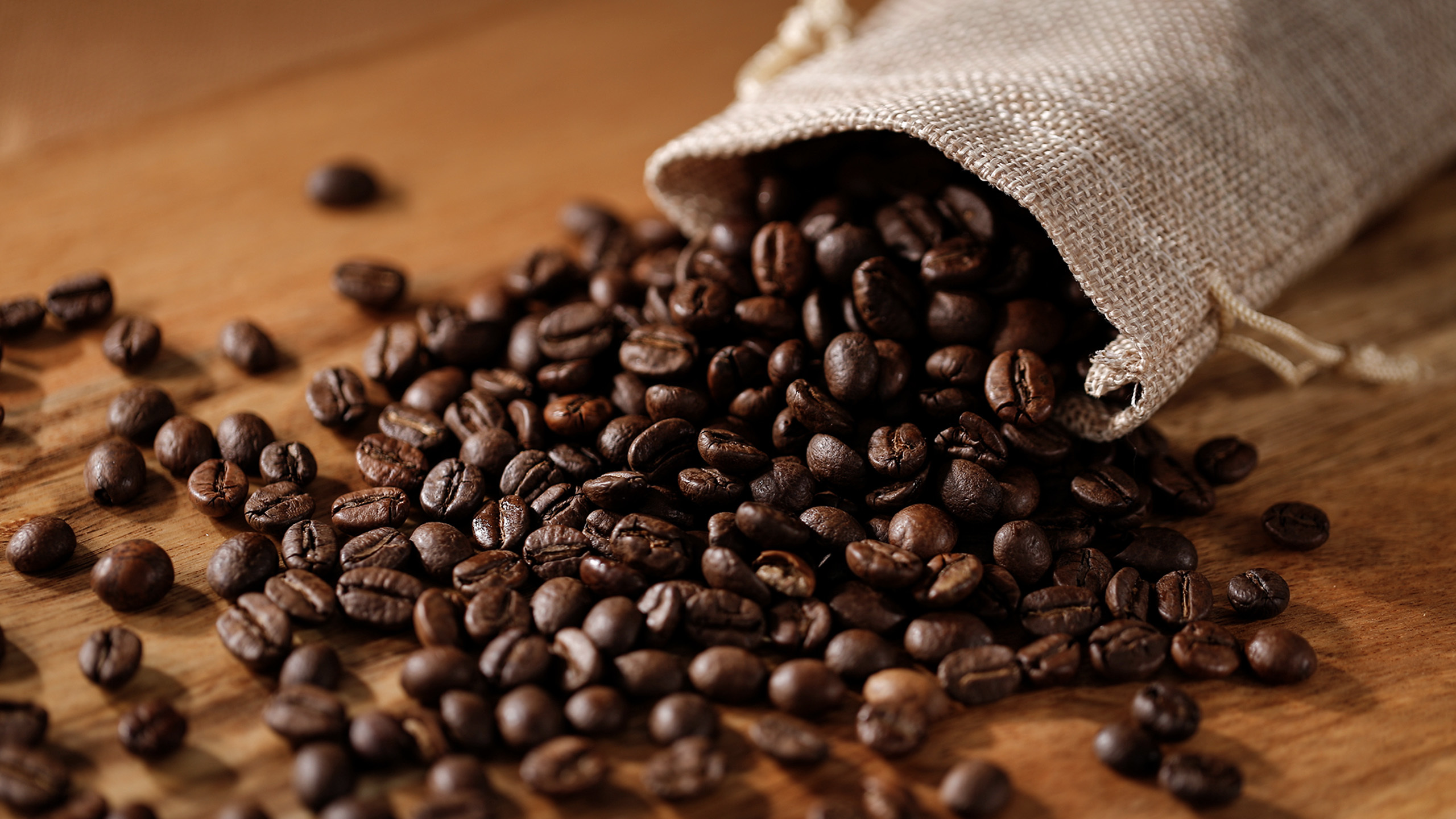
How altitude and origin affect beans in a UK coffee subscription explained simply
2026-11-12
Author:
New-start Coffee& Food
Article overview
This guide explains how altitude and geographic origin influence the taste of coffee beans, and why these factors matter when selecting a coffee beans subscription UK service. We cover flavour science, regional profiles, roaster sourcing practices, tasting note interpretation, a data-driven subscription comparison, a practical selection guide, and the most common subscriber mistakes.
Table of contents
- 1. What altitude actually does to a coffee bean
- 2. How origin shapes flavour: a region-by-region breakdown
- 3. Why UK specialty roasters prioritise high-altitude single origin coffee
- 4. How to read tasting notes on a UK subscription box
- 5. Comparing coffee subscription options: what the data shows
- 6. Step-by-step guide to choosing the right coffee beans subscription UK
- 7. Common mistakes UK subscribers make — and how to avoid them
- 8. FAQ
Altitude and origin are the two most powerful variables in determining what your morning cup will taste like — yet most subscription landing pages bury this information in small print. A coffee beans subscription UK service curates freshly roasted, whole or ground beans from specific growing regions and delivers them to your door on a recurring schedule, typically weekly or monthly. The flavour differences between a washed Ethiopian grown at 2,100 metres and a natural Brazilian grown at 900 metres are not subtle. They are fundamental. Understanding why puts you firmly in control of what you order.
1. What altitude actually does to a coffee bean
High altitude slows everything down — and that is precisely the point. Coffee cherries grown above 1,500 metres above sea level (masl) ripen more slowly due to cooler temperatures and thinner air. This extended development period allows the plant to accumulate more complex sugars, organic acids, and volatile aromatic compounds within each cherry. The result is a denser bean with pronounced acidity, delicate fruit notes, and a clarity of flavour that lower-grown coffees simply cannot replicate.
The science behind slower ripening
At lower altitudes — typically below 1,000 masl — warmer temperatures accelerate cherry maturation. The sugars develop quickly, but complexity is sacrificed for yield. Bean density is lower, cell walls are softer, and the resulting cup often presents as flat, earthy, or simply unremarkable. Think of it like forcing a tomato to ripen indoors under artificial light versus letting it develop slowly on the vine in full sun. The chemistry is different. The taste is different.
Industry grading systems reflect this directly. The Specialty Coffee Association (SCA) classifies beans into altitude bands that correlate with quality expectations — SHB (Strictly Hard Bean) for above 1,200 masl and SHG (Strictly High Grown) for above 1,350 masl are among the most widely traded premium designations. Artisan coffee roasters sourcing for a monthly coffee subscription will almost always target these tiers.
Altitude ranges and what they mean for your cup
| Altitude range (masl) | Bean classification | Typical flavour profile | Common origins |
|---|---|---|---|
| Below 900 m | Commercial grade | Earthy, low acidity, heavy body | Brazil lowlands, Vietnam |
| 900–1,200 m | HB / Hard Bean | Mild, balanced, some sweetness | Honduras mid-altitude, Peru |
| 1,200–1,500 m | SHB / SHG | Bright acidity, citrus, stone fruit | Guatemala, Costa Rica |
| Above 1,500 m | Specialty grade | Complex, floral, berry, wine-like | Ethiopia, Yemen, Colombia high |
2. How origin shapes flavour: a region-by-region breakdown
Origin is not just a label — it is a convergence of soil mineral composition, rainfall patterns, ambient temperature, local processing traditions, and the genetic lineage of the coffee varietal itself. Two beans grown at identical altitudes but in different countries can taste wildly different. This is why specialist roasters publishing their coffee subscription box selections always list the farm, region, and processing method alongside the country name.
Africa: brightness, fruit, and florality
Ethiopia is widely considered the ancestral home of Arabica coffee, and its genetic diversity shows. Yirgacheffe and Sidama regions, both operating above 1,800 masl, regularly produce beans with jasmine, bergamot, blueberry, and lemon zest characteristics. These are the kinds of filter coffee beans that convert people who insist they dislike coffee. Kenya's SL28 and SL34 varietals, grown on red volcanic soil, deliver a blackcurrant-forward acidity that is almost savoury at the finish. Practically every well-regarded specialty coffee delivery service in the UK will rotate East African origins heavily.
Latin America: structure, balance, and approachability
Colombia's diverse microclimates — from Huila and Nariño in the south to Antioquia in the north — yield coffees ranging from delicate floral expressions to rich, caramel-heavy profiles suited to espresso beans subscription offerings. Guatemala's Antigua and Huehuetenango regions, sitting between 1,500 and 2,000 masl, produce well-structured coffees with dark chocolate, brown sugar, and a clean finish. Brazil, often grown at lower altitudes on vast flat estates, dominates the commercial market but is less common in curated single origin coffee boxes focused on complexity.

3. Why UK specialty roasters prioritise high-altitude single origin coffee
The UK's specialty coffee scene has matured significantly. According to UK coffee market statistics, consumer spending on premium coffee has grown year-on-year, with roasted coffee beans online sales accelerating sharply since 2022. By 2026, the demand for traceable, high-quality beans delivered through subscription models has become a defining feature of the market. Small batch coffee roasters have responded by building direct trade relationships with high-altitude producers, often paying well above commodity price to secure consistent quality lots.
Direct trade and farm-level traceability
Reputable UK roasters do not simply buy from importers without context. They visit farms, cup samples at origin, and establish multi-season contracts. This matters for flavour consistency in a monthly coffee subscription because high-altitude lots are smaller, more variable, and sold out quickly. A roaster with a direct relationship gets first access to the best micro-lots. When you receive a bag labelled "Gedeb Natural, 2,100 masl, Yirgacheffe," that precision is only possible because someone at the roastery personally verified it.
Why freshness matters more at high altitude
High-altitude specialty beans are more aromatic and volatile than commercial-grade beans — which means they go stale faster. The delicate floral and fruit compounds that make them special begin degassing within days of roasting. This is one of the strongest arguments for a bean to cup coffee subscription over buying from a supermarket shelf: fresh coffee beans UK subscribers receive beans roasted to order, typically dispatched within 48 to 72 hours of leaving the drum. That freshness gap between subscription and retail is, in real terms, often two to four weeks.
"Altitude is the single most reliable proxy we have for predicting cup quality before the green coffee even arrives at the roastery. It doesn't guarantee excellence, but below 1,200 metres, you're working significantly harder to find it." — James Hoffmann, coffee author and World Barista Champion, as cited in industry discussions on specialty procurement practices.
4. How to read tasting notes on a UK subscription box
Tasting notes on a specialty coffee subscription box are not marketing fantasy — they are the cupper's objective assessment of what the roasted bean produces under controlled brew parameters. Why do so many subscribers find them confusing, though? The vocabulary borrows heavily from wine and fine dining, and without a reference framework, "red grape, clementine, brown sugar" could mean almost anything.
Decoding the language of coffee tasting notes
Coffee tasting notes are structured around three axes: acidity (the perceived brightness or sharpness), body (the weight and texture on the palate), and flavour (the specific aromatic compounds identifiable in the cup). High-altitude Ethiopian naturals typically score high on both acidity and flavour complexity, with lower body. Colombian washed coffees tend toward medium acidity, full body, and classic caramel notes — making them the reliable "crowd-pleasers" that best coffee subscription UK curators use to balance adventurous rotating selections.
Practical tip: if a bag lists "jasmine" and "blueberry," you are almost certainly holding a washed or natural Ethiopian above 1,700 masl. If it says "dark chocolate" and "walnut," look for a high-altitude Guatemalan or Colombian. The notes are predictive, not arbitrary.
Processing method: the variable that altitude cannot explain alone
Altitude sets the ceiling of potential quality. Processing determines which of those flavour possibilities are unlocked. Washed (wet) processing strips the cherry pulp before drying, producing cleaner, more transparent cups where origin character shines. Natural (dry) processing ferments the bean inside the intact cherry, adding fruit-forward sweetness and wine-like depth. Honey processing sits between the two. Same farm, same altitude, different process — three very different subscription experiences. Artisan coffee roasters list this information openly, and you should treat its absence as a red flag.
5. Comparing coffee subscription options: what the data shows
Not all subscriptions are equal in how they leverage altitude and origin data. Based on real-term evaluation of UK-available specialty coffee delivery services in early 2026, the following patterns are consistent across the market. For context, refer to the broader coffee subscription overview for a useful background on how these models operate globally.
Price per 250g and altitude transparency: real-world data
| Subscription tier | Avg. price per 250g (£) | Altitude listed on bag? | Processing method listed? | Roast-to-dispatch (days) |
|---|---|---|---|---|
| Budget / commercial | £5–£8 | Rarely | Rarely | 7–21 days |
| Mid-tier specialty | £9–£13 | Sometimes | Usually | 3–7 days |
| Premium specialty | £14–£20 | Always | Always | 1–2 days |
Data based on market survey of UK-available subscription services, Q1 2026. Prices are indicative and exclude delivery charges.
What the price gap actually represents
The jump from £8 to £16 per 250g is not purely margin. At the premium end, you are paying for direct trade premiums passed on from farmer to roaster, smaller batch sizes that require more manual quality control, and the logistics of dispatching within 48 hours of roasting. For espresso beans subscription users pulling shots daily, the flavour difference between a stale commercial blend and a freshly roasted single-origin high-altitude bean is immediately perceptible. For filter coffee drinkers using slow brew methods, it is even more pronounced.
6. Step-by-step guide to choosing the right coffee beans subscription UK
Choosing the right coffee beans subscription UK service is less about brand loyalty and more about matching origin and altitude characteristics to your preferred brewing method and flavour preferences. Follow these steps to avoid the most common pitfalls.
- Define your brewing method first. Espresso, filter, French press, and AeroPress each extract coffee differently. High-acidity Ethiopian single origins shine in a V60 but can taste sharp and underpowered in a French press. Chocolatey low-acidity Brazilians work better in espresso blends. Know your method before picking a roast.
- Check the altitude disclosure. A reputable specialty coffee delivery service will state the growing altitude in metres on the product page or bag. If this information is absent, you are likely buying commercial-grade whole bean coffee, regardless of how it is marketed.
- Identify your acidity tolerance. High-altitude African beans (above 1,600 masl) tend toward bright, citric acidity. If you find acidic coffees harsh on an empty stomach, look for high-altitude Latin American origins with natural or honey processing, which soften the perceived acidity while preserving complexity.
- Confirm the roast-to-dispatch window. Look for subscriptions that roast to order and dispatch within 72 hours. Fresh roasted coffee beans online are the primary value proposition of a subscription over supermarket retail. If a roaster cannot confirm this, the freshness advantage disappears.
- Choose whole bean over pre-ground where possible. Ground coffee delivery is convenient, but grinding just before brewing extends aromatic life by several days. Bean to cup coffee solutions — whether a simple hand grinder or a domestic burr grinder — make a material difference to the end result.
- Use the first delivery as a diagnostic. Most reputable UK services offer a starter box or discounted first bag. Use it specifically to assess whether the altitude and origin claims match your palate's experience. If "blueberry and jasmine" reads as flat and earthy, the roaster's quality control or sourcing may not align with their marketing.
- Review the flexibility terms before committing. Subscription frequency, pause options, and cancellation terms vary widely. An inflexible monthly coffee subscription that is difficult to pause will result in stale beans accumulating — defeating the freshness rationale entirely.
7. Common mistakes UK subscribers make — and how to avoid them
Even experienced home brewers make avoidable errors when navigating a coffee subscription box for the first time. These are the patterns that appear most consistently.
Prioritising roast level over origin and altitude
Many UK subscribers default to selecting by roast level — "light," "medium," or "dark" — without considering the origin profile underneath. A "medium" roast Ethiopian Yirgacheffe and a "medium" roast Brazilian Santos are completely different flavour experiences. Roast level modifies an origin's natural character; it does not replace it. The altitude of the bean determines the raw material. The roast determines how much of it survives the heat.
Of course, there are situations where roast-first selection makes sense — for instance, if you are buying for an office where espresso blend consistency matters more than single-origin exploration. The mistake lies in applying a roast-level filter as a universal proxy for quality.
Ignoring the relationship between grind size and altitude
High-altitude beans are denser. This density means they require more extraction effort — slightly finer grind, slightly higher brew temperature — to yield their full flavour potential. Subscribers who receive a premium high-altitude washed Colombian and brew it identically to a commercial blend often conclude the premium bean was "not worth it." The bean was not the problem. The extraction was. Adjusting your grinder by one or two notches finer when switching to SHB or SHG beans is a small change with a significant flavour impact.
Overlooking the rest period after roasting
Fresh does not mean immediately ready. Roasted beans release CO₂ for several days after leaving the drum — a process called degassing. Brewing too soon results in uneven extraction and a hollow, sour cup. Most specialty roasters recommend resting whole bean coffee for 5 to 10 days post-roast for filter methods, and 7 to 14 days for espresso. High-altitude naturals, which retain more CO₂ due to denser structure, often benefit from the longer end of this window. Your best coffee subscription UK experience will always involve patience.
8. Frequently asked questions
Frequently asked questions
Q: Does altitude alone guarantee a better-tasting coffee bean?
A: Altitude is the most reliable quality predictor at the sourcing stage, but it does not guarantee excellence on its own. Varietal genetics, soil quality, processing method, roasting skill, and freshness all contribute. A poorly processed bean from 1,800 masl will still disappoint. Treat altitude as a necessary but not sufficient quality signal when evaluating any coffee beans subscription UK service.
Q: What is the best origin for a beginner UK coffee subscriber?
A: Colombia is the most forgiving entry point. High-altitude Colombian beans, particularly from Huila or Nariño, offer a balanced profile — caramel sweetness, medium acidity, full body — that works well across filter and espresso methods. They are reliably available through most specialty coffee delivery services in the UK and provide a stable flavour reference before exploring more complex African origins.
Q: How often should I receive deliveries from a monthly coffee subscription?
A: For a typical household brewing one to two cups daily, a fortnightly 250g delivery of whole bean coffee strikes the right balance between freshness and consumption pace. Monthly deliveries risk the beans going stale before use, particularly with high-volatile-compound high-altitude origins. Most flexible subscriptions allow you to adjust frequency without penalty.
Q: Are small batch coffee roasters better than large-scale roasters for subscriptions?
A: Small batch coffee roasters typically offer greater origin traceability, faster roast-to-dispatch times, and higher-altitude sourcing. However, larger roasters with strong direct trade programmes can match this quality at more competitive price points. The key indicator is transparency: if altitude, farm name, and processing method are clearly disclosed, scale matters less than sourcing rigour.
Q: Can I use high-altitude single origin coffee for espresso?
A: Yes, and it is increasingly common. High-altitude washed Ethiopians and Colombians are widely used as single-origin espresso beans in UK specialty cafés. The key adjustment is extending the rest period to at least 10 to 14 days post-roast, dialling in a slightly longer extraction, and accepting that the flavour profile will differ from a traditional Italian-style blend. For espresso beans subscription users open to experimentation, single-origin espresso is genuinely rewarding.
Understanding altitude and origin transforms the way you interact with every bag that arrives through your door. What was once an abstract label — "Ethiopian Natural, 1,900 masl, Yirgacheffe" — becomes a precise flavour map, and choosing a coffee beans subscription UK service shifts from guesswork to informed curation. The best subscriptions are the ones that treat this information not as a marketing asset, but as a service to the drinker. That transparency is, ultimately, the clearest signal of roaster credibility you will find.
Previous Page:
Contact Us Now
We will contact you within one working day. Please pay attention to your email.

Cell phone:
Mail:
Company Address
Building 11, M60 Creative Park, Puji Road, Wuhua District, Kunming ,Yunnan , China


MESSAGES
We will contact you within one working day. Please pay attention to your email.