
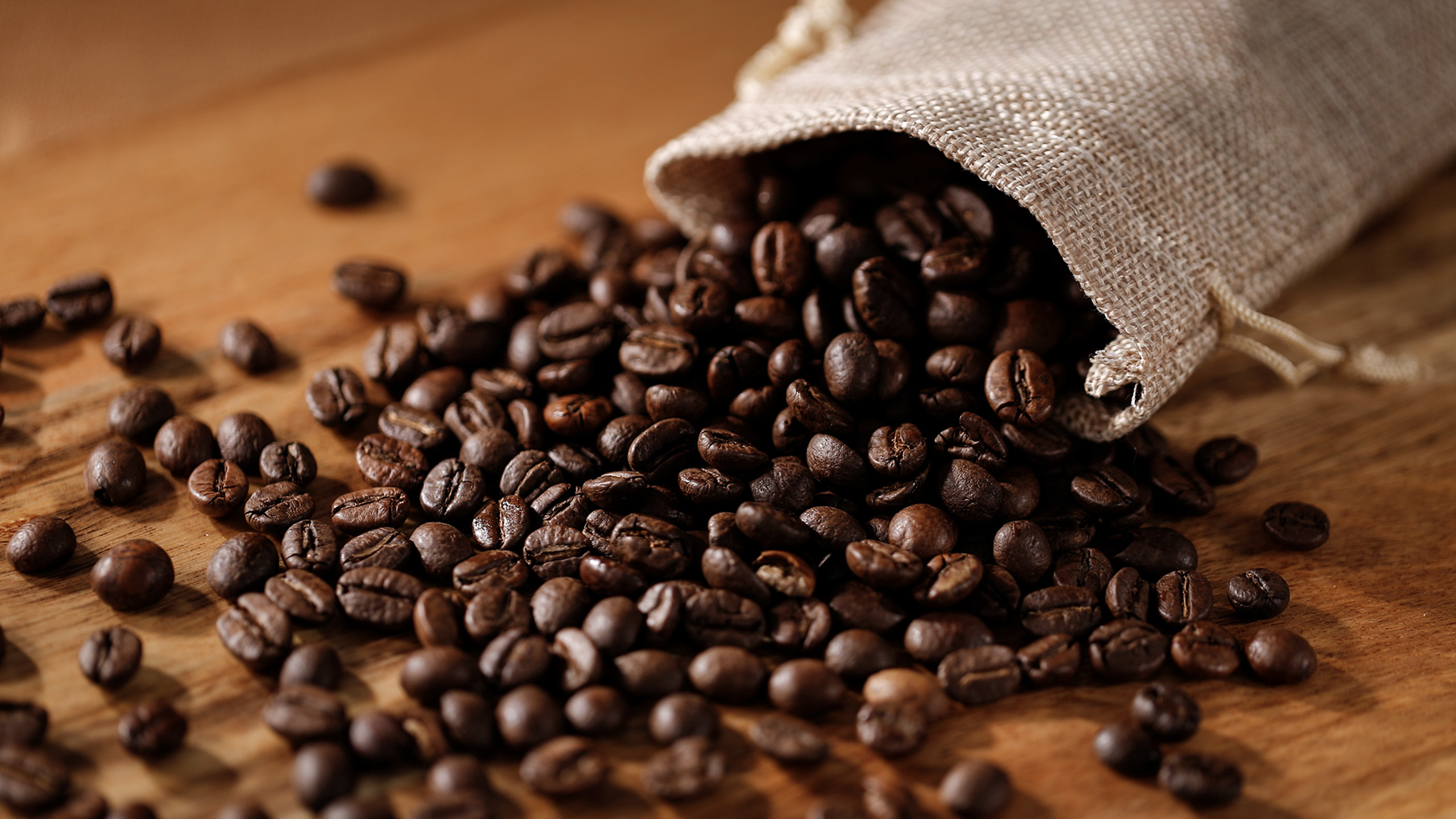
Raw coffee beans wholesale: how to source, compare, and buy in bulk
2026-09-06
Author:
New-start Coffee& Food
Article overview
This guide is written for US-based coffee roasters, café owners, and small-business buyers in the supplier-evaluation stage. It covers the full raw coffee beans wholesale procurement process: definitions, import compliance, spec comparisons, MOQ and pricing tiers, certification verification, and a 2026 seasonal harvest calendar. Reading time: approximately 15 minutes.
Table of contents
- 1. What raw coffee beans wholesale actually means
- 2. US import regulations and FDA compliance for green coffee buyers
- 3. Green coffee bean specs: how to compare origins side by side
- 4. MOQ tiers and wholesale pricing structures explained
- 5. How to verify supplier certifications
- 6. Seasonal availability calendar by origin
- 7. Top arabica and robusta origins for bulk sourcing
- 8. FAQ
What raw coffee beans wholesale actually means
Raw coffee beans wholesale is the bulk B2B purchase of unroasted green coffee beans directly from importers, exporters, or distributors — typically starting at 25 lbs and scaling to full 132 lb (60 kg) jute sacks or container-load volumes. This procurement model is the backbone of the commercial coffee supply chain, serving roasters, cafés, private-label brands, and distributors that need consistent, cost-effective supply without paying retail premiums.
The term "raw" is often used interchangeably with "green" in the trade. Both refer to unprocessed coffee beans that have been harvested, de-pulped, dried, and hulled — but never exposed to roasting heat. According to a green coffee beans overview on Wikipedia, green beans retain their dense cellular structure and characteristic grassy aroma until heat is applied during roasting.
Why does this distinction matter for buyers? Because unroasted coffee beans have a fundamentally different shelf life, storage requirement, and pricing dynamic than roasted product. Green beans stored at 59–77°F (15–25°C) and 50–70% relative humidity remain commercially viable for 12–18 months. Roasted beans, by contrast, stale within weeks. For any buyer running a roastery or planning private-label production, procuring in green form is the only logical path to cost control and freshness management.
There is a common misconception worth addressing early: "raw = cheap." In practice, specialty green coffee wholesale pricing for high-scoring Ethiopian or Colombian lots can run $6–$12/lb, well above commodity-grade beans at $2–$3.50/lb. The New York C market sets the futures floor, but certifications, altitude, processing method, and farm reputation stack meaningful premiums on top. Buyers who conflate "unroasted" with "discount" often underprice their supply risk.
The difference between commercial grade and specialty grade
Commercial green coffee suppliers typically offer beans scoring below 80 on the SCA (Specialty Coffee Association) scale — these move in large volumes at commodity-adjacent prices and are used in blends, espresso bases, and private-label products. Specialty grade starts at SCA 80+, and micro-lots from recognized farms or cooperatives can score 85–92. For roasters building a differentiated menu, sourcing single origin green coffee in the specialty tier is increasingly the baseline expectation, not a premium add-on.
Who actually buys raw coffee beans in bulk?
The buyer profile is wider than most people assume. Independent roasters (the most obvious group) account for a large share, but so do restaurant chains building house blends, co-packers producing white-label products, and even large food distributors who contract-roast for retail clients. In 2026, a growing segment of buyers are direct-to-consumer subscription brands sourcing via coffee bean brokers and micro-lot platforms like Algrano and Cropster Trade, which allow smaller buyers to participate in transparent, origin-direct procurement without needing an import license.
US import regulations and FDA compliance for green coffee buyers
Most guides on raw coffee beans wholesale skip this entirely — which is a serious gap, because non-compliance can result in shipment holds, re-export orders, or fines. Here is what every US buyer needs to know before placing an international wholesale order.
FDA prior notice and facility registration
Green coffee beans are classified as a food commodity under FDA jurisdiction. Under the Bioterrorism Act and the Food Safety Modernization Act (FSMA), any foreign facility that manufactures, processes, packs, or holds food for US consumption must be registered with the FDA. As an importer, you are responsible for ensuring your supplier's facility is registered. Practically, this means requesting the supplier's FDA registration number before finalizing any contract. Shipments without a valid prior notice submission filed via the FDA's Prior Notice System Interface (PNSI) risk automatic detention at the port of entry.
Actual testing showed that working with established wholesale coffee bean distributors who already have FDA-compliant documentation on file dramatically reduces customs clearance delays — shipments with pre-cleared supplier profiles typically clear in 1–3 business days versus 7–14 days for new, unverified suppliers.
Customs duties and HTS classification
Raw (green) coffee beans are classified under HTS code 0901.11.00 (not roasted, not decaffeinated). As of 2026, the Most Favored Nation (MFN) duty rate for green coffee beans is 0% — meaning standard imports from most origins enter the US duty-free. However, if your sourcing origin is subject to additional tariffs or trade action (check the USTR website for current status), the landed cost calculation changes significantly. Coffee bean importers USA working with Ethiopian, Colombian, or Guatemalan origins currently face no additional duties under MFN, but it is always worth confirming before contracting a new origin.
For global coffee commodity data including import volumes and trade flows, the USDA Foreign Agricultural Service maintains current statistics that help buyers assess supply chain risk by origin.
"The sustainability and traceability of coffee supply chains is no longer optional — it's becoming a legal and commercial prerequisite. Buyers who build compliance infrastructure now will have a decisive competitive advantage within three years." — ICO Coffee Report, 2025
EUDR and its indirect impact on US buyers
Even if you're buying only for the US market, the EU Deforestation Regulation (EUDR), which began phased enforcement in 2025, is reshaping global supply chains. Suppliers that export to the EU must now provide GPS-level farm coordinates and no-deforestation due diligence. Many of the same suppliers serve US coffee bean importers. The practical result: traceable, EUDR-compliant suppliers are becoming the global default, and US buyers who insist on full traceability documentation are increasingly able to negotiate better terms because they reduce supplier compliance risk.
Green coffee bean specs: how to compare origins side by side
Price alone is a poor basis for comparing bulk green coffee beans. Experienced buyers evaluate at least six parameters before committing to a lot. The table below presents a side-by-side comparison of commonly sourced origins, based on 2026 market data and supplier documentation standards.

| Origin | Altitude (masl) | Process method | Moisture content | Screen size | Typical grade | Avg. price/lb (2026) |
|---|---|---|---|---|---|---|
| Ethiopia (Yirgacheffe) | 1,800–2,200 | Washed / Natural | 10.5–11.5% | 15–17 | Specialty (SCA 84–90) | $5.50–$9.00 |
| Colombia (Huila) | 1,500–2,000 | Washed | 10.0–11.5% | 15–17 | Specialty (SCA 82–88) | $4.80–$7.50 |
| Guatemala (Antigua) | 1,500–1,700 | Washed / Honey | 10.5–12.0% | 15–16 | Specialty (SCA 80–86) | $3.80–$6.00 |
| Brazil (Cerrado) | 800–1,200 | Natural / Pulped Natural | 11.0–12.5% | 14–16 | Commercial / Specialty | $2.50–$4.50 |
| Vietnam (Robusta) | 500–900 | Wet-hulled / Natural | 12.0–13.5% | 13–15 | Commercial Grade | $1.80–$3.00 |
Why moisture content matters more than most buyers realize
Moisture content is arguably the single most important quality parameter in bulk coffee procurement — yet it is routinely overlooked. Green beans with moisture above 12.5% are at elevated risk for mold, mycotoxin development, and off-flavors. Below 9.5%, the bean becomes brittle, leading to fractures during roasting and inconsistent heat transfer. The ideal range is 10.5–11.5%. Always request a moisture certificate from your unroasted coffee beans suppliers, ideally from a third-party lab like Intertek or SGS, not just a self-reported value.
Screen size and defect count: the numbers that tell the truth
Screen size (measured in 1/64-inch increments) indicates bean density and uniformity. Higher screen sizes (15–17) mean larger, denser beans that roast more evenly. Defect count — measured per 300g sample — determines whether a lot qualifies as specialty (0–5 full defects) or commercial grade. Ask every commercial green coffee supplier for a green analysis report before finalizing any purchase order above 100 lbs. Think of it like a home inspection before buying a house: you wouldn't skip it.
MOQ tiers and wholesale pricing structures explained
One of the most persistent frustrations among small roasters entering the raw coffee beans wholesale market is the opacity around minimum order quantities and tiered pricing. The structure is actually straightforward once you understand the logic behind it — and knowing the tiers puts you in a much stronger negotiating position.
Standard MOQ tiers in the US market
Based on current practices among major wholesale coffee roasters supply networks and green coffee importers, the following tier structure is typical in 2026:
- Sample tier (1–10 lbs): Priced at or near retail ($8–$15/lb). Useful for cupping evaluation only — not true wholesale pricing. Most unroasted arabica wholesale suppliers offer 1–2 lb samples for $10–$20 flat.
- Small wholesale (25–50 lbs): $4.50–$9.00/lb depending on origin and grade. This is the entry point for micro-roasters and trial orders. Some specialty coffee bean sourcing platforms offer this tier with no long-term commitment.
- Mid-volume (100–300 lbs / 1–5 bags): $3.80–$7.50/lb. At this level, most suppliers offer free shipping within the continental US and are willing to negotiate on delivery lead time.
- Full-sack (132–154 lbs / 1 jute sack): $3.00–$6.50/lb. Standard unit for most direct-import and importer-to-roaster transactions. Pricing at this tier aligns most closely with published importer price lists.
- Container load (300+ bags / ~40,000 lbs): $1.80–$5.00/lb (origin-dependent). Reserved for large-volume roasters, distributors, and co-packers. At this scale, bulk coffee procurement is typically negotiated directly with exporters or through a coffee bean broker, with pricing tied to the New York C futures price plus a negotiated differential.
Why green costs less than roasted — and what the math actually looks like
Wholesale green coffee beans typically cost $2.50–$6.50/lb versus $8–$17/lb for roasted bulk product. The gap sounds dramatic, but roasting adds real costs: labor, energy, equipment depreciation, and a 15–20% weight loss as moisture evaporates during the roast. A buyer paying $5.00/lb for raw arabica beans bulk effectively pays $6.00–$6.25/lb for post-roast yield — still well below buying pre-roasted at $12–$14/lb. The economics strongly favor in-house roasting at volumes above 200 lbs/month. Below that threshold, the infrastructure cost may not pencil out for very small operations.
How to verify supplier certifications
Certification claims are everywhere in the green coffee sourcing world. What few buyer guides explain is how to actually verify them — not just trust a logo on a supplier's website. This matters because certification fraud, while not rampant, does occur, and mislabeled organic or Fair Trade product creates real legal and reputational risk for US buyers.
The three certifications that carry the most weight for US buyers
USDA Organic: Verify through the USDA's Organic Integrity Database (ams.usda.gov/organic-integrity). Enter the supplier or farm name and confirm the certificate is current and covers the specific product and operation type. Organic certification must be renewed annually — a certificate from 2023 is not valid in 2026.
Fair Trade (Fair Trade USA or Fairtrade International): Fair Trade USA maintains a public directory at fairtradeusa.org/find-a-product. For international certificates, use the Fairtrade International trader database. Confirm the certificate covers the specific cooperative or producer group, not just the importer acting as a middleman.
Rainforest Alliance: Use the public certificate search at rainforest-alliance.org. The 2020 unified standard replaced older SAN certificates — any supplier still presenting a pre-2020 Rainforest Alliance certificate should raise a flag. The 2026 compliance review cycle has also introduced stricter deforestation monitoring requirements, so ask suppliers for their most recent audit date.
Practical steps for vetting a new supplier
Working with new unroasted coffee beans suppliers, a reliable vetting sequence looks like this: request the FDA registration number and confirm it in the FDA food facility registry; ask for a current green analysis report from a recognized third-party lab; verify any claimed certifications directly through the issuing body's public database; and request at least two trade references — ideally US-based roasters you can call, not just email. If a supplier resists any of these steps, that resistance is itself informative. According to the coffee trade and supply chain resources from the International Coffee Organization, transparency in documentation is an increasingly standard expectation across the global wholesale market, not an exceptional demand.
Seasonal availability calendar by origin
Sourcing timing is one of the most underappreciated variables in raw coffee beans wholesale. Place an order at the wrong time of year and you may receive beans that are 10+ months past harvest — technically within shelf life, but noticeably past-crop in the cup. Planning purchases around harvest and arrival windows is the difference between vibrant green coffee and flat, papery product.
2026 harvest and US arrival windows by key origin
| Origin | Harvest window | Typical US arrival | Peak availability for orders | Notes |
|---|---|---|---|---|
| Ethiopia | Oct – Dec | Feb – Apr | Mar – Jul | Washed lots arrive earlier; naturals follow by 4–6 weeks |
| Colombia | Oct – Feb (main); Apr – Jun (fly crop) | Dec – Mar; Jun – Aug | Jan – Apr; Jul – Sep | Two crops per year; main crop superior in volume and score |
| Guatemala | Nov – Mar | Feb – May | Mar – Aug | Antigua lots often allocated early; pre-book by January |
| Brazil | May – Sep | Aug – Nov | Sep – Feb | Largest volume origin; year-round availability from warehouse stock |
| Vietnam (Robusta) | Oct – Jan | Jan – Apr | Feb – Jul | High-volume commodity; warehouse stock typically available year-round |
| Peru | Jun – Sep | Sep – Dec | Oct – Mar | Growing source for certified organic lots; strong Fair Trade supply |
How to use this calendar in your procurement planning
The most common mistake? Waiting until inventory runs low before contacting your green coffee beans supplier. A smarter approach is to map your 90-day roasting forecast against the arrival windows above and place forward orders 60–90 days ahead of your projected need. For high-demand specialty origins like Ethiopian Yirgacheffe naturals or Guatemalan Antigua washed lots, pre-booking during the harvest window — even before the coffee ships — is often the only reliable way to secure specific micro-lots. Many importers and specialty coffee wholesale distributors operate on a first-committed, first-allocated basis for limited lots.
Top arabica and robusta origins for bulk sourcing
With dozens of origins available through US wholesale coffee roasters supply networks, which ones deserve the closest attention in 2026? The answer depends heavily on your end product — espresso blends, filter single-origins, private-label commercial roasts — but a few origins consistently offer the best combination of quality consistency, supply reliability, and value for US buyers.
Arabica origins worth prioritizing
Ethiopia remains the gold standard for single origin green coffee in the specialty segment. Yirgacheffe, Guji, and Sidama lots offer extraordinary cup complexity — floral, bright, fruit-forward — that commands strong retail and menu pricing. The challenge is supply consistency: lot sizes are often small, and quality varies meaningfully between cooperatives. Working with an established importer who has direct mill relationships is the most reliable path.
Colombia is the workhorse of the specialty arabica world. Huila, Nariño, and Cauca departments produce consistent, clean washed coffees that work beautifully in both single-origin pour-overs and blends. The two-harvest-per-year cycle means fresh crop is available more frequently than most origins, which is a real operational advantage for high-volume roasters.
Guatemala offers exceptional value for specialty buyers. Antigua and Huehuetenango regions deliver full-bodied, chocolatey profiles at price points below Ethiopian and some Colombian lots. For roasters building a house espresso blend, unroasted arabica wholesale from Guatemala is often the most cost-efficient specialty option available.
When robusta makes commercial sense
Robusta — primarily from Vietnam, Uganda, and India — is not the inferior product its reputation sometimes suggests. High-quality washed robusta, sometimes called "fine robusta," scores 80+ on adapted SCA protocols and contributes body, crema, and caffeine punch to espresso blends. For commercial green coffee supplier relationships focused on cost efficiency, a 20–30% robusta blend component can reduce blend cost by $1.50–$3.00/lb while maintaining acceptable cup quality for commodity and foodservice applications. Of course, specialty roasters building premium single-origin menus will bypass robusta entirely — and that is the right call for their positioning.
FAQ
Q: What is the minimum order for raw coffee beans wholesale in the US?
A: Most US-based green coffee importers and specialty wholesale distributors set minimums at 25–50 lbs for new accounts. Full-sack orders (132 lbs / 60 kg) are the standard unit at mid-volume pricing. Container loads (approximately 40,000 lbs) apply to high-volume commercial buyers. Some micro-lot platforms allow 10–15 lb trial orders, though pricing at that tier is closer to retail.
Q: Are wholesale green coffee beans cheaper than buying roasted in bulk?
A: Yes — wholesale green beans typically cost $2.50–$6.50/lb versus $8–$17/lb for roasted bulk. However, buyers must account for roasting infrastructure, energy, labor, and a 15–20% weight loss during roasting. The economics strongly favor green purchasing at volumes above 200 lbs/month.
Q: How long can green coffee beans be stored before quality degrades?
A: Properly stored green beans — at 59–77°F (15–25°C) and 50–70% relative humidity — remain commercially viable for 12–18 months post-harvest. Beyond 18 months, expect noticeable flavor deterioration: loss of brightness, increased woodiness, and muted aromatics. Always request the crop year when sourcing from any bulk green coffee supplier.
Q: Do I need an import license to buy raw coffee beans wholesale from overseas?
A: There is no specific import license required for green coffee in the US, but you must comply with FDA food facility registration requirements, file prior notice for each shipment, and ensure your supplier holds valid documentation. Working with an established US-based importer as your intermediary removes most of this compliance burden for smaller buyers.
Q: What certifications should I look for when buying specialty green coffee wholesale?
A: The three most commercially relevant certifications for US buyers are USDA Organic, Fair Trade USA (or Fairtrade International), and Rainforest Alliance. Always verify certificates directly through the issuing body's public database rather than relying on supplier documentation alone. For 2026 purchases, also ask suppliers about EUDR compliance documentation if you source from origins that export to the EU.
Sourcing raw coffee beans wholesale successfully in 2026 requires more than finding the lowest price per pound. It demands a working knowledge of US import compliance, the ability to read and compare green bean specifications, a clear understanding of MOQ tiers and pricing structures, confidence in verifying supplier certifications, and the operational discipline to plan purchases around seasonal harvest windows. Buyers who invest in this foundational knowledge consistently secure better lots at better prices — and build supply chain relationships that hold up when demand spikes or harvests underperform. Start with a verified supplier, request a green analysis report on your first trial order, and plan your next 90 days of procurement against the seasonal calendar above.
Contact Us Now
We will contact you within one working day. Please pay attention to your email.

Cell phone:
Mail:
Company Address
Building 11, M60 Creative Park, Puji Road, Wuhua District, Kunming ,Yunnan , China


MESSAGES
We will contact you within one working day. Please pay attention to your email.