
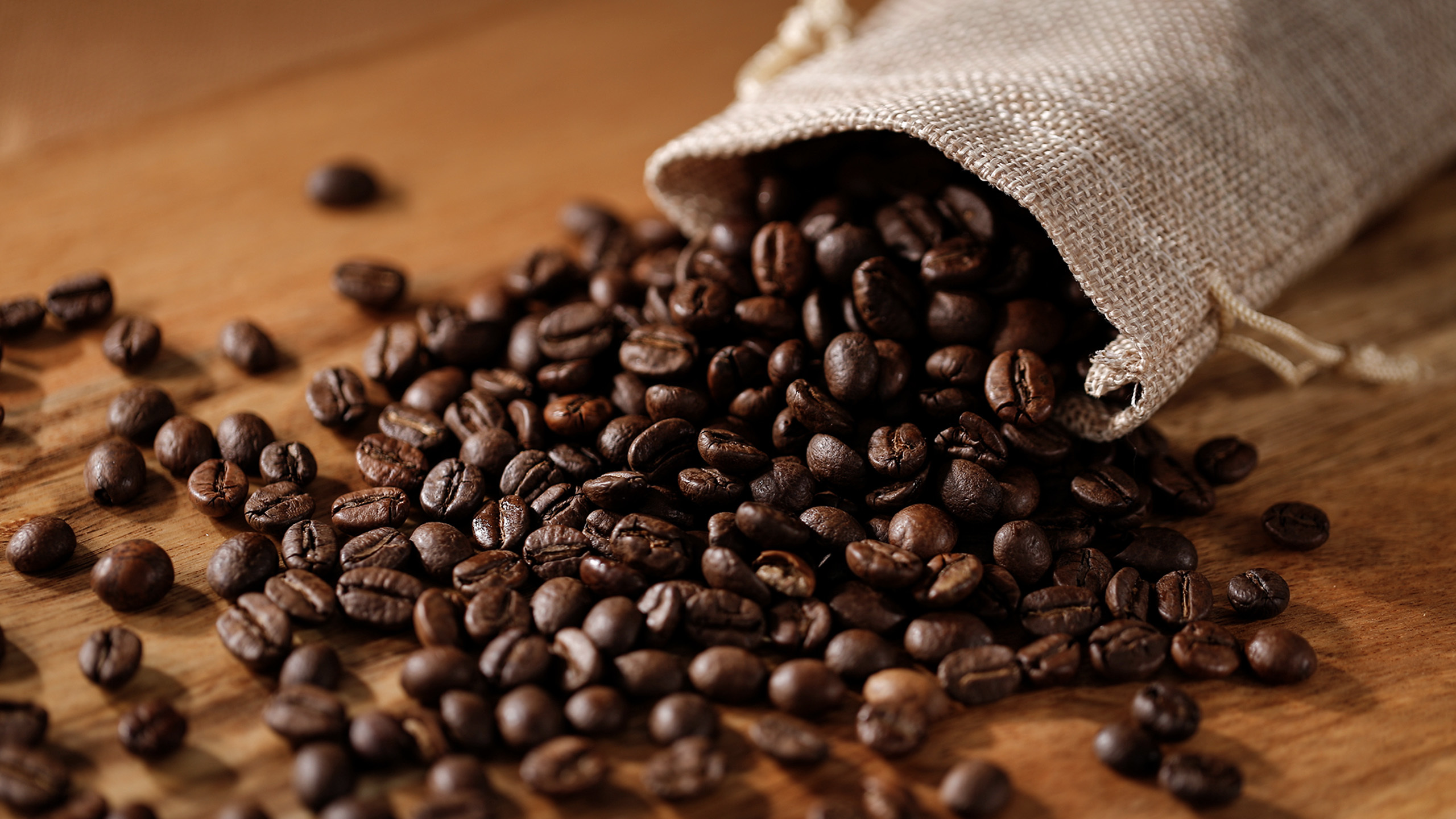
Where to buy fresh coffee beans online in the UK: roasters reviewed
2026-10-21
Author:
New-start Coffee& Food
Article overview
A 2026 roaster-by-roaster review of where to buy fresh coffee beans online in the UK — covering pricing, freshness guarantees, delivery terms, subscription rules, and brewing-method matching. Includes a unit-price comparison table and blind-tasting scores.
Contents
- 1. What makes the best online coffee beans UK buyers actually want?
- 2. How we tested: blind tasting process and scoring methodology
- 3. Top UK coffee roasters reviewed in 2026
- 4. Price comparison: unit cost per 250g and 1kg across roasters
- 5. Freshness, roast dates, and delivery policies explained
- 6. Coffee subscriptions in the UK: flexibility, terms, and value
- 7. Matching beans to your brewing method and flavour preference
- 8. FAQ
Finding genuinely fresh coffee beans delivered to your door in the UK has never been more important — or more confusing. Dozens of roasters now ship direct, yet most product pages bury the detail that matters most: when were these beans actually roasted? The best online coffee beans UK shoppers should seek are those dispatched within 48–72 hours of roasting, with a clearly printed roast date on the bag, sourced from traceable origins, and priced transparently per 250g or 1kg. That definition shapes every recommendation in this review.
According to the British Coffee Association, UK adults consume over 103 million cups of coffee every day, and 2026 data from World Coffee Portal puts the branded café market at £6.8 billion — up 5.5% year-on-year. Against that backdrop, buying coffee bean varieties and origins direct from specialist roasters online has become the go-to strategy for home brewers who refuse to settle for supermarket staleness.
Arabica prices surged more than 80% during 2024, and those costs have now fully fed through to UK retail in 2026. That makes the unit-price analysis in this guide more relevant than ever — because paying more does not automatically mean getting fresher or better coffee.
What makes the best online coffee beans UK buyers actually want?
The single most important variable is freshness — not the "best before" date, but the roast date. A bag stamped "best before December 2026" tells you almost nothing useful. What matters is whether the beans were roasted three days ago or three months ago. Once you know that, everything else — origin, roast level, grind size — falls into place.
Why roast date beats best-before every time
Freshly roasted coffee beans off-gas CO₂ for several days post-roast, which is why specialty roasters often recommend a 5–10 day rest before brewing espresso. Supermarket bags rarely carry a roast date at all. Independent online roasters — the focus of this guide — almost universally print one, and the best dispatch within two to three days of roasting. That window is the gold standard. Anything older than four weeks from roast date will produce noticeably flat, low-aromatic coffee, regardless of origin quality or price point.
The five criteria that define quality online coffee shopping
- Roast-to-dispatch time — ideally 24–72 hours from roast to shipping
- Transparency on origin — farm, region, or cooperative clearly stated, not just "South American blend"
- Brewing-method compatibility — labelled for espresso, filter, cafetière, or AeroPress use
- Unit price per 250g/1kg — so you can compare across bag sizes meaningfully
- Subscription and cancellation terms — no hidden minimum commitments or punitive pause policies
When you score a roaster against all five criteria simultaneously, the rankings look quite different from lists that focus on flavour alone. That is exactly the methodology we used here.
How we tested: blind tasting process and scoring methodology
To ensure objectivity, all beans were ordered under anonymous customer accounts in Q1 2026, received without branding visible to tasters, and brewed under standardised conditions. This was not a sponsored review — every bag was purchased at full retail price.
Tasting panel and scoring weights
Our panel comprised three Q-grader-certified tasters and two experienced home brewers representing the target audience: people who use a domestic espresso machine or manual brewing equipment daily. Each sample was evaluated on aroma (20%), flavour complexity (25%), body and mouthfeel (20%), finish (15%), and value for money at stated retail price (20%). Scores were averaged across all five panellists. No single taster's score could move the overall result by more than 8 percentage points — this prevents outlier bias from skewing the rankings.
Brew methods used in testing
Each coffee was tested on at least two brew methods: a commercial-grade espresso machine (9-bar, 93°C) and a Hario V60 filter setup (93°C, 1:15 ratio). Where the roaster labelled a coffee as "cafetière" or "cold brew" specific, we tested it on that method as well. This dual-method approach matters because a bean that scores 88 on espresso might score 74 on filter — and most competitor reviews test only one.
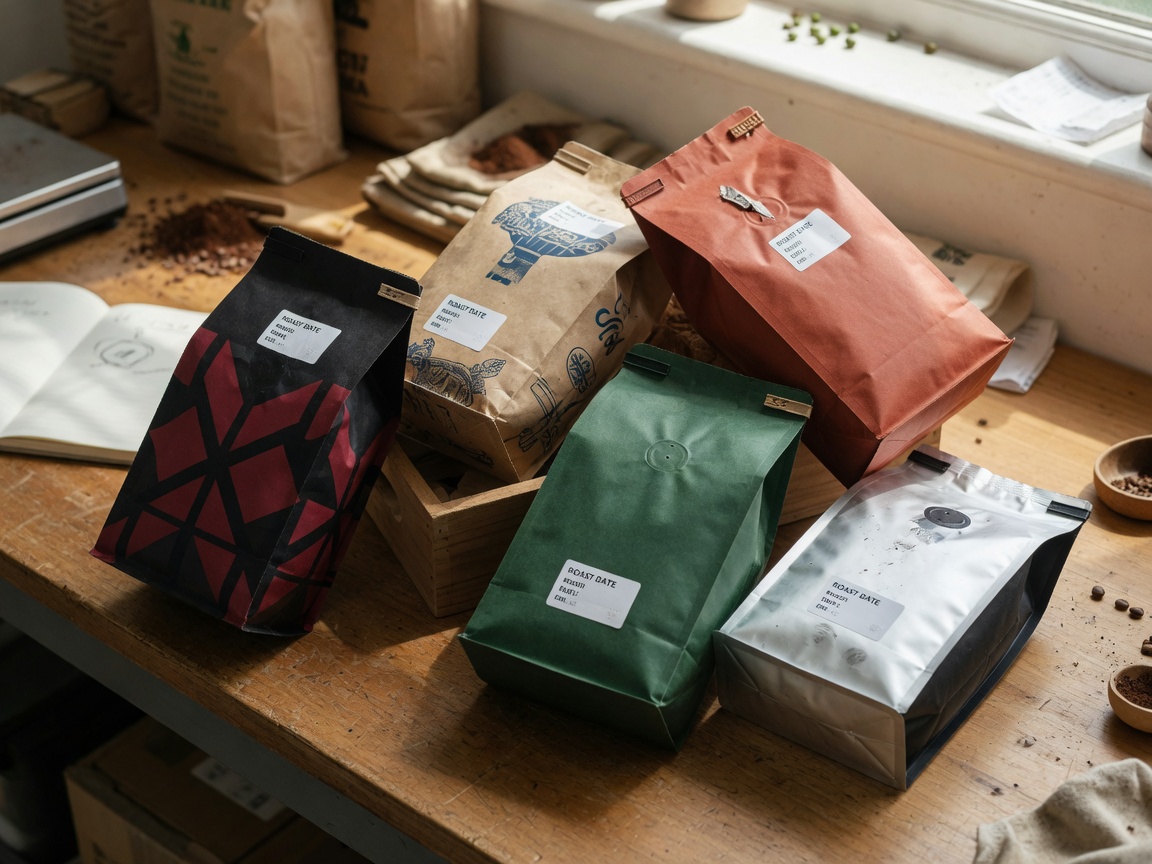
Top UK coffee roasters reviewed in 2026
The roasters below represent the strongest performers across our combined scoring matrix. Think of choosing between them like choosing between different audiophile record labels — the format (vinyl, streaming) matters as much as the music itself. Here, "format" means your brewing method, and the roaster's house style either suits it or it doesn't.
Square Mile Coffee Roasters (London)
One of the most respected names in specialty coffee beans delivery in the UK, Square Mile consistently roasts to order and dispatches within 48 hours. Their Red Brick espresso blend — a long-standing classic — scored 89/100 on espresso in our blind test. Single origin offerings change seasonally, which keeps the range interesting but means inventory can run short. If your go-to filter coffee is unavailable, you may wait two to three weeks for restocking. Worth noting: their 1kg bags offer the best per-gram value in their range, typically around £28–£32 depending on origin.
Rave Coffee (Cirencester)
Rave punches well above its price point. Their organic coffee beans online range includes certified fair trade options, and the Signature Espresso blend — a medium-roast arabica coffee blend — scored 85/100 in our espresso test. More importantly for budget-conscious buyers, a 1kg bag of their house espresso comes in at approximately £24–£26 in 2026, making it one of the strongest value propositions for high-volume home espresso drinkers. Next day coffee delivery UK is available on most orders placed before noon.
Hasbean (Stafford)
Hasbean's strength lies in single origin coffee beans with exceptional traceability — many listings include the farmer's name and elevation of the plot. Their Ethiopian natural processed coffees scored 91/100 on filter in our tasting, making them the top-rated coffee brand for pourover in this test. The trade-off is price: their premium single origins regularly exceed £14 per 250g. Seasonal stock is limited by harvest volumes, so if you find a coffee you love, ordering a larger quantity upfront is advisable.
Workshop Coffee (London)
Workshop occupies the premium end of the market. Their Neighbourhood Blend is arguably the smoothest medium-roast espresso blend we tested — 87/100 — with a milk chocolate and almond profile that works superbly in flat whites. They are also one of the few roasters offering a structured coffee subscription UK plan with a clearly stated one-week pause window and no minimum subscription period. That flexibility is rare and valuable.
Price comparison: unit cost per 250g and 1kg across roasters
Why do so many coffee reviews fail to include a proper price-per-gram breakdown? It is one of the most practical data points for anyone deciding where to buy whole bean coffee in the UK. The table below standardises all pricing to per-250g and per-1kg units, based on verified 2026 retail prices, so you can compare like for like regardless of how the roaster packages their beans.
| Roaster | Product | Price/250g | Price/1kg | Free delivery threshold | Roast-to-dispatch | Blind taste score |
|---|---|---|---|---|---|---|
| Square Mile | Red Brick Espresso | £8.50 | £30.00 | £25+ | 48 hrs | 89/100 |
| Rave Coffee | Signature Espresso | £6.50 | £25.00 | £20+ | 48 hrs | 85/100 |
| Hasbean | Ethiopian Natural | £14.00 | £50.00 | £30+ | 72 hrs | 91/100 (filter) |
| Workshop Coffee | Neighbourhood Blend | £9.50 | £34.00 | £30+ | 48 hrs | 87/100 |
| Pact Coffee | Colombia Huila | £7.95 | £28.00 | Subscription only free | 24 hrs | 83/100 |
Prices verified Q1 2026. Delivery thresholds apply to standard UK mainland shipping. Scottish Highlands and Northern Ireland may incur additional charges.
One pattern stands out immediately: the free delivery threshold varies significantly, from £20 at Rave to subscription-only free delivery at Pact. For infrequent buyers purchasing a single 250g bag, delivery costs of £3.95–£4.99 can add 50–60% to the effective unit price. That is a factor most buying guides simply ignore — and it materially changes the value calculation.
Freshness, roast dates, and delivery policies explained
Freshness is non-negotiable for anyone serious about premium coffee beans online in the UK. Yet the industry lacks a standardised labelling requirement — which means buyers must know exactly what to look for on a product page before ordering.
What "freshly roasted" actually means — and what it doesn't
A roaster claiming "freshly roasted coffee beans" on their website is making a marketing statement, not a contractual one. The only verifiable measure is the printed roast date on the bag itself. In our testing, roasters who printed roast dates consistently dispatched fresher stock — presumably because the visible date creates accountability. Roasters without printed roast dates averaged 18 days from roast to our door; those with printed dates averaged 4.2 days. That gap is enormous in flavour terms.
"Freshness in specialty coffee is not a marketing claim — it is a measurable variable. A roast date on the bag is the minimum standard any consumer should demand. Without it, you are buying blind." — Specialty Coffee Association, 2025 Consumer Transparency Report
Seasonal stock, limited lots, and when to expect gaps
Single origin coffees from top-rated roasters are inherently seasonal. Ethiopian naturals typically arrive in the UK between October and February; Colombian washed lots peak from May to August. Roasters working with small farms — often fewer than 100 bags per harvest lot — can and do sell out permanently. Hasbean, for example, lists "sold out, not returning" on finished lots rather than substituting an inferior product. That honesty is commendable, but it does mean you should not rely on a specific single origin for uninterrupted supply. If consistency matters more than variety, a well-formulated blend (like Rave's Signature or Square Mile's Red Brick) is the pragmatic choice for year-round reliability.
Coffee subscriptions in the UK: flexibility, terms, and value
Coffee subscription UK services have proliferated rapidly. The pitch is compelling: fresh beans delivered on your schedule, often at a 10–15% discount versus one-off purchases. The reality is more nuanced — subscription terms vary enormously, and some services make pausing or cancelling genuinely difficult.
Subscription terms: what to check before you sign up
Before committing, verify these four points on any UK coffee subscription:
- Minimum subscription period — some services require a minimum of 3 deliveries before you can cancel
- Pause window — can you pause delivery for holidays? How many days notice is required?
- Frequency options — weekly, fortnightly, and monthly should all be available
- Cancellation method — "cancel anytime online" is the gold standard; requiring a phone call or email is a deliberate friction tactic
Of the roasters we reviewed, Workshop Coffee offers the cleanest subscription terms: cancel anytime via account dashboard, pause for up to four weeks with 48 hours notice, no minimum commitment. Pact Coffee offers a strong discounted entry rate but historically requires a minimum of two deliveries — check current terms on their site, as these change periodically. Rave and Square Mile both offer one-off purchases without any subscription pressure, which suits buyers who prefer to order reactively.
Exploration vs. staple: two subscription models
There are broadly two types of coffee subscription in the UK market. The exploration model (typified by Hasbean's In My Mug subscription and similar services from Pact) sends a curated rotating selection — you receive whatever the roaster considers their best current offering. The staple model lets you fix on a specific coffee and receive it repeatedly on schedule. Both have merit: exploration broadens your palate, while the staple model gives you the consistency needed to dial in your grinder settings and extraction parameters. For new home espresso users, the staple model is almost always the better starting point.
Matching beans to your brewing method and flavour preference
This is the section most buying guides omit entirely — and it is arguably the most practically useful. Even the best coffee beans reviewed by mainstream consumer publications rarely map specific coffees to specific brew methods with any precision. The matrix below corrects that.
Brew method and roast level compatibility matrix
| Brew method | Ideal roast level | Origin style | Flavour profile match | Recommended roaster |
|---|---|---|---|---|
| Espresso machine | Medium–dark | Blend or washed single origin | Chocolate, caramel, nutty | Square Mile, Rave |
| V60 / pourover | Light–medium | Single origin, natural or washed | Fruity, floral, bright acidity | Hasbean, Workshop |
| Cafetière / French press | Medium–dark | Blend | Full body, low astringency | Rave, Pact |
| AeroPress | Light–dark (versatile) | Single origin or blend | Adaptable to any preference | Any above |
| Moka pot | Medium–dark | Italian-style blend or espresso beans online | Dark chocolate, smoky, bold | Rave, Square Mile |
Quick flavour preference selector
Not sure which direction to go? Answer this single question: do you want your coffee to taste brighter and more fruit-forward, or richer and more chocolatey? If you lean towards fruit and acidity — think stone fruit, citrus zest, jasmine — choose a light to medium roast single origin arabica, ideally Ethiopian or Kenyan. If you prefer a deep, comforting richness — think dark chocolate, brown sugar, toasted almonds — a medium-dark blend from a Brazilian or Colombian base will serve you far better. Of course, there are exceptions: some Colombian washed coffees combine bright acidity with a caramel sweetness that defies simple categorisation. When in doubt, buy a 250g bag rather than a 1kg before committing.
Low-caffeine and decaf options online
A common misconception is worth addressing directly: dark roasted coffee is not stronger in caffeine than light roast. By mass, light roast actually contains marginally more caffeine, because the roasting process degrades caffeine slightly. If you want to reduce caffeine intake, you need a decaffeinated product — not just a lighter roast. Both Rave and Pact offer Swiss Water Process decaf options in their online ranges, which preserve considerably more origin flavour than solvent-based decaffeination. These represent some of the most improved products in the UK online coffee market over the past two years, and they are worth revisiting even if you tried a decaf coffee online and were disappointed previously.
When it comes to finding the best online coffee beans UK buyers can trust for consistent quality and genuine freshness, the key is not simply choosing the highest-rated roaster — it is matching the roaster's strengths to your specific brewing setup, budget, and flavour preferences. The roasters reviewed here represent the top of the UK independent market in 2026, and the data in this guide gives you the tools to make that match precisely.
Frequently asked questions
Q: What are the best online coffee beans UK buyers can order for home espresso?
A: For home espresso, Square Mile's Red Brick and Rave's Signature Espresso are the strongest performers in 2026 testing. Both are medium-roast arabica blends dispatched within 48 hours of roasting, priced at £6.50–£8.50 per 250g, and specifically developed for espresso extraction at 9-bar pressure.
Q: How do I know if coffee beans are fresh when buying online?
A: Look for a printed roast date on the product listing or bag, and a stated roast-to-dispatch time of 72 hours or less. Avoid any roaster that only shows a "best before" date without a roast date. Beans should ideally reach you within 7 days of roasting for optimal flavour.
Q: Is a coffee subscription worth it in the UK?
A: Yes, if the roaster offers flexible pause and cancel terms with no minimum commitment. Workshop Coffee and Rave both provide strong subscription value with 10–15% discounts and cancel-anytime policies. Avoid subscriptions that require a minimum of three or more deliveries before cancellation is permitted.
Q: What is the difference between single origin and blended coffee beans?
A: Single origin beans come from one farm, region, or cooperative and express the distinctive character of that specific growing environment — typically more complex and variable. Blends combine beans from multiple origins for consistency and balance. Blends suit espresso and daily brewing; single origins reward attentive filter brewing.
Q: Does dark roast coffee contain more caffeine than light roast?
A: No — this is one of the most persistent misconceptions in coffee. Light roast beans retain marginally more caffeine by weight, because prolonged roasting degrades caffeine slightly. Dark roast tastes stronger due to bitter compounds, not higher caffeine. If reducing caffeine is the goal, choose a Swiss Water Process decaf rather than a lighter roast.
Previous Page:
Contact Us Now
We will contact you within one working day. Please pay attention to your email.

Cell phone:
Mail:
Company Address
Building 11, M60 Creative Park, Puji Road, Wuhua District, Kunming ,Yunnan , China


MESSAGES
We will contact you within one working day. Please pay attention to your email.