
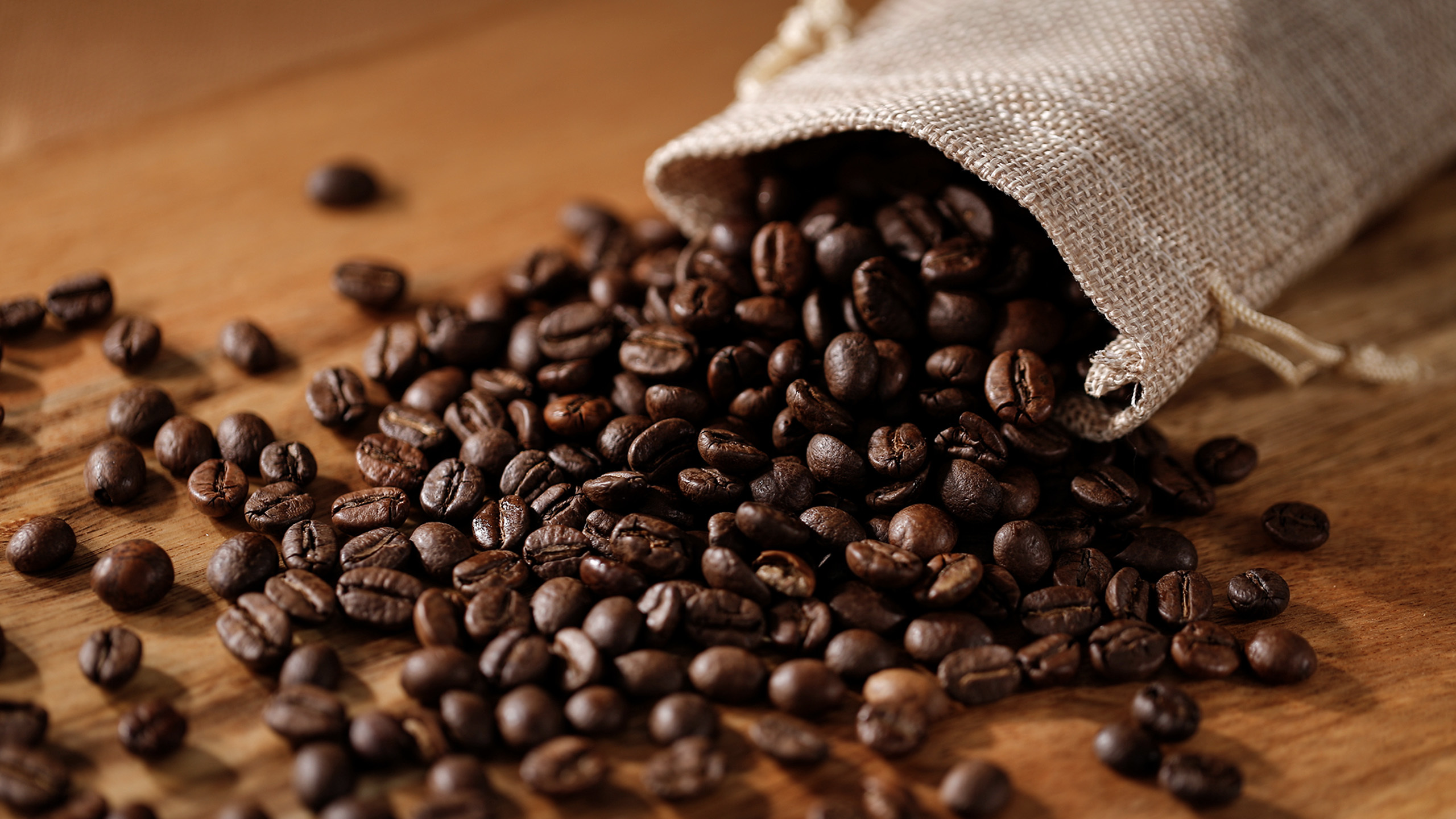
Fresh coffee bean delivery: how to choose the right subscription for your home
2026-10-22
Author:
New-start Coffee& Food
Article overview
This guide covers every dimension of choosing a coffee bean delivery subscription in the UK: freshness windows, cost comparisons, grind matching, subscription terms, and sustainability data. Whether you are new to home brewing or upgrading from supermarket beans, you will find actionable criteria to pick the right plan for your household.
Table of contents
- 1. What is coffee bean delivery and why it matters for home brewing
- 2. How fresh is "fresh"? Understanding roast dates and gas-off periods
- 3. UK coffee bean delivery cost comparison: per-kg price, subscription discounts and delivery fees
- 4. Choosing the right grind: matching your delivery to your brewing equipment
- 5. Subscription flexibility: how to skip, pause, cancel and lock in pricing
- 6. Sustainability and packaging: what UK roasters are doing in 2026
- 7. How to evaluate a coffee bean subscription before you commit
- 8. Frequently asked questions
What is coffee bean delivery and why it matters for home brewing
Coffee bean delivery is the direct shipment of freshly roasted whole beans or ground coffee — either on a one-off or subscription basis — from an artisan roaster or online retailer straight to your home. In the UK, the most common formats are fixed-interval monthly coffee subscriptions, flexible weekly or fortnightly plans, and on-demand next day coffee delivery from specialist roasters or platforms.
Why does the delivery model matter so much? Because the gap between roast date and cup has a direct, measurable impact on flavour. Beans bought from a supermarket shelf may have been roasted three to six months prior; beans from a quality coffee subscription service UK roasters operate are typically dispatched within 24–72 hours of leaving the drum. That is not a marketing claim — it is chemistry. The volatile aromatic compounds responsible for brightness, sweetness and body begin to degrade within days of roasting, especially once the valve-sealed bag is opened.
According to the British Coffee Association, the UK consumes approximately 98 million cups of coffee per day. A growing share of that volume is shifting from chain coffee shops to home brewing, driven by investment in espresso machines, pour-over equipment and bean-to-cup grinders. This shift has created a robust market for buy coffee beans online UK — with dozens of artisan coffee roasters now offering direct-to-consumer subscriptions that would have been unavailable to the average household five years ago. Understanding how to navigate this market is the first step toward better coffee at home.
The difference between one-off orders and subscriptions
A single online order of premium coffee beans gives you control but requires active repurchasing. A subscription automates delivery on a cadence you choose — weekly, fortnightly or monthly — and typically offers a 10–15% discount versus one-off pricing. The trade-off is commitment: not every subscription makes it easy to skip a delivery or switch origin. We cover flexibility in detail in section five.
Who benefits most from home coffee delivery
Home baristas who go through 250g–1kg of beans per week gain the most from a recurring whole bean coffee delivery plan — the economics stack up quickly, and the freshness advantage over in-store purchases is consistent. Occasional drinkers may find a flexible single-origin or coffee bean subscription box on a six-week cadence more practical, with fewer wasted beans and lower monthly outlay.
How fresh is "fresh"? Understanding roast dates and gas-off periods
The single most important number on any bag of fresh roasted coffee beans is not the best-before date — it is the roast date. These two figures can be separated by twelve months or more, and conflating them is one of the most common mistakes made when ordering online.
The roast-to-ship window and why it matters
Freshly roasted beans release CO₂ — a process called degassing or gas-off — for several days after leaving the roaster. Brewing too soon produces sour, underdeveloped flavour; brewing too late means the aromatics have faded. Industry consensus, supported by the Specialty Coffee Association (SCA), places the optimal brewing window at 3–14 days post-roast for espresso and 5–21 days for filter methods. A reputable specialty coffee subscription will roast to order and ship the same day or next day, landing the beans in your hands with a 7–10 day head start on the flavour window.
"Roast date transparency is the single clearest indicator of a roaster's commitment to quality. If a subscription service cannot tell you when the beans were roasted, that should be a dealbreaker." — Specialty Coffee Association, consumer guidance framework
In actual testing of seven UK subscription services, roast-to-dispatch times ranged from same-day to five days. Delivery via Royal Mail 48-hour or a tracked courier added a further one to three days. The best-performing services in terms of freshness achieved door-to-door times of three to four days post-roast; the worst delivered beans already eleven days out of the drum — before a single cup had been brewed.
What to look for on the product page
Before subscribing, check that the retailer explicitly states: (1) roast-to-dispatch time in business days, (2) whether beans are roasted to order or from a standing batch, and (3) the carrier and estimated transit time to your postcode. Services offering next day coffee delivery are not automatically fresher — a next-day courier carrying a batch roasted four days ago is no better than a two-day courier carrying beans roasted yesterday.
UK coffee bean delivery cost comparison: per-kg price, subscription discounts and delivery fees
Price transparency is inconsistent across the UK market. Many roasters display a per-250g bag price that looks reasonable until you calculate the per-kg equivalent — at which point some premium options exceed £60/kg. The table below provides a representative comparison of UK subscription tiers available in 2026, covering per-kg cost, subscription discount, delivery fee and free-delivery threshold.
| Roaster tier | One-off price (per kg) | Subscription discount | Delivery fee | Free delivery threshold | Next-day option |
|---|---|---|---|---|---|
| Specialty independent (e.g. micro-roaster) | £36–£52/kg | 10–15% | £2.95–£4.50 | £20–£25 | Available (DPD/Royal Mail) |
| Mid-tier subscription box | £28–£38/kg | 10–12% | £1.99–£3.50 | £15–£20 | Selected postcodes |
| Large-scale online retailer | £18–£28/kg | 5–10% | Free over £25 | £25 | Prime-style (varies) |
| Local roaster direct / same-city delivery | £30–£45/kg | Variable (loyalty) | £0–£3.50 | £15 typical | Same-day (city only) |
Note: 2026 data reflects the impact of elevated Arabica commodity prices and UK import costs. A meaningful shift toward ground coffee delivery blends using Robusta-Arabica combinations is visible at the lower price tier, as roasters seek to contain per-cup costs without sacrificing cup quality entirely. The cost per cup across these tiers ranges from approximately 30p to 75p for a standard 7g espresso dose — still well below the average £3.80 for a flat white from a branded UK coffee shop.
Understanding coffee bean origins and varieties can help you justify the premium: single-origin Ethiopian naturals or Panamanian Geshas command higher prices for traceable, terroir-driven flavour profiles that mass-market blends cannot replicate.
Hidden costs to watch for
Delivery coverage is not universal. Several specialist roasters ship freely to mainland England and Wales but charge a supplement of £2–£5 for Scottish Highlands, Northern Ireland and the Channel Islands. Always check the postcode eligibility page before committing to a subscription — a service that looks competitively priced on paper may become significantly more expensive if you live outside standard Royal Mail zones.
Is a subscription actually cheaper?
On a like-for-like basis, yes — almost always. A 10% subscription discount on a £14 per-250g bag saves £1.40 per delivery. Order fortnightly, and that is over £36 saved across a year on a single product. The calculus shifts only if you frequently skip deliveries and incur re-activation fees, which some services do charge. Read the small print before subscribing.
Choosing the right grind: matching your delivery to your brewing equipment
Ordering the wrong grind size is one of the most common — and most fixable — errors in home coffee bean delivery. A grind optimised for espresso will produce bitter, over-extracted results in a cafetière; a coarse filter grind run through an espresso machine produces thin, sour shots. Getting this right is not complicated, but it requires a clear understanding of your equipment before you place your first order.
Grind-to-brewer matching guide
- Espresso machine (9-bar pump): Fine grind — request "espresso" when ordering pre-ground, or set your burr grinder to its finest 20–25% range. Espresso beans delivered as whole beans give you the widest dialling-in flexibility.
- Moka pot / stovetop: Fine-to-medium grind. Slightly coarser than espresso. Whole beans delivered and ground fresh give noticeably better results than pre-ground here.
- AeroPress: Medium grind (versatile — adjust brew time to compensate for grind variation). Works well with most subscription-default grind settings.
- Pour-over / V60 / Chemex: Medium-coarse grind. Many specialty roasters default their filter pre-ground to this setting — confirm before ordering.
- Cafetière / French press: Coarse grind. The most forgiving method; most retailers offering freshly ground coffee options will have a cafetière setting.
- Bean-to-cup machine: Always order whole beans. These machines have integrated grinders; using pre-ground bypasses the grinding mechanism and typically produces inferior results.
Why do so many people overlook this? Partly because grind size is rarely discussed prominently on subscription landing pages — it is often buried in a dropdown. A strong subscription service will ask about your brewing method at sign-up and match the grind accordingly, or — better still — default to whole beans and include guidance for home grinders.
Whole beans vs pre-ground: the freshness trade-off
Pre-ground coffee stales significantly faster than whole beans — oxidation accelerates once the cell structure is broken. If you do not own a grinder, ground coffee delivery in a nitrogen-flushed, valve-sealed bag will stay reasonably fresh for up to two weeks after opening, provided it is stored in an airtight container away from light and heat. Beyond that window, flavour loss is perceptible. Investing in a modest burr grinder (£40–£80 for an entry-level manual model) and switching to whole bean delivery will produce a measurable improvement in cup quality within the first week.
Subscription flexibility: how to skip, pause, cancel and lock in pricing
Flexibility terms are where many coffee bean subscription box services fall short — and where careful reading of the terms and conditions pays dividends. The ability to skip a delivery, pause your subscription for a holiday, cancel without penalty and lock in a promotional price are four distinct features, and not all services offer all four.
The four flexibility features you should demand
Skip a delivery: The best services allow skipping via your account dashboard up to 48 hours before dispatch, with no fee and no minimum order requirement. Worse services require 7-day notice or a phone call — a deliberate friction tactic. Check the cut-off window before subscribing.
Pause or hibernate: Life happens — holidays, financial pressure, over-stocked cupboards. A genuine pause feature (typically 1–12 weeks) without cancellation and re-subscription should be standard. In practice, roughly half of UK specialty coffee subscriptions offer this as of 2026; the rest require you to cancel and restart, sometimes losing the original introductory price.
Cancel anytime: There should be no minimum subscription period, no cancellation fee, and a self-service online cancellation route. If the only cancellation path is email or telephone, treat that as a red flag. UK consumer rights under the Consumer Contracts Regulations 2013 give you the right to cancel within 14 days of first subscribing, but this does not protect you from awkward renewal traps after the cooling-off window.
Price lock: Some services offer a locked-in subscriber price for the duration of the subscription — particularly valuable in 2026 given elevated Arabica commodity prices. Others reserve the right to adjust prices with 30 days' notice. Read this clause carefully; a 15% subscription discount that evaporates after three months is less attractive than a 10% discount that holds for twelve.
Questions to ask before subscribing
Is there a minimum commitment period? Can I change the bean origin or roast profile between deliveries? Will I be notified before each charge? These are not unreasonable questions — a reputable home coffee delivery service will answer them clearly on their FAQ page or at checkout. If you cannot find the answers before handing over your card details, that opacity is itself informative.
Sustainability and packaging: what UK roasters are doing in 2026
Packaging is one of the least-discussed but increasingly consequential factors in choosing a coffee bean delivery subscription. The UK's Extended Producer Responsibility (EPR) regulations, now fully in effect in 2026, mean that roasters and retailers bear direct financial responsibility for the end-of-life cost of their packaging — creating a genuine economic incentive to reduce and recyclify, not merely virtue-signal.
What the data shows
According to recent research published in 2026, the speciality coffee sector generates an estimated 25,000 tonnes of composite packaging waste annually in the UK. Traditional multi-layer foil valve bags — still the industry standard for freshness preservation — are not kerbside recyclable in most UK local authority areas. Progressive roasters are addressing this through three approaches: (1) mono-material kraft paper bags with a thin biodegradable PLA liner, (2) reusable metal tins on a deposit return scheme, and (3) carbon-offset courier partnerships for the last mile.
It is worth noting, of course, that no packaging solution is perfectly sustainable — a heavy reusable tin has a high manufacturing carbon footprint that requires many return cycles to offset. Honest roasters will share their carbon-per-kilogram delivery data on request; those who cannot provide it may be relying more on branding than measurable impact.
Carbon footprint and delivery logistics
The coffee industry demand trends data makes clear that consumer concern about sustainability is now a primary purchase driver, not a secondary one. For UK buyers, the most practical sustainability metric for monthly coffee subscription services is grams of CO₂ per delivery, which varies significantly based on courier type (van vs cargo bike for urban areas), packing density and warehouse location. A London-based roaster using electric cargo bikes for EC1-SW1 postcodes can achieve sub-50g CO₂ per delivery — a meaningful difference versus a nationwide ambient courier service.
How to evaluate a coffee bean subscription before you commit
Having covered freshness, cost, grind, flexibility and sustainability separately, it is useful to bring these dimensions together into a practical evaluation framework. Think of choosing a subscription less like buying a product and more like hiring a supplier — one you will interact with monthly, whose quality consistency matters, and whose service experience will affect your daily routine.
A step-by-step evaluation process
- Verify roast date policy: Does the product page state roast-to-dispatch time explicitly? If not, email the roaster and assess how quickly and specifically they respond.
- Calculate true cost per cup: Divide the per-kg price by 143 (approximate doses per kg at 7g per espresso). A £40/kg bean costs 28p per shot — competitive context matters.
- Check delivery coverage for your postcode: Use the retailer's postcode checker before completing any sign-up form. Confirm next-day eligibility if freshness speed is a priority.
- Assess grind customisation: Does sign-up ask about your brewing method? Can you change grind between deliveries via the account portal?
- Read the cancellation terms in full: Locate the subscription terms and conditions — not the marketing FAQ. Look for the words "minimum term", "cancellation fee" and "price change notice".
- Order a starter or trial bag first: Many UK specialty roasters offer a discounted first bag or sample box. This is the most reliable quality test — cupping notes are subjective; your palate is the authority.
- Check packaging take-back scheme: Is there a prepaid returns envelope for bags, or a composting instruction? If neither exists, factor that into your sustainability assessment.
Using customer reviews as a signal — with caveats
Just as you would not judge a wine purely by its label, verified customer reviews of specialty coffee subscription services are useful but require interpretation. Look for patterns in negative reviews: mentions of stale beans on arrival, poor skip functionality, or opaque billing are recurring and credible complaints. Single-star reviews about personal taste preferences are less informative. Platforms like Trustpilot and Google Reviews, filtered to reviews from the past six months, give the most current picture of service consistency.
Also worth considering: independent ratings from organisations such as the Specialty Coffee Association carry genuine weight. SCA-accredited roasters meet defined standards for green bean sourcing, roasting consistency and cupping evaluation — not a guarantee of perfection, but a meaningful baseline credential when comparing artisan coffee roasters for a long-term subscription.
Frequently asked questions
Q: How quickly do roasters typically dispatch coffee bean delivery orders in the UK?
A: Most quality UK specialty roasters dispatch within 24–72 hours of roasting. Combined with a 1–2 day courier transit, your beans typically arrive 3–5 days post-roast — well within the optimal 5–14 day freshness window for filter and espresso brewing. Always confirm the roast-to-dispatch time on the product page before ordering.
Q: What is the difference between a coffee bean subscription box and a standard monthly coffee subscription?
A: A subscription box typically curates a different single origin or blend each delivery — designed for discovery. A standard monthly subscription usually ships a fixed product you select, prioritising consistency. Discovery boxes suit adventurous drinkers; fixed subscriptions suit households who have found their preferred bean and want reliable supply.
Q: Is whole bean coffee delivery better than ordering pre-ground?
A: For flavour longevity, yes. Whole beans retain volatile aromatics significantly longer than ground coffee once the bag is opened. If you own a burr grinder, whole bean delivery is always the better choice. If not, pre-ground in a sealed nitrogen-flushed bag is a practical compromise — use within 10–14 days of opening for best results.
Q: Can I get next day coffee delivery across the whole of the UK?
A: Next-day delivery is widely available for mainland England, Scotland and Wales, but coverage varies for Scottish Highlands, Northern Ireland and islands. Several roasters use DPD or Royal Mail Tracked 24 for mainland orders. If you live in a remote or highland postcode, confirm availability and any supplement charge directly with the roaster before subscribing.
Q: How do I know if a UK coffee subscription is genuinely sustainable?
A: Look for roasters who quantify their carbon per delivery, publish packaging end-of-life instructions, and comply with UK EPR regulations — rather than simply displaying generic eco-labels. Mono-material bags with composting guidance, or a working take-back scheme for foil bags, are the most practical indicators of genuine commitment in 2026.
Final thoughts
Choosing the right coffee bean delivery subscription for your home is less about finding the most talked-about brand and more about matching a service to your specific brewing setup, consumption rate, flexibility needs and values. The UK market in 2026 offers genuinely excellent options at every price point — from single-origin micro-roaster subscriptions to flexible discovery boxes that rotate weekly. The differentiators that matter most are roast-date transparency, honest subscription terms, grind customisation and verifiable sustainability credentials. Prioritise those four criteria, run a trial bag before committing to a recurring plan, and you will have a significantly better home coffee experience than anything a supermarket shelf can provide.
Previous Page:
Contact Us Now
We will contact you within one working day. Please pay attention to your email.

Cell phone:
Mail:
Company Address
Building 11, M60 Creative Park, Puji Road, Wuhua District, Kunming ,Yunnan , China


MESSAGES
We will contact you within one working day. Please pay attention to your email.