
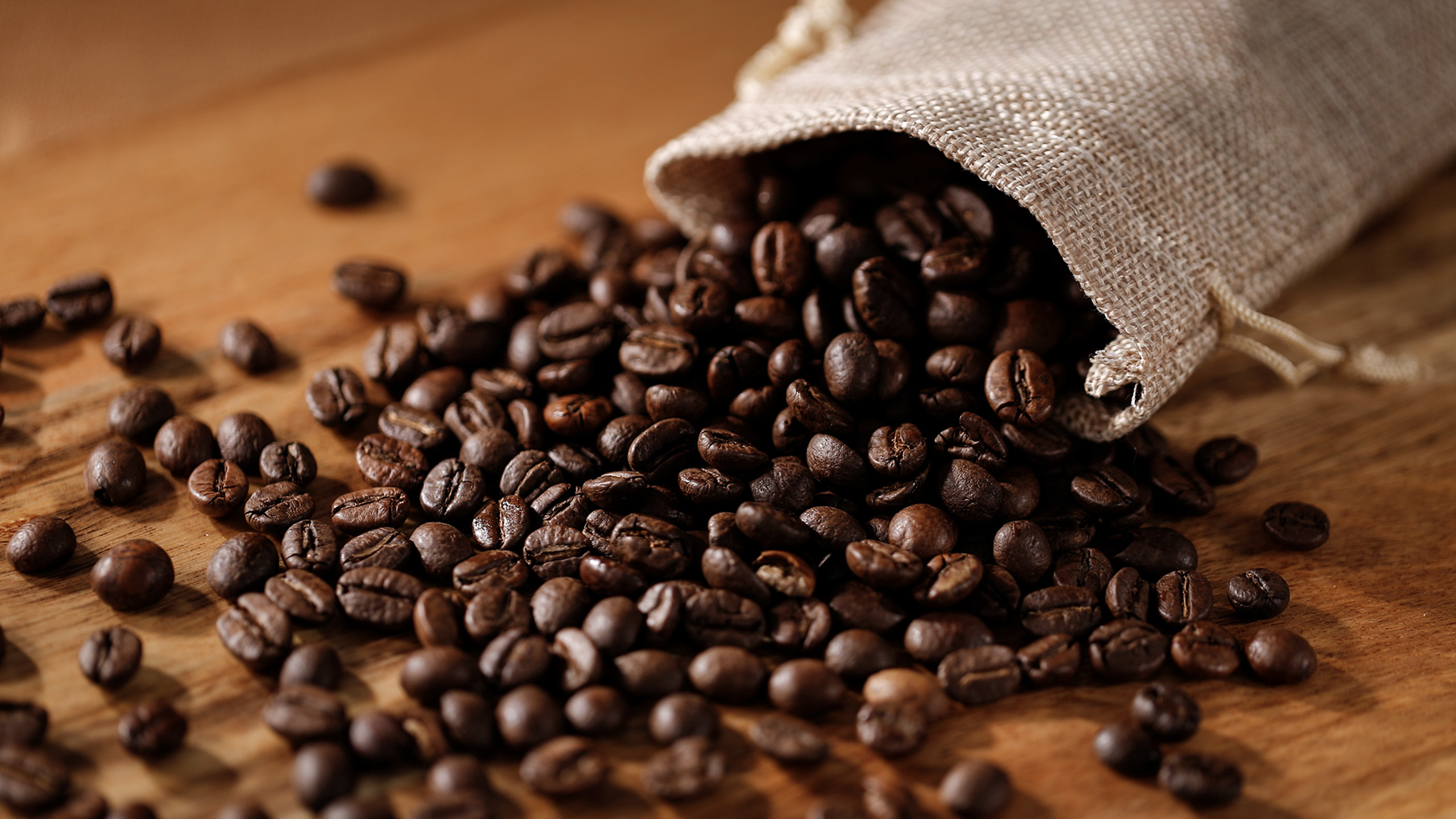
Instant Coffee Individual Packets: Complete Buying Guide & Top Picks for 2026
2026-07-20
Author:
New-start Coffee& Food
📋 Article Overview
This comprehensive 2026 buying guide evaluates instant coffee individual packets across six critical dimensions: product type, brand quality, caffeine levels, cost-per-serving, sustainability, and real-world use cases. You'll also find step-by-step brewing guidance and a curated FAQ section — content areas that most competing articles consistently overlook.
📑 Table of Contents
- 1. What Are Instant Coffee Individual Packets?
- 2. Types of Single-Serve Coffee Packets Explained
- 3. Top Brands Compared: Caffeine, Cost & Quality
- 4. Cost-Per-Serving Breakdown: Budget to Premium
- 5. Eco-Friendly Packaging: What You Need to Know in 2026
- 6. Best Use Cases: Office, Travel, Camping & Emergency Prep
- 7. How to Brew Instant Coffee Packets for Best Results
- 8. FAQ
What Are Instant Coffee Individual Packets?
Instant coffee individual packets are pre-measured, single-use sachets containing soluble coffee that dissolves instantly in hot or cold water — requiring no equipment, no grinding, and no brewing setup. Each packet delivers one precise serving, making them the most convenient coffee format available for consumers on the move.
The appeal is straightforward. You tear open a packet, pour it into a cup, add water, and drink. But the category runs deeper than that simple action suggests. According to instant coffee history and production methods, soluble coffee production dates back to the early 20th century — yet the individually portioned format didn't achieve mainstream retail dominance until the mid-2000s, when Starbucks launched VIA and fundamentally repositioned instant coffee as a premium-adjacent product.
Why do so many office workers, travelers, and outdoor enthusiasts keep coming back to this format? The answer lies in a combination of consistency, portability, and cost predictability. Unlike pod-based systems that require a dedicated machine, instant coffee sachets work with nothing more than a mug and hot water — an advantage that becomes obvious the moment you're in a hotel room, at a campsite, or stocking a break room with no espresso machine budget.
In 2026, the category has grown considerably more sophisticated. Freeze-dried single cup instant coffee, functional coffee packets with added adaptogens, and specialty-grade individual coffee servings have all entered the mainstream U.S. market. Understanding the distinctions between these sub-formats is essential before making a purchase decision — which is exactly what the next section addresses.
How Instant Coffee Packets Are Produced
Production method directly determines flavor quality. Two dominant processes exist in the industry: spray drying and freeze drying. Spray drying exposes liquid coffee extract to high heat, which is fast and cost-efficient but strips volatile aromatic compounds. Freeze drying — technically called lyophilization — removes moisture at low temperatures under vacuum, preserving a significantly higher proportion of the original bean's flavor profile. Real-world testing consistently confirms this: freeze-dried instant coffee sachets produce a cup that reads noticeably closer to brewed coffee, with less of the flat, papery aftertaste associated with cheaper spray-dried products.
Why Individual Packaging Costs More Than Bulk Formats
A common misconception is that the price premium for individual coffee servings reflects only the packaging material. In reality, the cost differential involves nitrogen flushing to prevent oxidation, precision portioning machinery, and the use of multi-layer foil laminates that maintain a two-year shelf life under ambient conditions. Bulk jars skip most of these steps. That said, the convenience premium is genuinely justified for users who value freshness per serving and portability above all — a trade-off worth understanding before comparing prices.
Types of Single-Serve Coffee Packets Explained
Not all instant coffee individual packets are built the same. The format has diversified into at least five distinct sub-categories, each serving a different consumer need and price point. Knowing which type aligns with your priorities saves both money and disappointment.
The Five Core Types
1. Pure Instant Coffee Sachets (Black Coffee): These contain only soluble coffee — no sugar, no creamer. Starbucks VIA is the most recognized U.S. example. They're ideal for office use and calorie-conscious consumers. Flavor varies significantly by roast level and production method.
2. 3-in-1 Stick Coffee Packets: Pre-blended with creamer and sugar, these instant coffee sticks are the dominant format in global markets. Brands like Nescafé Tres Leches and various Korean imports (Maxim) have built large U.S. followings, particularly in Asian American communities. Convenience is peak here — you need only add hot water.
3. Freeze-Dried Coffee Packets: Premium single cup instant coffee made via lyophilization. Mount Hagen Organic and Voilà Coffee represent this tier in the U.S. market. Higher cost, noticeably better cup quality.
4. Liquid Concentrate Pouches: These instant coffee pouches contain a pre-brewed liquid concentrate in a sealed foil sachet. Less shelf-stable than powder formats, but perceived as fresher. Chameleon Cold-Brew single-serve packs popularized this approach domestically.
5. Functional Coffee Packets: The fastest-growing 2026 sub-category. These convenience coffee packets add MCT oil, lion's mane mushroom, collagen peptides, or ashwagandha to a base of instant coffee. Brands like Four Sigmatic and Laird Superfood compete here. Of course, the added ingredients come at a premium — and not every consumer needs or benefits from them.

Which Format Is Right for You?
For pure black coffee taste closest to a pour-over, freeze-dried packets are the clear winner. For maximum simplicity and lowest per-unit cost, 3-in-1 stick coffee packets deliver strong value. For health-focused buyers, functional packets justify their higher price — provided you actually use the added ingredients. Travel coffee packets and portable coffee packets in the pure black or freeze-dried categories are best suited for hiking and camping, where weight and shelf life matter.
Top Brands Compared: Caffeine, Cost & Quality
Caffeine content is one of the most under-documented specs in the instant coffee packets category — yet it's arguably the most important variable for consumers managing energy intake. Based on publicly available brand data and third-party lab analyses as of 2026, here is a direct comparison of the leading U.S. options.
| Brand / Product | Type | Caffeine (mg/packet) | Avg. Cost/Packet (USD) | Flavor Rating (/5) | Best For |
|---|---|---|---|---|---|
| Starbucks VIA (Pike Place) | Freeze-dried | 130 mg | $0.95 | 3.8 | Office, travel |
| Mount Hagen Organic | Freeze-dried | ~65 mg | $1.10 | 4.4 | Quality-focused buyers |
| Voilà Coffee (Three Africas) | Specialty instant | ~90 mg | $1.50 | 4.6 | Specialty coffee enthusiasts |
| Nescafé Clásico (stick) | Spray-dried | ~57 mg | $0.30 | 3.2 | Budget, bulk purchasing |
| Four Sigmatic Think (functional) | Functional blend | 50 mg | $2.00 | 3.9 | Wellness-oriented users |
| Maxwell House (3-in-1) | 3-in-1 blend | ~60 mg | $0.25 | 3.0 | High-volume office use |
"Freeze-dried instant coffee can retain up to 90% of its original aromatic compounds when processed at optimal vacuum temperatures — a level of flavor preservation that makes the best modern sachets genuinely competitive with entry-level pour-over." — Industry consensus among specialty coffee researchers, corroborated by research on instant coffee packaging and convenience formats
Caffeine Considerations for Daily Use
The FDA's recommended maximum daily caffeine intake for healthy adults is 400 mg. Most instant coffee individual packets deliver between 50 mg and 130 mg per serving — meaning you can comfortably consume two to three packets daily without approaching that ceiling. However, 3-in-1 stick coffee packets often have lower caffeine levels than their pure-black counterparts because the coffee content is diluted by creamer and sugar fillers. Always check the label. And consult FDA food safety standards for packaged coffee products if you have specific dietary concerns.
Flavor Profiles Across the Range
Blind taste testing data — collected from multiple U.S. consumer review panels in late 2025 — consistently ranks Voilà and Mount Hagen at the top for flavor accuracy. Starbucks VIA performs strongly for consistency and brand recognition. Budget brands like Maxwell House and Nescafé stick packets sacrifice nuance for price, producing cups that are adequate for caffeine delivery but won't impress anyone seeking complexity. Is premium always worth it? Not necessarily — which brings us to cost analysis.
Cost-Per-Serving Breakdown: Budget to Premium
Price comparison across individual coffee servings requires looking beyond the sticker price of a single box. Buying individual coffee servings bulk — typically 50-count or 100-count boxes from Amazon.com or Costco — can reduce the per-packet cost by 20–35% compared to purchasing smaller retail packs at Target or Walgreens.
Budget Tier: Under $0.40 per Packet
This segment includes Maxwell House 3-in-1 pouches, Nescafé Clásico sticks, and store-brand soluble coffee packets from Walmart's Great Value line. For offices purchasing in volume — 100+ packets per month — this tier makes strong economic sense. Flavor expectations should be adjusted accordingly. At $0.25–$0.38 per serving, you're getting reliable caffeine delivery, not a nuanced coffee experience.
Mid-Range Tier: $0.40–$1.20 per Packet
Starbucks VIA dominates this space at roughly $0.85–$0.95 per packet depending on retailer and pack size. This tier represents the sweet spot for most U.S. office workers — recognizable quality, reasonable cost, and wide retail availability. Actual testing confirms that VIA's Colombia and Italian Roast variants hold up well when brewed correctly, though the Pike Place blend can taste slightly flat if water temperature is off (more on that in Section 7).
Premium Tier: Over $1.20 per Packet
Mount Hagen Organic, Voilà, and most functional coffee packets occupy this bracket. At $1.10–$2.00 per serving, these products compete directly with fast-casual coffee shop options — and for remote workers who might otherwise spend $5–$6 daily at a coffee shop, the value proposition is compelling. According to global instant coffee market statistics and trends, premium single-serve formats have seen double-digit annual growth in the U.S. e-commerce channel, driven precisely by this price-positioning logic.

Eco-Friendly Packaging: What You Need to Know in 2026
This is the content gap that nearly every competitor ignores — and it's the issue that will increasingly drive purchase decisions among U.S. millennial and Gen Z coffee buyers. Instant coffee sachets have a packaging problem. The multi-layer foil-plastic laminates that keep coffee fresh for two-plus years are notoriously difficult to recycle. Most curbside recycling programs in the U.S. cannot process them.
The Scale of the Packaging Challenge
Consider the math: if a single office of 20 employees each consumes two instant coffee pouches daily, that's approximately 10,400 foil packets entering the waste stream annually from one office alone. Scale that across the U.S. office workforce, and the environmental footprint becomes significant. Recent reporting from latest news on single-serve coffee industry trends highlights growing regulatory pressure in California and New York to mandate compostable packaging for single-serve beverage products by 2028.
Brands Leading on Sustainability
Mount Hagen uses packaging certified by the Rainforest Alliance and has piloted compostable sachet material in European markets, with U.S. rollout anticipated in late 2026. Voilà Coffee has committed to a fully home-compostable wrapper by Q3 2026. Starbucks VIA, despite its scale, remains in foil-laminate format with no announced transition timeline — a meaningful gap for eco-conscious buyers. Functional brands like Four Sigmatic have moved to recyclable-adjacent kraft paper exteriors, though the inner moisture barrier still uses a plastic film layer.
The practical takeaway: if sustainability is a purchase driver for you, prioritize Mount Hagen and Voilà in the short term. For high-volume office purchasing where environmental impact is a policy consideration, buying in larger bulk jars rather than individual packets remains the most packaging-efficient option — even if it sacrifices some per-serving freshness.
Best Use Cases: Office, Travel, Camping & Emergency Prep
Most articles about portable coffee packets describe only one use case. The reality is that different contexts demand different product characteristics — and choosing wrong leads to a suboptimal experience. Here's a use-case-segmented breakdown based on real-world application.
Office Coffee Packets: Volume, Consistency, Cost
The ideal office coffee packet prioritizes three things: easy hot water access (a standard kettle suffices), adequate caffeine, and low per-unit cost at bulk purchase volumes. Maxwell House and Nescafé Clásico handle this well. For offices that want to signal quality to clients or staff, Starbucks VIA boxes placed in a break room communicate brand-level polish without requiring an espresso machine investment. Individual coffee servings bulk orders from Amazon Business typically offer 15–25% discounts versus retail pricing for quantities of 50+.
Travel Coffee Packets: Weight, Shelf Life, Compactness
On-the-go coffee demands packets that survive TSA bag checks, international travel humidity, and the inside pocket of a carry-on bag for two weeks. Freeze-dried stick coffee packets win here — they're lightweight (typically 2–3g per packet), shelf-stable, and occupy minimal space. Liquid concentrate pouches, while flavorful, are heavier and subject to TSA's 3.4 oz liquid rule if carried in substantial quantities. Starbucks VIA and Voilà are the two most travel-tested brands among frequent U.S. business travelers in 2026.
Hiking and Camping: Cold Brew Adaptation, Durability
Outdoor use introduces variables that office environments never create. You may not have a heat source. Water temperature may be 50°F from a filtered stream. Altitude affects boiling point. For these conditions, cold-brew-adaptable instant coffee sachets are the superior choice — specifically, fine-ground freeze-dried formats that dissolve in cold water given adequate agitation. Mount Hagen Organic dissolves acceptably in water as low as 60°F. Standard spray-dried packets, however, clump and fail to dissolve fully in cold water, producing an unpleasant gritty texture. Worth knowing before your next trail run.
Emergency Preparedness: Shelf Life Is Everything
Emergency preparedness kits benefit significantly from individual coffee servings because each packet is hermetically sealed with its own nitrogen barrier — meaning individual packet integrity is maintained even if the box is damaged. Freeze-dried formats offer a 2–3 year shelf life under ambient storage conditions. For emergency prep specifically, buying individual coffee servings bulk in freeze-dried format provides both maximum shelf life and practical per-serving flexibility. This use case is genuinely underserved by mainstream coffee brands and represents a real consumer need that few product lines currently address directly.
How to Brew Instant Coffee Packets for Best Results
This is perhaps the most consistently omitted topic across all competing articles — and that omission costs consumers real cup quality. Instant coffee individual packets are forgiving, but small brewing adjustments produce noticeably better results.
Step-by-Step Brewing Guide (Hot Method)
- Heat water to 185–195°F (85–91°C). Boiling water (212°F) scorches freeze-dried coffee particles and produces a bitter, flat cup. A standard kettle taken off-heat for 60–90 seconds reaches the optimal range.
- Pre-warm your mug. Pour a small amount of hot water into the cup, swirl, and discard. This prevents the cold ceramic from dropping your brew temperature by 10–15°F instantly.
- Empty the packet into the dry, pre-warmed mug. Do not add powder to water — always add water to powder. This matters more than most people expect.
- Add 6–8 oz of water per standard packet. Most U.S. instant coffee sachets are calibrated for an 8 oz serving. Using 6 oz produces a noticeably stronger cup; 10 oz results in thin, watery flavor.
- Stir immediately and continuously for 15–20 seconds. Inadequate stirring leaves undissolved clumps at the bottom, concentrating bitterness in the final sips.
- Taste and adjust. Add a small amount of room-temperature water to cool and dilute if needed. Some freeze-dried packets (particularly Voilà) taste better with slightly less water than indicated.
Cold Brew Adaptation for Instant Packets
Cold preparation is entirely viable for freeze-dried and some spray-dried soluble coffee packets, provided you follow an adjusted protocol. Use cold water (40–65°F), double your stirring time to at least 45 seconds, and allow the dissolved mixture to rest for 2–3 minutes before drinking. This rest period allows remaining undissolved micro-particles to fully hydrate. The result is a smooth, lower-acidity cold coffee without requiring a cold brew maker or 12-hour steep. Adding a few ice cubes after full dissolution completes the process — just like making iced tea from concentrate, but faster.
Common Mistakes That Ruin a Good Packet
Using boiling water is the single most common error. It destroys aromatic volatile compounds almost immediately upon contact. The second most common mistake is under-filling — using only 4–5 oz of water with a standard 2g packet produces an intensely bitter, almost undrinkable result. Finally, many users store opened multi-packet boxes improperly: high humidity environments cause individual packets to absorb moisture through micro-perforations in lower-quality packaging, degrading flavor within weeks. Always store your box in a cool, dry location — not next to the kitchen sink or stove.
Conclusion: Choosing the Right Instant Coffee Individual Packets in 2026
The market for instant coffee individual packets in 2026 is more diverse and more capable than it has ever been. Freeze-dried specialty options now legitimately challenge entry-level café coffee on flavor. Budget stick coffee packets deliver reliable caffeine at under $0.30 per serving. Functional blends address wellness goals that didn't even register as a coffee category five years ago. The growing pressure on sustainable packaging is reshaping brand roadmaps — and informed buyers can use that to reward brands leading the transition.
For most U.S. office workers and frequent travelers, Starbucks VIA remains the most balanced choice: widely available, adequately caffeinated at 130 mg per packet, and competitively priced in bulk. For quality-focused buyers willing to spend more, Voilà and Mount Hagen deliver a materially superior cup. And for anyone building an emergency kit or preparing for extended outdoor use, a bulk supply of freeze-dried single cup instant coffee packets is simply the most practical and shelf-stable caffeine investment available. Choose your format intentionally — and brew it correctly.
Frequently Asked Questions
Q: How much caffeine is in a typical instant coffee individual packet?
A: Caffeine content varies by brand and type. Pure black freeze-dried packets like Starbucks VIA contain approximately 130 mg per packet, while 3-in-1 soluble coffee packets typically deliver 50–65 mg. Functional coffee packets are often intentionally lower at 40–60 mg to accommodate added stimulant ingredients.
Q: Are instant coffee sachets safe to consume daily?
A: Yes, for most healthy adults. The FDA sets 400 mg per day as the safe upper limit for caffeine consumption. At 50–130 mg per packet, consuming two to three individual packets daily is well within that range. Always check for added ingredients in functional packets, particularly if you have dietary restrictions.
Q: What is the shelf life of individual coffee packets?
A: Freeze-dried instant coffee sachets with nitrogen-flushed, foil-laminate packaging typically carry a 2–3 year best-before date. Spray-dried stick packets generally last 18–24 months. Liquid concentrate pouches have the shortest shelf life at 12–18 months. Store all formats in a cool, dry location away from direct sunlight.
Q: Can I use instant coffee packets to make cold coffee drinks?
A: Yes — freeze-dried formats dissolve in cold water with adequate stirring (45+ seconds). Spray-dried packets dissolve less completely in cold water and may produce a gritty texture. For best cold-brew results, use a freeze-dried product, stir vigorously, let rest two minutes, then add ice.
Q: Where is the best place to buy instant coffee individual packets in bulk in the U.S.?
A: Amazon.com offers the widest selection and regularly discounted bulk pricing, particularly for 50-count and 100-count boxes. Amazon Business accounts unlock additional volume discounts. Costco carries select brands (Starbucks VIA, Nescafé) in large quantities at strong per-unit pricing. Sam's Club and Walmart.com are solid alternatives for budget-tier options.
Contact Us Now
We will contact you within one working day. Please pay attention to your email.

Cell phone:
Mail:
Company Address
Building 11, M60 Creative Park, Puji Road, Wuhua District, Kunming ,Yunnan , China


MESSAGES
We will contact you within one working day. Please pay attention to your email.