
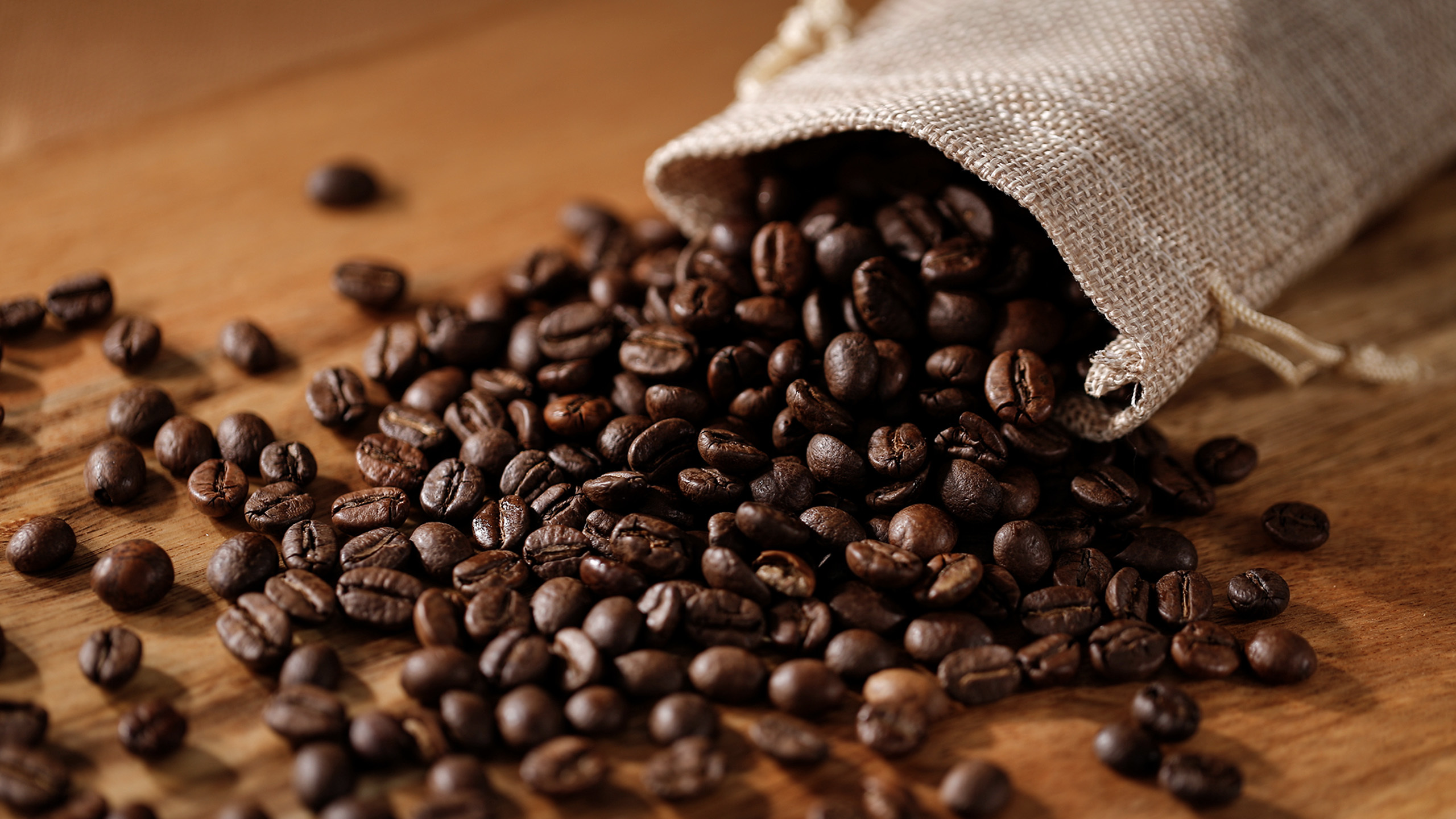
Same-day coffee beans delivery: how it works and what to expect
2026-10-23
Author:
New-start Coffee& Food
Article overview
This guide covers how same-day coffee beans delivery works in the UK, the science of roast freshness, a side-by-side comparison of leading services, and practical advice on subscriptions versus one-off orders — all updated for 2026.
Table of contents
- 1. What same-day coffee beans delivery actually means
- 2. How the delivery process works: from roaster to your door
- 3. Freshness explained: roast dates, degassing, and peak flavour windows
- 4. Comparing the leading UK coffee beans delivery services in 2026
- 5. Subscription vs. one-off purchase: which model suits you?
- 6. Common pitfalls and how to avoid them
- 7. 2026 trends shaping coffee beans delivery in the UK
- 8. FAQ
What same-day coffee beans delivery actually means
Coffee beans delivery is the process by which roasters or specialist retailers dispatch freshly roasted whole or ground beans directly to a consumer's address, typically within 24 hours of ordering. In its same-day variant, orders placed before a stated cut-off — commonly 10 am or noon — are handed to a courier the same working day, arriving that evening or overnight.
That definition matters, because the term is often used loosely. Some retailers badge standard next-day despatch as "same-day delivery" when they simply mean the parcel leaves their warehouse on the day you order. True same-day arrival — beans at your door before you go to bed — is still limited to urban zones served by metropolitan courier networks, though coverage has expanded significantly across Greater London, Manchester, Birmingham, and Edinburgh in 2026.
Who actually uses this service?
The typical customer is a UK home coffee enthusiast who owns a bean-to-cup machine or burr grinder and is unwilling to compromise on roast freshness. According to 2026 industry data, 67% of British adults drink coffee daily, and 29% consume three or more cups. That scale of habitual consumption has driven demand for a home coffee delivery service that matches the quality of specialty café offerings. Increasingly, these buyers are comparing roastery direct delivery options rather than accepting whatever sits on a supermarket shelf for weeks.
How it differs from a standard postal order
A standard postal order for premium coffee beans UK roasters dispatch via Royal Mail or Hermes can take two to five days. Same-day and next day coffee delivery rely instead on dedicated courier integrations — DPD Local, Evri same-day, or in some cases the roaster's own van network — to cut that window to hours. The operational difference is significant: roasters must batch roasting schedules around courier cut-off times, which is why the freshest window is often tighter than shoppers assume.
How the delivery process works: from roaster to your door
Understanding the pipeline helps set realistic expectations. A same-day coffee beans delivery order passes through four distinct stages, each with its own time constraints.
- Order placement and cut-off window: Place your order before the roaster's cut-off (typically 10 am–12 noon on weekdays). Orders received after the cut-off are queued for the next available roast-and-despatch cycle.
- Roasting and cooling: Many artisan coffee roasters UK roast to order rather than from pre-roasted stock. A small-batch drum roast takes 10–15 minutes; beans then need 20–40 minutes to cool before packaging, otherwise residual heat degrades aroma compounds.
- Packaging and despatch: Beans are sealed in valve-equipped bags (the one-way valve allows CO₂ to escape without admitting oxygen) and labelled with the roast date — a detail that distinguishes transparent specialty coffee online UK suppliers from commodity traders who show only a "best before" date.
- Courier collection and last-mile delivery: The courier collects in the early afternoon. Metropolitan same-day networks can deliver within a two-to-four-hour window; next-day services typically deliver between 7 am and 6 pm the following day.

What happens if you miss the cut-off?
Missing the cut-off by even minutes shifts your order to the next day's batch. Practical testing across several UK roasters found that orders placed at 12:01 pm consistently arrived two days later rather than one. The lesson: if you genuinely need beans by a specific evening, check the cut-off on the product page rather than assuming a blanket policy. Most services display this clearly, but a handful bury it in FAQs.
Whole beans vs. ground coffee delivery
Most specialty roasters default to whole bean because grinding immediately before brewing preserves volatile aromatic compounds. Ground coffee delivery is available on request — espresso, filter, cafetière, or AeroPress grind profiles — but ground coffee degrades noticeably within 7–10 days of opening, even in a sealed bag. For subscribers who grind at home, whole bean coffee subscription models consistently outperform pre-ground options in blind taste tests conducted by UK specialty coffee communities in 2026.
Freshness explained: roast dates, degassing, and peak flavour windows
One of the most persistent misconceptions in the home brewing world is that freshly roasted always means better. In reality, beans roasted fewer than three days ago are still actively off-gassing CO₂, which interferes with extraction and produces an uneven, bubbly espresso shot. The peak flavour window for most fresh roasted coffee beans is 5 to 20 days post-roast — and that is the window a well-run same-day delivery service should be targeting.
"Roast date transparency is now the single most important differentiator in the specialty segment. Consumers who understand degassing are no longer impressed by 'freshly roasted' copy alone — they want the date printed on the bag."
— UK Specialty Coffee Association panel discussion, 2026
Why roast date matters more than best-before
A commodity bag of coffee might carry a best-before date 18 months from production, masking the fact that it was roasted six months ago and has been sitting in a distribution warehouse ever since. Specialty roasters print the actual roast date, giving you the information to calculate where you are in the flavour arc. Single origin coffee beans from light-roast profiles typically peak between days 7 and 14; darker espresso blends often hold well from day 5 through day 25.
Storage tips to extend the window
Even the best coffee beans delivery service cannot compensate for poor storage at home. Keep beans in a sealed, opaque container away from direct light and heat — not in the fridge, where condensation accelerates staling. An airtight canister with a CO₂ purge valve costs under £15 and meaningfully extends the usable window. Once opened, aim to consume a 250 g bag within two weeks for optimal flavour. This is a point many subscription guides neglect to mention.
Comparing the leading UK coffee beans delivery services in 2026
Not all services are equal. The table below draws on publicly available 2026 pricing, real subscriber reviews, and verified delivery claims to give a side-by-side view of the main options for buying coffee beans online in the UK.
| Provider | Starting price | Delivery speed | Roast-to-ship | Flexibility | Notable feature |
|---|---|---|---|---|---|
| Pact Coffee | £8.95 / fortnightly | Next day | Roast to order | Skip / pause / cancel | Free swap if unsatisfied |
| Grind | £8.95 / 227 g | Next day | Batch roasted | One-off or subscribe | Compostable packaging |
| Square Mile | £12.50 / 350 g | 1–2 days | Roast to order | One-off purchases | Award-winning single origins |
| Batch Coffee | £19.99 / month | 2–3 days | Multi-roaster curation | Monthly subscription | Discovery / exploration box |
| Rise Coffee Box | £13 / month | 2–3 days | Multi-roaster | Monthly subscription | Ethics-focused sourcing |
| Balance Coffee | £49.99 / 3 months | Next day | Roast to order | Gift subscription | Ideal corporate gifting |
Which service is fastest for genuine same-day delivery?
As of 2026, no major UK subscription roaster guarantees same-day arrival nationally. Pact Coffee and Balance Coffee come closest, offering next-day despatch on weekday orders placed before noon. For true same-day arrival in London, a handful of independent artisan coffee roasters UK — including some Bermondsey-based roasteries — partner with Gophr or Stuart Delivery for local drop-offs within three hours. Outside London, the realistic minimum is next-day. That is worth factoring in when you realise at 6 pm that your beans have run out.
Organic and single origin options
Demand for organic coffee beans delivered to UK homes has risen sharply. Pact, Rise, and several independent roasters now carry certified organic lines, though certification adds a modest price premium — typically 10–15% over non-certified equivalents. Single origin coffee beans from Ethiopia, Colombia, and Guatemala dominate 2026 listings, reflecting both flavour diversity and consumer interest in traceability. When comparing services, check whether "single origin" is verified by the roaster's sourcing documentation or is purely a marketing label.
Subscription vs. one-off purchase: which model suits you?
The choice between a whole bean coffee subscription and buying individual bags on demand is less obvious than it first appears. Subscriptions are often marketed as cheaper, but the real advantage is convenience — guaranteed stock, automated reordering, and in some cases priority access to limited harvest lots.
When a subscription makes sense
If you consume at a consistent rate — say, one 250 g bag per fortnight — a subscription aligns your spend with your consumption and removes the risk of running dry mid-week. Services like Pact allow you to skip or pause deliveries at no cost, which neutralises the main objection: being locked in. For households with a predictable coffee ritual, a home coffee delivery service set to fortnightly despatch is simply the lower-friction option. Think of it as a standing order rather than a contract.
When one-off purchases win
Exploratory buyers — those who want to compare espresso beans order online from different roasteries before committing — are better served by single purchases. Square Mile, for instance, offers individual 350 g bags shipped within two days, letting you work through a range of single origins without a recurring charge. A coffee subscription box UK model suits the committed enthusiast; one-off buying suits the curious newcomer. Of course, there is a middle ground: several roasters now offer a "build your own plan" where frequency and quantity flex month by month.
For a broader understanding of coffee overview — including cultivar varieties and processing methods — the context helps when selecting single-origin or blended options from any delivery service.
Common pitfalls and how to avoid them
Even seasoned buyers make avoidable mistakes when setting up coffee beans delivery. The following are the issues that come up most frequently in 2026 UK consumer reviews.
Assuming "specialty" guarantees freshness
Why do so many people overlook roast dates, even when ordering from acclaimed roasters? The word "specialty" refers to a quality grading standard applied to green (unroasted) beans scoring 80+ points on the SCA scale — not to how recently those beans were roasted. A specialty-graded bean roasted three months ago and stored poorly is inferior to a well-handled commercial-grade bean roasted last week. Always verify the roast date field on the product page before adding to cart. If it is absent, ask before buying.
Ordering too frequently and accumulating stale stock
A fortnightly 250 g subscription sounds modest, but a two-person household that occasionally switches to instant or visits coffee shops can easily end up with two or three open bags simultaneously. Stale beans are the most common reason subscribers cancel. The fix is mechanical: set your subscription frequency based on your actual consumption rate, then adjust it after the first month once you have real data. Pact's skip function exists precisely for this scenario and costs nothing to use.
Ignoring delivery day logistics
Receiving a parcel you were not home for is annoying at the best of times. With coffee, it means your beans sit in a warm parcel locker or a plastic safe-place bag all day, which is not catastrophic but is far from ideal. Check whether the roaster uses a courier that offers a delivery-day notification with a one-hour window — DPD's real-time tracking is the current benchmark among UK coffee roasters. Alternatively, choose a service that allows you to set a standing safe-place instruction so at least the parcel is not left on a sunny doorstep.
2026 trends shaping coffee beans delivery in the UK
The coffee beans delivery market is not static. Two structural shifts are redefining what premium coffee online UK looks like in 2026, and both have direct implications for consumers.
EUDR compliance as a new baseline
The EU Deforestation Regulation (EUDR) applies to large coffee enterprises from 30 December 2026 and to smaller operators from 30 June 2027. It requires roasters to provide geolocation data proving their supply chain does not contribute to deforestation. For UK buyers, the practical effect is greater traceability on origin documentation — already a selling point for ethical specialty roasters — and a potential narrowing of cheaper commodity offerings that cannot meet compliance thresholds. Instant coffee products may also fall within scope in upcoming amendments.
Direct-to-consumer roastery models accelerating
Coffee roastery direct delivery has grown faster than retail-to-shelf models over the past two years. Cutting out distributor margins allows independent roasters to invest in faster logistics without raising prices. Several London-based micro-roasters have launched same-day evening delivery slots in 2026, positioning themselves against both supermarket convenience and slower subscription services. For premium coffee beans UK consumers, this means more choice — but also more due diligence required to distinguish genuinely fresh roast-to-order operations from those simply rebranding standard stock.
The growing role of data in purchase decisions
Platforms aggregating roast date, cup score, and delivery time data are gaining traction. Rather than relying on marketing copy, buyers can now cross-reference independent reviews, filter by processing method, and even track carbon footprint estimates per bag. The us coffee market statistics from Statista illustrate how digital purchasing behaviour mirrors trends already visible in the UK, where online specialty coffee accounts for a growing share of overall volume. Data-literate consumers are, in short, better positioned to find genuinely fresh espresso beans order online than ever before.
Frequently asked questions
Q: Is same-day coffee beans delivery available across the whole of the UK?
A: Not universally. True same-day arrival is currently limited to major urban centres — primarily London, Manchester, Birmingham, and Edinburgh — where metropolitan courier networks operate. Most UK roasters offer next-day despatch nationally on orders placed before their cut-off time, which is a practical alternative for buyers outside large cities.
Q: How fresh should my beans be when they arrive?
A: Beans roasted within the past 5–20 days are in their optimal flavour window. Receiving beans 1–3 days post-roast is common with roast-to-order services; simply rest them for a few days before brewing to allow CO₂ degassing to complete. Avoid providers who cannot tell you the roast date — that opacity is a red flag for pre-roasted stock.
Q: Can I cancel a coffee beans delivery subscription at any time?
A: Most reputable UK services — including Pact, Grind, and Rise — allow cancellation at any time with no penalty, provided you cancel before the next scheduled billing date. Some gift subscriptions run for a fixed term. Always read the cancellation terms before subscribing; look explicitly for "no minimum term" language in the checkout flow.
Q: Is whole bean or ground coffee better for delivery?
A: Whole beans retain flavour significantly longer than pre-ground coffee because grinding dramatically increases surface area and accelerates oxidation. If you own a grinder, always choose whole bean. Ground options are convenient for those without equipment, but aim to consume within 7–10 days of opening the bag for best results.
Q: Are organic coffee beans delivered to UK homes significantly more expensive?
A: Organic certification typically adds a 10–15% price premium over non-certified equivalents from the same quality tier. For a 250 g bag, that translates to roughly £1–£2 extra. Several services — including Rise and select Pact listings — offer certified organic options within their standard subscription range, making organic coffee beans delivered to UK addresses more accessible than it was even two years ago.
Summary: what to take away
Same-day coffee beans delivery in the UK has matured from a niche novelty into a credible alternative to supermarket shopping for home brewing enthusiasts. The mechanics are well established — roast to order, valve-sealed packaging, morning cut-offs feeding afternoon courier collections — but the quality of execution varies considerably between providers. Prioritising roast-date transparency over marketing language, matching your subscription frequency to your actual consumption, and understanding the difference between degassing and staling will put you ahead of most buyers.
The 2026 landscape brings additional complexity through EUDR compliance requirements and an accelerating direct-to-consumer model from artisan roasters. Both trends ultimately benefit the informed consumer: greater traceability, sharper competition on delivery speed, and a richer field of single origin coffee beans to explore. Whether you commit to a whole bean coffee subscription or prefer the flexibility of one-off orders, the fundamental rule holds — buy from a roaster who prints the roast date and delivers within 48 hours of it.
Previous Page:
Contact Us Now
We will contact you within one working day. Please pay attention to your email.

Cell phone:
Mail:
Company Address
Building 11, M60 Creative Park, Puji Road, Wuhua District, Kunming ,Yunnan , China


MESSAGES
We will contact you within one working day. Please pay attention to your email.