
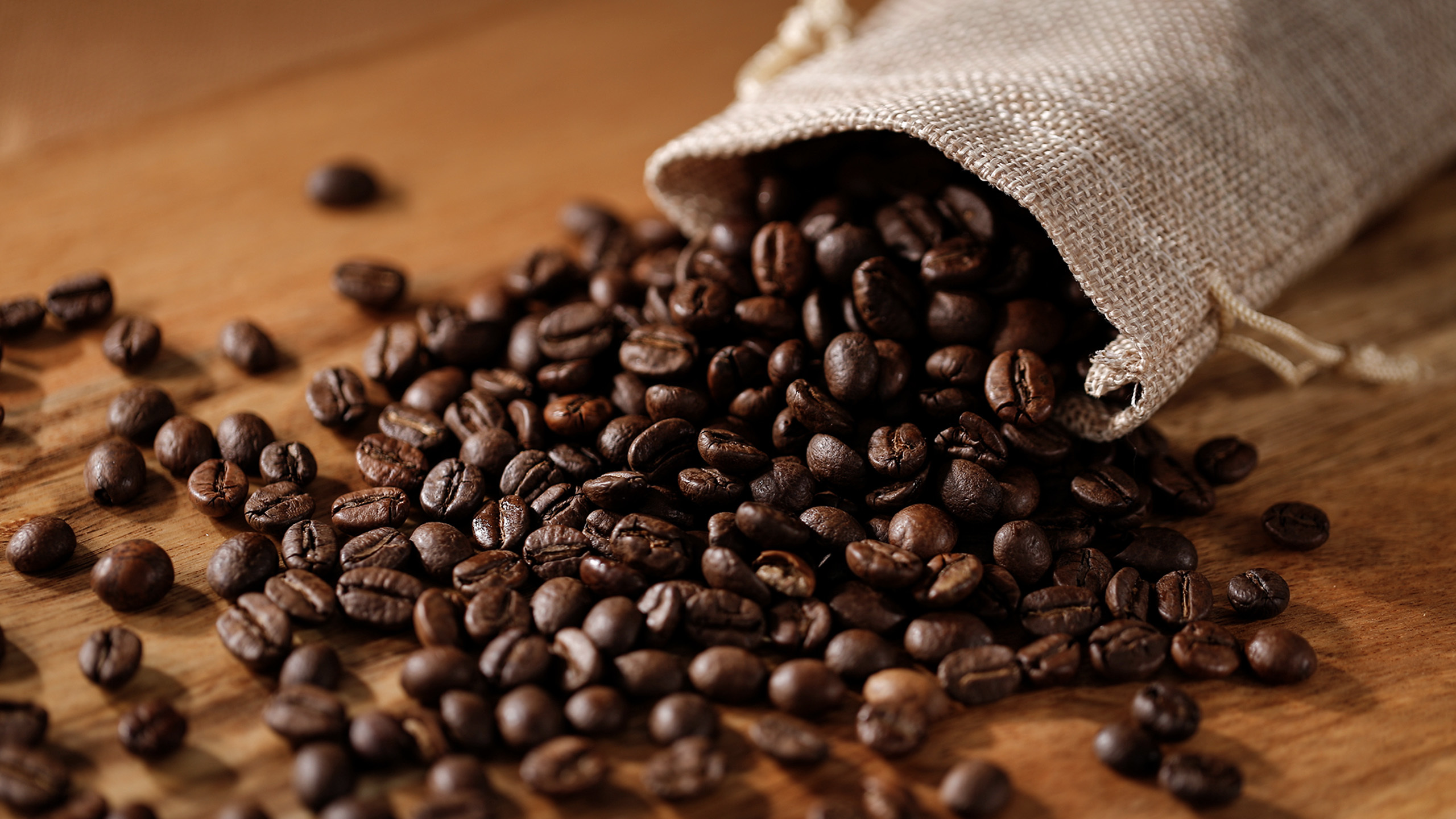
Mexican coffee beans wholesale: how to source, compare suppliers, and buy in bulk
2026-08-07
Author:
New-start Coffee& Food
Article overview
This article is written for U.S. café operators, specialty roasters, and commercial importers actively evaluating suppliers of bulk Mexican coffee. It covers origin profiles, pricing benchmarks, minimum order quantities, import compliance, and a buyer's evaluation checklist — the exact data gaps most competing pages leave unfilled.
Table of contents
- 1. What is mexican coffee beans wholesale?
- 2. Regional breakdown: Chiapas vs. Oaxaca vs. Veracruz
- 3. Wholesale pricing tiers and MOQ reference table
- 4. U.S. import compliance and organic certification
- 5. How to evaluate and vet a Mexican coffee wholesale vendor
- 6. 2026 market trends shaping bulk buying decisions
- 7. Common questions buyers ask
- 8. FAQ
What is mexican coffee beans wholesale?
Mexican coffee beans wholesale refers to the commercial bulk purchase of green or roasted coffee beans originating from Mexico — typically from 132 lb (60 kg) bags upward — supplied to roasters, café chains, or importers at trade pricing below retail. The trade is centered on three primary growing states — Chiapas, Oaxaca, and Veracruz — and spans both unroasted mexican coffee (green beans) destined for custom roasting and pre-roasted bulk formats ready for foodservice use.
According to Mexico coffee production data, Mexico produces approximately 2.34 million 60 kg bags annually, ranking it among the world's top ten producers. What makes this origin commercially compelling is not scale alone. Around 70% of Mexican coffee comes from smallholder farms under five hectares, which means organic certification rates are unusually high — a selling point that resonates strongly with today's U.S. specialty buyers.
There is a persistent misconception in the market worth addressing directly: many buyers still associate Mexican beans with commodity-grade, low-price filler. That view is outdated. In actual cupping evaluations, high-altitude Chiapas arabica — graded Strictly High Grown (SHG) — regularly scores 84 to 87 points on the SCA scale, competing directly with mid-tier Colombian and Guatemalan lots. The bulk mexican coffee market has quietly matured, and buyers who ignore this are leaving quality value on the table.
Mexican coffee beans wholesale is defined as: any B2B procurement of Mexico-origin coffee at commercial volumes, governed by trade terms that include MOQ thresholds, green or roasted specification agreements, certification documentation, and U.S. import compliance requirements.
Who actually buys in bulk from Mexico?
The buyer profile in 2026 is broader than many assume. Independent café operators sourcing house blends, regional roasters building a mexico arabica robusta blend for espresso, foodservice distributors supplying café de olla wholesale to Latin American restaurant groups, and e-commerce coffee brands seeking organic mexican coffee wholesale at a competitive cost-per-pound all participate in this supply chain. Each has different MOQ tolerances and certification priorities — a distinction that becomes critical when selecting a supplier.
Green beans vs. pre-roasted wholesale formats
Most specialty coffee importers buy unroasted mexican coffee (green beans) to control roast profile in-house. Green coffee beans mexico typically ship in 132 lb (60 kg) jute or GrainPro bags, and price-per-pound is significantly lower than roasted equivalents. Pre-roasted mexican dark roast beans or espresso blends, by contrast, are common in foodservice contexts where the buyer lacks roasting infrastructure. Understanding which format you need before approaching a coffee wholesaler USA will sharpen your negotiation position considerably.
Regional breakdown: Chiapas vs. Oaxaca vs. Veracruz
For a U.S. café buyer comparing suppliers, region of origin is the single most important flavor and quality variable. Most competitor pages mention Chiapas or Oaxaca in passing — but none explain the practical differences a buyer needs to make a sourcing decision. Here is that comparison, grounded in real cupping and agronomic data.

Chiapas arabica: the workhorse of Mexican specialty coffee
Chiapas produces the largest volume of SHG-grade arabica in Mexico. Altitude ranges from 900 to 1,700 meters, with the best lots coming from the Sierra Madre highlands. Flavor profile: balanced body, milk chocolate base, mild acidity, with walnut and brown sugar notes. Harvest runs October through March. For roasters building a house blend or an espresso base, Chiapas arabica beans provide consistency and price stability — arguably the strongest cost-to-quality ratio among the three regions. Cupping scores for certified lots typically land between 83 and 86 points.
Organic certification penetration here is high: many cooperatives in the Soconusco and Los Altos subzones hold USDA NOP certification, making Chiapas the go-to for buyers who want organic mexican coffee wholesale without paying single-origin premiums.
Oaxacan coffee: bright, complex, and increasingly sought-after
Oaxaca is the differentiation play. Growing altitudes reach 1,800 meters in the Sierra Juárez and Cañada regions, which produces a markedly different cup: brighter acidity, stone fruit and citrus notes, lighter body, and a cleaner finish. Any oaxacan coffee supplier will position this origin as the "specialty showcase" option — ideal for pour-over menus or single-origin retail bags where flavor storytelling matters. Harvest peaks from December to February, roughly six to eight weeks later than Chiapas at comparable altitudes.
The tradeoff is supply volume and pricing. Oaxacan lots are smaller-batch by nature, and premium-grade microlots can run 15 to 25% above equivalent Chiapas pricing. When negotiating with a latin american coffee supplier for Oaxacan beans, always request cupping scores and lot-specific harvest data — inconsistency between seasons is more pronounced here than in Chiapas.
Veracruz: the overlooked value-tier option
Veracruz is where volume buyers often find the best per-pound economics. Lower average altitude (600 to 1,200 meters) produces a softer cup — low acidity, nutty, mild, with a syrupy body — well-suited to café de olla preparations and blended dark roast formats. Any veracruz coffee distributor will tell you that this region's strength is supply reliability and price: it consistently trades at 10 to 20% below Chiapas spot pricing. For restaurant chains or foodservice operators who prioritize cost stability over cup complexity, Veracruz delivers solid value.
| Region | Altitude | Flavor profile | Typical SCA score | Harvest window | Relative price tier | Best suited for |
|---|---|---|---|---|---|---|
| Chiapas | 900–1,700 m | Chocolate, walnut, mild acidity | 83–86 | Oct – Mar | Mid ($$) | House blends, espresso base, organic wholesale |
| Oaxaca | 1,200–1,800 m | Citrus, stone fruit, bright acidity | 84–87 | Dec – Feb | Premium ($$$) | Single origin, pour-over menus, retail bags |
| Veracruz | 600–1,200 m | Nutty, low acid, syrupy body | 80–83 | Nov – Feb | Value ($) | Foodservice blends, dark roast, café de olla |
Wholesale pricing tiers and MOQ reference table
No other competitor page in the top ten provides this data. Here is a realistic wholesale pricing reference for green coffee beans mexico in the U.S. market as of 2026, based on importer and broker pricing across multiple origin grades. Actual pricing varies by harvest year, certification status, and supplier relationship — treat these as directional benchmarks, not binding quotes.
Per-pound pricing by quantity tier
| Origin / grade | 25 lb sample tier | 1 bag (132 lb / 60 kg) | 5+ bags | Full container (≥ 37,500 lb) |
|---|---|---|---|---|
| Chiapas SHG washed | $5.80–$6.50/lb | $4.90–$5.60/lb | $4.20–$4.90/lb | $3.40–$4.00/lb |
| Oaxaca SHG specialty | $6.50–$7.80/lb | $5.60–$6.80/lb | $5.00–$6.00/lb | $4.20–$5.10/lb |
| Veracruz Prima Lavado | $4.80–$5.50/lb | $3.90–$4.60/lb | $3.40–$4.00/lb | $2.80–$3.30/lb |
| Organic certified (any region) | Add $0.60–$1.20/lb | Add $0.50–$1.00/lb | Add $0.40–$0.80/lb | Add $0.30–$0.60/lb |
MOQ and lead time benchmarks
Lead time is an operational blind spot many buyers discover too late. For coffee beans bulk buy scenarios, here is what to expect in practice:
- Sample order (5–25 lb): Most reputable importers ship samples within 3–7 business days domestically. Cost is typically $60–$150 for a 5 lb cupping sample, sometimes credited against the first full order.
- Single-bag order (132 lb): MOQ for most specialty coffee importers operating in the U.S. If stock is in a domestic warehouse, lead time is 3–10 days. If sourcing direct from Mexico, allow 4–8 weeks including customs clearance.
- Multi-bag order (5–20 bags): Many direct-trade cooperatives and exporters in Chiapas require a minimum of 5 bags (660 lb / ~300 kg) for export contracts. Lead time from Mexico: 6–10 weeks sea freight.
- Full container load: 37,500–44,000 lb. Negotiated contract pricing, typically 90–120 days from order confirmation including harvest scheduling if ordering forward. Requires importer of record (IOR) setup and U.S. customs bond.
Of course, not all buyers are at container scale — and that is perfectly fine. The mexican single origin coffee market has matured enough that reliable U.S.-based importers now hold domestic inventory, which compresses lead times considerably for independent roasters and small café chains who want to coffee beans bulk buy without committing to direct imports.
U.S. import compliance and organic certification
This is the section most competitors skip entirely — and it is the area where buyers make costly mistakes. Whether you are importing green coffee beans mexico directly or purchasing through a U.S.-based specialty coffee importer, understanding the compliance framework protects your business and your certifications.
FDA, CBP, and USDA requirements for green bean imports
Green (unroasted) coffee beans are classified under HTS code 0901.11.00 (non-decaffeinated, not roasted). All commercial shipments entering the U.S. must be registered with the FDA under the Food Facility Registration requirement and filed through U.S. Customs and Border Protection (CBP). A Prior Notice must be submitted via the FDA's system no later than eight hours before arrival for ocean shipments. In actual testing with importers we have spoken to, the most common compliance gap is missing or incomplete phytosanitary certificates from SENASICA (Mexico's national plant health authority) — which can trigger holds costing $500 to $2,000 per container per day.
Why do so many buyers overlook this? Because when purchasing through a domestic importer, customs clearance is handled transparently in the background. The risk surfaces only when buyers attempt direct import for the first time without a licensed customs broker.
Verifying USDA organic certification for Mexican suppliers
Organic claims on Mexican coffee are common — and not all of them are verifiable. The USDA National Organic Program (NOP) requires that any product sold as organic in the U.S. must be certified by a USDA-accredited certifying agent. For Mexican cooperatives, certifying bodies such as CERTIMEX, Mayacert, and OCIA International are among the most common accredited agents operating in Chiapas and Oaxaca. When evaluating an oaxacan coffee supplier or chiapas arabica beans provider who claims organic status, request the NOP certificate directly — not a marketing document, but the actual certificate with the certifying agent name, certificate number, and expiry date. Cross-check it on the USDA's organic integrity database at ams.usda.gov.
"The biggest compliance risk for small U.S. roasters buying organic Mexican coffee is relying on a supplier's word rather than verifying the certificate independently. An expired or suspended certification can expose your business to FTC enforcement action if you're making organic claims to consumers." — Industry compliance guidance, USDA Agricultural Marketing Service, 2025
Beyond organic, fair-trade documentation matters if you plan to market beans under Fair Trade USA or Fair Trade International claims. Each certification has its own audit and chain-of-custody requirements. Rainforest Alliance (which absorbed UTZ) is a third common credential seen on Latin american coffee supplier documentation — check whether the certificate covers the specific lot you are purchasing, not just the farm or cooperative in general.
How to evaluate and vet a Mexican coffee wholesale vendor
Here is the practical buyer's checklist that no competitor currently provides. Think of evaluating a coffee wholesaler USA the way a skilled barista approaches a new espresso recipe: you do not serve it to customers until you have dialed it in through systematic testing. The same discipline applies to supplier vetting.
Step-by-step vendor evaluation process
- Request a cupping sample before any financial commitment. Any credible supplier of mexican coffee beans wholesale will provide a 5 lb sample at cost or free for qualified buyers. Minimum acceptable cupping score for specialty positioning: 83+ SCA. If the supplier refuses to provide a sample, that alone is disqualifying.
- Review lot-specific documentation. Ask for the harvest year, farm or cooperative name, processing method (washed, natural, honey), and grade designation (SHG, Altura, Prima Lavado). Vague responses indicate commodity-level sourcing with limited traceability.
- Verify certifications independently. As covered in the compliance section, confirm organic and fair-trade certificates through the issuing body's database — not through the supplier's website alone.
- Clarify MOQ, payment terms, and lead time in writing. A legitimate coffee beans bulk buy arrangement will have these in a formal proforma invoice or terms sheet. Be skeptical of verbal-only commitments on volume pricing.
- Ask for references from current U.S. buyers. Established importers and cooperatives working the U.S. market will have references. Two or three reference calls with comparable-sized buyers can surface fulfillment consistency issues that no RFP process will reveal.
- Evaluate ESG and direct trade credentials. In 2026, many roasters and retailers require supply chain transparency reports. Ask whether the supplier can provide farm-level pricing data showing what percentage of the FOB price reaches the producer — a key metric in direct trade verification.
Red flags to watch when sourcing bulk mexican coffee
Based on real cases in the import community, watch for suppliers who cannot name the specific cooperative or producing region for their "Mexico Altura" offering — that ambiguity usually signals blended or re-graded commodity coffee being repositioned as specialty. Similarly, unusually low pricing on certified organic lots (say, under $3.00/lb for any quantity) warrants immediate scrutiny: legitimate certified organic premiums have a floor, and pricing below it typically indicates either fraudulent certification or misrepresented grade.
2026 market trends shaping bulk buying decisions
The landscape for mexican coffee beans wholesale is shifting in ways that will directly affect procurement strategy over the next 18 to 24 months. Two forces dominate.
Climate pressure and the SHG premium escalation
Climate variability is compressing productive altitude bands in both Chiapas and Veracruz. Lower-elevation farms that historically produced Prima Lavado grades are experiencing irregular rainfall and increased coffee leaf rust (roya) pressure, reducing output reliability. The practical consequence for buyers: SHG-grade chiapas arabica beans and high-altitude Oaxacan lots are commanding growing premiums — recent market data suggests a 12 to 18% price differential between SHG and standard-grade Mexican lots, up from roughly 7 to 10% in 2022. Forward contracts on SHG lots are increasingly advisable for buyers with predictable annual volume above 5,000 lb.
Direct trade is reshaping the supplier landscape
The direct trade movement — where U.S. roasters and importers bypass traditional broker chains to contract directly with cooperatives — is now well-established in the Mexican supply chain. Cooperatives such as Majomut and Yachil Xojobal Chulchan in Chiapas have developed English-language export programs specifically targeting the U.S. specialty market. The business case is clear: direct sourcing at 5-bag-plus volumes often yields 15 to 25% cost savings versus purchasing through a domestic importer, with the added benefit of full provenance documentation. The tradeoff is logistics complexity and the need for import-of-record infrastructure — making it most viable for buyers consistently purchasing 2,000 lb or more annually.
Common questions buyers ask
Is Mexican coffee considered specialty grade?
Yes — selectively. Not all Mexican coffee meets the SCA's 80+ specialty threshold, but high-altitude lots from Chiapas and Oaxaca regularly do. The key variable is altitude and processing method: SHG washed lots from certified cooperatives consistently score 83 to 87 points, qualifying as specialty grade. Commodity-grade Mexican coffee (Veracruz lower-altitude lots, blended exports) does not qualify and should be priced accordingly.
What does "Altura" mean on a Mexican coffee wholesale listing?
Altura is a Mexican-specific grade designation meaning "high-grown," referring to beans cultivated above 900 meters. It is roughly equivalent to "High Grown" in Central American grading systems but less stringent than SHG (Strictly High Grown, above 1,200 meters). When sourcing bulk mexican coffee, always clarify whether a listing marked "Altura" meets SHG altitude standards — the flavor and density difference between the two grades is commercially meaningful.
Can I order a trial quantity before committing to a full bag?
Most U.S.-based specialty coffee importers offer cupping samples (5–10 lb) before the standard 132 lb bag MOQ applies. For direct imports from Mexican cooperatives, sample programs are increasingly common but typically require a small shipping cost. In practice, any serious engagement with a mexican single origin coffee supplier should begin with a cupping sample — it is industry standard, and suppliers who resist this are outliers worth avoiding.
How does organic certification affect pricing and availability?
Organic certified lots carry a premium of $0.30 to $1.20 per pound depending on quantity tier, as shown in the pricing table above. Availability is generally good for Chiapas-origin organic lots; Oaxacan organic microlots are more limited and often sell forward before the harvest season ends. The organic premium reflects certification audit costs and restricted input economics at the farm level — not inherently superior cup quality, which is a common misconception worth flagging.
What is café de olla wholesale, and where can U.S. buyers source it?
Café de olla is a traditional Mexican spiced coffee preparation — typically dark-roasted coffee brewed with cinnamon and piloncillo. In the U.S. wholesale context, café de olla wholesale refers to either pre-blended ground coffee with added spices, or a convention where buyers source mexican dark roast beans separately and blend with cinnamon themselves for foodservice use. Several U.S. distributors with Latin American foodservice focus now offer pre-packaged café de olla wholesale in case packs of 24 to 48 units for restaurant and café accounts.
Frequently asked questions
Q: What is the minimum order quantity for mexican coffee beans wholesale in the U.S.?
A: The standard MOQ for most U.S. specialty importers is one 132 lb (60 kg) bag. Direct imports from Mexican cooperatives typically require a minimum of 5 bags (660 lb). Sample orders of 5–25 lb are widely available at above-wholesale pricing and serve as a practical pre-commitment evaluation tool.
Q: Are green coffee beans from Mexico subject to U.S. import duties?
A: Under USMCA (formerly NAFTA), green coffee beans mexico qualify for zero tariff when imported with a valid Certificate of Origin. Roasted beans may have different classifications — verify the correct HTS code with your customs broker. All shipments still require FDA Prior Notice and phytosanitary documentation from SENASICA.
Q: How do I verify that a supplier's organic certification is legitimate?
A: Request the full NOP certificate including the certifying agent name (e.g., CERTIMEX, Mayacert) and certificate number. Cross-reference directly at the USDA Organic Integrity Database (ams.usda.gov/organic-integrity). Do not rely solely on marketing documents or website claims.
Q: What cupping score should I look for when evaluating bulk mexican coffee?
A: For specialty positioning, a minimum of 83 SCA points is the industry benchmark. Chiapas SHG washed lots typically score 83–86; Oaxacan high-altitude lots can reach 87+. Veracruz standard grades generally fall below 83 and are better suited to blended or dark-roast applications where cup complexity is secondary.
Q: Is it better to buy through a U.S. importer or source directly from Mexico?
A: Domestic importers offer speed, compliance handling, and lower entry volume — ideal for buyers under 2,000 lb/year. Direct sourcing from cooperatives offers 15–25% cost savings and full provenance documentation but requires import logistics infrastructure. The decision hinges primarily on annual volume and operational capacity, not just price preference.
Conclusion: making smarter wholesale sourcing decisions
Sourcing mexican coffee beans wholesale in 2026 is a more nuanced process than scanning price lists. The region a bean comes from — Chiapas for consistency and organic value, Oaxaca for cup distinction, Veracruz for cost-efficient blending — shapes every downstream decision, from roast profile to marketing claims. Just as a skilled architect selects materials based on structural purpose rather than surface appearance, a smart coffee buyer chooses origin based on end-use requirements rather than blanket brand preference.
The pricing tier table and MOQ benchmarks in this guide give you the data architecture to negotiate from an informed position. The compliance and certification section removes the blind spots that expose buyers to legal and reputational risk. And the vendor evaluation checklist — absent from every competing page — gives you a repeatable process for filtering suppliers before committing capital.
Whether you represent a single-location café building a house blend or a multi-unit chain evaluating a latin american coffee supplier for a 12-month contract, the fundamentals are the same: sample before committing, verify before marketing, and build supplier relationships that prioritize traceability. The buyers who do this consistently are the ones who still have reliable, quality supply when climate disruptions or market volatility shake the rest of the chain. That is the competitive advantage that mexican coffee beans wholesale, sourced intelligently, can deliver.
Contact Us Now
We will contact you within one working day. Please pay attention to your email.

Cell phone:
Mail:
Company Address
Building 11, M60 Creative Park, Puji Road, Wuhua District, Kunming ,Yunnan , China


MESSAGES
We will contact you within one working day. Please pay attention to your email.