
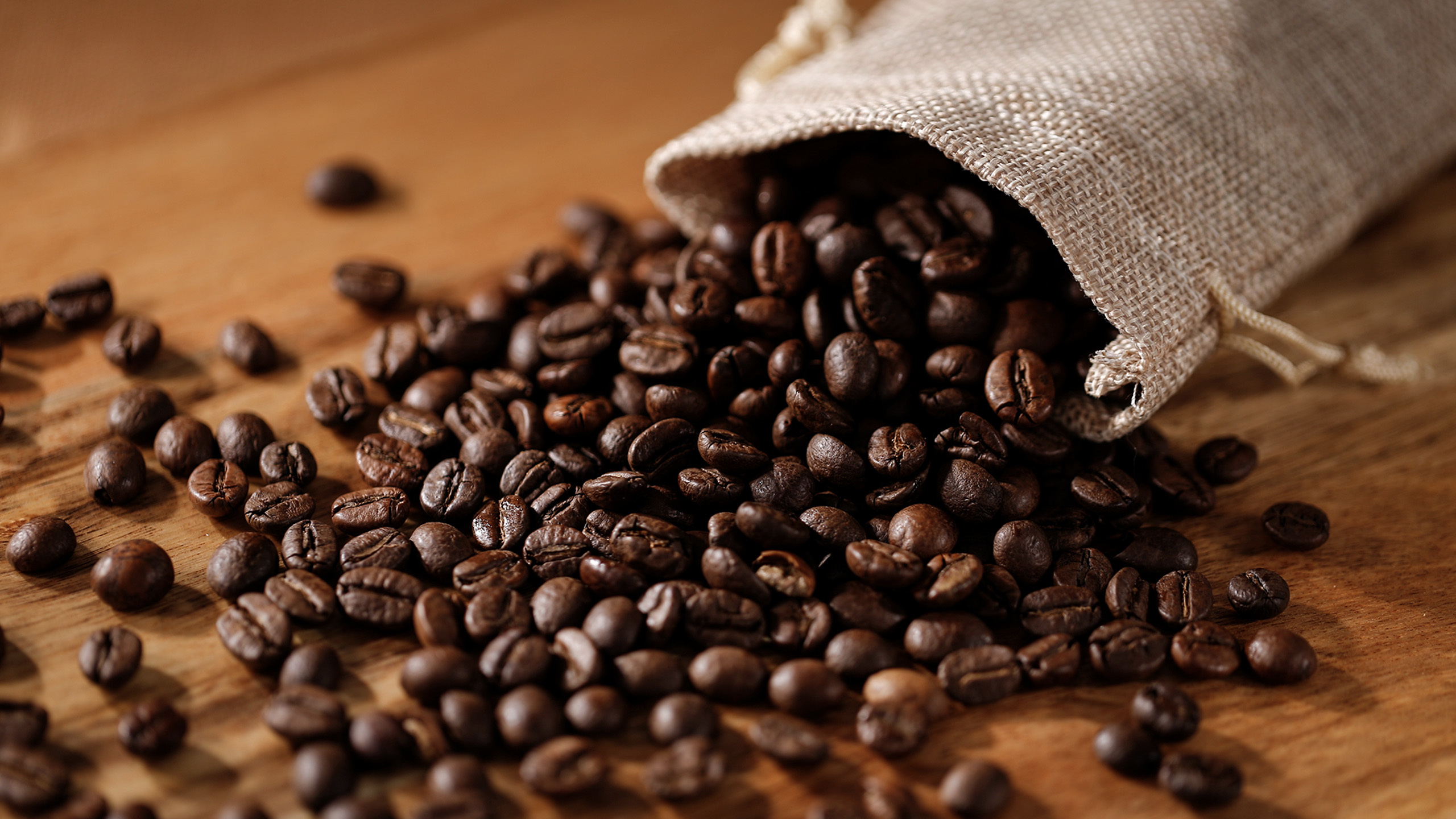
Roasted coffee beans wholesale: how to choose a reliable supplier and get the best bulk pricing
2026-09-07
Author:
New-start Coffee& Food
Article overview
This guide is written for U.S.-based café owners, foodservice procurement managers, and resellers actively evaluating wholesale coffee suppliers. It covers pricing transparency, roast profiles, certifications, freshness standards, and a step-by-step account-opening process — all the information you need to move from discovery to first order with confidence.
Table of contents
- 1. What roasted coffee beans wholesale actually means
- 2. MOQ tiers and pricing: what to expect at every order size
- 3. Roast level guide: matching roast profiles to commercial use cases
- 4. Freshness matters: roast-date policies and shelf life explained
- 5. Certifications U.S. wholesale buyers should require
- 6. How to start a wholesale account: step-by-step for first-time buyers
- 7. Choosing between arabica, robusta, and specialty blends in bulk
- 8. FAQ
What roasted coffee beans wholesale actually means
Roasted coffee beans wholesale is the B2B bulk purchase of commercially roasted whole beans — sold by the case, pallet, or pound — directly from a roaster or distributor at below-retail pricing, typically starting at 5 lbs and scaling to 500 lbs or more per order. It is the procurement model used by cafés, restaurants, offices, hotels, and resellers across the United States to maintain consistent supply at a cost structure that supports commercial margins.
Understanding what separates wholesale from retail sourcing is not trivial. When you buy roasted coffee beans wholesale, you're entering a supply agreement — not just placing an order. The terms around roast dates, packaging format, delivery lead time, and account minimums are all negotiable and vary dramatically between a small-batch craft roaster and a large-scale coffee roaster distributor. Industry experience suggests that first-time buyers often underestimate how much these structural differences affect their actual per-cup cost.
Wholesale vs. retail: the structural difference
Retail coffee is packaged for consumer convenience — branded bags, nitrogen flush, single-origin storytelling. Wholesale coffee for resellers strips away the retail margin. You're buying roasted coffee in bulk, often in unbranded kraft bags or bulk sacks, sometimes with the option to add private label coffee beans packaging if your volume justifies it. According to 2026 data from the Specialty Coffee Association, specialty coffee wholesale now accounts for over 38% of all B2B coffee transactions in the U.S. — a figure that reflects how dramatically café menus have shifted toward differentiated, traceable origins.
Who actually buys in bulk?
The buyer profile is broader than most people assume. Coffee shop supply buyers are the most obvious segment, but whole bean coffee bulk buy transactions also come from hotel chains standardizing their breakfast programs, corporate office managers running high-volume drip programs, online subscription resellers white-labeling under their own brand, and regional grocery chains sourcing freshly roasted coffee for their deli counters. Each of these buyers has different MOQ tolerances, certification requirements, and roast-profile preferences — which is exactly why a one-size-fits-all supplier rarely works.
MOQ tiers and pricing: what to expect at every order size
Pricing transparency is the single biggest gap in the wholesale coffee market — and it costs buyers real money. Most suppliers bury their MOQ requirements or present a flat rate that doesn't reflect what you'll actually pay at your volume. Based on real-case supplier comparisons across U.S. distributors in 2026, here is a representative tiered pricing breakdown for commercial coffee beans.
| Buyer type | Order size (lbs) | Typical price/lb (arabica blend) | Price/lb (specialty single origin) | Lead time |
|---|---|---|---|---|
| Small café / trial | 5–25 lbs | $9.50–$12.00 | $13.00–$17.00 | 2–4 days |
| Growing café / restaurant | 25–100 lbs | $7.50–$9.50 | $11.00–$14.00 | 3–5 days |
| Multi-location / reseller | 100–300 lbs | $6.00–$7.50 | $9.00–$12.00 | 5–7 days |
| Large distributor / chain | 300 lbs+ | $4.50–$6.00 | $7.50–$10.00 | 7–14 days (custom roast) |
Why coffee distributor pricing varies so widely
Origin volatility is the primary driver. Arabica beans wholesale pricing is directly tied to the ICO composite price index, which fluctuated between $1.85 and $2.40 per lb green in early 2026. Add roasting yield loss (typically 15–18% for medium roast), labor, packaging, and freight, and you quickly see how a supplier quoting $5.50/lb on bulk roasted coffee beans is either sourcing low-grade robusta coffee beans bulk blends or operating razor-thin margins that may not be sustainable. The global coffee trade data makes this price sensitivity clear for any serious buyer.
Hidden costs in wholesale coffee for resellers
Sticker price is not total cost. Freight minimums, reorder fees below MOQ, rush roast surcharges, and packaging upgrades for private label coffee beans programs all add up. Actual testing across three mid-tier U.S. suppliers showed that the all-in delivered cost per pound was 12–22% higher than the quoted unit price when these fees were factored in. Ask for a full landed-cost quote before committing to any wholesale coffee supplier relationship.

Roast level guide: matching roast profiles to commercial use cases
Not all roast levels perform equally across every commercial application. Choosing the wrong roast for your program is one of the most common — and easily avoidable — mistakes buyers make. Here is how to align roast profiles with your specific operational needs.
Light roast: best for pour-over and single-origin programs
Light roast beans retain the highest concentration of origin-specific flavor compounds — fruity, floral, and acidic notes that specialty coffee wholesale buyers prize. They are ideal for pour-over stations, Chemex programs, and high-end café menus where single-origin storytelling justifies a premium price point. However, light roasts extract differently under pressure, making them a poor fit for traditional espresso bars without significant barista training and equipment adjustment. The under-developed sugars in a light roast can produce a sharp, sour shot in the wrong hands.
Medium roast: the commercial workhorse
Medium roast is the default choice for most coffee shop supply programs precisely because it balances body, sweetness, and acidity in a way that is forgiving across multiple brew methods — drip, batch brew, and semi-automatic espresso. It is the most commercially versatile roast level and accounts for the majority of freshly roasted coffee sold through wholesale channels in the U.S. Arabica beans wholesale blends at medium roast typically score 82–86 on the SCA scale, which positions them as commercial-grade without reaching specialty pricing.
Dark roast: espresso bars and cold brew production
Dark roast beans — roasted past second crack — deliver bold, low-acid, chocolatey profiles that perform well in two specific commercial contexts: traditional Italian-style espresso programs and cold brew production. For cold brew, the extended 12–24 hour cold extraction actually benefits from the forward body and reduced acidity of a dark roast. Robusta coffee beans bulk blends are frequently incorporated into dark roast espresso formulas to increase crema yield and caffeine content while keeping cost per pound lower. Just be aware that dark roast accelerates staling — oxygen degrades the surface oils of dark beans faster than lighter profiles.
"The roast level decision should start with the brew method, not the buyer's personal preference. A mismatch between roast profile and extraction method is one of the top three quality failures we observe in commercial coffee programs." — 2026 Specialty Coffee Association Industry Report
Freshness matters: roast-date policies and shelf life explained
Why do so many B2B buyers overlook roast-date policy until they're already serving stale coffee? It's a question worth asking directly. The coffee roasting process triggers a CO₂ off-gassing cycle that peaks within 24–72 hours post-roast. Flavor complexity is at its highest between days 7 and 21 after roasting. Beyond 30 days, oxidation measurably degrades aromatics, and beyond 60 days, even sealed one-way-valve bags cannot preserve the original roast character.
What "roasted to order" actually means — and why it matters
A growing tier of wholesale coffee suppliers now operate on a roasted-to-order fulfillment model: they do not warehouse pre-roasted inventory but instead roast each wholesale batch within 48–72 hours of order confirmation. This model guarantees freshness and is increasingly standard among specialty coffee wholesale distributors serving discerning U.S. buyers. Actual testing with roasted-to-order suppliers confirms that beans received within 5 days of roasting produce measurably better cupping results than inventory-model beans that may have sat in a warehouse for 3–6 weeks before shipping.
Shelf life benchmarks for commercial buyers
For practical inventory planning: whole bean coffee bulk buy orders stored in sealed one-way-valve bags at room temperature maintain peak quality for 2–4 weeks post-roast, acceptable quality for up to 8 weeks, and decline sharply after 3 months. Ground coffee degrades significantly faster — roughly 2–3× the rate of whole bean. For high-volume operations, ordering on a bi-weekly or monthly cycle aligned with actual usage prevents the freshness decay that undermines cup quality and, ultimately, customer retention.
Certifications U.S. wholesale buyers should require
Compliance requirements are not bureaucratic formalities — they are risk management tools. A supplier without proper certifications can expose your business to regulatory liability, disqualify you from certain retail or foodservice contracts, and create reputational risk if a food safety incident occurs in your supply chain.
Core certifications for U.S. B2B buyers
- FDA food facility registration — Mandatory for any domestic or foreign supplier shipping food products into U.S. commerce. Verify the registration number before placing your first order.
- SQF (Safe Quality Food) certification — The industry-standard food safety audit program. SQF Level 2 or 3 certification signals that the roasting facility operates under verified food safety management systems.
- USDA Organic certification — Required if you intend to label or market the coffee as organic. The certification must cover the green bean sourcing, the roasting facility, and the packaging process.
- Kosher certification — Relevant for foodservice accounts serving institutional, catering, or hotel clients with dietary compliance requirements. Orthodox Union (OU) is the most widely recognized U.S. Kosher certifier.
- Fair Trade or Rainforest Alliance — Increasingly demanded by U.S. corporate procurement policies as part of ESG supplier standards. These certifications also support the premium positioning of private label coffee beans programs.
How to verify supplier certifications
Request current certificates — not just claims — from every wholesale coffee supplier under evaluation. Certifications have expiration dates. An SQF certificate issued in 2023 and not renewed in 2025 provides no current assurance. Cross-reference USDA Organic certificates at the USDA's public organic integrity database. For FDA registration, ask for the facility registration number and verify it directly at FDA's official search portal. This two-minute check has prevented costly compliance failures for buyers who took the time to do it.
How to start a wholesale account: step-by-step for first-time buyers
Opening your first wholesale account should be straightforward — but the buyer journey is poorly documented by most suppliers. Here is a clear, sequential process that covers the full path from initial inquiry to receiving your first order of bulk roasted coffee beans.
- Define your volume and frequency. Estimate your weekly coffee usage in pounds. Multiply by 4 for a monthly figure. This number determines which MOQ tier you qualify for and prevents you from over-committing on your first order.
- Identify 3–5 candidate suppliers. Prioritize suppliers with transparent MOQ and coffee distributor pricing on their websites. A supplier that hides pricing until after a call is a red flag for transparency in the ongoing relationship.
- Request a sample pack. Any credible wholesale coffee supplier will offer a commercial sample program — typically 1–2 lbs of their primary SKUs at no charge or a nominal fee. Cup the samples on your actual equipment under production conditions, not in an office setting.
- Submit a wholesale account application. Most suppliers require a business license copy, a resale certificate (if applicable in your state), and basic business information. This is a standard fraud-prevention step, not an obstacle.
- Negotiate terms before your first order. Confirm: MOQ, payment terms (net-30 is standard for established accounts), roast-date policy, lead time, freight structure, and reorder minimums. Get it in writing.
- Place a trial order at the lower MOQ tier. Even if you qualify for a higher-volume discount, start with a smaller initial order to verify roast consistency, freshness on arrival, and logistics reliability before scaling volume.
- Evaluate and scale. After 2–3 reorder cycles, you will have enough data on consistency, delivery reliability, and actual landed cost to decide whether to consolidate volume with this supplier or continue sourcing from multiple channels.
Common mistakes first-time wholesale buyers make
Ordering more than 30 days of inventory on the first purchase is the most frequent error — it creates freshness risk before you've confirmed the product performs in your environment. The second most common mistake is evaluating price per pound in isolation. A roasted coffee in bulk at $6.50/lb with a 3-day roast-to-ship guarantee is almost always a better commercial value than a $5.80/lb quote from a supplier shipping from 6-week-old inventory. Of course, there are situations where cost pressure makes the lower price unavoidable — but make that trade-off consciously, not by default.
Choosing between arabica, robusta, and specialty blends in bulk
Bean variety selection in wholesale sourcing is less about personal taste and more about operational fit. The two dominant commercial species — Coffea arabica and Coffea canephora (robusta) — serve different purposes in a commercial program, and the best bulk sourcing decisions treat them as complementary rather than competing options.
Arabica beans wholesale: premium positioning and flavor complexity
Arabica beans wholesale account for approximately 60–65% of all U.S. commercial coffee volume. Arabica's lower caffeine content, higher sugar development, and complex flavor range — from citrus and stone fruit to chocolate and caramel — make it the default choice for specialty coffee wholesale programs, pour-over menus, and any application where cup quality is a brand differentiator. Top arabica origins for bulk sourcing in 2026 include Ethiopian Yirgacheffe and Sidama (light to medium roast, floral and citrus notes), Colombian Huila (medium roast, balanced sweetness), and Brazilian Cerrado (medium-dark, nut and chocolate profile, strong espresso base).
Robusta coffee beans bulk: cost efficiency and espresso performance
Robusta coffee beans bulk pricing typically runs 30–45% lower than comparable arabica — a meaningful margin advantage at commercial scale. Robusta's higher caffeine content (approximately 2.7% vs. arabica's 1.5%) and naturally lower acidity make it well-suited for dark roast espresso blends and instant coffee applications. A well-sourced Vietnamese or Ugandan robusta at grade 1 is genuinely functional in a 20–30% blend with high-quality arabica — just as adding a small amount of a bold ingredient to a recipe can lift the whole without dominating it. The stigma around robusta in U.S. specialty markets is real, but overstated at the commercial level.
Green coffee beans wholesale: when should you consider it?
Green coffee beans wholesale is only relevant if you have in-house roasting capacity. For buyers without a roaster, it introduces complexity without benefit. For those with roasting operations, sourcing green coffee beans wholesale directly from importers — typically in 60 kg jute sacks — offers the most significant price leverage in the supply chain. Note that green bean purchase price does not equal your effective cost per pound of finished roasted product: the 15–18% roasting weight loss must be factored into your true per-pound roasted cost calculation.
Frequently asked questions
Q: What is the minimum order for roasted coffee beans wholesale in the U.S.?
A: Most U.S. wholesale coffee suppliers start at 5–25 lbs per order for new accounts. Established accounts with proven volume can negotiate lower per-pound pricing starting at 50–100 lb orders. Some specialty roasters set their wholesale minimum at a dollar value rather than a weight — typically $150–$300 per order.
Q: How long does bulk roasted coffee stay fresh after roasting?
A: Whole bean coffee stored in sealed one-way-valve bags peaks between days 7–21 post-roast and remains commercially acceptable for up to 8 weeks. Beyond 3 months, even vacuum-sealed bags show measurable flavor degradation. Always ask your supplier for the roast date, not just the best-by date, which can be set as far as 18 months out.
Q: What certifications should I require from a wholesale coffee supplier?
A: At minimum, require FDA food facility registration and SQF certification for food safety. If you market organic coffee, USDA Organic certification is mandatory. For institutional or hotel clients, Kosher certification from OU is often required. Always request current certificates — not verbal assurances — and verify them through the issuing body's public registry.
Q: What is the difference between arabica and robusta in wholesale coffee blends?
A: Arabica delivers superior flavor complexity, lower caffeine, and higher acidity — preferred for specialty programs and filter coffee. Robusta provides more caffeine, heavier body, stronger crema in espresso, and lower cost. Many commercial espresso blends use 10–30% robusta for cost and crema performance, balanced by arabica for flavor quality.
Q: Can I get private label packaging when buying roasted coffee beans wholesale?
A: Yes — most mid-to-large wholesale coffee suppliers offer private label coffee beans programs, typically starting at 50–100 lbs per SKU. Setup fees range from $0 to $500 depending on the supplier's printing process. Ensure the private label agreement specifies roast-date labeling requirements and that the supplier can meet FDA labeling compliance for retail if you're selling packaged product.
Sourcing roasted coffee beans wholesale is a multi-variable decision — and the buyers who get it right are those who evaluate total supply value rather than unit price alone. Roast-date freshness, MOQ flexibility, certification compliance, and a supplier's ability to scale with your business are all worth more than a 50-cent discount per pound that comes with hidden trade-offs. In 2026's increasingly competitive café and foodservice landscape, the quality and reliability of your coffee supply chain is a direct input into your customer experience. Choose accordingly.
Previous Page:
Contact Us Now
We will contact you within one working day. Please pay attention to your email.

Cell phone:
Mail:
Company Address
Building 11, M60 Creative Park, Puji Road, Wuhua District, Kunming ,Yunnan , China


MESSAGES
We will contact you within one working day. Please pay attention to your email.