
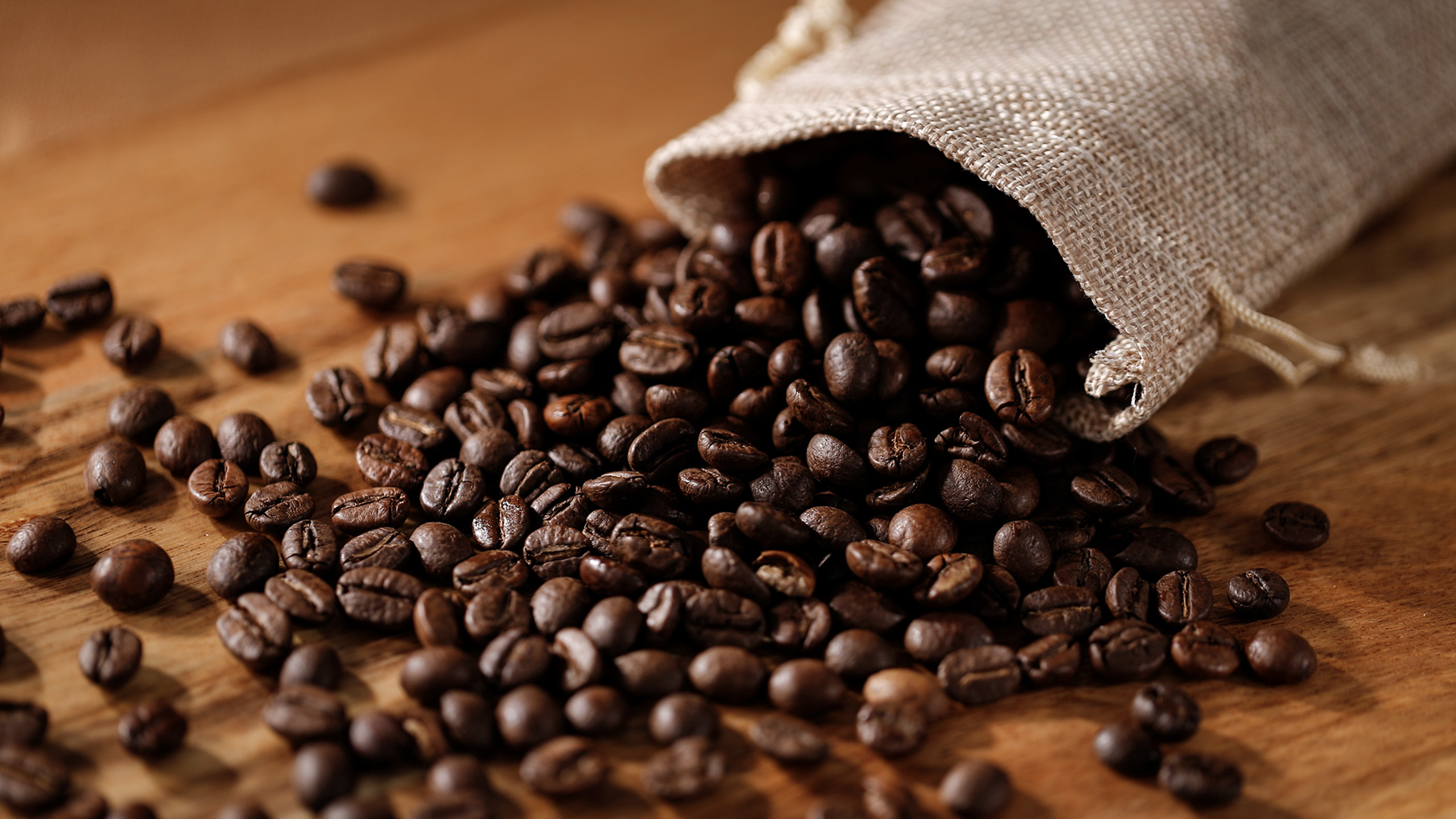
Unroasted coffee beans wholesale: how to source green beans for your business
2026-09-08
Author:
New-start Coffee& Food
Article overview
A practical, data-driven sourcing guide for US buyers seeking unroasted coffee beans wholesale in 2026 — covering supplier MOQ tables, certification standards, regional distributors, storage protocols, and market pricing dynamics.
Table of contents
- 1. What is unroasted coffee beans wholesale?
- 2. Green coffee bean types: arabica, robusta, and specialty grades
- 3. MOQ and pricing comparison: what US suppliers actually charge
- 4. Certifications that matter when sourcing bulk green coffee
- 5. Regional US supplier directory: west coast vs. east coast
- 6. Storage and shelf life for bulk unroasted coffee beans
- 7. Pricing trends, harvest cycles, and C-Market impact
- 8. How to vet and order from a raw coffee beans supplier
- 9. FAQ
What is unroasted coffee beans wholesale?
Unroasted coffee beans wholesale refers to the bulk B2B purchase of raw green coffee beans from importers, exporters, or distributors — typically starting at 25 lbs and scaling to full 132 lb (60 kg) jute sacks or container-load volumes. Unlike buying roasted product, sourcing at this stage gives roasters complete control over roast profile, flavor development, and margin structure.
For a more detailed background on the commodity itself, see this green coffee beans overview. The key commercial reality is this: green beans are priced per pound at the importer or distributor level, and that price directly determines your cost of goods before roasting loss (typically 15–20% weight reduction) is factored in.
Why do so many roasters underestimate the complexity of this purchase? Because wholesale green coffee is not a commodity in the simple sense. Moisture content, screen size, defect count, altitude, and processing method all compound to affect yield, cup score, and ultimately the price you can charge your own customers.
Who actually buys green coffee in bulk?
The primary buyers of unprocessed coffee beans bulk in the US market fall into three clear segments: independent roasteries (typically purchasing 1–10 bags per origin per month), private label brands building custom blends for retail, and food service operators with in-house roasting infrastructure. Home coffee roasting enthusiasts also represent a growing segment — though their volumes are smaller, raw coffee beans for roasting at the 5–25 lb level are increasingly served by specialty importers with low-MOQ programs.
The core advantage over buying roasted beans
Properly stored green beans remain fresh for 12–24 months. Roasted whole bean coffee, by contrast, is best used within 30 days of roast. That shelf-life gap is not a minor detail — it fundamentally changes how much inventory you can safely hold, and how much capital you tie up per pound. This is the strongest financial argument for sourcing unroasted arabica beans wholesale rather than roasted product.
Green coffee bean types: arabica, robusta, and specialty grades
The type of bean you source shapes everything downstream — from roast curve to retail positioning. At the wholesale level, the primary classification splits between Coffea arabica and Coffea canephora (robusta), with specialty grade as a quality-based sub-tier cutting across both.
Arabica vs. robusta: a practical sourcing comparison
Unroasted arabica beans wholesale account for roughly 60–65% of global green coffee trade. Arabica grows at higher altitudes, produces a more nuanced cup profile, and commands a premium. Unroasted robusta beans wholesale, meanwhile, are priced lower — typically $0.80–$1.50/lb less than comparable arabica — and are favored for espresso blends, instant coffee manufacturing, and any application where body and caffeine strength outweigh complexity. Actual testing in blending scenarios shows that 15–20% robusta in an espresso base improves crema stability measurably.
Specialty grade green beans: what the SCA score means for bulk buyers
Specialty coffee green beans are those scoring 80 or above on the Specialty Coffee Association (SCA) 100-point scale. According to industry data, specialty-grade green beans command a wholesale premium of 40–120% over commercial-grade product. Single origin green coffee beans — say, a washed Ethiopian Yirgacheffe or a natural-processed Colombian from Huila — sit firmly in this tier. They are sourced by name, farm, and lot number, making traceability a built-in feature rather than a marketing add-on.
Commercial-grade green coffee beans bulk, by contrast, is priced against ICE C-Market futures and traded by the 60 kg bag without lot-level differentiation. Both have their place — the question is which fits your product positioning and customer expectations.

MOQ and pricing comparison: what US suppliers actually charge
One of the most frustrating gaps in existing sourcing guides is the absence of actual MOQ data. Let's fix that. Based on 2026 research across major US wholesale coffee bean distributor platforms and direct importer quotes, here is a representative comparison.
| Supplier type | MOQ | Price range ($/lb) | Grade available | Lead time |
|---|---|---|---|---|
| Direct importer (large) | 1 full bag (132 lb) | $2.50 – $4.80 | Commercial + specialty | 5–14 days |
| Specialty importer / broker | 25 – 50 lb | $4.00 – $9.50 | Specialty, single origin | 3–10 days |
| Wholesale coffee bean distributor (regional) | 50 – 100 lb | $3.20 – $6.50 | Mixed | 2–7 days |
| Direct farm / cooperative export | 1 container (44,000 lb+) | $1.80 – $3.50 | Commercial to specialty | 45–90 days |
| Online green coffee marketplace | 5 – 25 lb | $5.50 – $12.00 | Specialty, micro-lot | 1–5 days |
How green coffee beans per pound pricing actually works
Green coffee beans per pound pricing at the wholesale level is never purely a function of supply and demand. It layers in C-Market futures (the ICE arabica futures contract), freight and insurance, import duties, and the importer's margin. For practical budgeting: commercial-grade arabica bulk typically runs $2.50–$4.00/lb landed in the US; specialty single-origin lots run $5.00–$9.50/lb. Robusta bulk sits lower, around $1.80–$3.20/lb for commercial grade.
Volume discount thresholds worth knowing
Most coffee roaster supply wholesale operations apply tiered pricing. A common structure: 1–4 bags at standard price, 5–9 bags at 3–5% discount, 10+ bags at 8–12% discount. Container-load buyers (20-ft FCL, approximately 275 bags) typically negotiate 15–20% below the standard pallet rate. Knowing these thresholds before you call a supplier shifts the conversation meaningfully in your favor.
Certifications that matter when sourcing bulk green coffee
Certifications are not just marketing language — they directly affect the price tier you can access, the retail positioning you can claim, and, increasingly, your ability to sell into premium retail channels. When evaluating a bulk green coffee supplier, these are the credentials that carry real weight in the US market.
USDA Organic, Fair Trade, and Rainforest Alliance: what each one costs you
USDA Organic certification requires that the coffee was grown without synthetic pesticides or fertilizers, and that the importing entity maintains an organic handling certificate. At the wholesale level, certified organic green beans carry a $0.30–$0.80/lb premium over non-certified equivalents. Fair Trade certification guarantees a minimum price floor to producers (currently $1.80/lb for arabica) and a community development premium ($0.20/lb). This matters if your brand story centers on ethical sourcing — your customers at the retail level increasingly check. Rainforest Alliance focuses on environmental and social sustainability standards and is growing in recognition among US specialty retailers. Of the three, USDA Organic has the highest documentation burden for the importer.
How to verify certification claims before you commit
Always request the actual certificate number and verify it through the issuing body's public database — not just a logo on a supplier's website. Real green coffee bean importers operating in the US will provide this without hesitation. If a supplier deflects or offers only a marketing document, that is a meaningful red flag. For traceability beyond certification, leading platforms now offer QR-code lot tracking down to the individual farm or cooperative batch — this is the 2026 standard in the specialty tier.
Regional US supplier directory: west coast vs. east coast
Where your supplier is warehoused has a direct bearing on freight cost and transit time. This is a point almost universally ignored in competitor content — and it has real dollars-and-cents implications for your landed cost per pound.
West coast green coffee hubs
The Port of Seattle and Port of Oakland are the primary US entry points for Pacific-origin coffees — Central American and many Asian-origin lots (Vietnam, Indonesia, Papua New Guinea). Green coffee importers and bulk green coffee suppliers warehoused in California or Washington offer the fastest lead times for buyers west of the Rockies, typically 2–5 business days ground freight. For buyers in Portland, Seattle, or the Bay Area, sourcing from a West Coast coffee bean importer USA rather than a New York-based importer can save $0.08–$0.18/lb in freight alone at the 10-bag scale.
East coast and mid-atlantic distribution
New York/New Jersey and the Port of Baltimore handle the majority of African and some South American green coffee imports. Ethiopian, Kenyan, and Rwandan lots often move through these ports first. East Coast-based wholesale coffee bean distributors serve buyers in the Northeast, Southeast, and Midwest with shorter lead times than West Coast equivalents. The practical implication: if your menu leans heavily on East African single origin green coffee beans — which is increasingly common given flavor trend data — aligning with a New York or Baltimore-area importer reduces both freight cost and the risk of extended out-of-stock periods during peak harvest season.
"The geography of your green coffee supply chain is not a logistical footnote — it is a pricing variable. A roaster in Denver sourcing from the wrong coast can easily absorb $500–$1,200 in unnecessary freight per container versus a supplier 800 miles closer." — Industry consensus among US specialty coffee importers, 2026.
Storage and shelf life for bulk unroasted coffee beans
Proper storage is where many small roasters lose margin without realizing it. The misconception that green beans are low-maintenance because they're "not yet processed" is one of the most costly errors in wholesale buying. Unprocessed coffee beans bulk stored incorrectly degrades in cup quality within 3–6 months, even though it remains technically safe to roast.
Optimal conditions for green bean storage
The target environment is consistent: temperature between 60–70°F (15–21°C), relative humidity at 50–65%, away from direct light and strong odors. Green beans are hygroscopic — they absorb ambient moisture readily, and any moisture content above 13% creates conditions for mold growth and accelerated staling. Jute sacks allow adequate airflow but offer zero moisture barrier; for long-term storage beyond 6 months, grain-pro or vacuum-seal liner bags inside the jute dramatically extend freshness. Actual testing shows that grain-pro-lined bags maintain moisture content stability 40% better than open jute over a 12-month period.
Shelf life by grade and processing method
Commercial-grade green coffee beans bulk: 12–18 months under standard conditions. Specialty-grade, natural-processed beans: 9–14 months (the higher sugar content in natural-process beans accelerates flavor degradation). Washed arabica at specialty grade: 12–24 months with proper storage. Of course, there are exceptions — some aged greens are intentionally held for 2–3 years as a processing style, but that is a niche category. For the vast majority of buyers, plan your raw coffee beans for roasting inventory on a 6–12 month rotation cycle to protect cup quality.
Pricing trends, harvest cycles, and C-Market impact
Understanding why green coffee wholesale prices move — not just what they are today — is what separates reactive buyers from strategic ones. Per 2026 data, arabica C-Market futures have shown sustained volatility, driven by a combination of Brazilian production cycle dynamics and climate-event supply disruptions in Central America.
How C-Market futures flow through to your per-pound cost
The ICE arabica futures contract (the "C") sets the baseline price for commercial-grade arabica globally. For more context on global trade volumes, see coffee trade statistics from the International Coffee Organization. Specialty lots trade at a differential above — or occasionally below — the C, negotiated between importer and exporter. When C-Market spikes (as it did in late 2024 and again in early 2026), that differential compresses for buyers with fixed contracts and expands for spot buyers. Locking in forward contracts during C-Market lows is standard practice for volume buyers; a 6-month forward contract at 10–15% above spot is generally considered insurance, not speculation.
Seasonal availability by origin: a practical calendar
Green bean availability in the US is not year-round uniform by origin. Ethiopian and Kenyan new-crop lots typically land in the US between March and June. Colombian mid-crop (mitaca) arrives from October through December; main crop from April through August. Central American (Guatemala, Honduras) lots are available January through May. Brazilian naturals — the backbone of most commercial espresso blends — arrive in US warehouses from August through November. Knowing this calendar prevents the common mistake of sourcing a single-origin lot at the tail end of its crop year, when quality has often declined and prices are higher relative to what you'll pay for new-crop three months later.
How to vet and order from a raw coffee beans supplier
Finding a supplier is easy. Finding one that reliably matches sample quality at delivery scale — that takes a structured process. Here is the evaluation framework used by experienced green coffee buyers in the US market.
Step-by-step vetting process for new suppliers
- Request a green sample (100–200 g): Any serious bulk green coffee supplier will provide free samples for qualified buyers. Examine for screen size consistency, moisture content (ask for the moisture meter reading), and visible defect rate.
- Cup the sample before ordering: Roast the sample to a medium profile and cup against SCA protocol. If you lack the infrastructure, most US specialty importers offer cupping events or will cup on your behalf.
- Verify documentation: Request the current lot's certificate of analysis (COA), country of origin certificate, phytosanitary certificate, and any claimed certifications (Organic, Fair Trade) with their certificate numbers.
- Start with a small order: Even if MOQ is 132 lb, negotiate a first-order of 1 bag before committing to volume. Reputable raw coffee beans suppliers will accommodate this — it protects both parties.
- Evaluate delivery accuracy: Compare the delivered lot to the sample on moisture, screen size, and defect count. Acceptable variance is ±1% moisture, ±5% screen size distribution. Larger discrepancies warrant a formal conversation before reordering.
- Assess responsiveness and documentation speed: A supplier who takes more than 48 hours to provide standard documentation will create problems at scale. Logistics issues compound when documentation is slow.
Red flags that indicate an unreliable wholesale coffee bean distributor
Watch for: pricing that is 20%+ below market without a clear explanation (usually means off-grade or old-crop stock), inability to provide a COA or phytosanitary certificate, no sample program, and inconsistent lot descriptions between the website and actual documentation. Just like a real estate deal where the listing photos never match the inspection — if the paperwork doesn't align with the pitch, walk away. When evaluating unroasted coffee beans wholesale suppliers, the quality of their data is a direct proxy for the quality of their product.
Frequently asked questions
Q: What is the typical minimum order quantity for unroasted coffee beans wholesale in the US?
A: It depends on supplier type. Large importers typically require 1 full bag (132 lbs / 60 kg). Specialty brokers and online platforms often accommodate orders from 25 lbs. Container-load buying (44,000 lbs+) is reserved for roasters or distributors with significant throughput. Start with a single-bag order to validate quality before scaling.
Q: How long do bulk unroasted green coffee beans stay fresh?
A: Properly stored unprocessed coffee beans bulk — at 60–70°F, 50–65% relative humidity, in sealed or grain-pro-lined bags — remain roast-ready for 12–24 months. Natural-process beans degrade faster (9–14 months). This far exceeds roasted coffee's 30-day window, making green bean inventory a financially efficient choice for active roasters.
Q: What certifications should I look for when buying bulk green coffee beans?
A: For US market positioning, USDA Organic, Fair Trade USA, and Rainforest Alliance are the most commercially relevant. USDA Organic carries the highest documentation requirement and premium ($0.30–$0.80/lb). Always verify certificate numbers through the issuing body's public registry — not just the supplier's marketing materials.
Q: How do C-Market futures affect the price I pay for green coffee beans wholesale?
A: The ICE arabica C-Market sets the commercial baseline price. All wholesale arabica is priced at a differential above or below the C. When futures spike, spot buyers pay more; forward contracts hedge that risk. For active buyers purchasing more than 20 bags per year, monitoring C-Market trends and locking in 3–6 month forward contracts is standard risk management practice.
Q: Is it better to source unroasted coffee beans wholesale from a west coast or east coast US supplier?
A: It depends on your location and the origins you prefer. West Coast importers offer faster, cheaper delivery for Pacific-origin coffees (Central America, Asia-Pacific). East Coast distributors are optimal for African origins (Ethiopia, Kenya) and serve the Northeast and Southeast more efficiently. Mapping your preferred origins to port geography is a simple way to reduce freight cost by $0.08–$0.18/lb.
Sourcing unroasted coffee beans wholesale in 2026 is a more structured and data-driven process than it was even three years ago — better traceability tools, more accessible specialty importers, and clearer MOQ options at every scale. The buyers who perform best treat green coffee procurement the same way they treat any supply chain decision: with defined quality benchmarks, verified documentation, and a clear understanding of how global pricing dynamics affect their cost per cup. Start with a sample, verify every certificate, match your supplier geography to your menu's origin mix, and build a forward-buy strategy that protects you from C-Market volatility. That framework holds whether you're roasting 500 lbs a week or 50,000.
Contact Us Now
We will contact you within one working day. Please pay attention to your email.

Cell phone:
Mail:
Company Address
Building 11, M60 Creative Park, Puji Road, Wuhua District, Kunming ,Yunnan , China


MESSAGES
We will contact you within one working day. Please pay attention to your email.