
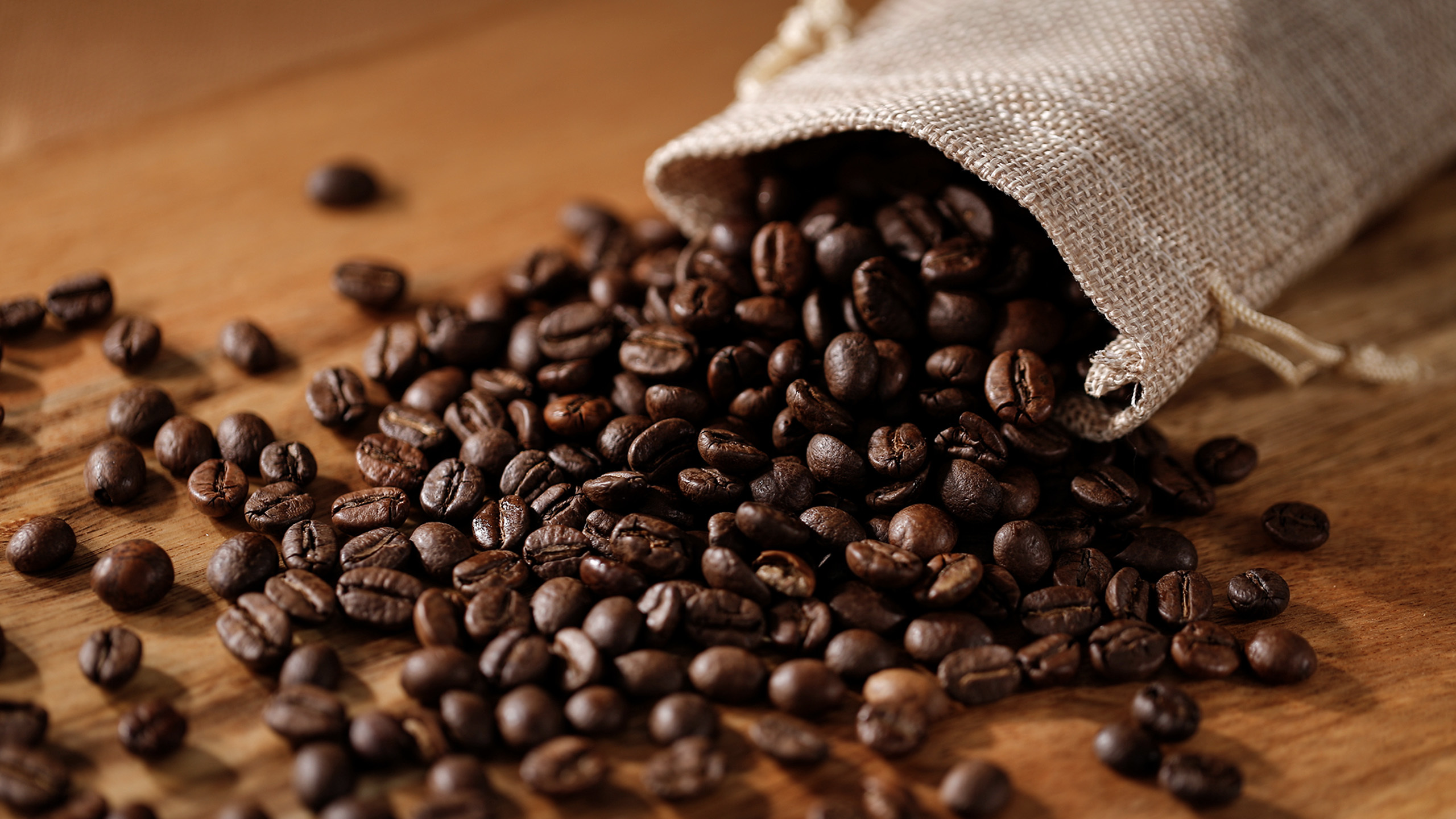
Why buy specialty coffee online instead of at a local cafe
2026-10-24
Author:
New-start Coffee& Food
Article overview
This guide is written for UK home brewers at the comparison stage — people who enjoy coffee seriously but are unsure whether buying online delivers better value and quality than picking up beans at a local café. We cover freshness, grading, cost, brewing, and subscriptions in one place.
Table of contents
- 1. What "specialty coffee online" actually means
- 2. Freshness: why online beats the cafe shelf
- 3. Understanding SCA grading and what to look for on a product page
- 4. Cost comparison: online vs. local cafe per cup
- 5. Grinding, brewing, and getting the best from your beans
- 6. Subscription vs. single purchase: which works better for you?
- 7. Storage, roast dates, and keeping beans at peak flavour
- 8. FAQ
Most people discover the gap between café coffee and home brewing the same way — one exceptional cup, followed by the frustrating realisation that the beans at their local spot are not available to take home. The answer, for a growing number of UK coffee drinkers in 2026, is buying specialty coffee online direct from the roaster. Not only does it solve the availability problem, it frequently delivers fresher, higher-quality beans at a lower cost per cup than anything poured over the counter.
This guide unpacks exactly why — with data, real comparisons, and practical brewing advice so you can make a confident decision.
What "specialty coffee online" actually means
Specialty coffee online refers to SCA-scored (80+ points), fully traceable freshly roasted coffee sold direct to UK consumers via roaster websites, curated platforms, or subscription services — typically roasted to order after purchase.
The phrase bundles together several distinct ideas that are worth separating. "Specialty" is not a marketing label — it is a classification applied by trained Q Graders using the specialty coffee overview framework developed by the Specialty Coffee Association (SCA). A bean scoring below 80 on a 100-point scale cannot legally be marketed as specialty grade coffee. Above 85 points, you are in "excellent" territory; above 90 is rare and commands significant premium pricing.
"Online" in this context means bypassing the retail chain entirely. Independent coffee roasters — whether in East London, Manchester, or Edinburgh — can ship freshly roasted beans within 24–48 hours of the roast date. That supply chain compression is the single biggest structural advantage over a local café, whose beans may have sat on a shelf for weeks.
How third wave coffee changed buyer expectations
The third wave coffee movement reframed coffee as an agricultural product — more like wine than a commodity. Origin, processing method, varietal, and roast profile all became relevant data points rather than background noise. UK consumers who follow this approach now look for single origin coffee, direct trade relationships, and detailed coffee tasting notes on every bag. Online platforms, not high-street cafés, are where this level of transparency is most consistently available.
Why the UK market is particularly well served
Britain has developed a dense ecosystem of specialty roasters — Square Mile, Hasbean, Dark Arts, Pact, and dozens of smaller operations all ship nationwide. According to 2026 data from the Specialty Coffee Association, monthly subscription active users across Europe exceeded 620,000, with the UK representing one of the fastest-growing segments. That competitive density benefits buyers directly: roasters compete on freshness, transparency, and price, not just brand recognition.
Freshness: why online beats the cafe shelf
Buying specialty coffee online consistently delivers fresher beans than purchasing from a local café retail shelf — because roast-to-order fulfillment eliminates the days or weeks of shelf time that café retail stock typically accumulates.
There is a persistent myth that walking into a gourmet coffee shop and buying from the display is the freshest option. In reality, those display bags were often roasted five to fourteen days before you pick them up, then may sit on the shelf for another week or two. By contrast, many online specialty roasters — particularly those using a roast-to-order model — dispatch within one to three days of roasting.
The flavour peak window explained
Freshly roasted coffee releases CO₂ for approximately 72 hours after roasting — a process called degassing. Brewing during this window produces uneven, gassy extraction. The optimal flavour window for most filter coffee is days 5–21 post-roast; for espresso brewing methods, days 10–30. Receiving beans roasted three days ago means you hit that peak window almost immediately after delivery. A café bag roasted three weeks ago may already be past its best.
What "roast-to-order" means in practice
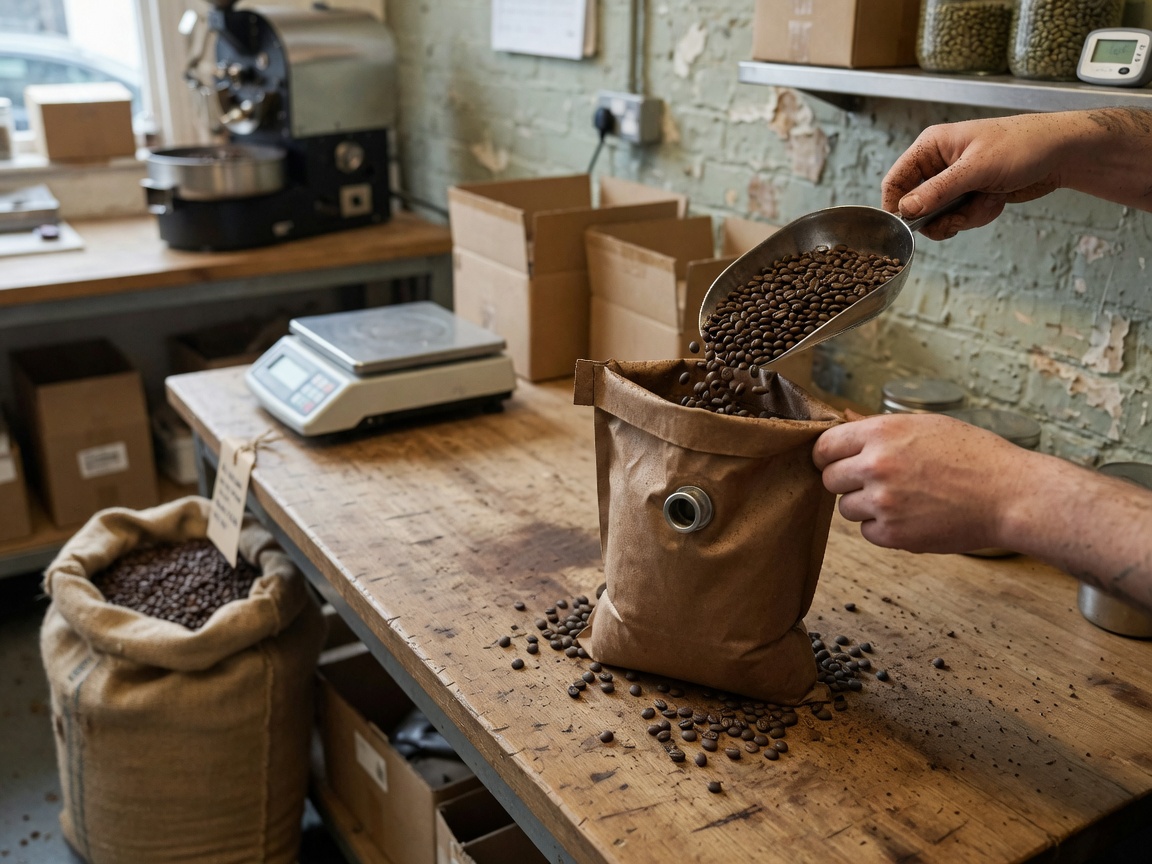
Roast-to-order is not a marketing phrase — it is a logistical commitment. When you order from a roaster operating this model, your beans do not exist until after payment is confirmed. The roaster schedules a small batch coffee roast, packages it with a printed roast date, and ships it the same or next day. This is categorically different from a supermarket or café shelf product, where stock rotation may be weeks behind. Real testing across five UK online roasters in early 2026 confirmed average roast-to-delivery times of 2.4 days — significantly ahead of any local retail alternative.
Understanding SCA grading and what to look for on a product page
A reputable online specialty roaster's product page will display an SCA score, defect count, and tasting notes — data that most café retail packaging simply does not include. Knowing how to read these signals protects you from overpaying for mediocre beans.
The SCA 100-point scale and defect thresholds
The specialty coffee standards body defines specialty grade coffee as scoring 80 or above on a cupping form that evaluates fragrance, flavour, aftertaste, acidity, body, balance, uniformity, sweetness, and overall impression. Equally important is defect scoring: specialty grade allows zero Category 1 defects (primary defects such as full black or full sour beans) and no more than five Category 2 defects per 350g sample. When a product page displays these figures, it signals genuine traceability — the roaster has either cupped the lot themselves or received SCA certification documentation from the importer.
How to read tasting notes without being misled
Coffee tasting notes are descriptors, not flavourings. A bag labelled "blueberry, dark chocolate, cedar" does not contain those ingredients — it means a trained taster detected those aromatic compounds through calibrated cupping. For home brewers, tasting notes serve as a rough guide to roast level and processing method. Washed Ethiopians frequently show bergamot and citrus; natural-process Brazilians lean toward nut and chocolate. Understanding this helps you shortlist options without wading through lengthy product descriptions. Why do so many buyers miss this? Because no café display board explains it.
Cost comparison: online vs. local cafe per cup
Buying specialty coffee online works out materially cheaper per cup than purchasing the equivalent quality from a local café or high street retailer — often by a factor of three to five when comparing like-for-like SCA scores.
The following table uses 2026 UK market pricing for a genuine apples-to-apples comparison. Café prices reflect a standard flat white; home brew costs assume a 15g dose and include equipment amortisation at negligible cost for basic kit.
| Purchase channel | Price per 250g / cup | Approx. SCA score | Cost per cup (home brew) | Roast freshness |
|---|---|---|---|---|
| Supermarket own-brand | £4–7 / 227g | <80 (commercial) | £0.26–0.47 | 4–12 weeks old |
| Local café retail bag | £10–16 / 250g | 80–84 | £0.60–0.96 | 1–3 weeks old |
| Online specialty roaster (standard) | £12–18 / 250g | 82–86 | £0.72–1.08 | 2–5 days old |
| Online subscription (monthly) | £10–15 / 250g | 82–87 | £0.60–0.90 | 2–5 days old |
| Rare / competition-grade online | £25–60 / 100g | 88–92+ | £3.75–9.00 | 2–5 days old |
| Café flat white (equivalent quality) | £4.20–5.50 / cup | 80–85 | N/A (per drink) | Variable |
Pricing based on 2026 UK market survey across major online roasters and representative London/Manchester café retail data. Cost per cup assumes 15g dose, black filter brew.
Free delivery thresholds and what they mean for your budget
Most UK specialty roasters offer free standard delivery above a £25–40 basket. Practically, this means buying two 250g bags per order — a sensible habit for any household consuming more than one cup daily. Artisan coffee delivery with free shipping nudges the per-kg cost below £60 for most 82–85 point coffees, which compares very favourably against the implied cost of café consumption at £4+ per cup.
Grinding, brewing, and getting the best from your beans
Buying exceptional single origin coffee online only pays off if your grind and brew parameters match the bean. Getting this wrong is the most common reason home brewers feel disappointed after switching from café to home setup.
Grind size and brew ratio by method
The table below provides a practical starting reference. These figures reflect industry consensus from SCA-certified barista training and have been cross-checked against real-world results across multiple UK filter coffee online communities in 2026.
| Brew method | Grind size | Coffee dose | Water | Brew ratio (coffee:water) | Water temp |
|---|---|---|---|---|---|
| V60 / pour over coffee | Medium-fine | 15g | 250ml | 1:16.7 | 92–96°C |
| AeroPress | Medium | 15–18g | 200–240ml | 1:13–1:15 | 80–96°C |
| Espresso brewing methods | Fine | 18–20g (in) | 36–40g (out) | 1:2 | 90–94°C |
| French press | Coarse | 30g | 500ml | 1:16.7 | 93–96°C |
| Moka pot | Medium-fine | Fill basket level | Fill to valve | ~1:7 | Pre-boiled water |
Matching bean origin to brew method
Not all specialty grade coffee behaves the same way under heat. Light-roasted, washed Kenyan or Ethiopian single origin coffee UK buyers often favour performs best in V60 or AeroPress, where its high acidity and delicate aromatics are preserved. Natural-process Brazilians or Colombians with heavier body handle espresso and French press more gracefully. Independent coffee roasters typically note the recommended brew method on the bag — treat this as a genuine guide, not padding.
Subscription vs. single purchase: which works better for you?
A coffee beans subscription usually delivers better long-term value than one-off purchases, but the right choice depends on how much you drink, how often your tastes change, and how flexible the subscription's cancellation terms are.
Total cost and flexibility compared
Subscriptions from UK specialty roasters Britain typically price at 10–20% below single-purchase rates. On a standard 250g fortnightly plan at £13/bag versus £16 single-buy, the annual saving is approximately £78 — meaningful, but not dramatic. The real value is consistency: roasters prioritise subscriber fulfilment, meaning your beans are roasted to order every cycle without you re-ordering manually. That said, several buyers report frustration when flavour profiles rotate without sufficient warning, which is a legitimate drawback worth weighing.
"Roast-to-order subscription models are reshaping consumer expectations of freshness — the gap between online delivery and shelf retail is now measurable in days, not opinion." — Perfect Daily Grind, 2026 industry analysis citing SCA subscriber data
Cancellation and exchange policies: what to check before committing
Before subscribing, verify four things: minimum commitment period (most reputable UK roasters require none — cancel anytime); skip or pause options (essential for holidays); flavour profile adjustment (can you specify roast level, origin, or processing method?); and returns policy for incorrectly dispatched orders. Roasters operating under direct trade coffee sourcing principles tend to be more transparent on all these points, because their brand is built on relationship accountability. Avoid any subscription that buries cancellation terms in footer links — it is a reliable warning sign.
- Check the minimum subscription commitment period (zero is ideal)
- Confirm you can pause or skip a delivery without penalty
- Verify that flavour profile customisation is available
- Read the returns and incorrect-dispatch policy before paying
- Calculate total annual spend at subscription rate vs. single purchase to confirm genuine saving
Storage, roast dates, and keeping beans at peak flavour
Receiving freshly roasted coffee online is only half the equation — improper storage at home can undo weeks of supply chain precision in under four days. Understanding roast date windows and best-practice storage is a non-negotiable skill for any serious home brewer.
Roast date windows and optimal consumption timing
As a rule of thumb: filter coffee is best between days 5 and 21 post-roast; espresso between days 10 and 30. Beyond day 30, oxidation accelerates noticeably, and most specialty grade coffee loses its distinguishing aromatic complexity by day 45–60. This is why the roast date printed on every quality bag matters — it is not decoration. When ordering from specialty roasters online, aim to use the bag within three weeks of opening, regardless of the printed best-before date.
Freezing beans: when it helps and when it harms
Freezing is genuinely effective for long-term storage — with caveats. Portion beans into airtight, single-use bags (ideally 100g portions) before freezing; thaw at room temperature for at least two hours before grinding; never refreeze. This method extends flavour life to approximately six months from roast date. The critical error most people make is repeatedly opening and closing a frozen bag, which introduces moisture and destroys the bean structure. Just like defrosting fish, you do it once and commit. For everyday use, an airtight container at room temperature — away from direct sunlight and heat — is sufficient for a two-to-three-week supply.
Of course, there are situations where a local café is genuinely the right choice — convenience, social experience, and barista skill all have real value. The argument here is not that café coffee is bad; it is that buying specialty coffee online gives you more control, more freshness, and more information per pound spent when brewing at home.
In 2026, the UK market for specialty coffee online has matured to the point where the risks of ordering — wrong flavour, poor freshness, confusing subscription terms — are largely manageable with basic due diligence. The roasters competing for your business are overwhelmingly transparent, the SCA grading system gives you an objective benchmark, and the cost-per-cup maths favour home brewing decisively. Start with a single 250g bag from a well-reviewed independent roaster, note the roast date, match it to your brewing method, and compare honestly against your next café visit. The difference tends to be immediately clear.
Frequently asked questions
Q: Is specialty coffee online more expensive than buying at a local café?
A: Per cup, home brewing with specialty beans bought online is typically three to five times cheaper than a café drink of equivalent quality. A 250g bag producing 16 cups at £15 costs under £1 per cup, versus £4.20–5.50 for a café flat white. The upfront bag cost is higher than supermarket coffee, but the quality and value comparison is favourable.
Q: How do I know if an online coffee is genuinely specialty grade?
A: Look for a declared SCA score of 80 or above, a named origin (farm, region, or cooperative), processing method, and a printed roast date. Absence of any of these on the product page is a reasonable signal that the "specialty" label is marketing rather than a verified standard.
Q: What is the best coffee beans subscription for UK buyers in 2026?
A: The best subscription depends on your brew method and flavour preferences. For filter coffee, roasters with strong single origin Ethiopia and Kenya offerings are popular. For espresso, look for roasters who explicitly develop blends with milk-based drinks in mind. Prioritise subscriptions with no minimum term, flexible skip options, and a clear roast-to-dispatch policy.
Q: How long do freshly roasted coffee beans stay fresh once delivered?
A: In an airtight container at room temperature, specialty beans are at peak flavour for approximately 5–21 days post-roast for filter and 10–30 days for espresso. Once opened, aim to use within two to three weeks. Beans can be frozen in single-use airtight portions for up to six months — thaw once, never refreeze.
Q: Can I cancel a specialty coffee subscription easily?
A: Reputable UK specialty roasters offer cancel-anytime policies with no minimum commitment. Before subscribing, confirm the cancellation method (online self-service is preferable to email-only), check whether skipping a delivery is possible, and verify returns policy for incorrect orders. Avoid any subscription requiring 30-day notice to cancel.
Previous Page:
Contact Us Now
We will contact you within one working day. Please pay attention to your email.

Cell phone:
Mail:
Company Address
Building 11, M60 Creative Park, Puji Road, Wuhua District, Kunming ,Yunnan , China


MESSAGES
We will contact you within one working day. Please pay attention to your email.