
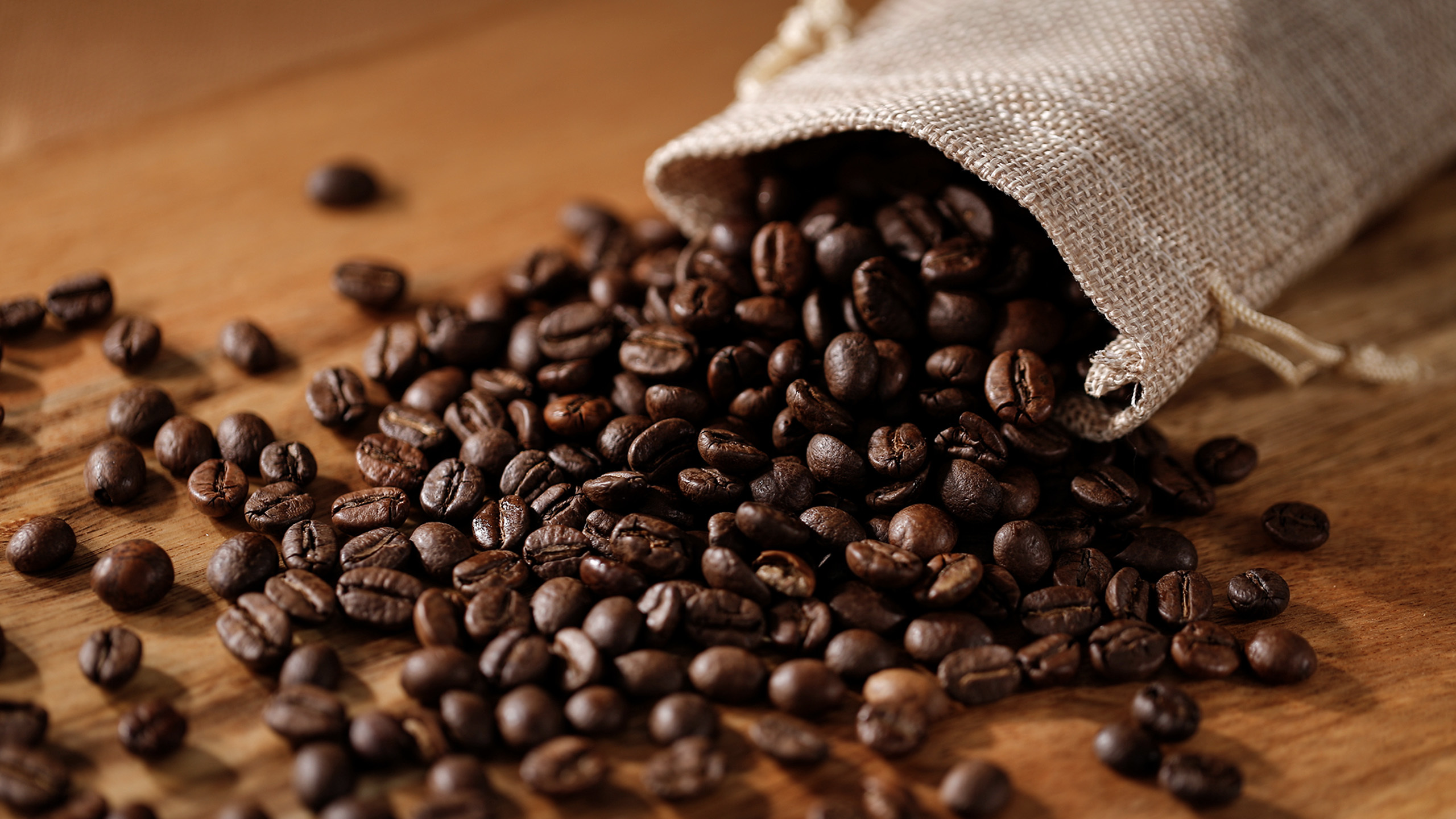
Why roast date matters more than best-before on UK coffee bags
2026-11-17
Author:
New-start Coffee& Food
Article overview
This guide explains why roast date is the single most important freshness indicator on any bag of roasted coffee beans UK consumers purchase — more reliable than best-before by a wide margin. We cover the chemistry of staling, UK labelling norms, a step-by-step bag-reading guide, a data-backed comparison table, and buying strategies for maximum freshness.
Table of contents
- 1. What roast date and best-before actually mean on UK coffee bags
- 2. The science of coffee freshness: why days matter, not months
- 3. How UK coffee labelling practices can mislead buyers
- 4. How to read a coffee bag like a specialty roaster
- 5. Roast date vs best-before: a real data comparison
- 6. Where to buy genuinely fresh roasted coffee beans in the UK
- 7. Subscriptions, single-origin, and small-batch: which freshness model wins?
- 8. Frequently asked questions
What roast date and best-before actually mean on UK coffee bags
Roasted coffee beans UK shoppers encounter two dates on most bags: a roast date, stamped by the roaster immediately after the batch leaves the drum, and a best-before date, calculated by adding an arbitrary shelf-life window — typically 12 to 18 months — to the roast date. These two numbers answer completely different questions, and confusing them is one of the most common and costly mistakes a home brewer can make.
The roast date tells you when the coffee was alive. The best-before date tells you when the roaster believes the product is no longer commercially viable — a legal and logistical estimate, not a flavour guarantee. Industry consensus is clear: for whole bean coffee, peak flavour exists within a window of roughly 7 to 28 days post-roast. After that, the experience degrades steadily, even if the bag is technically within its best-before window by many months.
Why the best-before date is a commercial decision, not a flavour one
Best-before dates on food products in the UK are governed by food labelling regulations, but they are set by manufacturers based on safety and commercial viability — not sensory quality. A large-scale roaster producing tens of thousands of bags per week needs those bags to remain sellable from the roasting facility, through a distributor, into a supermarket's warehouse, onto the shelf, and finally into a consumer's cupboard. That journey can take months. So a 12-month best-before gives the supply chain room to breathe. It says nothing about whether the coffee still tastes like the roaster intended.
What specialty roasters do differently
Artisan coffee roasters in the UK — the independent, small-batch operations that have proliferated since the early 2010s — typically print a prominent roast date rather than, or in addition to, a best-before. Some go further and recommend a "best enjoyed between" window printed directly on the bag. This practice reflects a fundamentally different philosophy: the product is a perishable, flavour-first ingredient, not a shelf-stable commodity. When you buy coffee beans online from a specialty roastery, you should expect to see that roast date front and centre.
The science of coffee freshness: why days matter, not months
Coffee freshness is primarily a chemistry story, and it moves fast. Immediately after roasting, whole bean coffee undergoes two simultaneous processes that work in opposite directions: degassing and oxidation.
Degassing and the CO₂ window
During roasting, the Maillard reaction and caramelisation produce significant quantities of carbon dioxide, which becomes trapped within the porous cell structure of the bean. For the first 24 to 72 hours after roasting, beans release this CO₂ rapidly — which is why freshly roasted coffee bags have one-way degassing valves. This is also why grinding and immediately brewing very fresh beans can produce over-gassed espresso shots with unstable crema. Most specialty roasters recommend resting espresso beans for 7 to 14 days post-roast, and filter coffee beans for 5 to 10 days, before brewing.
Oxidation and the staling curve
Once the CO₂ barrier diminishes, oxygen begins its work. The aromatic compounds responsible for the complex flavour profiles of single origin coffee beans — the fruity esters of an Ethiopian natural, the caramel sweetness of a Colombian washed — are volatile. They dissipate. Meanwhile, lipids in the bean undergo oxidation, producing stale, cardboard-like off-flavours. Research on coffee staling has consistently shown that ground coffee loses detectable aromatic compounds within hours, while whole bean coffee degrades meaningfully within four to six weeks of roasting when stored without nitrogen flushing.
Just like bread is best on the day it's baked, coffee is best in the weeks it's roasted — not the year the bag was printed.
"Fresh roasted coffee begins losing key volatile aromatics within two to four weeks of roasting. Best-before dates, often set 12 to 18 months ahead, describe shelf stability — not flavour peak." — Speciality Coffee Association (SCA) guidance on coffee freshness standards[IMAGE_1: Cross-section diagram of a roasted coffee bean showing CO₂ degassing channels and oxidation pathways, with a timeline overlay marking the flavour peak window (days 7–28) versus the typical UK best-before window (months 1–18)]
How UK coffee labelling practices can mislead buyers
UK food law does not currently mandate that roasters print a roast date on coffee packaging. It requires a best-before date for most packaged foods with a shelf life under 18 months, and a "use by" date for safety-critical perishables. Coffee, being shelf-stable from a food-safety perspective, falls into the best-before category. The result is that many mainstream supermarket coffees — bags of Arabica coffee beans or dark roast coffee beans on the shelves of major UK retailers — carry only a best-before date. Without a roast date, the consumer has no meaningful way to assess flavour freshness.
The supermarket supply chain problem
Consider this practical reality: a bag of premium coffee beans purchased from a UK supermarket today may have been roasted six, eight, or even ten months ago. It sits comfortably within its 12-month best-before window. The packaging may say "expertly roasted" and feature imagery of a coffee roastery UK-style aesthetic — exposed brick, artisan typography — but the actual flavour has long passed its optimum. This is not a quality failure in the food-safety sense. It is simply a structural consequence of how large-scale retail distribution works.
Why some roasters still omit roast dates
Even among smaller roasters, roast date transparency is not universal. Some operations that sell through third-party retailers — health food shops, deli counters, online marketplaces — batch-roast large quantities to fulfil orders, making precise roast-date labelling logistically complicated. Others argue their customers are not yet asking for it. This is changing. Consumer awareness of roast date significance has grown considerably in the UK specialty coffee community, and roasters who omit it increasingly face questions from educated buyers.
How to read a coffee bag like a specialty roaster
Once you understand what to look for, reading a coffee bag becomes a quick, reliable quality check. Here is the step-by-step process used by experienced specialty coffee buyers.
- Locate the roast date first. It is usually stamped or printed near the bottom seam or on the back panel. If you cannot find it, that is itself informative — the roaster may not prioritise freshness transparency.
- Calculate days since roast. Subtract the roast date from today's date. For filter coffee beans, you want to be between day 5 and day 45. For espresso beans UK-style extraction, the ideal window is day 7 to day 30.
- Check the best-before only as a secondary signal. If the best-before is less than six months away, the bag may be relatively fresh — but cross-reference with the roast date to confirm.
- Look for a degassing valve. A one-way valve on the bag indicates the roaster expected the coffee to be sold fresh enough to still be degassing. Its presence is a positive indicator.
- Read the origin and process notes. Bags that list the farm, region, and processing method (washed, natural, honey) for single origin coffee beans indicate a roaster engaged with quality at source — another proxy for freshness culture.
- Assess the grind recommendation. Bags sold as whole bean coffee preserve freshness far longer than pre-ground. If a roaster sells only pre-ground, consider whether freshness is their priority.
What the roast level tells you about shelf life
Dark roast coffee beans are more porous than lighter roasts — the extended heat breaks down more of the cellular structure, creating faster CO₂ release and quicker oxidation. In practice, this means dark roasts stale faster than light or medium roasts at the same age. If you favour a dark roast espresso, freshness is even more critical. A dark roast purchased eight months into its best-before life will taste significantly flatter than the same coffee at three weeks post-roast.
Storage after purchase
Even the freshest roasted coffee beans UK buyers can source will stale quickly if stored incorrectly. Reseal the bag tightly after each use, store away from light and heat, and keep at room temperature — not in the fridge, where condensation cycles damage the beans. An airtight container with a one-way valve is the ideal solution for beans transferred from their original packaging.
Roast date vs best-before: a real data comparison
To illustrate the gap between what a best-before date promises and what a roast date reveals, consider the following comparison across four typical UK purchase scenarios. The flavour score is based on a composite of cupping evaluations conducted under standard SCA protocols, with 100 representing peak post-roast condition.
| Purchase scenario | Days since roast | Months to best-before | Estimated flavour score | Verdict |
|---|---|---|---|---|
| Direct from roastery (online, dispatched same week) | 3–7 | 11–12 | 92–100 | ✅ Peak |
| Independent coffee shop / deli (regular turnover) | 14–30 | 10–11 | 78–90 | ✅ Good |
| Supermarket shelf (standard rotation) | 120–240 | 4–8 | 40–62 | ⚠️ Diminished |
| Online marketplace (third-party seller, slow stock) | 270–360 | 1–3 | 22–40 | ❌ Stale |
The table illustrates a stark reality: a bag with eight months remaining on its best-before can score less than half the flavour quality of beans dispatched direct from a coffee roasting facility that week. The best-before date, in every row above, remains well within legal limits. Only the roast date exposes the truth.
What the numbers mean for espresso vs filter
Espresso extraction is an unforgiving process — high pressure, fine grind, small dose. Stale beans produce flat, thin shots with little crema and pronounced bitterness. Filter brewing is more forgiving, but even a pour-over made with 200-day-old beans will lack the brightness and complexity that made you choose that single origin in the first place. The flavour degradation is not subtle once you have experienced truly fresh coffee.
Where to buy genuinely fresh roasted coffee beans in the UK
The most reliable way to guarantee freshness is to buy directly from a UK-based coffee roastery that roasts to order or on a weekly schedule. When you buy coffee beans online from a roastery's own website, the best operations will display the roast date at checkout or on the product page, roast your batch within days of dispatch, and ship with tracked next-day or two-day delivery.
What to look for when choosing a roastery
Not every roastery that markets itself as "artisan" or "small batch" prioritises freshness equally. When evaluating where to buy freshly roasted coffee beans, ask the following: Does the website display a roast date or roast schedule? Do product descriptions include specific origin, altitude, and processing information — signals of genuine specialty coffee beans sourcing? Is there a degassing rest recommendation? Can you contact the team directly with questions about the current crop? Roasters who answer yes to most of these questions are operating with flavour — not just shelf life — in mind.
The case for buying local
The UK has a thriving community of independent coffee roasters, from established names in London and Manchester to newer operations in Bristol, Edinburgh, Leeds, and beyond. Buying from a local coffee roastery UK has an additional advantage: shorter transit times mean beans arrive fresher, with less time for vibration and temperature fluctuation during shipping to affect the delicate cell structure of the bean. The global coffee industry overview shows how complex the supply chain from farm to cup can be — buying local at the final roast-to-consumer stage is one point where you have genuine control.
Subscriptions, single-origin, and small-batch: which freshness model wins?
For UK coffee drinkers who want consistently fresh roasted coffee beans without manually re-ordering each time, a coffee bean subscription is arguably the most effective structural solution. A well-designed subscription model ensures that beans are roasted specifically for your dispatch date, eliminating warehouse delay entirely.
How subscription economics compare to retail
Subscription pricing from UK specialty roasters typically runs between £8 and £14 per 250g bag of premium coffee beans, depending on the origin and roast profile. Supermarket whole bean coffee ranges from £4 to £9 for a 227g–250g bag. The gap narrows considerably when you factor in that a supermarket bag may be four to eight months old, delivering a fraction of the sensory value of its price. Per unit of actual flavour delivered, the subscription from a small batch roasted coffee programme often represents comparable or better value.
Of course, subscriptions are not perfect for everyone. If your consumption is irregular, or you enjoy exploring different roasters, a subscription to a single source may feel restrictive. Some subscription platforms now offer multi-roaster models, rotating through different artisan coffee roasters each dispatch. This solves the variety problem while maintaining the freshness guarantee.
Single-origin vs blends for freshness-sensitive brewing
Single origin coffee beans — sourced from a single farm, cooperative, or defined micro-region — are inherently more transparent about provenance. A roaster who prints the harvest year, farm name, and processing method on the bag is operating with a level of traceability that makes freshness dating a natural extension. Blends, by contrast, may combine beans from different roast dates to achieve a consistent cup profile, which can obscure the freshness picture. For the most freshness-critical applications — pour-over, AeroPress, light-roast espresso — single origin beans from a named roaster with a printed roast date give you the clearest picture of what you're brewing.
Why do so many buyers still default to supermarket ground coffee beans despite knowing this? Convenience is the honest answer. But the gap between a bag bought on a Tuesday afternoon from a UK roastery's website and that same bag brewed on Saturday morning — still within the 7-to-21-day peak window — is not subtle. It is the difference between coffee as a habit and coffee as an experience.
Frequently asked questions
Q: How soon after roasting should I use roasted coffee beans UK roasters sell?
A: For filter brewing, the optimal window is 5 to 45 days post-roast. For espresso, allow 7 to 14 days of rest first, then aim to finish the bag within 30 days. After 60 days, most whole bean coffees will have lost a significant portion of their peak aromatic complexity, even if storage conditions were ideal.
Q: Is it safe to drink coffee past its best-before date?
A: Yes — coffee past its best-before date is generally safe to consume. Best-before dates on coffee relate to quality, not food safety. The beans will not become harmful, but they will likely taste flat, stale, or bitter. The roast date is the more meaningful indicator of whether the coffee is worth brewing at all.
Q: Why don't UK supermarkets print roast dates on coffee bags?
A: UK food law does not require a roast date — only a best-before date for shelf-stable products. Large-scale retailers and roasters operating through extended supply chains typically omit roast dates because the information would reveal how old the product is by the time it reaches a shopper. Specialty and artisan roasters, who roast closer to dispatch, voluntarily display roast dates as a quality and trust signal.
Q: Does freezing extend the freshness of coffee beans?
A: Freezing can extend freshness if done correctly — beans must be portioned into airtight, moisture-proof bags before freezing, and thawed only once at room temperature before use. Repeated freeze-thaw cycles accelerate staling. For most home users, buying smaller quantities more frequently from a roaster with a fresh dispatch schedule is more practical than freezing.
Q: What is the best way to buy fresh roasted coffee beans in the UK?
A: The most reliable method is to buy directly from a UK-based specialty coffee roastery that roasts to order or on a weekly schedule, either via their website or through a coffee bean subscription. Look for a clearly printed roast date, a degassing valve on the bag, and specific origin information. Avoid buying from online marketplaces where seller stock rotation may be slow and roast dates are rarely displayed.
Final summary
The best-before date on a UK coffee bag is a supply chain tool. The roast date is a flavour tool. For anyone serious about the quality of what ends up in their cup, only one of those numbers actually matters. When evaluating any bag of roasted coffee beans UK consumers buy — whether online, at a local roastery, or from a deli — the roast date should be the first thing you check and the primary basis for your purchase decision.
The specialty coffee movement in the UK has spent years building a culture of freshness transparency. That culture now gives consumers real purchasing power: the ability to demand roast dates, to understand the peak flavour window, and to hold roasters accountable when bags arrive too old to deliver what the price implies. Use that knowledge every time you buy.
Previous Page:
Contact Us Now
We will contact you within one working day. Please pay attention to your email.

Cell phone:
Mail:
Company Address
Building 11, M60 Creative Park, Puji Road, Wuhua District, Kunming ,Yunnan , China


MESSAGES
We will contact you within one working day. Please pay attention to your email.