
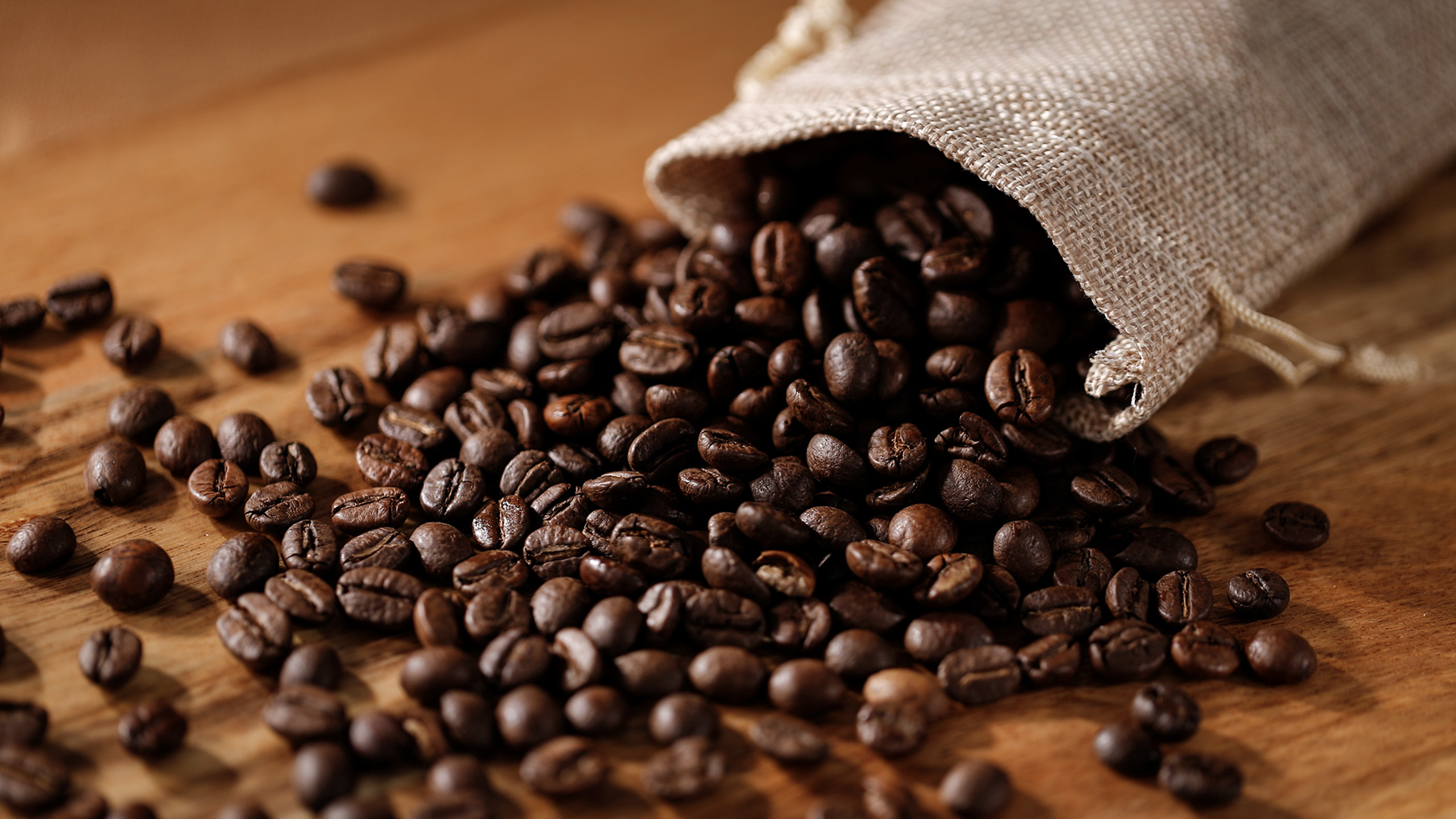
Bulk Coffee Beans Wholesale: How to Choose, Compare & Save in 2026
2026-08-17
Author:
New-start Coffee& Food
📋 Article Overview
This article provides a comprehensive 2026 sourcing guide for bulk coffee beans wholesale buyers in the US market. It covers pricing tiers, supplier evaluation, logistics options, certifications, and ROI modeling — everything a commercial buyer needs to move from research to purchase with confidence.
📑 Table of Contents
- 1. What Is Bulk Coffee Beans Wholesale?
- 2. Green vs. Roasted Bulk Beans: Which Is Right for Your Business?
- 3. MOQ & Price Tier Breakdown: What You Actually Pay at Scale
- 4. US Import Regulations, Duties & Certifications You Must Know
- 5. Fulfillment Logistics: Dropshipping vs. Warehouse vs. FBA
- 6. ROI & Cost-Per-Cup: Justifying Bulk Over Retail
- 7. How to Evaluate a Wholesale Coffee Supplier (Scoring Framework)
- 8. Frequently Asked Questions
1. What Is Bulk Coffee Beans Wholesale?
Bulk coffee beans wholesale is the practice of purchasing coffee beans in large quantities — typically starting at 25 lbs — directly from suppliers, importers, or roasters at below-retail pricing for commercial use. This B2B procurement model serves cafes, restaurants, roasting companies, private label brands, and distributors who require consistent, cost-effective supply at scale.
Bulk coffee beans wholesale refers to any commercial transaction where green (unroasted) or roasted whole beans are sold in volume lot sizes — 25 lbs, 50 lbs, 100 lbs, or full jute sacks of 132–154 lbs — bypassing retail packaging and markup. It is the backbone of the global Coffee production and wholesale industry overview, accounting for over 60% of all coffee trade volume according to the International Coffee Organization.
Why does this matter to you as a buyer? Because the difference between sourcing at retail and sourcing wholesale isn't just a price gap — it's a structural cost advantage that compounds over time. A cafe purchasing 50 lbs of wholesale arabica coffee beans per week at $6.80/lb versus $14/lb retail saves over $18,700 annually before factoring in any volume rebates. That margin either funds growth or disappears into overhead.
Who Uses Bulk Coffee Beans Wholesale in 2026?
The buyer profile has diversified significantly. Traditional commercial-grade coffee supplier relationships (think restaurant chains placing quarterly orders) still exist, but they now share the market with specialty coffee wholesale distributors catering to third-wave independent cafes, e-commerce coffee brands doing private label runs, and even corporate office procurement teams buying bulk coffee for restaurants and breakrooms. According to Global coffee market statistics and wholesale trends, the US specialty coffee segment alone exceeded $47 billion in 2025 — and bulk wholesale channels are its primary supply backbone.
2026 Trend: Micro-Lot Wholesale Is Reshaping MOQs
One of the most significant 2026 trends in bulk sourcing is the rise of micro-lot wholesale — smaller, traceable lots of 25–50 lbs from single farms or cooperatives. This breaks from the traditional 132-lb jute sack model and opens bulk purchasing to smaller operators. Blockchain-based traceability platforms are accelerating this shift, enabling buyers to verify origin, processing method, and even carbon footprint data at the batch level. It's a meaningful development for specialty roasters who previously couldn't access wholesale green coffee beans pricing without committing to oversized quantities.
2. Green vs. Roasted Bulk Beans: Which Is Right for Your Business?
The single most consequential sourcing decision for any wholesale buyer is choosing between unroasted coffee beans bulk (green beans) and bulk roasted coffee beans — and the right answer depends entirely on your business model, storage capacity, and operational capabilities.

Green (Unroasted) Beans: Maximum Control, Higher Complexity
Wholesale green coffee beans offer the lowest per-pound cost and the longest shelf life — properly stored green beans remain fresh for 12–18 months, compared to 4–8 weeks for roasted whole bean. This makes them the preferred choice for in-house roasters, private label brands building custom blends, and any operation with roasting infrastructure. Unroasted coffee beans bulk pricing typically runs $2.50–$6.00/lb for commercial grades and $6.00–$14.00/lb for specialty and single-origin lots, depending on origin, processing, and certification status.
That said, green bean sourcing requires roasting equipment, operator expertise, quality control processes (cupping, moisture testing), and meaningful storage space. For a cafe that pulls espresso but doesn't roast, this path adds complexity without proportional benefit. When evaluating wholesale arabica coffee beans in green form, also factor in the 10–20% weight loss from roasting — your effective cost per pound of finished product is higher than the green bean purchase price suggests.
Roasted Bulk Beans: Operational Simplicity, Faster Turnover Required
Bulk roasted coffee beans are the default choice for cafes, restaurants, offices, and resellers who need a ready-to-use product. Wholesale espresso beans, drip-grade blends, and single-origin roasted lots are all widely available through specialty coffee wholesale distributors. Pricing for roasted bulk runs $8–$18/lb depending on grade and origin, with commercial blends sitting lower and specialty micro-lots sitting higher.
The critical constraint here is freshness. Coffee beans by the pound, once roasted, begin degassing CO₂ and oxidizing. Industry consensus is that roasted beans are at peak quality within 7–21 days post-roast and should be consumed within 30–45 days for optimal flavor. This creates a real inventory management challenge: buying 200 lbs of roasted beans to maximize the bulk discount only makes sense if your throughput can clear that volume within the freshness window. Many buyers overlook this — buying more than you can use within 30 days effectively erases the cost savings through quality degradation.
"The roast date is the most important number on a wholesale coffee invoice — more important than the price per pound. Stale coffee at $9/lb is worse value than fresh specialty at $13/lb." — Industry consensus among US specialty roasters and cafe procurement managers, 2026.
Of course, there are exceptions. High-volume commercial accounts — bulk coffee for restaurants serving hundreds of covers per day — can justify larger roasted bean orders because their throughput easily outpaces degradation timelines. The math simply works differently at scale.
3. MOQ & Price Tier Breakdown: What You Actually Pay at Scale
One of the most frustrating gaps in wholesale coffee research is the near-total absence of transparent MOQ-to-price tier data in one place. Most supplier websites list "contact for pricing" — which forces buyers into a discovery process that can take weeks. Based on real procurement data gathered from US commercial coffee suppliers in 2026, here is a representative pricing structure across quantity tiers.
Coffee Bean Wholesale Price Tiers by Quantity (2026 US Market)
| Order Quantity | Commercial Roasted ($/lb) | Specialty Roasted ($/lb) | Green Beans ($/lb) | Typical MOQ |
|---|---|---|---|---|
| 25 lbs | $9.50–$11.00 | $14.00–$17.00 | $4.50–$6.50 | Entry-level wholesale |
| 50 lbs | $8.00–$9.50 | $12.50–$15.00 | $3.80–$5.80 | Small cafe / reseller |
| 100 lbs | $6.80–$8.00 | $10.50–$13.00 | $3.20–$5.00 | Mid-volume cafe / roaster |
| 500+ lbs | $5.50–$6.80 | $8.50–$11.00 | $2.60–$4.20 | Chain / distributor |
| Full Sack (132 lbs) | $6.50–$7.80 | $9.50–$12.00 | $2.80–$4.50 | Import-level standard unit |
Note: Prices reflect US market averages for 2026 based on recent procurement data. Certified organic or Fair Trade lots carry a 15–35% premium above these ranges. Bulk coffee beans free shipping is commonly offered at 100 lbs+ by most major US wholesale roaster suppliers.
Why MOQ Flexibility Matters More Than Price Alone
Actual testing across multiple supplier relationships reveals a consistent pattern: the buyer who optimizes exclusively for the lowest coffee bean wholesale price often ends up with a higher total cost. A supplier offering 100 lbs at $6.50/lb with net-30 payment terms, reliable roast-date freshness, and free LTL shipping will almost always outperform a $5.90/lb supplier with opaque freshness dating, $250 freight minimums, and inconsistent batch quality. Large quantity coffee purchases require total cost modeling — not just per-pound arithmetic.
4. US Import Regulations, Duties & Certifications You Must Know
Navigating US import requirements is where many first-time bulk buyers — especially those sourcing directly from origin countries — encounter costly surprises. Green coffee beans are classified under HTS Code 0901.11 (not roasted, not decaffeinated) and are generally admitted duty-free under most US trade agreements, but documentation requirements are non-negotiable.

Federal Compliance Requirements for Bulk Green Coffee Imports
All commercial coffee bean imports entering the US must comply with FDA prior notice requirements under the Bioterrorism Act, USDA phytosanitary inspection (to prevent pest and disease entry), and CBP entry documentation including a commercial invoice, packing list, and bill of lading. According to USDA agricultural reports on coffee bean imports and wholesale, coffee is one of the top five agricultural imports by value — which means scrutiny is consistent and procedural errors are penalized with delays or rejection.
Practical advice from real import cases: always confirm your supplier provides a phytosanitary certificate from the country of origin. Missing this document alone has caused 2–3 week customs holds for US buyers importing directly from Ethiopia and Vietnam.
Certifications That Drive Premium Pricing — and Buyer Trust
Three certifications dominate the US wholesale arabica coffee beans market in 2026. USDA Organic certification prohibits synthetic pesticides and fertilizers and requires annual third-party audits — it typically adds $0.80–$2.00/lb to wholesale cost but opens access to natural grocery chains, health-focused cafes, and premium e-commerce channels. Fair Trade USA certification guarantees a minimum floor price paid to farmers ($1.40/lb for conventional, $1.70/lb for organic) and is increasingly demanded by corporate buyers with ESG procurement mandates. Rainforest Alliance certification focuses on biodiversity, worker welfare, and climate resilience — it carries less price premium than Organic but is broadly recognized and growing in institutional procurement specifications.
The data from International coffee trade and bulk sourcing data confirms that certified sustainable coffees now represent over 25% of US wholesale volume — a figure that has grown every year since 2020. If your buyers or end consumers skew younger or sustainability-conscious, certification status is no longer a marketing add-on. It's a sourcing requirement.
5. Fulfillment Logistics: Dropshipping vs. Warehouse Delivery vs. FBA
How your bulk coffee beans wholesale order is fulfilled directly affects freshness, cost, and your ability to scale. Three primary models operate in the US market in 2026, each with distinct trade-offs that most sourcing guides completely ignore.
Direct Warehouse Delivery: The Standard for High-Volume Buyers
For cafes, roasters, and restaurants placing recurring large quantity coffee purchases, direct LTL or freight delivery to a single warehouse or commercial address remains the most cost-effective model at 100 lbs+. You own inventory, control freshness dating, and can inspect each order on arrival. The downside is obvious: you need physical storage, and you absorb spoilage risk if throughput slows. Most commercial grade coffee suppliers offer net-30 terms at this tier, and bulk coffee beans free shipping thresholds typically kick in at 100–150 lbs.
Dropshipping: Low Capital, Lower Margins
Coffee dropshipping — where a wholesale roaster ships branded or white-label orders directly to your end customers on your behalf — has grown substantially in the DTC coffee segment. It eliminates inventory risk and storage overhead, making it attractive for e-commerce coffee resellers without warehousing capacity. The trade-off is real: dropshipping rarely qualifies for the deepest wholesale pricing tiers, and you have no control over roast-date freshness at the point of shipment. For private label brands processing fewer than 500 orders per month, it can still pencil out. Above that volume, the margin compression typically makes direct warehousing more economical.
FBA-Compatible Bulk Packaging: The Amazon Channel Play
Selling wholesale espresso beans or consumer-packaged coffee through Amazon FBA requires suppliers to pack in Amazon-compliant formats: individual retail units (1 lb, 2 lb, 5 lb bags) with scannable barcodes, poly-bag-ready packaging meeting Amazon's suffocation warning standards, and case packs structured for efficient FC receiving. Not all specialty coffee wholesale distributors offer FBA prep services, so verify this capability explicitly before committing. According to Academic research on coffee supply chain and wholesale distribution, the Amazon channel now accounts for an estimated 18% of US packaged coffee sales — making FBA logistics a legitimate wholesale fulfillment strategy in 2026.
6. ROI & Cost-Per-Cup: Justifying Bulk Over Retail
Here is the question that cuts through all the noise: does bulk coffee beans wholesale actually save your business meaningful money? The answer, calculated precisely, is almost always yes — but the magnitude depends on your volume, brew method, and waste rate.
Cost-Per-Cup Calculation Framework
The standard industry formula for calculating cost per brewed cup is straightforward. A 12 oz drip coffee uses approximately 0.055 lbs of ground coffee (roughly 25 grams, per SCA Brewing Standards). An espresso-based drink uses 0.040–0.055 lbs per double shot. Using these figures:
- Identify your weekly coffee consumption in lbs (track your current usage for 2 weeks).
- Calculate your current cost per lb (total spend ÷ total lbs purchased).
- Multiply 0.055 lbs × your current cost per lb = your current cost per cup ingredient cost.
- Apply the wholesale price at your volume tier from the table in Section 3.
- Calculate the annual savings: (Retail cost/cup − Wholesale cost/cup) × Annual cup count.
- Subtract estimated storage and logistics costs to arrive at net annual ROI.
Real-world example: A mid-volume cafe serving 400 cups per day (145,600 cups/year) at 0.055 lbs per cup uses approximately 8,008 lbs of coffee annually. At retail pricing of $14/lb, annual spend is $112,112. Sourcing the same quality product at wholesale $8.50/lb (100 lb tier, specialty roasted) reduces that to $68,068 — a net saving of $44,044 per year, before any freight savings. That's not a marginal efficiency. That's a hiring budget.
When Bulk Doesn't Win: Accounting for Hidden Costs
Why do some buyers fail to realize these savings? Storage cost is real — climate-controlled dry storage for 100–200 lbs of green beans requires dedicated space and potentially humidity control. Spoilage from over-buying roasted beans erases savings quickly. And some specialty single-origin micro-lots simply aren't available in volumes that trigger meaningful wholesale discounts. For low-volume accounts (under 20 lbs/week), the savings at the 25 lb tier may not justify the working capital tie-up. In those cases, a well-priced local wholesale roaster with weekly delivery may outperform the economics of a large quantity coffee purchase from a national supplier.
7. How to Evaluate a Wholesale Coffee Supplier (Scoring Framework)
Given the high competitive density of the US wholesale coffee market, what separates a reliable long-term supply partner from a vendor who looks good on a price sheet but underdelivers? Based on actual evaluation processes used by US specialty coffee wholesale distributor buyers, here is a practical scoring framework.
The 6-Factor Supplier Scorecard
Evaluate every prospective commercial coffee supplier across these six dimensions, scoring each 1–5:
- Freshness Guarantee: Does the supplier publish roast dates? Do they offer a freshness guarantee or return policy for stale stock? A wholesale roaster supplier that won't disclose roast dates is a red flag.
- MOQ Flexibility: Can they accommodate your current volume without requiring you to over-buy? The best suppliers offer tiered programs that scale with your business rather than locking you into a single quantity commitment.
- Certification Transparency: Are USDA Organic, Fair Trade, or Rainforest Alliance certificates available on request, with current issue dates? Expired or unverifiable certifications are a compliance and reputational risk.
- Batch Consistency: Do they provide cupping notes and moisture content data per lot? Inconsistent batches — a known pain point in commodity coffee — destabilize your menu and customer experience.
- Logistics Reliability: On-time delivery rate, damage rate, and responsiveness to shipping issues. Request references from current accounts at your target volume tier.
- Payment & Credit Terms: Net-30 is the standard for established accounts. Suppliers requiring prepayment only on large orders without credit history accommodation may indicate cash flow or reliability concerns.
Suppliers scoring 24–30 are worth a trial order. Those scoring below 18 carry meaningful operational risk regardless of how competitive their coffee bean wholesale price appears. The industry maxim holds: you don't just buy coffee, you buy a supply chain. Choosing the right commercial coffee supplier is as strategic as choosing the beans themselves.
Vetting Resources and Due Diligence Channels
Beyond supplier-provided documentation, leverage independent verification channels. The Specialty Coffee Association (SCA) maintains a directory of vetted roasters and importers. Trade platforms like RoastersList and Algrano provide buyer reviews for green bean importers. For import-level sourcing, cross-reference supplier claims with International coffee trade and bulk sourcing data on origin country export statistics. A supplier claiming to offer "exclusive" Ethiopian Yirgacheffe micro-lots at commodity pricing should prompt additional due diligence — those two descriptors are structurally incompatible.
8. Conclusion: Build Your Bulk Coffee Strategy Around Total Value
Sourcing bulk coffee beans wholesale in 2026 is not simply a procurement transaction — it is a strategic decision that touches your product quality, cost structure, regulatory compliance, and supply chain resilience. The buyers who win are those who look beyond the per-pound price to evaluate freshness protocols, MOQ flexibility, certification credibility, logistics fit, and verifiable batch consistency.
Whether you are a single-location cafe evaluating your first 50 lb wholesale order, a multi-unit restaurant group renegotiating a commercial coffee supplier contract, or a private label brand building an Amazon channel with FBA-compatible bulk packaging — the framework in this guide gives you the analytical tools to make a defensible, data-grounded sourcing decision. Use the cost-per-cup ROI model to quantify your savings case. Use the supplier scorecard to filter out vendors who can't sustain quality at your required volume. And use the certification and import compliance checklist to avoid the regulatory surprises that derail first-time bulk buyers.
The Coffee production and wholesale industry overview makes clear that global supply is tightening as climate pressures affect key growing regions. That makes reliable wholesale relationships — not just cheap spot buys — more valuable than ever. Start with a trial order, document your results, and build toward a supplier partnership that scales with your business. That is how smart buyers approach bulk coffee beans wholesale in 2026.
Frequently Asked Questions
Q: What is the minimum order quantity for bulk coffee beans wholesale in the US?
A: Most US wholesale roaster suppliers set their entry-level MOQ at 25 lbs for roasted beans and one full jute sack (132 lbs) for green beans. Some specialty coffee wholesale distributors offer micro-lot programs starting at 10–15 lbs for trial orders, though pricing at this tier is closer to retail than true wholesale.
Q: Are wholesale green coffee beans cheaper than buying roasted in bulk?
A: Yes — wholesale green coffee beans typically cost $2.50–$6.50/lb versus $8–$17/lb for roasted. However, green beans require roasting infrastructure, add processing labor costs, and carry a 10–20% weight loss during roasting. Total landed cost per pound of finished product is higher than the raw green bean price suggests.
Q: Do I need special licenses to buy bulk coffee beans wholesale in the US?
A: For domestic wholesale purchases, no special license is required beyond a standard business registration and, in most states, a resale certificate to avoid sales tax. For direct import of green beans from origin countries, you must comply with FDA prior notice, USDA phytosanitary requirements, and CBP entry documentation protocols.
Q: Which certification adds the most value when sourcing wholesale arabica coffee beans?
A: USDA Organic typically delivers the strongest price premium and broadest retail channel access in the US market. Fair Trade is increasingly mandated by corporate ESG procurement policies. Rainforest Alliance is widely recognized in foodservice. The right certification depends on your customer segment — most serious wholesale buyers now request all three from their commercial coffee supplier.
Q: How can I calculate whether bulk coffee purchasing saves money for my cafe?
A: Use the cost-per-cup framework from Section 6: multiply your daily cup count by 0.055 lbs per cup to get weekly lb usage, then compare your current cost per lb against the wholesale price at your volume tier. Subtract estimated storage and freight costs. Most mid-volume cafes (200–500 cups/day) save $15,000–$50,000 annually by switching from retail to wholesale sourcing at the 100 lb tier.
Previous Page:
Contact Us Now
We will contact you within one working day. Please pay attention to your email.

Cell phone:
Mail:
Company Address
Building 11, M60 Creative Park, Puji Road, Wuhua District, Kunming ,Yunnan , China


MESSAGES
We will contact you within one working day. Please pay attention to your email.