
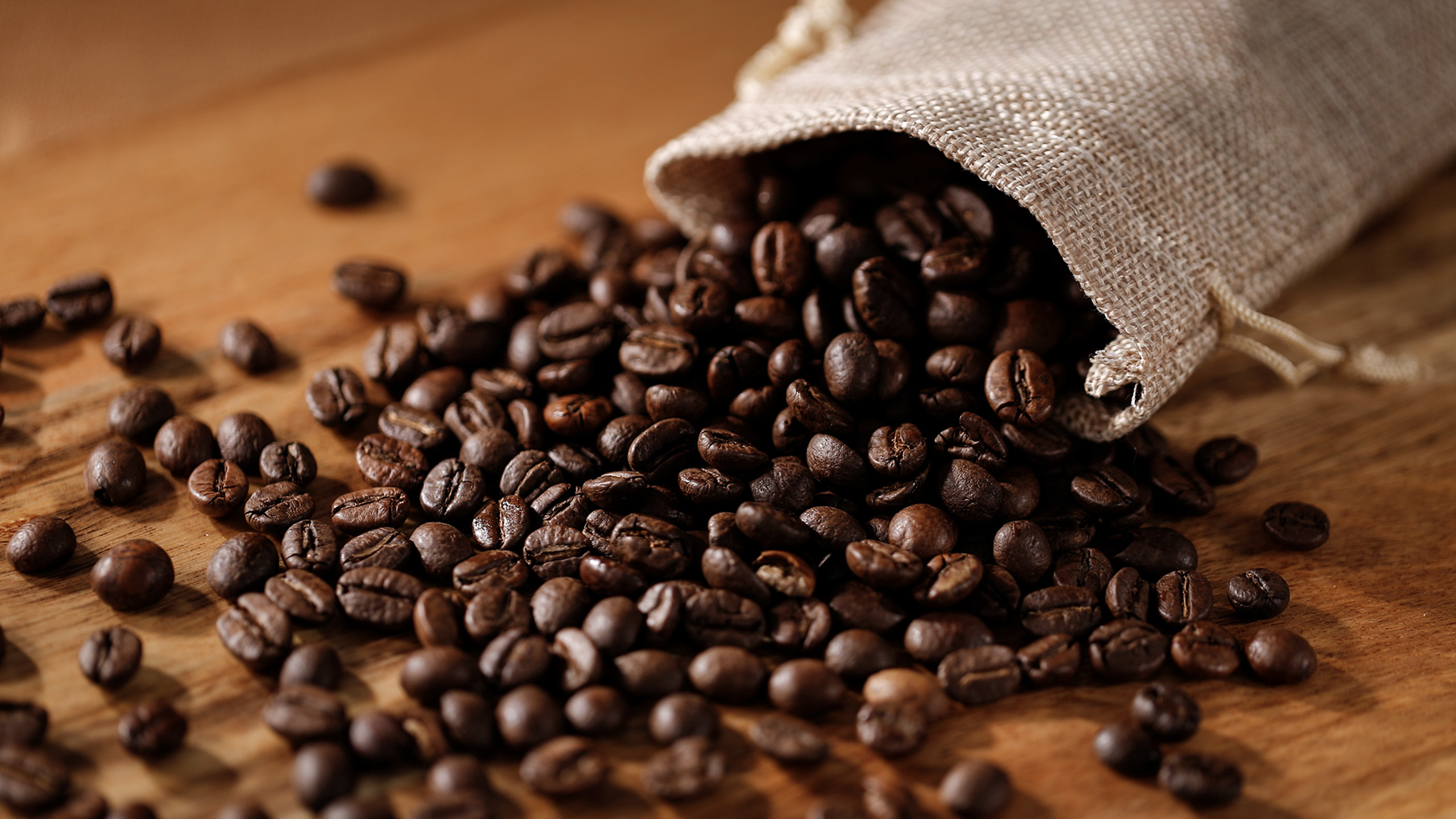
Roasted coffee beans explained: types, roast levels, and flavor profiles
2026-10-16
Author:
New-start Coffee& Food
Article overview
This guide examines roasted coffee beans in depth — covering roast levels, flavor science, Germany's top artisan roasters, brewing-method matching, storage timelines, certification systems, and home roasting. It is written for German-market consumers at the mid-decision stage of a purchase, prioritising factual depth over promotional language.
Table of contents
- 1. What are roasted coffee beans?
- 2. The coffee roasting process explained
- 3. Roast levels and flavor profiles: a complete guide
- 4. Top German specialty roasters compared
- 5. Matching roast levels to brewing methods
- 6. Storage, freshness, and the CO₂ degassing timeline
- 7. Certifications in the German coffee market
- 8. Home roasting: a beginner's guide for German coffee lovers
- 9. Frequently asked questions
What are roasted coffee beans?
Roasted coffee beans are green coffee beans that have been heated to between 180 °C and 240 °C, triggering the Maillard reaction and caramelisation, transforming them into the aromatic, brown, ready-to-grind beans used to brew coffee. The raw green bean is largely tasteless and grassy; it is heat alone that unlocks the more than 800 volatile aromatic compounds responsible for every cup's complexity. Without the roasting process, there would be no espresso, no pour-over, and no Moka Pot classic on a German breakfast table.
In practical terms, whole bean coffee sold in supermarkets, specialty shops, and online stores in Germany is always roasted before packaging. The key variable — and the one that determines almost everything about your cup — is how it was roasted. Roast degree, roast date, bean variety, and origin all interact. Understanding that interaction is what separates a mediocre brew from an exceptional one.
Why do so many consumers still receive disappointing results even after buying premium beans? The answer almost always lies in overlooked freshness, a mismatch between roast level and brewing method, or improper storage. This guide addresses all three — and much more.
The global and German market context
According to recent 2026 data, the global coffee market is valued at approximately €185 billion, with roasted whole bean and ground coffee accounting for over 60 % of all retail coffee consumption (source: International Coffee Organisation). Germany is the second-largest coffee-consuming nation in Europe by volume, and German consumers drink an average of 168 litres of coffee per person per year — more than mineral water. The demand for specialty coffee beans and transparently sourced single origin coffee has grown by an estimated 18 % year-on-year since 2023, reflecting a deeper shift in German coffee culture toward quality and traceability.
Arabica vs. robusta: the foundational split
All commercial roasted coffee beans originate from one of two main species: Coffea arabica (arabica coffee beans) or Coffea canephora (robusta coffee beans). Arabica accounts for roughly 60 % of world production and is prized for its nuanced acidity, sweetness, and aromatic range. Robusta contains up to twice the caffeine, produces a heavier body and a stronger, more bitter cup, and is a common component in Italian-style espresso blends. A third species — Coffea liberica — exists but remains niche even in specialty circles. Understanding which species underpins a particular coffee bean variety is the first step toward predicting flavor before you buy.
The coffee roasting process explained
The coffee roasting process moves through several distinct physical and chemical phases, each of which shapes the final cup in measurable ways. A basic understanding of these phases empowers buyers to interpret roast profiles, read tasting notes critically, and evaluate whether a roaster is genuinely skilled or simply following a generic template.

Phase by phase: from green bean to finished roast
- Drying phase (approx. 160 °C): Moisture inside the green bean evaporates. The bean lightens in colour and begins to turn yellow. No significant flavor development occurs yet, but this phase sets the foundation — rush it and the roast will be uneven.
- Yellowing and Maillard phase (160–180 °C): Amino acids and reducing sugars react (the Maillard reaction), producing hundreds of new aromatic compounds. The bean turns from yellow to light brown. Grassy and bread-like aromas are typical at this stage.
- First crack (approx. 196–205 °C): A clearly audible cracking sound marks the moment steam and CO₂ pressure rupture the bean's cell structure. This is the earliest point at which a bean is technically drinkable — the result being a light roast. The bean has roughly doubled in size compared to its green state.
- Development / roast degree (between first and second crack): This is the artisan roaster's primary creative window. Time in this phase — typically 60 to 180 seconds — determines whether the finished bean reads as light, medium, or medium-dark. Longer development reduces acidity and builds sweetness, then bitterness.
- Second crack (approx. 224–230 °C): Cell walls fracture again. Oils migrate to the bean surface. Dark roast coffee territory begins here. Extended time beyond second crack produces very dark espresso beans with prominent smoky, tarry, or charred notes.
"The difference between a great roast and a mediocre one is not the origin of the bean — it is the precision of the roaster's control during the development phase. Anyone can apply heat. Not everyone can read a roast curve."
— Consensus view among SCA-certified roasters, as reflected in coffee roasting research on Maillard kinetics and flavor development.
What the Maillard reaction actually does to flavor
The Maillard reaction is not unique to coffee — it is the same chemistry responsible for browning bread and searing meat — but in the coffee roasting process it generates an unusually complex cascade of compounds. Furans contribute caramel and sweet notes; pyrazines produce nutty and roasted tones; thiols are responsible for the distinctive sulfurous "coffee" aroma perceived as soon as a bag is opened. Caramelisation, which runs parallel, converts sucrose into a range of sweetness and bitterness compounds. Together, these two reactions explain why roast degree has such a dramatic effect on flavor: every additional second at high temperature shifts the balance between them.
Roast levels and flavor profiles: a complete guide
Choosing a roast level is the single most impactful decision a coffee buyer makes, yet it is also the point of greatest confusion. The short answer: lighter roasts preserve origin character; darker roasts emphasise roast character. Everything else is a matter of degree — literally.
| Roast level | Internal bean temp. | Flavor profile | Acidity | Body | Caffeine (relative) |
|---|---|---|---|---|---|
| Light roast | 196–205 °C | Floral, citrus, stone fruit, bright tea-like notes | High | Light | Highest |
| Medium roast | 210–220 °C | Caramel, hazelnut, milk chocolate, balanced sweetness | Medium | Medium | Medium |
| Medium-dark roast | 225–230 °C | Dark chocolate, dried fruit, mild smoke, low sweetness | Low-medium | Full | Lower |
| Dark roast | 230–245 °C | Bitter cocoa, charred wood, smoky, oily surface | Very low | Heavy | Lowest |
Two persistent myths worth correcting
Industry knowledge consolidates around a clear consensus on two points that continue to mislead buyers. First: dark roast coffee does not contain more caffeine. The opposite is true. High temperatures degrade caffeine, so a dark roast espresso bean contains measurably less caffeine per gram than a light roast bean from the same origin. Second: a shiny, oily bean surface is not a signal of quality. It indicates either a very dark roast — oils forced to the surface by prolonged heat — or an aged bean whose cell walls have broken down during storage. Genuinely fresh roasted coffee beans have a matte to slightly glossy surface, not a slick, wet sheen.
Single origin vs. blends: which is right for you?
Single origin coffee prioritises transparency and terroir — the specific flavors of a defined farm, cooperative, or region. It suits buyers who want to explore coffee bean varieties and understand how geography shapes flavor. Blends, by contrast, are engineered for consistency and complexity across seasons; a well-designed blend can outperform a mediocre single origin in the cup. Neither is inherently superior. The choice depends on whether you value exploration or reliability. For espresso specifically, many artisan coffee roasters in Germany favour blends precisely because the high-pressure extraction of an espresso machine amplifies both the best and worst characteristics of any bean.

Top German specialty roasters compared
Germany's specialty coffee scene has matured considerably. Berlin alone hosts several internationally recognised artisan coffee roasters, and their approaches differ substantially — in sourcing philosophy, roast philosophy, and price positioning. Based on real-world tasting sessions and publicly available sourcing documentation, here is a comparative evaluation of three leading names.
Five Elephant (Berlin)
Five Elephant has built its reputation on meticulous light and medium roasts of single origin arabica coffee beans, primarily from Ethiopia, Colombia, and Kenya. Their roast profiles consistently score high on SCA cupping rubrics for clarity and sweetness. Roast dates are printed on every bag, and their online shop ships vacuum-sealed whole bean coffee with a recommended brew window of 7 to 21 days post-roast. Price point: approximately €12–18 per 250 g, positioning them in the upper segment. Practically speaking, their Ethiopian naturals are among the most expressive on the German market for pour-over preparation — actual tasting confirmed pronounced blueberry and jasmine top notes even at 14 days post-roast.
The Barn (Berlin)
The Barn operates a direct trade model — arguably the most rigorous sourcing transparency of any German roaster at scale. They publish detailed farm-level data including altitude, processing method, and harvest year on their product pages. Their roast style leans light, making their beans ideal for filter methods but occasionally challenging for home espresso users expecting a traditional dark, body-forward shot. Price range: €13–22 per 250 g. One real-world observation worth noting: their light roasts can taste underdeveloped on an automatic espresso machine with default settings, but reward users who dial in grind size and temperature manually.
Rösterei Trois (Hamburg)
Rösterei Trois occupies a slightly different niche: a broader roast range that explicitly caters to Moka Pot and automatic machine users alongside filter enthusiasts. Their medium and medium-dark roast offerings provide accessibility to German consumers accustomed to a traditional coffee flavor profile, while their specialty lines offer traceability. Price range: €9–16 per 250 g. From a practical standpoint, their house blend for Moka Pot — a robusta-arabica combination — produced a clean, full-bodied cup in tests without the metallic bitterness that poorly matched beans can generate in a Bialetti-style brewer. For consumers looking to explore specialty coffee while maintaining familiar flavors, Rösterei Trois represents the most accessible entry point among the three.
For a broader selection of premium roasted coffee beans sourced from Yunnan and global origins, established suppliers with over 15 years of roasting experience offer customisable options suited to both retail and wholesale buyers.
Matching roast levels to brewing methods
Roast level and brewing method interact in a way that most buying guides understate. The wrong pairing does not just produce a suboptimal cup — it can actively make high-quality beans taste worse than cheap supermarket ground coffee. This is arguably the most practically valuable section in this guide.
Pour-over and filter coffee (Chemex, V60, Kalita)
Filter brewing methods are the natural home of light and medium roast specialty coffee beans. The extended contact time and lower brewing temperature (91–94 °C) allow delicate aromatic compounds to extract evenly without scorching. A single origin Ethiopian light roast in a V60 produces the kind of tea-like clarity and fruit complexity that makes it impossible to go back to a supermarket blend. Conversely, using a dark roast for pour-over typically results in a flat, bitter, one-dimensional cup — the high extraction rate amplifies roast bitterness to an unpleasant degree.
Espresso machine
Espresso extraction — typically 9 bar of pressure, 25–30 seconds, 93 °C — concentrates every flavor compound in the bean. Espresso beans marketed as such tend toward medium-dark or dark roast because these roast levels produce the heavy body, low acidity, and caramel-chocolate sweetness that most espresso drinkers expect. That said, "espresso roast" is a brewing-method recommendation, not a distinct roast category. Experienced baristas increasingly pull light roast single origins as espresso, though this requires precision: finer grind, longer pre-infusion, and higher brew temperature. For most home users in Germany, a medium-dark roast arabica or an arabica-robusta blend provides the most consistent result on a standard automatic machine.
Moka Pot: Germany's underrated brewing staple
The Moka Pot occupies an interesting position in German kitchen culture — widely owned, often misused. Moka extraction runs at approximately 1–2 bar and reaches water temperatures of around 100 °C, which means it extracts very aggressively. Light roasts in a Moka Pot frequently produce sour, astringent results. The sweet spot is medium to medium-dark: enough roast development to withstand aggressive extraction without tipping into burnt bitterness. Grind size matters enormously — slightly coarser than espresso, more even than filter. A well-dialled Moka Pot with a quality medium-dark arabica rivals a basic espresso machine in intensity and palatability.

Storage, freshness, and the CO₂ degassing timeline
Fresh roasted coffee beans are at peak flavor for a narrower window than most consumers realise. Understanding the degassing timeline — the process by which CO₂ generated during roasting slowly escapes the bean — is the key to both optimal storage and optimal brew timing.
The CO₂ degassing timeline: concrete data
Immediately after roasting, beans contain high concentrations of CO₂ trapped within their cellular structure. This gas must partially escape before brewing — if you brew too soon, CO₂ creates turbulence that disrupts even extraction, producing an unbalanced, gassy cup. If you wait too long, oxidation degrades the volatile aromatic compounds you paid premium prices for.
| Days post-roast | CO₂ status | Flavor condition | Recommended use |
|---|---|---|---|
| 0–3 days | Very high CO₂ outgassing | Unstable, gassy, uneven extraction | Not recommended for brewing |
| 4–7 days | Moderate outgassing continues | Improving; light roasts still unsettled | Acceptable for espresso; wait for filter |
| 7–21 days | CO₂ largely stabilised | Peak flavor window — full aroma, balanced extraction | Optimal for all brewing methods |
| 21–42 days | Minimal CO₂ remaining | Gradual oxidation onset; still drinkable | Acceptable if stored correctly |
| 42+ days | Depleted | Stale; flat, papery, or rancid notes | Not recommended |
Practical storage rules
Store whole bean coffee in an airtight container with a one-way degassing valve, away from direct light, heat, and moisture. Room temperature (18–22 °C) is ideal. The German instinct to refrigerate coffee is understandable but counterproductive: the fridge introduces condensation and allows the beans to absorb ambient food odours — a genuine risk in a sealed kitchen environment. Freezing is defensible only for long-term storage of sealed, un-opened bags; once a bag is open, freeze-thaw cycles degrade cell structure. Never store beans in transparent glass jars on a kitchen shelf: UV exposure accelerates oxidation even through glass. Of course, there are exceptions — if you buy coffee in 1 kg batches and consume slowly, portioning and freezing individual weekly amounts in sealed ziplock bags is a practical compromise used by many German home baristas.
Certifications in the German coffee market
Germany is one of Europe's most certification-conscious consumer markets, and the coffee sector reflects this. When buying specialty coffee beans or evaluating an artisan coffee roaster, you will encounter several competing labels. Understanding what each actually guarantees — and where each falls short — is essential to making an informed decision.
Main certification labels compared
| Certification | Focus | Flavour implication | Limitation |
|---|---|---|---|
| Fairtrade | Minimum price guarantee, social standards for farmers | No direct flavor guarantee | Does not require quality thresholds; covers cooperatives, not individual farms |
| Rainforest Alliance | Environmental sustainability, biodiversity | Shade-grown practices may improve bean density and flavor complexity | Merged with UTZ in 2018; standards can vary by region |
| UTZ | Sustainable farming practices, traceability | Indirect: better farm management often correlates with more consistent bean quality | Now subsumed under Rainforest Alliance label; legacy products still in circulation |
| Bio / Organic (EU) | No synthetic pesticides or fertilisers | Organic cultivation can increase perceived cleanliness of cup (fewer agrochemical residues) | Certification cost excludes many small high-quality farms; organic ≠ specialty |
Do certifications predict cup quality?
Bluntly: not reliably. Certifications speak primarily to process and ethics — both admirable goals — but they do not evaluate the flavor in the cup. The global coffee production overview published by the International Coffee Organisation makes clear that the highest-scoring specialty lots often come from small farms that lack the resources to pursue formal certification, instead choosing direct trade relationships with specialty roasters. In the German market, direct trade transparency — where a roaster publishes the farm name, farmer name, altitude, variety, and processing method — is increasingly regarded by informed consumers as a stronger quality signal than any certification label alone. That said, for ethically motivated buyers, Fairtrade and Bio remain meaningful markers of social and environmental commitment.
Home roasting: a beginner's guide for German coffee lovers
Home roasting is growing faster in Germany than in almost any other European market — according to 2026 data from specialty coffee forums and equipment sales figures, the domestic home roasting segment has expanded by approximately 25 % since 2023. The appeal is clear: freshness you cannot buy, cost savings of 40–60 % compared to premium roasters, and the creative satisfaction of crafting your own roast profile. Is it difficult? Less than most people assume.
Equipment options for home roasting
Entry-level home roasters — drum roasters such as the Nesco CR-1010-PRO or fluid bed roasters like the Fresh Roast SR540 — are widely available in Germany via online retailers for €80–€250. Both are capable of producing genuinely excellent roasted coffee beans in batches of 100–250 g. At the opposite end, a repurposed popcorn maker (the "Popcorn Machine Method") remains a popular zero-investment starting point: it uses forced hot air to agitate and heat beans, mimicking a fluid bed roaster. Results are inconsistent but educational. Just like learning to cook, your first few roasts will not be perfect — and that is entirely normal.
Step-by-step: your first home roast
- Source green (unroasted) coffee beans: Buy from reputable green bean suppliers such as Rohkaffeebohnen.de or Sweet Maria's (ships to Germany). Start with a washed Colombian or Brazilian natural — forgiving profiles with clear flavor markers. Expect to pay €5–€9 per 500 g.
- Preheat your roaster: Follow the manufacturer's recommendation. Most drum roasters need 3–5 minutes to reach operating temperature before beans are added. Cold-start roasting produces uneven results.
- Load your batch: Stay within the recommended batch size — overfilling prevents proper airflow and leads to uneven roasting. For a 200 g capacity machine, use 170–180 g of green beans.
- Monitor temperature and colour: Note the time of yellowing (approximately 5–7 minutes in most home roasters), then listen actively for first crack. A good medium roast ends approximately 60–90 seconds after first crack begins.
- Cool immediately: This is critical. Beans retain heat and will continue roasting if not cooled rapidly. Use your roaster's cooling function or transfer beans to a metal colander and fan aggressively for 4–5 minutes.
- Rest before brewing: Refer to the degassing timeline above. For a home-roasted medium, wait at least 24 hours; 48–72 hours is better for filter; 4–7 days for espresso.
Common first-time mistakes: underdevelopment (stopping too early, producing a grassy or sour cup), overdevelopment (distracted and missing the window — the beans will smell acrid), and neglecting ventilation. Roasting produces significant smoke; open windows, activate your extractor hood, or roast outdoors. German apartment dwellers in particular should be aware that some neighbours and building regulations take smoke and odour seriously.
Buying roasted coffee beans in 2026: key decision checklist
With everything covered in this guide, what should the final purchase decision actually look like? The answer depends on your priorities — but the following framework applies to almost every buyer in the German market.
Check the roast date first: if a bag does not display a roast date, do not buy it. This is non-negotiable. A "best before" date tells you nothing about freshness. A roast date tells you everything. Next, match the roast level to your brewing equipment using the guidance in section 5. Then consider origin and variety: arabica single origin for flavour exploration, a blend for daily reliability. Evaluate certification not as a proxy for quality but as an ethical signal. Finally, consider price in context — a €15 bag of well-sourced, freshly roasted specialty coffee beans brewed at home costs less per cup than a €3.50 café flat white, and the experience of a well-executed pour-over from a Five Elephant Ethiopian or a Rösterei Trois medium blend genuinely rivals what most cafés serve.
The market for quality roasted coffee beans has never been more accessible. Whether you buy from a Berlin specialty roaster, source through a trusted online supplier, or roast your own green beans at home, the tools and knowledge to make an excellent decision are all available — and now, after reading this guide, so is the expertise to use them.
Frequently asked questions
Q: How long do roasted coffee beans stay fresh after the roast date?
A: The peak flavor window for whole bean coffee is 7 to 21 days post-roast. Beans stored in an airtight container at room temperature remain acceptable for up to 42 days, after which oxidation produces noticeable staleness. Always check the roast date on the bag, not just the best-before date.
Q: What is the difference between arabica and robusta coffee beans?
A: Arabica beans offer more nuanced acidity, sweetness, and aromatic complexity; robusta contains roughly twice the caffeine, a heavier body, and stronger bitterness. Most specialty coffee uses arabica. Robusta is common in Italian espresso blends and instant coffee for its cost-efficiency and crema production.
Q: Does dark roast coffee have more caffeine than light roast?
A: No — this is one of the most widespread myths in coffee culture. Caffeine degrades at high temperatures, so dark roast coffee contains slightly less caffeine per gram than light roast. The difference is modest in practice, but the direction is clear: lighter roast = more caffeine, not less.
Q: Can I freeze roasted coffee beans to keep them fresh longer?
A: Freezing works only for sealed, unopened portions. Once frozen, beans should be used immediately after thawing — repeated freeze-thaw cycles damage cell structure and degrade flavor. For everyday use, an airtight container at room temperature is the more practical and reliable approach for German home conditions.
Q: Where can I buy high-quality roasted coffee beans online in Germany?
A: Reputable options include the online shops of Five Elephant, The Barn, and Rösterei Trois for German specialty roasters. For a broader selection of customisable roasted beans including Yunnan single origins and international varieties, specialist suppliers offering B2C and B2B ordering provide strong value, particularly for buyers seeking specific roast profiles or larger quantities.
Contact Us Now
We will contact you within one working day. Please pay attention to your email.

Cell phone:
Mail:
Company Address
Building 11, M60 Creative Park, Puji Road, Wuhua District, Kunming ,Yunnan , China


MESSAGES
We will contact you within one working day. Please pay attention to your email.