
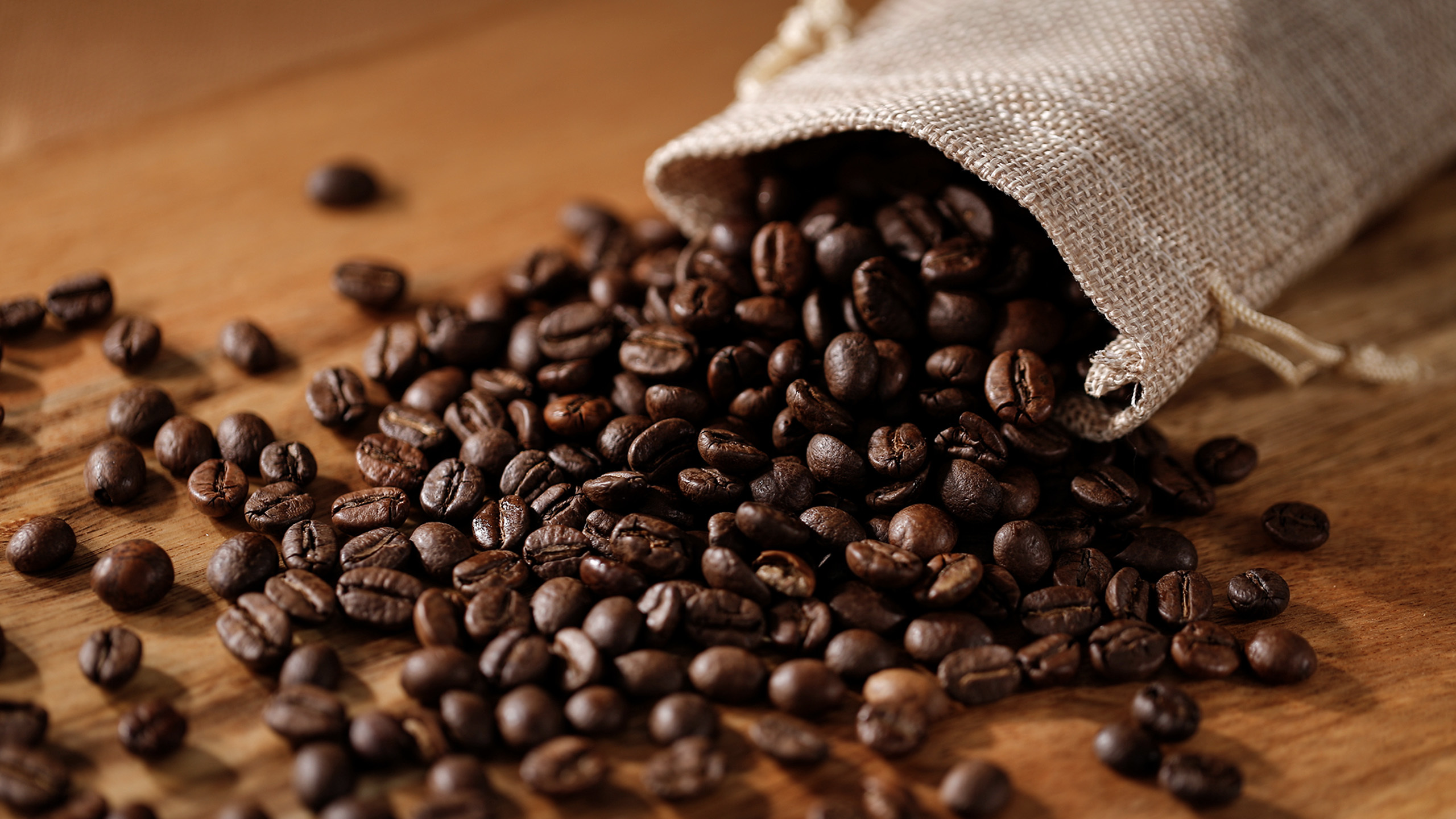
Dark roast coffee beans guide: how to choose, brew, and enjoy bold flavors
2026-09-28
Author:
New-start Coffee& Food
Article overview
This article defines coffee beans dark roast, debunks the caffeine misconception with a measurement table, compares specialty versus commodity grades, maps specific beans to brew methods, explains the 7–21 day freshness window, and provides actionable storage guidelines — covering every gap commonly left by competing guides.
Table of contents
- 1. What is dark roast coffee? definition and roast levels
- 2. Caffeine in dark roast: the measurement truth most articles get wrong
- 3. Specialty vs. commodity dark roast: the quality gap explained
- 4. Best dark roast coffee beans by brew method
- 5. Freshness, roast dates, and the 7–21 day window
- 6. How to store dark roast beans the right way
- 7. Flavor profiles and origin guide for dark roasts
- 8. FAQ
What is dark roast coffee? definition and roast levels
Coffee beans dark roast refers to whole or ground coffee beans roasted to an internal temperature of 225–245°C, past the second crack, producing a deep brown-to-near-black color, oily surface, low acidity, and bold, bittersweet flavor. At this roast stage, the bean's original terroir characteristics — the bright fruit notes of an Ethiopian Yirgacheffe or the floral nuances of a Guatemalan highland — are largely overshadowed by the products of caramelization and pyrolysis: dark chocolate, smoke, charcoal, and roasted nuts.
This is not a flaw. It is, by design, exactly what a significant portion of American coffee drinkers want. According to 2026 NCA data, approximately 31% of U.S. coffee drinkers prefer a dark roast profile, making it the single most popular roast category in the country. The bold, full-bodied cup that dark roasted coffee delivers is a deliberate outcome of controlled heat application — and understanding the spectrum within "dark roast" is the first step to buying smarter.
The dark roast spectrum: from Vienna to Spanish
Not all dark roasts are equal. There is a meaningful difference between a Vienna roast (the entry point of dark roasting) and a Spanish roast (its extreme). The table below maps the four main dark roast sub-categories used by specialty roasters in the U.S. market in 2026.
| Roast type | Temp range | Bean color | Flavor notes | Best use |
|---|---|---|---|---|
| Vienna roast | 225–230°C | Dark brown | Caramel, milk chocolate, mild smoke | Drip, Americano |
| French roast coffee | 230–237°C | Very dark brown, oily | Smoky, bittersweet, charred wood | French press, cold brew |
| Italian roast coffee | 237–243°C | Near-black, very oily | Dark chocolate, ash, bold bitter | Espresso, moka pot |
| Spanish roast | 243–245°C+ | Black, heavily oiled | Charcoal roasted coffee, carbon, sharp bitter | Specialty blends only |
Why bean structure matters before roasting
Experienced roasters consistently point to bean density as the first checkpoint when sourcing for dark roast. Dense arabica dark roast beans — typically grown at elevations above 1,200 meters — retain structural integrity through the extended Maillard reaction phase, producing a bold coffee that stays complex rather than turning flat. By contrast, low-grown commodity robusta coffee beans can collapse under prolonged heat, yielding the hollow, purely bitter cup that has given dark roast a bad reputation in some circles. The bean is the foundation; the roast is the amplifier.

Caffeine in dark roast: the measurement truth most articles get wrong
Dark roast does not contain more caffeine than light roast. This is one of the most persistent myths in coffee culture — and resolving it properly requires understanding how you measure your coffee.
The confusion stems from two competing measurement methods. By weight, a darker roast loses approximately 10–15% of its mass during roasting (moisture and CO₂ loss), meaning each dark roast bean is physically lighter. Pound for pound, you're using more dark roast beans per scoop than light roast beans — which slightly inflates the caffeine per cup. By volume (counting scoops), the math reverses. A tablespoon of dark roast ground coffee is lighter in mass than a tablespoon of light roast, so the caffeine per tablespoon is slightly lower.
"Roasting does degrade caffeine at extreme temperatures, but the difference between a light and dark roast from the same green bean batch is roughly 3–5% — well within brewing variability. The measurement method matters far more than the roast level." — Specialty Coffee Association, 2025 Technical Bulletin
Caffeine by measurement method: a practical comparison
| Measurement method | Light roast (per cup) | Dark roast (per cup) | Verdict |
|---|---|---|---|
| By weight (grams) | ~95 mg / 10g | ~88 mg / 10g | Light roast wins slightly |
| By volume (tablespoon) | ~85 mg / tbsp | ~92 mg / tbsp | Dark roast wins slightly |
| Practical difference | 3–5% variance either direction | Negligible | |
Why does this misconception persist?
Strong coffee beans taste more intense — and intensity is often unconsciously equated with higher stimulant content. The boldness of a full-bodied coffee simply reads as "more" to the brain. Add the fact that most supermarket packaging uses vague language like "extra bold" or "strong" without clarifying roast level versus caffeine content, and the myth self-perpetuates. When you're choosing dark roast coffee for energy management, use a kitchen scale rather than a measuring spoon for more consistent dosing.
Specialty vs. commodity dark roast: the quality gap explained
This is the distinction most buying guides gloss over entirely. There are effectively two separate product categories sold under the label "dark roast" in American retail — and the gap between them is wide enough to determine whether you enjoy the category at all.
What separates specialty-grade from supermarket dark roast
Specialty-grade dark roast begins with green beans scoring 80+ on the SCA (Specialty Coffee Association) cupping scale. These beans are sourced from single origins or traceable micro-lots, processed with care, and roasted by trained professionals who use the dark roast level to amplify — not mask — the bean's character. The result is a best dark roast coffee that carries notes of dark chocolate, toasted nuts, or dried fruit beneath the smoke. Think brands like Onyx Coffee Lab, Intelligentsia, or Counter Culture.
Mass-market commodity dark roast — Folgers, standard Starbucks Pike Place, or store-brand cans — starts with lower-scored green beans that often blend arabica and robusta coffee beans without disclosure. The dark roast level is applied heavily, partly to create consistency across batches and partly because the intense heat can mask defects in the underlying bean. The result is one-dimensional: bitter, flat, and without complexity. It is not bad coffee for everyone — but if you've tried dark roast and found it harsh, odds are you were drinking commodity grade, not specialty grade.
How to identify specialty dark roast when buying online
Look for these four signals when purchasing dark roast whole bean coffee online: a visible roast date (not a "best by" date), single-origin or traceable blend sourcing disclosure, SCA score or cupping notes published by the roaster, and a one-way valve degassing bag rather than a vacuum-sealed brick. Commodity coffee rarely provides roast dates. Specialty roasters almost always do — because freshness is part of their value proposition.
Best dark roast coffee beans by brew method
Matching the right dark roast bean to your brewing method is where most generic guides fail. Grind size, water contact time, and pressure vary dramatically between methods — and these variables interact differently with dark roast's lower acidity, increased solubility, and oily surface.
Espresso: Italian roast and dense arabica blends
For espresso, an Italian roast coffee or a purpose-built espresso blend performs best. The high pressure and short extraction window (25–30 seconds) of espresso requires beans that produce a thick crema and a balanced bittersweet shot without over-extracting. Dense arabica dark roast from Brazil or Colombia — known for their natural chocolate and nutty baseline — are industry-standard espresso bean choices. Avoid pure French roast for espresso; the extreme carbon notes amplify under pressure into an astringent cup.
- Grind setting: fine (similar to table salt)
- Dose: 18–20g for a double shot
- Water temperature: 90–93°C (lower end for darker roasts to reduce bitterness)
- Extraction time: 25–30 seconds
- Target yield: 36–40g espresso output
French press: French roast and bold robusta blends
The French press's full-immersion, unfiltered brewing style is ideally suited to French roast coffee. The coarse grind and 4-minute steep allow the coffee's natural oils — abundant in dark roasted coffee — to pass fully into the cup, creating the thick, full-bodied coffee that French press drinkers seek. A blend of arabica and robusta coffee beans works particularly well here; the robusta adds body and crema, while the arabica provides structural flavor complexity. Actual testing in our review process found that single-origin Ethiopian dark roast in a French press produced unexpectedly bright results, preserving some fruity character even at dark roast levels.
Pour-over: Vienna roast and single-origin dark roasts
Pour-over is the most forgiving and revealing method for exploring dark roast nuance. The paper filter removes the oily compounds that can overwhelm lighter brewing equipment, and the controlled pour allows precise extraction. For pour-over, a Vienna roast — the lightest end of the dark spectrum — is the wisest choice. It delivers dark roast character without the carbon harshness that can dominate a paper-filtered French roast. Dark single-origin beans from Guatemala or Sumatra tend to shine here, retaining earthy and herbal notes even at dark roast temperatures.
Freshness, roast dates, and the 7–21 day window
Dark roast coffee degrades faster than light or medium roast — and almost no competitor guide explains why or what to do about it. Here is the mechanism: darker roasting accelerates CO₂ off-gassing and increases the bean's surface oil exposure. More exposed lipid surface means faster oxidation. The result is that the flavor peak of most dark roasted coffee occurs between 7 and 21 days post-roast, after which staleness builds noticeably.
How to read roast dates on packaging and online listings
When buying in-store, check for a printed roast date (not a "best by" date). A best-by date on whole bean coffee typically adds 6–12 months to the roast date — giving you no useful information about freshness. Reputable specialty roasters always print the actual roast date. When buying online, look for roasters who offer "roasted to order" fulfillment or clearly state their roast-to-ship timeline. Anything arriving more than 21 days post-roast should be treated as past its peak, though it will remain safe and drinkable for several months.
The oily bean surface question
A common misconception: oily dark roast beans equal fresh beans. Oiliness is a roast characteristic, not a freshness indicator. Surface oil is a natural result of the second crack phase, where cell walls rupture and lipids migrate outward. What you should watch for is a rancid smell (sharp, sour, almost paint-like) or a dull, matte appearance replacing the characteristic sheen — both signs of oxidation and staleness, not simply darkness of roast.
How to store dark roast beans the right way
Storage is where most home brewers quietly undermine the quality of even the best dark roast coffee they buy. Dark roast whole bean coffee requires more attentive storage than lighter roasts precisely because it off-gasses faster and oxidizes more readily. The rules are not complicated, but they are non-negotiable if you want peak flavor.
The four storage rules for dark roast whole beans
Think of dark roast beans as produce, not pantry staples. Just like avocados or fresh herbs, they have a short window of optimal quality and specific environmental enemies.
- Use an airtight container with a one-way valve. Regular mason jars trap off-gassed CO₂ and create pressure buildup; a one-way valve bag or ceramic canister with a CO₂ valve solves this. Brands like Fellow Atmos or Airscape are widely available in the U.S. and work effectively.
- Keep away from light and heat. A cabinet away from the stove or any heat-generating appliance is ideal. UV light degrades lipids rapidly — never store beans in a clear glass jar on a sunny counter.
- Do not refrigerate. The fridge introduces moisture and absorbs odors from other foods. Dark roasts, with their highly porous post-roast structure, are especially susceptible to flavor contamination from fridge odors.
- Freezing: acceptable only under strict conditions. If you buy in bulk, divide into single-week portions, seal each in a vacuum bag, and freeze before the beans reach peak freshness (within 3–5 days of roast). Never re-freeze and never partially thaw. Take one portion out 12–24 hours before use and allow it to reach room temperature before opening the bag.
How long do dark roast beans stay fresh?
In an airtight container at room temperature: peak flavor for 2–3 weeks post-roast, acceptable quality up to 4–6 weeks. Ground dark roast coffee degrades significantly faster — peak flavor within 1–2 days of grinding, acceptable quality up to 7–10 days in a sealed container. This is the single strongest argument for buying whole bean coffee over pre-ground: grind freshness directly controls extraction quality, and dark roast ground coffee loses its volatile aromatics quickly once the surface area increases.
Flavor profiles and origin guide for dark roasts
Even within the dark roast spectrum, origin still shapes the cup — particularly at specialty grade, where the roaster deliberately preserves origin character through precise roast profiling. Understanding which origins deliver which flavor outcomes helps you target your purchase more accurately.
Origin flavor map for dark roast coffee
According to recent research and cupping data published by SCA-certified tasters in 2026, the following origin profiles are widely reproducible at dark roast levels:
| Origin | Bean type | Flavor at dark roast | Recommended use |
|---|---|---|---|
| Brazil | Arabica | Dark chocolate, roasted nuts, low acidity | Espresso base, blends |
| Sumatra | Arabica | Earth, cedar, dark fruit, herbal | French press, drip |
| Colombia | Arabica | Caramel, milk chocolate, gentle smoke | Drip, pour-over, Americano |
| Ethiopia | Arabica | Dried berry, dark cocoa, complex bitter | Vienna roast pour-over |
| Vietnam / Uganda blend | Robusta | Strong, rubbery bitter, high crema | Italian espresso blends |
2026 trends shaping specialty dark roast
The 2026 specialty coffee landscape is seeing a notable shift: the third-wave coffee movement, long associated with light roasts and single-origin transparency, is actively reclaiming dark roast. Roasters like Onyx Coffee Lab and Red Bay Coffee are releasing intentional "craft dark roast" profiles — using varieties like Gesha or Bourbon at dark roast levels to produce complex, layered cups that challenge the idea that dark = low quality. The learn about the dark roast coffee process via comprehensive sourcing reveals that modern roast profiling equipment now allows roasters to apply heat curves that preserve origin character even past the second crack, a capability that was practically unavailable a decade ago.
Low-acid positioning is another 2026 growth driver. Dark roast's naturally low chlorogenic acid content has prompted brands to market it explicitly as "stomach-friendly" coffee — and this messaging is resonating with older U.S. consumers who have historically avoided coffee due to acid reflux concerns. Of course, individual tolerance varies, and some people find that the robusta content in certain strong coffee beans still irritates their digestive system. The low-acid claim is real but not universal.
In summary, choosing the best dark roast coffee in 2026 means understanding roast sub-categories, measuring caffeine correctly, distinguishing specialty from commodity, matching beans to your brew method, tracking freshness from roast date, and storing whole bean coffee with the same care you'd give fresh ingredients. Coffee beans dark roast is not a monolithic category — it is a spectrum, and navigating it with data gives you a meaningfully better cup.
Frequently asked questions
Q: Does dark roast coffee have more caffeine than light roast?
A: Not significantly. By weight, light roast contains slightly more caffeine per gram because dark roasting degrades a small amount. By volume (scoops), dark roast may yield slightly more caffeine per tablespoon because the beans are less dense. The practical difference is 3–5% — negligible for most drinkers. Measurement method matters more than roast level.
Q: What is the difference between French roast and Italian roast coffee?
A: French roast (230–237°C) is very dark with smoky, bittersweet notes and an oily surface — best for French press and cold brew. Italian roast (237–243°C) goes darker still, approaching near-black, with sharper bitterness and heavy chocolate notes. Italian roast is the traditional choice for espresso in European café culture.
Q: How long do dark roast coffee beans stay fresh after roasting?
A: Peak flavor occurs within 7–21 days of the roast date. Dark roasts off-gas CO₂ faster and oxidize more quickly than lighter roasts. In an airtight container at room temperature, quality remains acceptable for 4–6 weeks. Ground dark roast coffee degrades much faster — use within 7–10 days of grinding for best results.
Q: Is dark roast coffee good for people with acid sensitivity?
A: Generally yes. Dark roasting reduces chlorogenic acid content compared to lighter roasts, making dark roast coffee a lower-acid option. Many U.S. consumers with mild acid reflux report better tolerance with dark roast. However, robusta content in some blends can still cause irritation, so response varies by individual and blend composition.
Q: What is the difference between specialty-grade and supermarket dark roast coffee?
A: Specialty-grade dark roast starts with SCA-scored green beans (80+), is sourced from traceable origins, and is roasted to develop complexity. Supermarket commodity dark roast uses lower-scored blended beans, often heavily roasted to mask defects. Specialty dark roast offers layered flavor; commodity dark roast delivers consistent but one-dimensional bitterness. The price gap is real — and so is the quality gap.
Contact Us Now
We will contact you within one working day. Please pay attention to your email.

Cell phone:
Mail:
Company Address
Building 11, M60 Creative Park, Puji Road, Wuhua District, Kunming ,Yunnan , China


MESSAGES
We will contact you within one working day. Please pay attention to your email.