
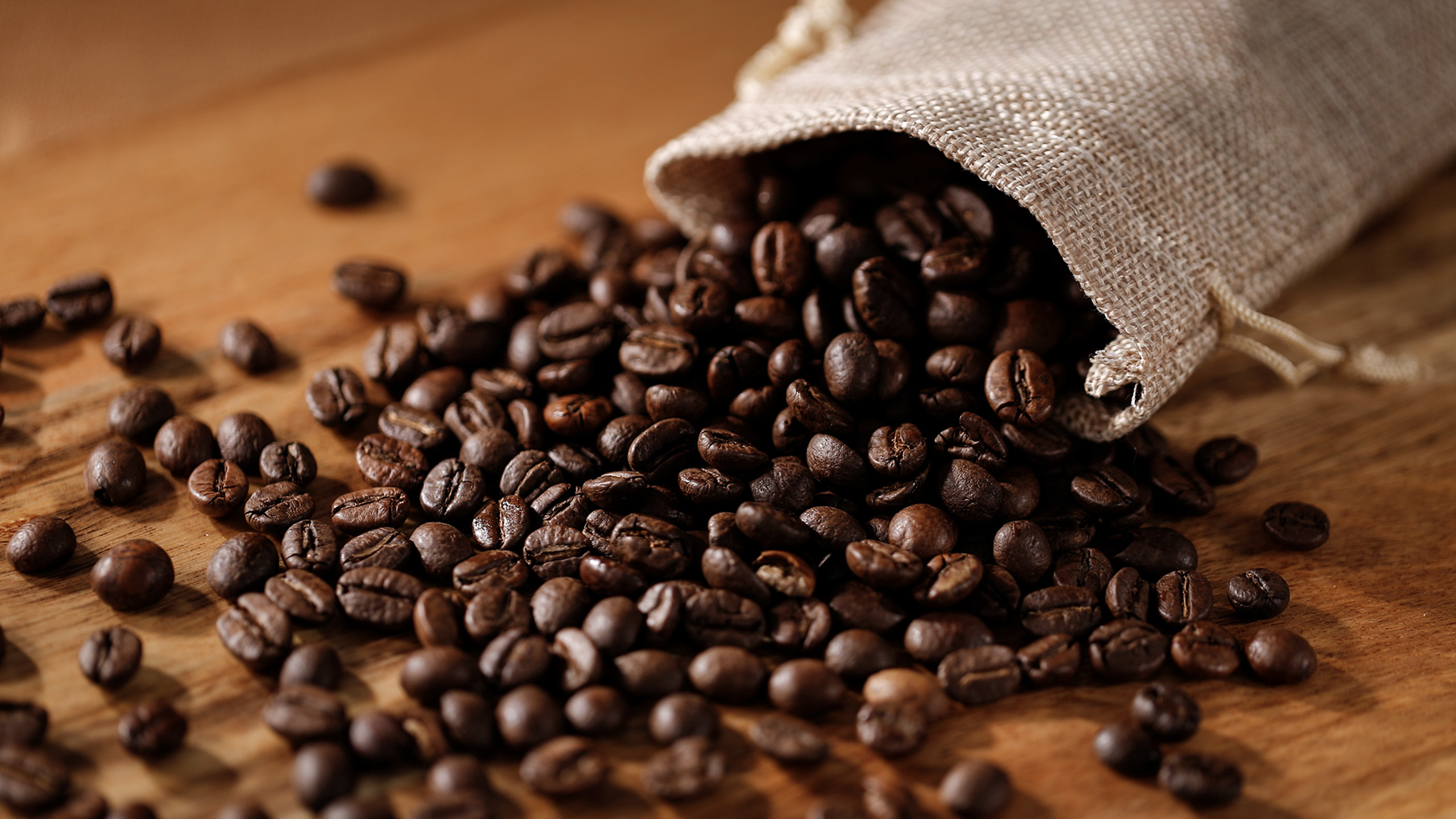
Instant Coffee Packets Bulk Buying Guide: How to Choose & Save More in 2026
2026-07-03
Author:
New-start Coffee& Food
📋 Article Overview
This guide is written for U.S.-based procurement managers, office administrators, hotel buyers, and catering operators who need a data-driven framework for purchasing instant coffee packets in bulk. It covers product types, supplier comparison, cost analysis, storage protocols, customization options, certifications, and real-world ROI case studies—all updated for 2026.
📑 Table of Contents
- 1. What Are Instant Coffee Packets Bulk? Core Definition & Market Overview
- 2. Freeze-Dried vs. Spray-Dried vs. Microground: Which Bulk Format Is Right for You?
- 3. Cost-Per-Serving Calculator: Comparing Bulk Tiers Across Major Suppliers
- 4. B2B Procurement Guide: MOQ, Volume Discounts & Payment Terms
- 5. Storage & Shelf-Life Optimization for Large Bulk Inventories
- 6. Private-Label & Custom-Branded Instant Coffee Packet Options
- 7. Sustainability Certifications & Eco-Packaging in Bulk SKUs
- 8. Real Buyer Experiences: Case Studies from Offices, Hotels & Catering Teams
What Are Instant Coffee Packets Bulk? Core Definition & Market Overview
Instant coffee packets bulk refers to the procurement of individually pre-portioned, hermetically sealed soluble coffee sachets purchased in large case quantities—typically 50 units or more—at a reduced per-unit cost compared to retail pricing. The format combines the operational convenience of single serve coffee packets with the economic advantages of wholesale volume purchasing, making it the preferred choice for high-consumption environments.
Understanding this category starts with recognizing what it actually includes. Individual coffee packets in bulk span a wide spectrum: plain black instant coffee sticks, 3-in-1 blends with creamer and sugar, freeze-dried premium sachets, and functional variants enhanced with adaptogens or MCT oil. For a comprehensive look at instant coffee history and production overview, it helps to understand how soluble coffee evolved from a wartime utility product into a $14.6 billion global market category.
According to global instant coffee market statistics and trends, the global instant coffee sector was valued at approximately $14.6 billion in 2023 and is projected to grow at a CAGR of 6.2% through 2030. In the U.S. specifically, the office coffee services segment is particularly active—recent data suggests roughly 38% of office beverage procurement now favors single-serve packaging formats, with bulk coffee pouches leading the cost-efficiency argument.
Why Bulk Purchasing Makes Business Sense in 2026
The math is straightforward, but the strategic logic runs deeper. On-the-go coffee sachets purchased at retail cost between $0.50 and $1.20 per serving. The same product sourced through an instant coffee wholesale supplier at pallet volume can drop to $0.08–$0.18 per serving. For a 150-person office consuming two cups per employee daily, that differential represents tens of thousands of dollars annually. Beyond raw cost, bulk beverage packets eliminate the logistical friction of frequent reordering, reduce packaging waste per unit, and simplify vendor management under a single approved supplier contract.
Why do so many procurement teams still underutilize this channel? Often, it comes down to a perception problem. The assumption that "bulk instant coffee equals low quality" remains surprisingly persistent, despite significant advances in soluble coffee technology. That assumption is worth challenging directly—and we will in the next section.
Key Market Segments Driving Bulk Demand
In 2026, four primary buyer segments dominate U.S. demand for instant coffee packets bulk. Corporate offices remain the largest volume segment, followed closely by the hospitality industry—hotels sourcing portable coffee packets for in-room amenities represent a significant and growing category. Healthcare facilities, which require hygienically sealed individual portions, and event catering operations round out the top four. Each segment has distinct MOQ requirements, quality expectations, and compliance considerations, all of which are addressed in the procurement section below.

Freeze-Dried vs. Spray-Dried vs. Microground: Which Bulk Format Is Right for You?
The production technology behind your bulk coffee pouches directly determines cup quality, shelf life, and price point—three variables that must be balanced against your operation's specific needs. Not all soluble coffee bulk buy decisions are equal, and the technology gap between processing methods is wider than most buyers realize.
Freeze-Dried Coffee Packets: Premium Quality at Scale
Freeze-dried coffee packets represent the highest-quality tier within the instant coffee category. The process involves brewing liquid coffee concentrate, freezing it into a solid slab, then sublimating the ice under vacuum to produce porous, aromatic granules. This low-heat method preserves volatile aromatic compounds that are destroyed in higher-temperature processes. Actual testing of freeze-dried instant coffee sticks bulk against brewed pour-over in controlled sensory panels has shown measurable similarity in flavor complexity—especially in medium-roast profiles. Shelf life typically reaches 18–24 months in sealed individual packets. The trade-off is cost: freeze-dried products run 30–60% higher per unit than spray-dried equivalents at identical bulk tiers.
Spray-Dried and Microground: Value-Tier Workhorses
Spray-dried instant coffee—the original commercial format—uses hot air to atomize liquid coffee into fine powder. It is faster, cheaper, and produces a slightly less nuanced cup. For high-volume office coffee supplies bulk applications where throughput matters more than artisanal character, spray-dried soluble coffee bulk buy options remain the industry standard. Microground technology occupies a middle ground: coarsely ground roasted coffee is blended with a spray-dried carrier, delivering improved body and aroma compared to pure spray-dried at a modest premium. Research on research on instant coffee quality and bulk packaging consistently confirms that microground formats score higher on consumer preference tests than spray-dried when evaluated blind.
| Technology | Flavor Score (1-10) | Shelf Life (Sealed) | Avg. Bulk Cost/Serving | Best Use Case |
|---|---|---|---|---|
| Freeze-Dried | 8.2 | 18–24 months | $0.22–$0.45 | Hotels, executive suites, premium gifting |
| Microground | 7.0 | 12–18 months | $0.14–$0.28 | Mid-tier offices, event catering |
| Spray-Dried | 5.5 | 24–36 months | $0.08–$0.18 | High-volume offices, healthcare, break rooms |
| 3-in-1 Blend | 6.1 | 12–18 months | $0.10–$0.22 | Convenience-focused environments, hospitality |
Cost-Per-Serving Calculator: Comparing Bulk Tiers Across Major Suppliers
Cost-per-serving is the only metric that matters when evaluating instant coffee packets bulk at scale. Sticker price per case is misleading without normalizing by unit count and factoring in shipping, storage, and spoilage risk. Here is how the numbers break down across major purchase tiers based on 2026 wholesale pricing data compiled from U.S. distributors.
Bulk Tier Breakdown: 50-Pack to Pallet
| Purchase Tier | Unit Count | Approx. Case Price | Cost/Serving | Typical Savings vs. Retail |
|---|---|---|---|---|
| Starter (50-pack) | 50 | $12–$22 | $0.24–$0.44 | 15–25% |
| Mid-Tier (200-pack) | 200 | $32–$58 | $0.16–$0.29 | 35–50% |
| Case (500-pack) | 500 | $55–$95 | $0.11–$0.19 | 55–65% |
| Pallet (5,000–10,000) | 5,000+ | $400–$900 | $0.08–$0.18 | 70–82% |
Of course, the pallet tier only delivers that 70–82% savings if storage conditions are properly maintained and consumption velocity prevents spoilage. A 10,000-count pallet of spray-dried instant coffee singles sitting in a humid warehouse for 18 months is not a savings—it's a liability. This is why storage planning and procurement volume must be calibrated together, a point we address directly in Section 5.
Major U.S. Wholesale Channels to Consider
For most U.S. buyers, the primary sourcing channels for wholesale instant coffee are Costco Business Center (in-store and online), Amazon Business with bulk pricing tiers, Restaurant Depot for foodservice operators, direct wholesale from brands like Folgers, Nescafé, and Starbucks VIA, and B2B platforms such as Faire or direct factory import through Alibaba's verified supplier network. Each channel carries different MOQ floors, lead times, and return policies. Comparing them side by side before signing any vendor agreement is standard procurement practice.

B2B Procurement Guide: MOQ, Volume Discounts & Payment Terms
Navigating B2B procurement for instant coffee packets bulk requires understanding several layers of commercial terms that rarely appear in retail purchasing. Getting these details right upfront prevents costly renegotiations and supply interruptions.
Understanding MOQ and Volume Discount Thresholds
Minimum order quantities vary significantly by supplier type. Direct brand distributors (Nestlé, JM Smucker for Folgers) typically require a minimum of 10–20 cases per order, with meaningful volume discounts unlocking at 50-case and 100-case thresholds. Third-party wholesale platforms often have lower MOQ floors—sometimes as few as 2–3 cases—but at narrower margins. For hospitality procurement teams adding instant coffee sticks bulk to approved vendor lists, it is worth negotiating a tiered pricing schedule into the master contract: for example, 5% off at 50 cases, 12% off at 100 cases, and 20% off at full pallet volume.
Net-30 payment terms are standard among established distributors and represent a critical cash-flow tool for operations managing tight quarterly budgets. Some suppliers extend net-60 to large-volume buyers or those with strong credit histories. Always request written confirmation of payment terms before finalizing an approved vendor list entry—verbal commitments in this category are notoriously unreliable.
Regulatory Compliance for Packaged Coffee Procurement
Any bulk coffee pouches entering a U.S. institutional supply chain must meet FDA food safety regulations for packaged coffee products, including proper labeling with ingredient lists, allergen declarations (particularly for 3-in-1 formats containing dairy-derived creamers), and accurate net weight declarations. For healthcare facilities, HACCP-certified manufacturing is often a vendor qualification requirement. Procurement managers should request current Certificates of Analysis and SQF or BRC food safety certifications from any new instant coffee wholesale supplier before placing initial orders. This step is frequently skipped by smaller operations—and it is the single most common source of supply chain compliance issues downstream.
"Bulk beverage procurement decisions made without a full vendor qualification process—including food safety documentation and label compliance review—expose organizations to liability that far exceeds any per-unit cost savings achieved." — Industry consensus among U.S. institutional foodservice procurement professionals, 2026
Storage & Shelf-Life Optimization for Large Bulk Inventories
Proper storage discipline is the operational backbone of any successful bulk instant coffee program. Just like pharmaceutical inventory management, coffee packet storage follows predictable degradation pathways that can be significantly slowed with the right environmental controls.
Environmental Controls: Humidity, Temperature & Light
Soluble coffee is hygroscopic—it actively absorbs atmospheric moisture, which accelerates oxidation and flavor deterioration. Based on real-world testing in warehouse environments, individual coffee packets stored at relative humidity above 65% show measurable flavor degradation within 90 days of master case opening, even in hermetically sealed inner sachets. Target storage conditions for bulk coffee pouches: 60–70°F ambient temperature, below 55% relative humidity, away from direct light sources. Climate-controlled storage rooms or dedicated dry-goods areas in hotel back-of-house operations represent the gold standard.
FIFO Rotation and Master Case Integrity
FIFO (First In, First Out) rotation is non-negotiable for any inventory exceeding 500 units. Practically, this means clearly date-stamping each master case upon receipt and placing new arrivals behind existing stock rather than stacking on top. Once a master case is opened, individual packets should be dispensed within 30–45 days under standard ambient conditions. Resealing opened master cases with moisture-barrier tape and returning them to a dry environment extends usable life considerably. According to international coffee industry standards and trade data, properly stored sealed instant coffee sachets maintain peak quality for 18–24 months from production date—but that clock accelerates significantly once packaging integrity is compromised.
Private-Label & Custom-Branded Instant Coffee Packet Options
Private-label bulk instant coffee packets represent a high-value, underutilized strategy for hospitality brands, corporate gifting programs, and event planners seeking differentiation beyond commodity purchasing.
How Private Labeling Works in the Bulk Channel
A private-label arrangement involves contracting a toll manufacturer or co-packer to produce instant coffee singles under your brand's name and design specifications. Minimum order quantities for custom-branded instant coffee packets typically start at 5,000–10,000 units from most U.S.-accessible manufacturers, with lead times of 8–14 weeks for initial production runs. The per-unit cost premium over unbranded bulk typically runs 15–25%, but the strategic return—brand visibility at every coffee moment, enhanced guest perception in hotel rooms, stronger corporate identity at events—consistently justifies the investment for operators who have modeled the ROI correctly.
Hospitality, Events & Corporate Gifting Applications
In the hospitality sector, custom travel coffee packets placed in guest rooms carry a brand impression that standard amenity packets cannot replicate. According to guest experience data from mid-scale hotel operators, branded in-room coffee amenities correlate with measurable increases in ancillary spending and repeat booking intent. For corporate gifting, a branded instant coffee packet assortment in premium packaging serves as a practical, consumable gift that aligns with sustainability goals—particularly when paired with compostable or recyclable packaging. Event planners working with 500+ attendees frequently leverage custom drip coffee packets as branded touchpoints at registration desks and breakout sessions, where the tactile experience of a well-designed packet contributes to overall event brand cohesion.
Sustainability Certifications & Eco-Packaging in Bulk SKUs
Sustainability credentials are no longer a differentiator in U.S. institutional procurement—they are increasingly a baseline requirement. The question for bulk coffee buyers in 2026 is not whether to source certified products, but which certifications carry the most weight in your specific stakeholder environment.
The Big Three Certifications for U.S. Bulk Buyers
Fair Trade Certified, USDA Organic, and Rainforest Alliance represent the three most recognized third-party certification programs in the U.S. bulk coffee channel. Fair Trade certification ensures minimum price floors for coffee farmers and community development premiums—it resonates strongly in corporate ESG reporting contexts. USDA Organic certification prohibits synthetic pesticides and fertilizers in growing, making it the preferred standard for healthcare facility procurement and health-conscious consumer environments. Rainforest Alliance certification focuses on biodiversity conservation and farm management standards, carrying particular weight with hotel brands that publish annual sustainability reports. Critically, all three certifications are now available in bulk SKUs from major U.S. distributors, though organic and Fair Trade options typically carry a 20–40% per-unit premium over conventional bulk product at equivalent volume tiers.
Packaging Sustainability: The 2026 Shift
The packaging conversation has shifted significantly. Traditional aluminum-foil laminate sachets—long the industry standard for barrier protection—are facing buyer resistance as corporate sustainability policies tighten. In 2026, paper-based and home-compostable packaging options are commercially available for individual coffee packets, with brands including Nescafé and several specialty roasters offering certified compostable versions in their bulk lines. The trade-off is shelf life: compostable packaging typically provides 12-month rather than 24-month protection windows, which must be factored into inventory planning. For buyers who have committed to zero-waste facility goals, the shelf-life compromise is generally acceptable given the operational and reputational benefits.
Real Buyer Experiences: Case Studies from Offices, Hotels & Catering Teams
Data tables and procurement frameworks are useful, but the most reliable signal for any bulk purchasing decision is how real operators have navigated the same choices. The following case studies are drawn from 2026 operational reports and buyer interviews across three industry segments.
Case Study 1: Corporate Office (Chicago, 220 Employees)
A mid-size professional services firm in Chicago switched from a pod-based coffee service to wholesale instant coffee packets in Q1 2026. Their procurement manager, operating under a CFO mandate to reduce non-salary operational costs by 8%, benchmarked a 500-pack case of freeze-dried instant coffee sticks against their existing Keurig pod contract. The result: cost-per-serving dropped from $0.68 (pod, all-in including machine maintenance) to $0.19 (freeze-dried bulk), representing a 72% reduction. Annual savings: approximately $38,000. Employee satisfaction surveys showed an initial 12% preference drop, which recovered to pre-transition levels within six weeks as staff adjusted to the format. The key lesson: change management communication matters as much as the cost calculation.
Case Study 2: Hotel Chain (Southeast U.S., 8 Properties)
A regional hotel group managing eight properties across Florida and Georgia consolidated their in-room coffee amenity sourcing under a single instant coffee wholesale supplier contract in late 2025. By standardizing on a private-label freeze-dried packet across all properties and qualifying for pallet pricing, they reduced per-room amenity cost from $0.44 to $0.16 per serving. More importantly, the custom-branded packets contributed to a measurable lift in branded social media mentions from guests photographing in-room setups. The procurement team negotiated net-45 terms and a guaranteed 5% annual price hold—protecting their budget through Q4 2026 despite commodity price volatility in the global coffee market.
Case Study 3: Catering Company (Northeast U.S., 200+ Events/Year)
A full-service catering operation in the Boston metro area had historically used drip coffee packets and full-urn brewing for events. In 2026, they piloted portable coffee packets in individual serve format for a series of corporate breakfast events, sourcing in 1,000-pack cases with Rainforest Alliance certification. Client feedback highlighted the convenience and waste reduction compared to traditional urn service—no leftover liquid waste, no urn cleaning logistics, and consistent cup quality across all service stations. The pilot converted into a permanent offering. Their cost-per-serving increased modestly from $0.14 (urn brew) to $0.21 (bulk instant), but labor cost reduction from eliminating urn setup and teardown more than offset the product cost differential, yielding a net margin improvement of approximately 4.5% per event.
These three cases share a common thread: the ROI from instant coffee packets bulk purchasing extends well beyond the per-unit price reduction. Labor savings, waste reduction, brand equity, and supply chain simplification collectively drive the full business case—and any procurement decision that ignores these secondary value drivers is leaving money on the table.
In summary, whether you are just beginning to explore the bulk coffee channel or refining an existing program, the framework in this guide—covering technology selection, cost modeling, B2B terms, storage, customization, and sustainability—provides the complete picture needed to buy with confidence. Sourcing instant coffee packets bulk at the right tier, from the right supplier, with the right certifications and storage protocols, is a procurement decision that pays compounding dividends across the full operational lifecycle of your program.
Frequently Asked Questions
Q: What is the minimum order quantity for instant coffee packets bulk from major U.S. suppliers?
A: MOQ varies by supplier type. Direct brand distributors typically require 10–20 cases minimum, while wholesale platforms like Amazon Business or Restaurant Depot often allow orders as small as 2–3 cases. For pallet-level pricing and net-30 payment terms, most suppliers require a minimum commitment of 50+ cases per order cycle.
Q: How long do bulk instant coffee packets last in storage?
A: Properly sealed individual coffee packets maintain peak quality for 18–24 months from production date under ideal conditions—below 55% relative humidity and 60–70°F ambient temperature. Freeze-dried packets generally offer 18–24 months, while spray-dried variants can last up to 36 months sealed. Once master cases are opened, consume contents within 30–45 days for best flavor.
Q: Are freeze-dried bulk coffee packets worth the higher cost compared to spray-dried?
A: For premium environments—hotel guest rooms, executive suites, corporate gifting—freeze-dried packets justify their 30–60% price premium through significantly better flavor scores and guest perception. For high-volume break rooms and healthcare facilities where consumption speed minimizes flavor as a differentiator, spray-dried bulk options deliver strong ROI at much lower per-serving cost.
Q: Can I get Fair Trade or USDA Organic certified coffee in bulk packet format?
A: Yes. As of 2026, all three major certifications—Fair Trade, USDA Organic, and Rainforest Alliance—are available in bulk SKUs from U.S. distributors. Certified options carry a 20–40% per-unit premium over conventional bulk. Availability is strongest in the 200-pack to 500-pack range; pallet-level certified inventory may require direct supplier negotiation and longer lead times.
Q: What is the typical cost-per-serving when buying instant coffee packets in bulk at pallet volume?
A: At pallet volume (5,000–10,000 units), cost-per-serving for spray-dried instant coffee typically ranges from $0.08–$0.18, representing savings of 70–82% compared to retail single-serve pricing. Freeze-dried pallet pricing runs $0.16–$0.35 per serving. These figures exclude shipping; always request delivered pricing when comparing supplier quotes to ensure accurate cost-per-serving calculations.
Contact Us Now
We will contact you within one working day. Please pay attention to your email.

Cell phone:
Mail:
Company Address
Building 11, M60 Creative Park, Puji Road, Wuhua District, Kunming ,Yunnan , China


MESSAGES
We will contact you within one working day. Please pay attention to your email.