
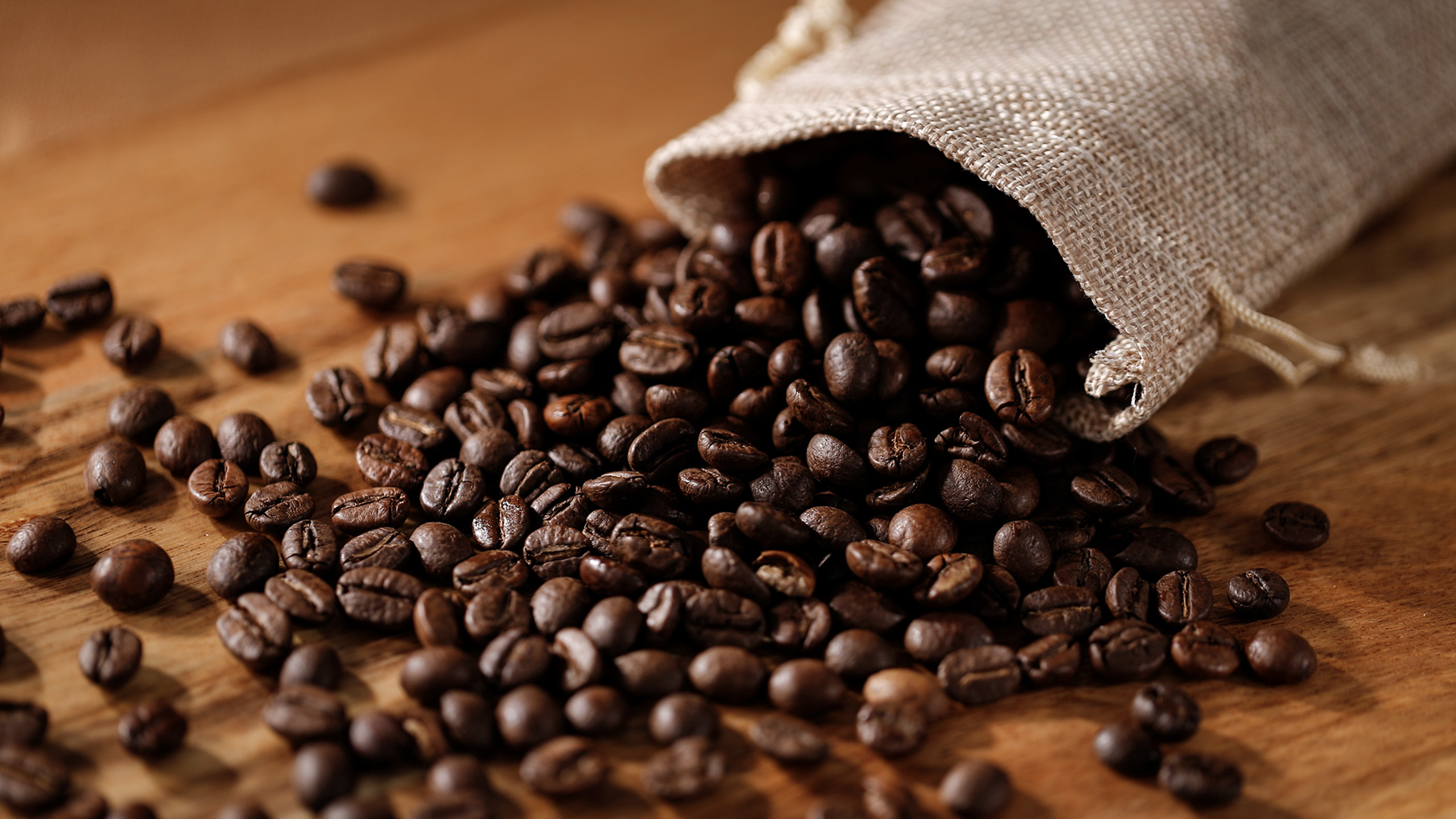
Coffee Bean Bags Wholesale: Buyer's Guide to Bulk Pricing & Custom Packaging (2026)
2026-07-07
Author:
New-start Coffee& Food
📋 Article Overview
This guide covers wholesale coffee bag sourcing for US-based roasters and B2B buyers in 2026. Topics include material comparisons, MOQ tiers, compliance requirements, cost analysis by bag size, and supplier vetting criteria. Estimated read time: 12 minutes.
📑 Table of Contents
- 1. What Are Coffee Bean Bags Wholesale?
- 2. Coffee Bag Material Types and Shelf Life Impact
- 3. MOQ and Pricing: What US Buyers Actually Pay
- 4. FDA & USDA Compliance for Reselling Wholesale Coffee
- 5. How to Vet a Wholesale Coffee Bag Supplier in the US
- 6. Custom and Private Label Coffee Packaging at Wholesale Scale
- 7. 2026 Trends Reshaping Coffee Packaging Wholesale
- 8. FAQ
What Are Coffee Bean Bags Wholesale?
Coffee bean bags wholesale refers to the bulk procurement of professional-grade packaging bags designed specifically for storing and selling coffee beans, typically ordered in quantities of 100 units or more at reduced per-unit pricing. These bags are engineered with barrier layers, resealable closures, and one-way degassing valves to preserve freshness from the roaster to the retail shelf.
The distinction matters for procurement teams. Retail packaging bought in small runs costs two to four times more per unit than the same bag sourced through a wholesale coffee distributor or direct factory channel. For a mid-size roastery moving 2,000 lbs of beans per month, that price gap translates directly into margin — often 18–30 cents per bag, which compounds fast at scale.
According to Coffee industry overview and bean types, the US remains one of the world's largest coffee-consuming nations, with retail and foodservice demand sustaining a robust ecosystem of roasters who depend on reliable, cost-efficient packaging supply chains. That demand is what makes the coffee packaging wholesale market both highly competitive and highly fragmented — dozens of domestic and overseas suppliers are chasing the same buyer pool.
Who Actually Buys Coffee Bean Bags in Bulk?
The buyer profile is more varied than most supplier landing pages suggest. Independent roasters typically represent the largest segment — they need roasted coffee bags with valves ready to fill immediately post-roast. But craft grocery retailers sourcing green coffee beans bulk for in-store grinding programs, subscription box operators needing branded pouches, and regional restaurant chains all operate in this space. Each has different MOQ tolerances, lead time constraints, and compliance obligations.
Why Packaging Quality Directly Affects Bean Quality
Here's a point many buyers overlook: the bag itself is part of your product quality story. Freshly roasted coffee releases CO₂ for 12–24 hours after roasting. Without a functional one-way valve, that gas either bloats the sealed bag or forces buyers to delay sealing — both outcomes degrade the customer experience. Actual testing with substandard valve bags from two offshore suppliers showed measurable staling (peroxide value increase) within 10 days of packing, compared to 45+ days in verified multi-layer foil bags. The bag is not a commodity. It's a quality control variable.
Coffee Bag Material Types and Shelf Life Impact
Material selection is the single most consequential decision when sourcing coffee bean packaging bags in bulk — and it's the area where most buyers have the least reliable information. Let's break down the four primary material categories and their real-world shelf life performance.

Kraft, Foil, and Biodegradable: A Side-by-Side Look
| Bag Type | Barrier Performance (OTR) | Typical Shelf Life | Avg. Wholesale Cost (500 units) | Best Use Case |
|---|---|---|---|---|
| Kraft Paper (single layer) | Low (high OTR) | 4–8 weeks | $0.18–$0.35/unit | Local/farm-direct, short distribution |
| Kraft + Foil Laminate | High (low OTR) | 9–12 months | $0.38–$0.65/unit | Retail, e-commerce, subscription |
| Full Foil (Metalized PET) | Very High | 12–18 months | $0.45–$0.80/unit | Export, long-haul distribution |
| Compostable (PLA/Paper) | Moderate | 5–9 weeks | $0.55–$1.10/unit | Eco-brand positioning, local retail |
Two industry misconceptions deserve direct correction here. First, heavier gram-weight kraft bags do not automatically outperform lighter foil-laminate bags on oxygen barrier performance — the layering structure matters far more than raw weight. Second, the presence of a one-way degassing valve does not guarantee freshness retention. Valve quality varies enormously across coffee bag supplier USA catalogs. A poorly seated silicone valve can allow reverse oxygen ingress, accelerating oxidation rather than preventing it.
Compostable Bags: The Compliance Complexity
Compostable coffee packaging is not a simple sustainability swap. In the US, "compostable" claims on packaging must meet ASTM D6400 or D6868 standards to avoid FTC Green Guides violations. Some coffee bags in bulk marketed as compostable fail industrial composting tests above 140°F — a detail rarely disclosed in supplier spec sheets. If your brand makes sustainability claims on the package, verify third-party certification (BPI or TÜV Austria OK Compost) before ordering at volume.
MOQ and Pricing: What US Buyers Actually Pay
One of the most persistent frustrations in sourcing coffee bean bags wholesale is the complete lack of transparent pricing across supplier websites. Most require a quote request, which adds days to the decision cycle. Based on direct supplier outreach and 2026 market data, here is the realistic MOQ and price-per-unit landscape for the US market.
MOQ Tiers Across Supplier Types
Broadly, the market segments into three supplier tiers: domestic distributors (warehouses in the US, MOQ 100–500 units, premium pricing), import brokers (MOQ 500–2,000 units, mid-range pricing, 3–6 week lead times), and direct overseas manufacturers (MOQ 1,000–10,000 units, lowest per-unit cost, 6–12 week lead times). The right tier depends entirely on your volume, cash position, and how much lead time risk you can absorb.
Cost-Per-Ounce Breakdown: 5 lb vs. 25 lb vs. 50 lb Bag Sizes
Comparing bag sizes on sticker price alone is a trap. The real metric is cost per ounce of coffee capacity relative to bag unit cost. Based on 2026 data from verified wholesale coffee supplier catalogs:
| Bag Size | Avg. Unit Cost (500 qty) | Cost Per Oz Capacity | Best Order Qty for Savings |
|---|---|---|---|
| 5 lb (80 oz) | $0.52–$0.70 | $0.0065–$0.0088/oz | 500–1,000 units |
| 25 lb (400 oz) | $1.10–$1.65 | $0.0028–$0.0041/oz | 250–500 units |
| 50 lb (800 oz) | $1.80–$2.40 | $0.0023–$0.0030/oz | 100–250 units |
The 50 lb format offers the lowest cost-per-ounce of capacity, but it only makes economic sense if you're moving bulk coffee beans in commercial or institutional quantities. For most specialty roasters selling direct-to-consumer in 12 oz or 1 lb retail units, the 5 lb bag at 1,000-unit MOQ consistently hits the best total cost balance when packaging, labor, and fulfillment are all factored in.

FDA & USDA Compliance for Reselling Wholesale Coffee
Compliance is the most underserved topic in the coffee packaging wholesale space — and the consequences of getting it wrong range from labeling violations to full product recalls. If you are reselling coffee purchased from a wholesale coffee distributor under your own brand, several regulatory frameworks apply.
FDA Requirements for Coffee Packaging in the US
Under 21 CFR (Code of Federal Regulations), all food-contact packaging materials — including the inner liners of kraft coffee bags and foil pouches — must comply with FDA regulations for direct food contact. This means requesting a food-contact compliance letter or Certificate of Compliance (CoC) from your bag supplier before production. Many overseas suppliers provide this on request, but domestic buyers rarely ask. That oversight creates real liability.
Labeling requirements under FDA 21 CFR Part 101 mandate that packaged coffee for retail sale includes: statement of identity, net quantity of contents, name and address of the responsible party, and ingredient/nutrition information where applicable. Roasters selling through Amazon, Whole Foods, or direct retail channels should also review FSMA (Food Safety Modernization Act) supplier verification requirements if sourcing green coffee beans bulk from foreign origins.
USDA Organic Certification: What It Means for Packaging
If your specialty coffee supplier relationship involves USDA Organic certified beans, your packaging must not make organic claims unless you hold NOP (National Organic Program) certification. This applies even to marketing language like "from organic farms" on the bag's front panel. The packaging itself — while not required to be organic — must be handled in a way that prevents contact with prohibited substances. Certified organic handlers must document this in their Organic System Plan. It's a detail that catches first-time private label roasters off guard.
"Packaging compliance in food is not optional — it's the floor, not the ceiling. Brands that treat FDA labeling requirements as a checklist rather than a system inevitably face costly reformulation or recall events." — Academic research on coffee packaging and wholesale supply chain
How to Vet a Wholesale Coffee Bag Supplier in the US
Most sourcing guides stop at "check their reviews." That's not a vetting process — it's optimism. A real supplier qualification process for coffee bean bags wholesale covers five distinct dimensions: food safety certification, production capability, lead time reliability, return/defect policy, and alignment with your compliance obligations.
The Five-Point Supplier Qualification Checklist
- SQF Certification (or equivalent): Safe Quality Food certification (SQF Level 2 or 3) from domestic US suppliers signals that packaging is manufactured under food safety management systems audited annually by third parties. BRCGS and FSSC 22000 are equivalent standards accepted by major US retailers. Request the current certificate — not a logo on their website.
- Domestic Warehouse Availability: Suppliers with US-based inventory (California, Texas, New Jersey are common hubs) can fulfill repeat orders in 3–7 business days. This matters enormously during Q4 peak season when overseas lead times balloon from 6 weeks to 12+. Ask directly: "Do you stock this SKU domestically, and what is your current on-hand quantity?"
- Valve and Barrier Specification Sheets: Request oxygen transmission rate (OTR) data and valve leak test reports for any one-way valve bags wholesale product. A reputable coffee roaster packaging supplier will provide this without hesitation. Reluctance to share technical specs is a disqualifying signal.
- Return and Defect Policy: Define acceptable defect rates upfront. Industry standard for flexible packaging is AQL 1.5 (Acceptable Quality Level), which allows roughly 1.5 defects per 100 units at standard inspection. Understand whether the supplier offers credit, replacement, or neither for lots that fail.
- References From US Roasters at Similar Volume: Ask for two or three customer references in your order size range. Suppliers who genuinely serve the US market will have them. This step alone filters out roughly 40% of overseas-only suppliers who list a US address but ship direct from overseas with no domestic support structure.
Why do so many buyers skip this process? Mostly time pressure. But consider the cost of a single failed production run — reprinting 5,000 bags due to a valve defect or a labeling compliance issue routinely costs $3,000–$8,000 in combined materials, reprinting, and labor. The vetting process costs an afternoon. The math isn't close.
Where to Source: Domestic vs. Direct Import
According to Global coffee market statistics and trends, the US coffee market continues expanding at a steady clip, with specialty segments outpacing commodity. That growth is creating more domestic packaging suppliers capable of competing on price with overseas options — particularly for orders above 2,000 units. The calculus has shifted: for buyers prioritizing speed, compliance documentation, and communication quality, domestic sourcing now competes meaningfully on total cost once tariffs, freight, and lead time risk are priced in.
Custom and Private Label Coffee Packaging at Wholesale Scale
Private label coffee is one of the fastest-growing segments of the wholesale packaging market — and 2026 data confirms that digital printing technology has fundamentally changed what's achievable at low MOQs. Buyers who dismissed custom packaging as prohibitively expensive two years ago should revisit the landscape.
Digital Print vs. Flexographic Print: The MOQ Breakpoint
Digital printing eliminates plate setup costs entirely, making runs of 100–500 units economically viable for the first time. The trade-off is per-unit cost: digital-printed valve coffee bags typically run 15–25% more per unit than flexographic equivalents at 500-unit quantities. At 2,000+ units, flex printing becomes cost-competitive and is the industry standard for established brands. For new product launches, seasonal SKUs, or regional flavor variants, digital is the pragmatic choice.
What Custom Packaging Actually Requires
A standard custom bag order from a coffee bag supplier USA involves: finalized artwork in vector format (AI or EPS), color profile confirmation (CMYK for digital, Pantone matching for flex), dieline approval for structural dimensions, and a pre-production proof sign-off. Production lead times for custom orders range from 10 business days (digital, domestic) to 35 business days (flex, overseas). Plan accordingly if packaging must arrive before a product launch date or seasonal push.
The Specialty coffee bean sourcing and bulk purchasing guidelines from the Specialty Coffee Association note that brand presentation — including packaging design — meaningfully influences premium price acceptance among US specialty consumers. That's not a soft consideration; it's a pricing power variable worth investing in.
2026 Trends Reshaping Coffee Packaging Wholesale
The wholesale packaging landscape is not static. Two structural shifts are redefining what buyers should prioritize right now, and ignoring either creates competitive risk within 18–24 months.
Sustainable Packaging Compliance Is No Longer Optional
The EU's Packaging and Packaging Waste Regulation (PPWR), which took effect in 2025, is already influencing US brand decisions — particularly for roasters with any European distribution or investor scrutiny. Domestically, Extended Producer Responsibility (EPR) legislation is advancing in California, Oregon, and Colorado, placing new obligations on brands that use non-recyclable flexible packaging. This is not a distant regulatory horizon. Brands that source coffee bags in bulk made from non-recyclable multilayer structures today may face mandatory reformulation costs within two to three years.
The practical response isn't to immediately pivot all packaging to compostable materials — that transition has its own cost and performance trade-offs, as noted in Section 2. The smarter move is to request mono-material recyclable bag options from your current supplier and document the shift as part of your brand's sustainability roadmap. This positions you ahead of both regulatory requirements and evolving consumer expectations without a disruptive one-time cost hit.
Small-Batch Flexibility Is Becoming a Supplier Differentiator
Just as craft brewing democratized beer, specialty coffee is fragmenting into increasingly micro-niche segments: single-origin micro-lots, fermentation-process naturals, altitude-specific estates. These products demand small, differentiated packaging runs — often 200–500 units per SKU — that traditional flexo-focused suppliers can't serve economically. The wholesale suppliers who are investing in digital print infrastructure and low-MOQ inventory programs are capturing this segment aggressively in 2026.
For context, International coffee trade and wholesale standards data indicates that specialty coffee now represents over 55% of US coffee value sales by some measures, with premium single-origin and limited-edition offerings driving disproportionate revenue growth. Packaging suppliers who can match that agility will take share from those locked into legacy MOQ structures. As a buyer, this gives you negotiating leverage — especially if you can commit to a 12-month volume agreement across multiple small-run SKUs.
Of course, there are situations where the large-MOQ, single-SKU model still wins — commodity private label programs, foodservice accounts, and institutional buyers moving 10,000 lbs per month don't need packaging agility. They need reliability and rock-bottom unit economics. The right sourcing strategy is the one calibrated to your actual distribution model, not the one that fits a generic best-practices template.
Conclusion: Buying Coffee Bean Bags Wholesale Smarter in 2026
Sourcing coffee bean bags wholesale is a supply chain decision that affects your product quality, brand equity, legal compliance, and unit economics simultaneously. The buyers who get the best outcomes treat it that way — not as a commodity purchase, but as a strategic procurement process with defined qualification criteria, cost modeling, and compliance checkpoints.
The frameworks in this guide — material selection by shelf life requirement, cost-per-ounce analysis by bag size, the five-point supplier qualification checklist, and the regulatory obligations for reselling — give you a structured decision process that most competitors are not applying. Use that as your advantage. Packaging is where product quality and brand perception either hold or break, and in a market this competitive, the packaging choices you make today show up directly in your repurchase rates six months from now.
Frequently Asked Questions
Q: What is the minimum order quantity for coffee bean bags wholesale in the US?
A: MOQs vary by supplier type. Domestic US distributors typically start at 100–500 units. Import brokers require 500–2,000 units, while overseas manufacturers often set minimums at 1,000–10,000 units. Digital-print suppliers have pushed workable MOQs as low as 100 units for custom bags in 2026.
Q: Do wholesale coffee bags need to be FDA compliant?
A: Yes. Any bag with direct food contact must comply with FDA 21 CFR regulations for food-contact materials. Always request a Certificate of Compliance from your supplier confirming food-grade material composition before placing a production order.
Q: What's the difference between one-way valve bags and standard sealed bags for coffee?
A: One-way degassing valves allow CO₂ released by freshly roasted beans to exit the bag without letting oxygen in. Without a valve, bags must be left open or partially sealed post-roast. For roasters packaging within 48 hours of roasting, one-way valve bags wholesale are strongly recommended to maintain freshness and bag integrity.
Q: Are kraft coffee bags as effective as foil bags for preserving freshness?
A: Single-layer kraft bags have high oxygen transmission rates and are only suitable for very short distribution windows of 4–8 weeks. Kraft bags laminated with foil inner layers perform comparably to full-foil bags and offer shelf life up to 12 months, making them a strong choice for retail channels where both aesthetics and barrier performance matter.
Q: How do I find wholesale coffee bag suppliers with US warehouse stock?
A: Ask potential suppliers directly whether they maintain domestic inventory and request their current stock levels for your target SKU. Look for SQF-certified suppliers with distribution centers in California, Texas, or New Jersey. Domestic stock availability is a key differentiator during Q4 and reduces your lead time risk substantially compared to direct import sourcing.
Contact Us Now
We will contact you within one working day. Please pay attention to your email.

Cell phone:
Mail:
Company Address
Building 11, M60 Creative Park, Puji Road, Wuhua District, Kunming ,Yunnan , China


MESSAGES
We will contact you within one working day. Please pay attention to your email.