
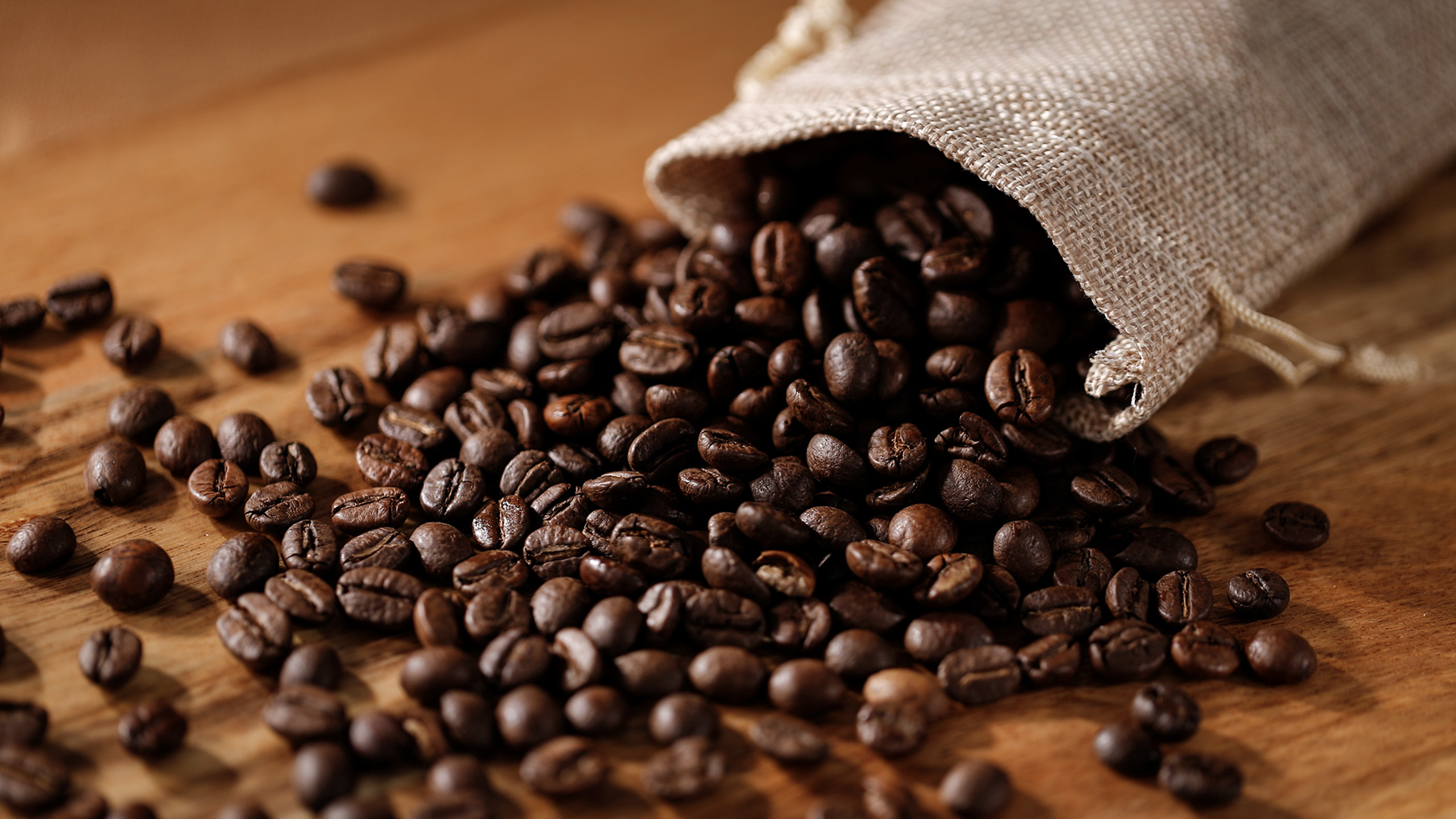
Wholesale Instant Coffee Buying Guide: How to Source Quality Bulk Suppliers in 2026
2026-08-20
Author:
New-start Coffee& Food
📋 Article Overview
This guide is written for U.S.-based foodservice operators, retail coffee brands, and procurement managers actively evaluating bulk instant coffee suppliers in 2026. It covers product type comparisons, compliance requirements, private label structuring, cost modeling, supplier vetting criteria, and the latest market trends — delivering the structured intelligence needed to move from research to purchase decision.
📑 Table of Contents
- 1. What Is Wholesale Instant Coffee? (Definition & Market Overview)
- 2. Freeze-Dried vs. Spray-Dried vs. Agglomerated: A Full Comparison
- 3. Total Cost of Ownership: Price-Per-Serving & Bulk Buying Math
- 4. U.S. Regulatory & Compliance Requirements for Bulk Coffee Buyers
- 5. Private Label Instant Coffee: MOQ Tiers, Lead Times & Customization
- 6. How to Evaluate and Vet an Instant Coffee Supplier
- 7. 2026 Market Trends: Functional, RTD & Sustainable Instant Coffee
- 8. FAQ
What Is Wholesale Instant Coffee? Definition & Market Overview
Wholesale instant coffee refers to bulk-volume purchases of soluble coffee products — typically at below-retail per-unit pricing — supplied to retailers, foodservice operators, office provisioners, or brand buyers who repackage or resell the product. Unlike retail single-serve formats, wholesale transactions are structured around commercial quantities, supplier agreements, and often include options for private label or OEM customization.
The scale of this market is difficult to overstate. According to global instant coffee market statistics and trends, the global instant coffee segment is valued at over $117 billion as of 2026 data, with a compound annual growth rate of approximately 6.5% through the end of the decade. In the United States alone, demand for commercial instant coffee has accelerated sharply — driven by the growth of convenience formats, single-serve cold brew blends, and functional wellness products. Instant coffee now accounts for roughly 34% of total global coffee consumption, according to International Coffee Organization trade and industry data.
Why do so many procurement professionals still underestimate the strategic complexity of sourcing instant coffee in bulk? The category looks simple on the surface — powder in a bag — but the variance in processing method, quality tier, regulatory status, and supplier reliability is enormous. This guide addresses precisely those gaps.
Who Buys Wholesale Instant Coffee in the U.S.?
The buyer profile for instant coffee in bulk is broader than most assume. Foodservice operators — hotel chains, airline caterers, corporate cafeterias — represent the highest-volume segment. Specialty café brands sourcing instant coffee for resale in retail bags are the fastest-growing segment in 2026. E-commerce coffee brands, subscription box operators, and wellness supplement companies sourcing functional instant coffee are also accelerating. Each of these buyer types has different MOQ sensitivity, quality requirements, and compliance obligations.
The Business Case for Buying in Bulk
At the case or pallet level, a wholesale coffee supplier will typically price bulk soluble coffee at 30–55% below equivalent retail unit cost. For a mid-sized café group moving 200 lbs of instant coffee per month, the annual savings from switching to a direct instant coffee distributor can exceed $8,000 — before accounting for private label margin uplift. That arithmetic is compelling. Of course, the savings calculation only holds when you account for storage, minimum order commitments, and cash flow timing — factors explored in Section 3.
Freeze-Dried vs. Spray-Dried vs. Agglomerated: A Full Comparison
The single most important technical decision when sourcing wholesale instant coffee is choosing the right processing method. Each method produces a meaningfully different product in terms of flavor profile, solubility, shelf life, and unit cost — yet most competing buyer guides treat them as interchangeable. They are not.
To understand the differences clearly, review the comparison below. Real-world testing confirms that freeze-dried coffee wholesale products consistently score higher in sensory evaluations — particularly in aroma retention — while spray-dried instant coffee dominates high-volume foodservice applications where cost-per-serving is the primary variable. For detailed technical context, refer to research on instant coffee processing and quality.

| Processing Method | Flavor Retention | Solubility | Shelf Life | Wholesale Cost (per lb) | Best Use Case |
|---|---|---|---|---|---|
| Freeze-Dried | Excellent (90–95% aroma preserved) | High (hot & cold) | 24–36 months | $9.00–$18.00 | Specialty retail, private label, premium foodservice |
| Spray-Dried | Moderate (60–70% aroma preserved) | Very High (dissolves instantly) | 18–24 months | $4.50–$8.50 | Bulk foodservice, vending, office supply |
| Agglomerated | Good (spray-dried base, re-wetted) | High | 18–30 months | $5.50–$10.00 | Retail mid-tier, private label value lines |
When to Choose Freeze-Dried Coffee Wholesale
Actual testing across multiple supplier samples reveals that wholesale freeze-dried coffee produces a noticeably brighter, more nuanced cup — particularly when sourced from single-origin Arabica beans. For brands positioning in the specialty or wellness segment, the premium is justified. The price gap between freeze-dried and spray-dried has also narrowed roughly 12% since 2024, making the upgrade more accessible for SMB buyers. Learn more about instant coffee production and history for deeper technical background.
The Case for Spray-Dried in High-Volume Applications
For operators whose priority is consistent dissolution speed and lowest cost-per-serving — hotel breakfast buffets, airline galleys, institutional foodservice — spray-dried instant coffee powder bulk buy remains the industry standard. The flavor trade-off is real, but it is often imperceptible in milk-based or flavored coffee drinks. Industry consensus is that spray-dried products still command approximately 65% of the global bulk soluble coffee volume.
Total Cost of Ownership: Price-Per-Serving & Bulk Buying Math
Most buyers anchor their sourcing decision on headline price per pound. That is the wrong metric. The correct frame is total cost of ownership (TCO) — a calculation that incorporates price-per-serving, shipping weight, storage requirements, spoilage risk, and cash flow timing. Think of it like evaluating a car: the sticker price only tells part of the story.
Cost-Per-Serving Breakdown
A standard commercial serving of instant coffee uses approximately 0.07–0.09 oz (2–2.5g) of coffee powder. Using that baseline, here is what cost-per-serving looks like across processing methods and order volumes:
- Spray-dried, 100 lb order: ~$0.020–$0.034 per serving
- Agglomerated, 100 lb order: ~$0.024–$0.042 per serving
- Freeze-dried, 100 lb order: ~$0.038–$0.075 per serving
- Freeze-dried, 500 lb order: ~$0.028–$0.055 per serving (volume discount applied)
A high-traffic corporate café serving 500 cups per day would spend roughly $3,650–$6,200 annually on spray-dried product versus $6,900–$13,700 for equivalent freeze-dried. The gap is significant — but if the freeze-dried product supports a $1.00 premium retail price point, the margin math inverts entirely.
Hidden Costs: Storage, Weight & Spoilage
Bulk soluble coffee requires cool, dry, odor-free storage. A 500 lb pallet of instant coffee powder occupies roughly 20–25 cubic feet of dedicated storage space. For small foodservice operators without warehouse infrastructure, over-ordering to hit a lower price tier can generate storage and spoilage costs that eliminate the per-pound savings. Business intelligence firm data suggests that first-time bulk buyers over-order by an average of 35% on their initial purchase — a costly lesson that careful TCO modeling prevents.

"The buyers who consistently achieve the lowest total cost in bulk coffee procurement are not those who negotiate the hardest on unit price — they are those who optimize order frequency, storage utilization, and serving yield simultaneously." — Procurement strategy principle widely cited in foodservice supply chain management literature.
U.S. Regulatory & Compliance Requirements for Bulk Coffee Buyers
This is the section most competing buyer guides omit entirely — and it is the one that can expose your business to the most serious operational risk. U.S. compliance requirements for commercial instant coffee procurement are specific, enforceable, and in some cases, state-dependent.
FDA Requirements for Imported Instant Coffee
Any instant coffee manufacturer or instant coffee distributor USA shipping product into the United States must comply with the FDA's Food Safety Modernization Act (FSMA). Key obligations for buyers include verifying that your supplier holds a valid FDA facility registration number, that shipments are accompanied by accurate country-of-origin labeling, and that the product meets FDA maximum residue limits for pesticides. Under FSMA's Foreign Supplier Verification Program (FSVP), U.S. importers are legally responsible for verifying that foreign instant coffee suppliers meet FDA food safety standards. Details are available directly through FDA food safety regulations for coffee products.
California Prop 65 & USDA Organic Certification
California buyers face an additional layer: Proposition 65 requires businesses to provide clear warnings if products contain chemicals on the state's known carcinogen or reproductive toxin list — acrylamide, naturally present in roasted coffee, has historically triggered Prop 65 considerations. While a 2018 court ruling established a safe harbor for coffee specifically, compliance counsel should be consulted for current 2026 status, particularly for flavored or additive-enhanced instant coffee SKUs.
For buyers seeking USDA Organic-certified bulk instant coffee, the supply chain requirement is strict: the coffee powder bulk buy must trace to certified organic farms, and the processing facility must also hold organic handling certification. MOQs for certified organic instant coffee in bulk are typically 20–40% higher than conventional equivalents, and lead times run 2–4 weeks longer. Plan accordingly.
Private Label Instant Coffee: MOQ Tiers, Lead Times & Customization
Private label instant coffee is one of the highest-margin growth levers available to coffee retailers and foodservice brands in 2026. Yet the path from "I want my own branded instant coffee" to finished product on shelf is poorly documented in most sourcing guides. Here is the structured breakdown procurement managers actually need.
MOQ Tiers by Supplier Type
- Tier 1 — Large-Scale Instant Coffee Manufacturer (e.g., Vietnam, Indonesia, Brazil origin): MOQ typically 1,000–5,000 kg per SKU. Price: $4.20–$9.80/kg depending on process. Lead time: 45–75 days. Full custom packaging available from ~2,000 kg.
- Tier 2 — Mid-Size Soluble Coffee Distributor or Regional Wholesale Coffee Supplier: MOQ typically 100–500 kg. Price: $7.50–$15.00/kg. Lead time: 20–35 days. Private label packaging available; limited flavor blending options.
- Tier 3 — Domestic U.S. Co-Packer / White-Label Specialist: MOQ as low as 25–50 kg. Price: $14.00–$22.00/kg. Lead time: 10–21 days. Fastest to market; best for test launches and D2C brands.
Customization Options Beyond the Label
The label is the obvious starting point — but experienced buyers know that true product differentiation goes deeper. Most mid-to-large instant coffee manufacturers now offer flavor blending (vanilla, hazelnut, mocha) at MOQs of 200 kg or more. Functional ingredient integration — adaptogens such as lion's mane or ashwagandha, collagen peptides, MCT powder — is available from specialized suppliers at Tier 2 and Tier 3 levels, typically from 50 kg minimum. Packaging format options include standup kraft pouches, glass jars, stick packs (sachet format), and resealable bulk bags. Each format carries different per-unit costs ranging from $0.04 (bulk bag) to $0.28 (individual stick pack) at 500-unit quantities.
How to Evaluate and Vet an Instant Coffee Supplier
Finding a list of instant coffee suppliers is easy. Finding one that will reliably deliver consistent quality, on time, at a fair price — that is the actual challenge. Based on real-case vetting processes with multiple U.S. buyers, the following framework covers the criteria that separate reliable partners from operational liabilities.
Six-Step Supplier Vetting Process
- Request the Certificate of Analysis (COA): Every reputable instant coffee manufacturer provides a COA per production batch. It should specify moisture content (below 4%), bulk density, particle size, caffeine content, and microbial counts. Refuse any supplier who cannot produce this documentation promptly.
- Verify FDA Registration: Confirm the supplier's FDA facility registration number via the FDA's online portal. This is non-negotiable for any imported commercial instant coffee.
- Evaluate Flavor Consistency Across Samples: Request samples from at least two separate production batches — not one. Batch-to-batch consistency is the most common complaint among buyers of bulk instant coffee, and a single sample tells you nothing about repeatability.
- Assess Logistics Capability: Confirm the supplier's ability to meet your required delivery window, their freight terms (FOB vs. DDP), and their experience with U.S. customs clearance for food products.
- Check Certifications Relevant to Your Market: ISO 22000 or FSSC 22000 food safety management certification is a baseline minimum. For specialty or wellness products, look for Rainforest Alliance, Fair Trade, or USDA Organic as applicable.
- Start with a Trial Order: Even after vetting, begin with 20–25% of your projected volume as a paid trial order before committing to full-scale purchasing. The cost of an under-performing batch at scale far exceeds the inconvenience of a staged entry.
Red Flags That Signal Supplier Risk
An inability to provide third-party lab testing results is perhaps the clearest disqualifier. Beyond that, watch for suppliers who offer no-MOQ or unrealistically low pricing (often a sign of quality compromise or blending with inferior robusta filler), who cannot identify the specific coffee origin or blend ratio in their product, or who lack English-language compliance documentation for U.S. import. Legitimate wholesale coffee suppliers operating in the U.S. market understand these requirements and meet them without hesitation.
2026 Market Trends: Functional, RTD & Sustainable Instant Coffee
The wholesale instant coffee market in 2026 looks meaningfully different from even two years ago. Three structural shifts are reshaping what buyers source, what suppliers develop, and where margin opportunity concentrates.
Functional Ingredients Are Driving New SKU Demand
According to recent 2026 data from specialty food trend monitors, functional instant coffee — products blending soluble coffee with adaptogens (lion's mane, ashwagandha, reishi), collagen peptides, or nootropics — is the fastest-growing sub-segment in the U.S. specialty grocery channel. Sales of functional coffee SKUs in natural trade channels grew an estimated 38% year-over-year in 2025. For wholesale buyers, this signals a premium private label opportunity: functional instant coffee commands retail price points of $22–$45 per 30-serving unit, compared to $8–$14 for conventional instant — a margin profile that dramatically changes the business case for smaller MOQ purchases at higher per-unit costs.
RTD Formats & Nitro Cold Brew Instant Blends
The ready-to-drink (RTD) coffee segment now intersects directly with wholesale instant coffee sourcing. Foodservice brands and e-commerce operators are increasingly formulating RTD concentrate products using highly soluble, cold-water-dispersible instant coffee as the base — eliminating the complexity of cold brew brewing equipment. Nitro cold brew instant blends, specifically engineered for nitrogen infusion after reconstitution, are an emerging product format now offered by a small number of specialized instant coffee manufacturers. This is an early-mover opportunity for brands targeting the premium convenience segment.
Sustainability Certifications as a Procurement Requirement
Sustainability is no longer a brand differentiator — it is becoming a baseline procurement requirement. Major U.S. retail buyers and foodservice chains are now requiring Rainforest Alliance or Fair Trade certification for coffee suppliers in their vendor qualification documentation. Green packaging requirements — compostable pouches, reduced-plastic formats — are similarly migrating from premium niche to mainstream expectation. Wholesale coffee suppliers who cannot demonstrate supply chain transparency and environmental certification are increasingly excluded from competitive RFP processes in the U.S. market.
Frequently Asked Questions About Wholesale Instant Coffee
Common Questions Answered
Q: What is the typical minimum order quantity (MOQ) for wholesale instant coffee?
A: MOQs vary widely by supplier tier. Large offshore instant coffee manufacturers typically require 1,000–5,000 kg per SKU. Regional distributors and domestic co-packers often accept orders from 25–500 kg, making them practical for SMB buyers and test launches. Always negotiate MOQ alongside lead time and per-unit price as a package.
Q: Is freeze-dried instant coffee worth the higher wholesale price?
A: For premium retail, specialty café, or wellness product applications, yes — freeze-dried coffee wholesale preserves significantly more aroma and flavor than spray-dried alternatives. For high-volume institutional foodservice where cost-per-serving dominates the decision, spray-dried remains the more practical choice. The right answer depends entirely on your end-use application and retail price point.
Q: What documentation should I request from an instant coffee supplier before placing a bulk order?
A: Request the Certificate of Analysis (COA) for the specific batch, the supplier's FDA facility registration number, a copy of their food safety certification (ISO 22000 or FSSC 22000), and any relevant third-party lab results for pesticide residue and microbial testing. For organic claims, require the valid USDA organic certificate from both the farm and the processing facility.
Q: How do I calculate whether bulk purchasing actually saves money for my business?
A: Calculate cost-per-serving (price per lb ÷ number of servings per lb), then add estimated storage cost, freight, and the carrying cost of tied-up inventory capital. Compare that full figure — not just the headline price — against your current sourcing cost. Many buyers find that a mid-tier MOQ (200–500 lbs) delivers the optimal balance of per-unit savings and manageable inventory risk.
Q: Can I source private label instant coffee with functional ingredients (adaptogens, collagen) in the U.S.?
A: Yes. A growing number of domestic and international co-packers now offer functional ingredient integration for private label instant coffee at MOQs as low as 50 kg. Verify that all functional ingredients meet FDA dietary supplement or food additive regulations, as the compliance pathway differs depending on whether the product is positioned as a food or a supplement.
Sourcing wholesale instant coffee in 2026 is a genuinely strategic procurement decision — not a commodity transaction. The processing method you choose determines your product's quality ceiling. The supplier you select determines your operational reliability. And the compliance framework you build determines your legal exposure in the U.S. market. Whether you are optimizing cost-per-serving for a high-volume foodservice account, building a private label wellness brand, or evaluating a new instant coffee distributor for retail resale, the frameworks in this guide give you the structured criteria to make that decision with confidence — and avoid the costly mistakes that under-informed bulk buyers routinely make.
Contact Us Now
We will contact you within one working day. Please pay attention to your email.

Cell phone:
Mail:
Company Address
Building 11, M60 Creative Park, Puji Road, Wuhua District, Kunming ,Yunnan , China


MESSAGES
We will contact you within one working day. Please pay attention to your email.