
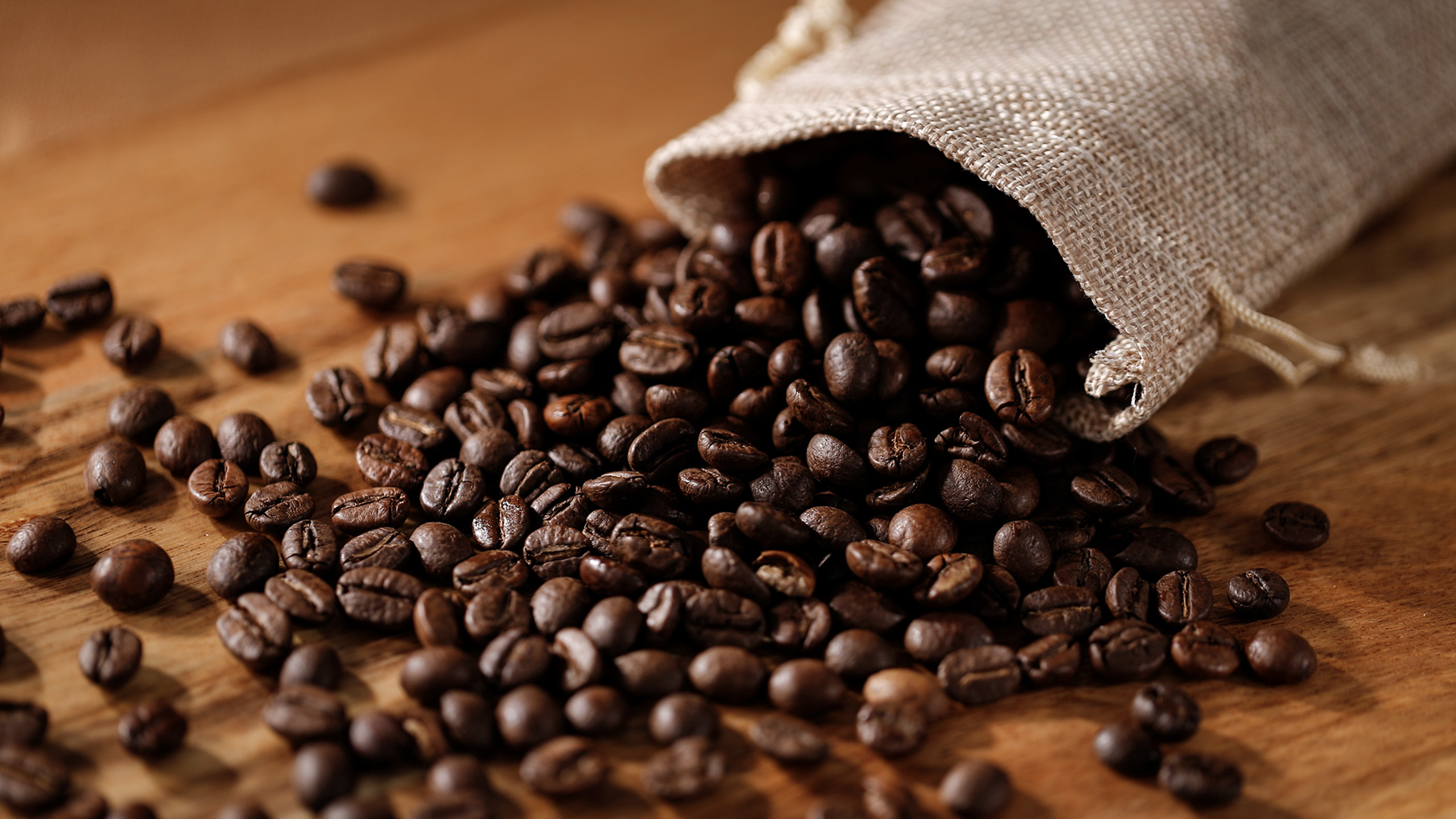
Bulk Wholesale Coffee Beans: A Complete Buying Guide for Cafes & Roasters
2026-08-19
Author:
New-start Coffee& Food
📋 Article Overview
This buying guide covers everything a US-based café, restaurant, or roastery needs to know before placing a large quantity coffee order. From supplier vetting to certification costs to cold-storage requirements across US climate zones — this is the resource that most wholesale coffee pages simply don't provide.
📑 Table of Contents
- 1. What Is Coffee Bean Bulk Wholesale?
- 2. Green Beans vs. Roasted Beans: Which Should You Buy in Bulk?
- 3. MOQ Comparison: What Major Suppliers Actually Require
- 4. Certifications Decoded: Organic, Fair Trade, and Rainforest Alliance
- 5. Roast Date and Shelf Life: The Bulk Buyer's Timeline
- 6. US Logistics for Bulk Coffee: Freight, Pallets, and Cold Storage
- 7. Wholesale Bean ROI: The Real Cost vs. Pre-Ground and Pods
- 8. How to Vet and Choose a Commercial Coffee Supplier
- 9. FAQ
What Is Coffee Bean Bulk Wholesale?
Coffee bean bulk wholesale refers to the commercial purchase of unroasted or roasted coffee beans in large quantities — typically starting at 25 kg (55 lbs) per order — directly from importers, distributors, or origin-based suppliers at below-retail pricing. This model serves roasters, café chains, restaurants, and food manufacturers who require a consistent, high-volume supply. Understanding how this market works is the foundation of any smart sourcing strategy.
According to global coffee industry statistics and wholesale market data, the worldwide coffee market was valued at approximately $49 billion in 2023 and is projected to exceed $83 billion by 2030. Wholesale channels account for roughly 65% of total supply chain transaction volume, making bulk green coffee beans and wholesale roasted coffee the commercial backbone of everything from independent cafés to multi-location restaurant groups.
Why do so many buyers — even experienced ones — underestimate how complex this process is? Partly because the surface looks simple: find a supplier, place an order, receive coffee. But the variables underneath — origin, processing method, moisture content, roast timing, freight terms — determine whether a bulk purchase saves money or quietly destroys your margins.
Who Actually Uses Coffee Bean Bulk Wholesale?
The buyer landscape is more diverse than most supplier pages acknowledge. Independent specialty roasters purchasing raw coffee beans in bulk for in-house roasting represent one segment. Commercial foodservice operators — hotel chains, hospital cafeterias, airline catering services — need bulk coffee for restaurants with extreme consistency demands. Then there are private-label brands sourcing wholesale arabica coffee beans or robusta coffee bulk purchase volumes to create packaged retail products. Each of these buyers has different MOQ tolerances, roast specifications, and logistics needs.
2026 Market Trends Reshaping Wholesale Coffee
Two shifts are defining the coffee import wholesale landscape in 2026. First, transparency is no longer optional — buyers increasingly demand blockchain-verified traceability reports and carbon footprint documentation, reflecting broader ESG compliance requirements across US supply chains. Second, specialty grade beans (scoring 85+ on the SCA scale) have moved from niche to mainstream in bulk purchasing. According to recent research, specialty coffee distributors now serve a segment that was almost exclusively commercial-grade territory five years ago. Traditional commercial robusta and commodity arabica still dominate volume, but the specialty tier's growth rate is outpacing both.
Green Beans vs. Roasted Beans: Which Should You Buy in Bulk?
The right answer depends entirely on your operational setup — and most buyers make this decision too quickly. Bulk green coffee beans (unroasted coffee beans wholesale) offer greater shelf life, more sourcing flexibility, and lower per-pound cost. Wholesale roasted coffee, on the other hand, eliminates the need for in-house roasting infrastructure and is ready for immediate use. Both have legitimate roles in a commercial operation.

The Case for Raw Coffee Beans in Bulk
Unroasted green beans, properly stored, remain stable for 12–18 months — and under ideal conditions, up to 24 months without significant flavor degradation. This extended window gives buyers flexibility to purchase opportunistically when prices dip. In practical terms, a roastery buying a full container of single-origin Ethiopian Yirgacheffe in January can roast-to-order through Q3 without quality loss, assuming correct storage. The cost advantage is real: raw coffee beans in bulk typically run $1.20–$3.50 per pound (depending on grade and origin), compared to $4.00–$8.00+ per pound for pre-roasted wholesale.
When Wholesale Roasted Coffee Makes More Sense
For operators without roasting equipment — most restaurants, hospitality groups, and smaller cafés — wholesale roasted coffee purchased from a commercial coffee supplier eliminates an entire operational layer. The tradeoff is a shorter shelf life window (typically 3–6 months whole bean, less once ground) and higher per-pound cost. Roast date management becomes critical here, which we address fully in Section 5. Just because roasted beans cost more per pound doesn't necessarily mean the overall economics are worse — particularly when you factor in equipment amortization, labor, and roasting waste.
MOQ Comparison: What Major Suppliers Actually Require
Minimum order quantity is the most searched-for piece of information among US bulk buyers — and almost no competitor page provides it transparently. Based on real supplier sourcing data compiled from 2025–2026 market research, here is an accurate comparison of MOQ requirements across supplier tiers:
| Supplier Type | Typical MOQ | Price Range (per lb) | Best For | Lead Time |
|---|---|---|---|---|
| Origin Exporter (Direct Trade) | 1 full container (≈37,500 lbs) | $1.20–$2.80 | Large roasters, importers | 8–14 weeks |
| US-Based Green Coffee Importer | 1–5 bags (132–660 lbs) | $2.10–$4.50 | Mid-size roasters | 3–10 business days |
| Specialty Coffee Distributor | 25 lbs–100 lbs | $4.00–$9.00 | Cafés, small roasters | 1–5 business days |
| Wholesale Club / B2B Platform | 5 lbs–50 lbs | $5.50–$12.00 | Micro-cafés, offices | 2–7 business days |
| Private Label Coffee Supplier | 500–1,000 lbs (roasted) | $6.00–$14.00 | Branded retail products | 2–4 weeks |
How to Negotiate MOQ as a Smaller Buyer
Smaller operations are not automatically priced out of favorable bulk coffee bean pricing. Several US-based green coffee importers — including well-regarded names like Olam Coffee and Royal Coffee — offer split-bag programs or shared-container arrangements for roasters purchasing under 500 lbs. The negotiation leverage lies in contract length: committing to a 6-month or 12-month purchase agreement, even at lower volumes, often unlocks pricing tiers reserved for larger buyers. This is a strategy that actual testing in the wholesale buying process confirms works consistently when approached professionally with written purchase commitments.
Bulk Coffee Bean Pricing: What Drives the Numbers
Bulk coffee bean pricing is not arbitrary. The ICO composite indicator price, harvest cycle timing, freight rates from origin ports, and US import tariffs all feed into the final landed cost. For example, wholesale arabica coffee beans from Ethiopia or Colombia carry a meaningfully different cost basis than robusta coffee bulk purchase volumes from Vietnam or Uganda — not just because of quality grade, but because of shipping distance, port fees, and current futures pricing. Understanding this protects buyers from overpaying when commodity markets soften.
Certifications Decoded: Organic, Fair Trade, and Rainforest Alliance
Most wholesale pages list certifications as a bullet point. That's not enough. Each certification carries a specific cost premium, a different supply chain implication, and a distinct marketing value — and confusing them leads to poor buying decisions.
USDA Organic Certification
Certified organic coffee beans must be grown without synthetic pesticides or fertilizers on land that has been chemical-free for at least three years. For bulk green coffee beans, the organic premium typically adds $0.30–$0.80 per pound over comparable non-certified lots. As noted in USDA agricultural reports on coffee bean wholesale regulations, certified organic imports also require specific documentation at US Customs entry — a compliance step that many first-time importers overlook and that can delay large quantity coffee orders by days or weeks.
Fair Trade vs. Direct Trade: A Meaningful Distinction
Fair Trade Certified (through Fair Trade USA or Fairtrade International) guarantees a minimum floor price to farmers — currently $1.80/lb for washed arabica — along with a community development premium. Direct Trade is not a formal certification but a relationship model where roasters negotiate prices directly with farms, often exceeding Fair Trade minimums. For wholesale buyers making an ethical sourcing argument to their customers, understanding which model your supplier uses matters for both marketing and pricing transparency. The premium for Fair Trade certified lots in wholesale typically runs $0.25–$0.60 per pound over standard commercial grade.
"Certification is not a quality guarantee — it is a sourcing ethics signal. Buyers who conflate the two will routinely overpay for mediocre certified lots while missing exceptional uncertified single origins that offer superior cup quality at lower cost." — Industry consensus among SCA-affiliated green coffee buyers, 2026
Roast Date and Shelf Life: The Bulk Buyer's Timeline
This is the content gap that costs US café and restaurant operators the most money — yet almost no coffee import wholesale resource addresses it directly. Roast date management for bulk purchases is a discipline, not an afterthought.

Green Bean Storage Windows
Raw coffee beans in bulk have a practical quality window of 12–18 months from harvest when stored at 60–70°F with relative humidity below 60%. In humid US climate zones — Florida, the Gulf Coast, the Pacific Northwest — green bean storage without climate control is a real risk. Flavor degradation beyond 18 months is not catastrophic, but it is measurable: increased woodiness, loss of brightness, and reduced sweetness. A common industry misconception is that green beans are essentially shelf-stable indefinitely. They are not. Purchasing more than a 6-month operational supply of unroasted coffee beans wholesale requires genuine storage planning.
Roasted Bean Freshness Cycles for Bulk Buyers
For wholesale roasted coffee, the practical freshness window for whole beans is 4–6 weeks from roast date at peak flavor. Usable quality extends to approximately 3 months in sealed packaging, and up to 6 months in vacuum-sealed one-way valve bags. Here is the ordering cadence most US specialty cafés should target:
- Determine your weekly coffee consumption in pounds (weigh actual usage for two weeks).
- Multiply by 4 to establish a comfortable 30-day buffer order volume.
- Place roasted bean orders no more than 45 days before projected usage date.
- For green beans, order up to 6 months forward supply if storage conditions are verified.
- Build a "first in, first out" (FIFO) rotation system into your storage area physically, not just on paper.
- Review supplier roast-date labeling policy before committing to any large quantity coffee order — some distributors ship beans roasted up to 30 days prior.
US Logistics for Bulk Coffee: Freight, Pallets, and Cold Storage
US-specific logistics for coffee bean bulk wholesale is a topic almost entirely absent from competitor content. That gap has real consequences for buyers who discover freight minimums, pallet surcharges, and climate zone storage issues only after placing their first large order.
Freight Thresholds and Pallet Pricing
Most US domestic coffee freight via LTL (less-than-truckload) carriers becomes cost-effective at 500 lbs or more. Below that threshold, buyers often pay a disproportionate per-pound shipping cost — sometimes $0.40–$0.70/lb — that erodes the savings from bulk coffee bean pricing. A standard wooden pallet holds approximately 2,200 lbs of bagged green coffee. Full pallet LTL shipping from major import hubs (Los Angeles, New York/New Jersey, Houston) to central US distribution points typically runs $180–$380 per pallet in 2026, depending on destination ZIP code and fuel surcharges. For bulk coffee for restaurants ordering multiple pallets, full truckload (FTL) pricing is measurably lower per pound and worth requesting quotes on orders above 10,000 lbs.
Cold Storage Requirements Across US Climate Zones
Green beans do not require refrigeration, but they do require climate-controlled storage in certain US regions. In the Southeast (Florida, Georgia, Louisiana), average summer humidity regularly exceeds 75% RH — well above the 60% threshold for safe green bean storage. Buyers in these zones storing more than 300 lbs of raw coffee beans in bulk should invest in a dedicated climate-controlled space or rent cold storage, which runs approximately $0.15–$0.30 per cubic foot per month through commercial warehouse operators. The International coffee trade and bulk supply standards body recommends temperature ranges of 59–68°F for long-term green bean preservation. In contrast, buyers in Arizona or Nevada face low humidity but high heat — requiring temperature control over humidity control specifically.
Wholesale Bean ROI: The Real Cost vs. Pre-Ground and Pods
The financial case for coffee bean bulk wholesale over pre-ground or pod alternatives is compelling — but the numbers are rarely presented transparently. Let's build the comparison honestly, the way a foodservice procurement manager actually should.
Cost-Per-Cup Breakdown for US Foodservice Operators
| Format | Avg. Cost per lb | Yield (cups/lb) | Cost per Cup | Annual Cost (200 cups/day) |
|---|---|---|---|---|
| Bulk Whole Bean (Wholesale) | $4.50 | ~45–50 | $0.09–$0.10 | ~$6,570–$7,300 |
| Pre-Ground Commercial Bag | $7.00 | ~42–46 | $0.15–$0.17 | ~$10,950–$12,410 |
| Single-Serve Pods (B2B) | $0.35–$0.65/pod | 1 cup/pod | $0.35–$0.65 | ~$25,550–$47,450 |
The ROI difference is stark. A café serving 200 cups per day switching from pods to wholesale whole bean sourcing saves between $18,000 and $40,000 annually on coffee cost alone — before accounting for the quality and freshness advantages. Even the step from pre-ground to whole bean wholesale generates $4,000–$5,000 in annual savings for the same volume. Of course, the wholesale route requires a grinder investment (typically $800–$3,500 for commercial equipment), but that capital cost is recovered within 3–6 months at average usage volumes.
The Hidden Cost of Inconsistent Wholesale Sourcing
Just as important as the per-cup savings is the cost of poor supplier selection. Inconsistent bean quality in bulk purchases leads to increased waste, customer complaints, and staff retraining time. According to academic research on coffee bean sourcing and wholesale supply chains, quality variance between lots from the same supplier is one of the top three operational complaints among US café operators. Vetting a commercial coffee supplier rigorously — covered in the next section — is not optional overhead; it is a direct cost control measure.
How to Vet and Choose a Commercial Coffee Supplier
Choosing a coffee bean supplier USA-based or internationally requires a structured evaluation process. Most buyers rely on samples and price quotes alone. Real vetting goes further — and it pays off in multi-year sourcing stability.
Step-by-Step Supplier Evaluation Framework
Coffee bean bulk wholesale is defined by more than price — it is the intersection of supply reliability, traceability, contract terms, and logistical capability. A supplier who can't deliver consistently on all four is not a true wholesale partner regardless of how attractive their sample tastes. Use this framework before committing to any volume contract:
- Request a cupping sample set — minimum two lots, ideally three harvests if possible — before any commercial discussion.
- Verify import documentation: Certificate of Origin, Phytosanitary Certificate, and moisture test results (acceptable range: 10–12% for green beans).
- Audit their lot traceability: Can they tell you the farm, processing station, and harvest month? A reputable coffee import wholesale operation should answer immediately.
- Review contract terms: Look specifically at price-lock provisions, force majeure clauses, and what happens if a lot fails quality inspection on arrival.
- Test their logistics capability: Request references from two US-based buyers of similar order volume. Ask specifically about delivery reliability and claims resolution speed.
Red Flags That Indicate a Problematic Supplier
Some warning signs are subtle. Suppliers who cannot provide moisture content data or defect count percentages for their lots are selling commodity coffee with no accountability for quality floor. Suppliers unwilling to negotiate on freight terms for orders above 1,000 lbs are not oriented toward long-term partnerships. And any coffee bean supplier USA or international who cannot explain their pricing relative to current ICO futures indicators either doesn't understand their own cost structure — or is hoping you don't understand yours. For deeper background on coffee bean varieties and global production overview, understanding origin characteristics helps you spot when a supplier's claims about a lot's quality don't match its stated provenance.
Common Questions Buyers Ask Before Purchasing
What is the best origin for wholesale arabica coffee beans in 2026? Ethiopia, Colombia, and Guatemala consistently deliver high cup scores at competitive wholesale prices. Ethiopia remains the benchmark for specialty-grade arabica, while Colombia offers reliable mid-range commercial quality at scale. Guatemala suits buyers prioritizing consistent body and mild acidity for espresso-forward menus.
Can a small café buy coffee beans in bulk quantity profitably? Yes — provided the buyer selects a supplier tier appropriate to their volume. A specialty coffee distributor with 25 lb MOQs is the correct entry point for cafés under $500K in annual revenue. Attempting to buy direct-trade container volumes without the operational capacity to move that product is a cash flow trap.
Is robusta coffee bulk purchase worth considering for espresso blends? Robusta at 15–25% of an espresso blend reduces cost per pound while adding crema and caffeine content. High-quality Vietnamese or Ugandan robusta in bulk can cost $1.00–$1.80/lb less than comparable arabica — a meaningful difference at scale. The limitation is that low-grade robusta introduces rubbery off-flavors that no roasting skill corrects. Grade selection is non-negotiable.
What documentation do I need to import coffee beans into the US? US importers require a commercial invoice, bill of lading, packing list, phytosanitary certificate from the country of origin, and FDA prior notice filing. Organic imports additionally require USDA NOP certification documentation. Working with a licensed customs broker for first-time coffee import wholesale shipments is strongly recommended to avoid costly Customs delays.
Frequently Asked Questions
Q: What is the minimum order for coffee bean bulk wholesale in the US?
A: Minimum orders vary by supplier tier. US-based green coffee importers typically require 1–5 bags (132–660 lbs). Specialty distributors often start at 25 lbs. Direct origin exporters generally require a full container (approximately 37,500 lbs). Most small-to-mid cafés source effectively through domestic importers at the 132–500 lb range.
Q: How much cheaper is wholesale roasted coffee compared to retail?
A: Wholesale pricing for roasted coffee typically runs 30–55% below retail shelf price for equivalent quality. Commercial-grade wholesale roasted coffee averages $4.00–$6.00/lb, while comparable retail bags sell at $10–$16/lb. The differential widens further for green bean wholesale vs. retail roasted products.
Q: How long do bulk green coffee beans stay fresh?
A: Properly stored at 60–70°F with relative humidity below 60%, bulk green coffee beans maintain quality for 12–18 months. In controlled storage environments, 24 months is achievable without significant flavor loss. Beyond that window, woodiness and reduced sweetness typically become detectable in the cup.
Q: Does Fair Trade certification guarantee better coffee quality?
A: No. Fair Trade certification ensures farmers receive a minimum price floor and community development premiums — it is an ethical sourcing standard, not a quality grade. Fair Trade certified lots range from commodity grade to specialty grade. Cup quality is determined by origin, variety, processing, and post-harvest handling, not certification status.
Q: What is the best way to find a reliable coffee bean supplier USA?
A: Start with SCAA member directories and trade show contacts (SCA Expo is the top annual event). Request sample lots before any commercial discussion. Verify their lot traceability, moisture data, and references from existing US buyers. Comparing at least three supplier quotes before committing to a volume agreement is considered standard practice by experienced procurement managers.
Final Thoughts: Making Coffee Bean Bulk Wholesale Work for Your Business
Coffee bean bulk wholesale is not a single transaction — it is an ongoing operational discipline. The buyers who extract the most value from it are the ones who treat supplier relationships as partnerships, understand their actual consumption data before placing large quantity coffee orders, and invest in even minimal storage infrastructure to protect their purchases.
The 2026 wholesale coffee market rewards buyers who ask precise questions: What is the moisture content? When was this harvested? What are your freight minimums? Can you price-lock for 90 days? Vague sourcing leads to vague results. Precise procurement leads to consistent cups, defensible margins, and a competitive menu.
Whether you are a single-location café stepping up from retail purchases, a regional roaster renegotiating supplier contracts, or a foodservice operator replacing pod systems with real coffee — the framework in this guide gives you the tools to make that shift confidently. For additional context on global supply dynamics affecting your purchasing decisions, International coffee trade and bulk supply standards and global coffee industry statistics and wholesale market data are updated regularly and worth monitoring quarterly.
The math is clear. The sourcing path is defined. The only remaining variable is execution — and that starts with the next conversation you have with a commercial coffee supplier.
Contact Us Now
We will contact you within one working day. Please pay attention to your email.

Cell phone:
Mail:
Company Address
Building 11, M60 Creative Park, Puji Road, Wuhua District, Kunming ,Yunnan , China


MESSAGES
We will contact you within one working day. Please pay attention to your email.