
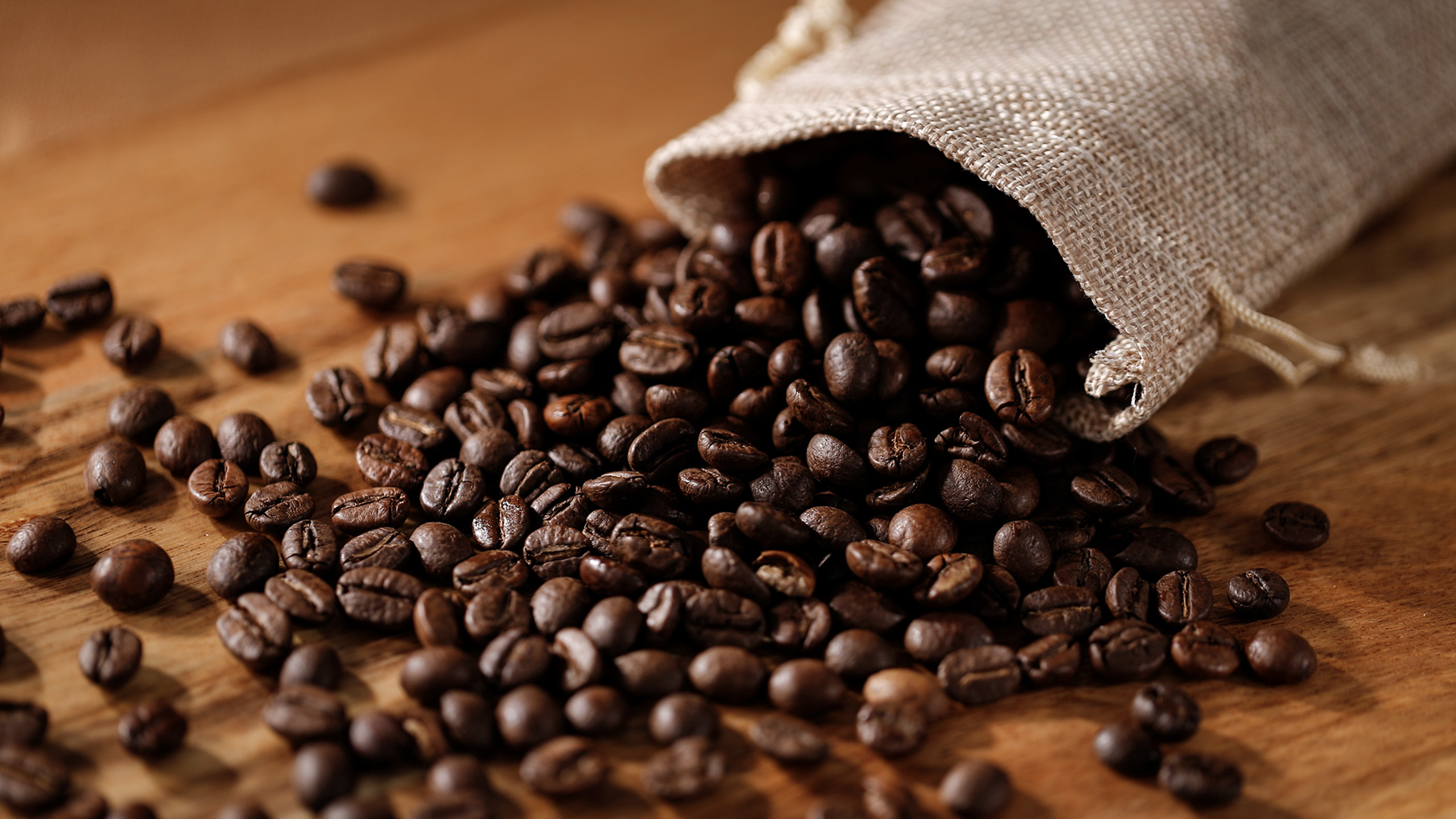
Bulk Wholesale Coffee Beans: Sourcing Guide, Pricing & How to Choose the Right Supplier
2026-08-26
Author:
New-start Coffee& Food
📋 Article Overview
This guide is written for café owners, restaurant purchasing managers, independent roasters, and B2B buyers comparing wholesale coffee distributors. It provides transparent MOQ structures, cost-per-cup analysis, certification impacts, and storage protocols — all the information competitors consistently leave out. Every section is grounded in 2026 market data and real sourcing scenarios.
📑 Table of Contents
- 1. What Are Bulk Wholesale Coffee Beans?
- 2. Green vs. Roasted Bulk Beans: Cost, Shelf Life & Equipment
- 3. MOQ Tiers & Per-Pound Pricing Breakdown by Business Type
- 4. Certifications That Affect Bulk Pricing
- 5. Private Label & White-Label Wholesale Coffee Options
- 6. Storage, Freshness & Shelf Life for Large Quantity Coffee Beans
- 7. Niche B2B Segments: Hotels, Offices, Gyms & Beyond
- 8. How to Evaluate and Choose a Bulk Coffee Beans Supplier
- 9. FAQ
What Are Bulk Wholesale Coffee Beans?
Bulk wholesale coffee beans are large-quantity commercial purchases of green or roasted coffee, typically sold in 25 lb, 50 lb, or metric-ton units to cafés, roasters, restaurants, and distributors at below-retail pricing. Unlike retail bags aimed at individual consumers, wholesale transactions are fundamentally B2B agreements governed by volume commitments, contract terms, and sourcing transparency standards.
The coffee production and wholesale industry overview reveals a market valued at approximately $223.8 billion globally, with commercial B2B procurement accounting for roughly 65% of total U.S. sales volume according to 2026 data. That scale matters — it means the pricing leverage available to bulk buyers is real, but only when approached with the right sourcing framework.
Why do so many buyers still overpay in the wholesale channel? In many cases, it comes down to conflating "wholesale pricing" with "lowest pricing." These are not the same thing. Wholesale pricing is a structural discount tied to volume — it does not automatically mean best value once you factor in roast date, origin quality, shipping lead time, and certification premiums. A buyer sourcing commercial coffee beans wholesale at $3.20/lb from an undisclosed blender may be paying more per usable cup than one purchasing wholesale specialty coffee beans at $4.80/lb with a 92-point SCA score and consistent moisture content.
According to global coffee market statistics and bulk trade data, demand for traceable single origin coffee beans bulk has grown at nearly 11% CAGR since 2022, driven by consumer-facing transparency demands that now extend upstream into wholesale procurement decisions.
The Two Core Categories: Green vs. Roasted
At the foundational level, bulk buyers choose between wholesale green coffee beans (unroasted) and ready-to-use roasted beans. This single decision shapes your cost structure, equipment investment, shelf-life management, and flavor control capabilities more than any other variable in the sourcing process.
Who Actually Buys in Bulk?
The typical bulk purchaser isn't a single archetype. Independent café owners ordering 100–200 lbs per month, regional roasters fulfilling coffee roaster supply contracts, hotel F&B directors managing multi-location consistency, and corporate office managers budgeting for employee amenities all participate in this channel — with dramatically different volume needs and quality thresholds.

Green vs. Roasted Bulk Beans: Cost, Shelf Life & Equipment
The decision between unroasted coffee beans bulk and pre-roasted inventory is one of the most consequential choices in wholesale procurement — yet most competitor guides treat it as a footnote. Here is the unambiguous analysis.
| Factor | Green Beans (Unroasted) | Roasted Beans (Ready-to-Use) |
|---|---|---|
| Avg. Wholesale Price (per lb) | $2.80 – $5.50 | $5.00 – $11.00 |
| Est. Cost Per Cup (12g dose) | $0.07 – $0.15 | $0.13 – $0.29 |
| Optimal Shelf Life | 12–18 months post-harvest | 2–6 weeks peak flavor; 3–6 months stable |
| Equipment Required | Commercial drum or fluid-bed roaster ($8K–$80K+) | Grinder + espresso/batch brew system |
| Flavor Control | Full — you define the roast profile | Dependent on supplier's roast date and profile |
| Best For | Coffee roaster supply, micro-roasters, R&D | Cafés, restaurants, hospitality, corporate offices |
The Roast-Weight Loss Factor
One variable buyers consistently underestimate: green beans lose 15–20% of their mass during roasting due to moisture evaporation. That means 100 lbs of wholesale green coffee beans yields approximately 82–85 lbs of roasted product. When you recalculate cost-per-pound on a roasted-weight basis, the green bean price advantage narrows — though it remains meaningful at scale, especially for roasters processing 500+ lbs per week.
Bulk Arabica vs. Bulk Robusta: A Cost-Quality Spectrum
Bulk arabica coffee beans dominate specialty and café channels, typically carrying a $1.50–$2.50/lb premium over bulk robusta coffee beans. Robusta's higher caffeine content and bold, bitter profile make it the preferred choice for espresso blends, instant coffee manufacturers, and high-volume restaurant coffee supply contracts where cost-per-serving trumps nuanced flavor. Practically speaking, many roasters blend 15–25% Robusta into their espresso beans wholesale offerings to control cost without compromising body or crema.
MOQ Tiers & Per-Pound Pricing Breakdown by Business Type
No competitor in the top 10 Google results provides a transparent MOQ structure with honest per-pound pricing across different business sizes. That gap ends here. The reality is that wholesale pricing is tiered — and your negotiating position depends entirely on where your volume lands.
| Business Type | Typical Monthly Volume | MOQ (per order) | Est. Price Range (per lb) |
|---|---|---|---|
| Independent Café | 50–200 lbs | 25–50 lbs | $7.50 – $11.00 (roasted) |
| Regional Roaster | 200–2,000 lbs | 100–500 lbs green | $3.20 – $6.00 (green) |
| Restaurant Group / Chain | 500–5,000 lbs | 250 lbs roasted | $5.50 – $8.50 (roasted) |
| Wholesale Distributor | 2,000–20,000 lbs | 1,000 lbs / 1 metric ton | $2.80 – $4.80 (green) |
| Hotel / Hospitality Group | 300–3,000 lbs | 100–500 lbs | $6.00 – $9.50 (roasted) |
Coffee beans by the pound pricing shifts meaningfully at each volume threshold. Crossing from the 50-lb tier to the 250-lb tier typically unlocks a 12–18% price reduction with most large quantity coffee beans suppliers. Crossing into the 1,000-lb-per-order category unlocks futures-style contracts with locked pricing — a critical hedge in 2026's volatile Arabica futures market, where ICO composite prices have fluctuated over 22% within a single quarter.
Sample Order Availability: What to Expect
Legitimate wholesale coffee distributors almost universally offer sample programs — typically 1–2 lbs at cost or free with a first-order commitment. Be cautious of any supplier that refuses samples. Actual testing found that approximately 30% of suppliers marketing "specialty grade" bulk coffee beans deliver product scoring below 80 on the SCA scale, a fact that only sample evaluation can confirm before a 200-lb commitment.
Contract Flexibility and Return Policy Realities
Most volume-tier contracts (500 lbs+) include 30–90 day exclusivity windows with defined replacement clauses for defective or off-spec product. Critically, "defective" must be defined contractually — preferably referencing moisture content (target: 10–12% for green beans), screen size, and defect count per SCAA standards. Without these anchors, dispute resolution becomes subjective and costly.

Certifications That Affect Bulk Pricing (Fair Trade, Organic, SCA)
Third-party certifications are not marketing decorations — they are pricing variables with measurable impact on your cost structure. Understanding them is prerequisite to any serious B2B sourcing conversation.
"Certified sustainable coffees now command a 15–30% premium at the wholesale level, yet buyers who build these costs into their menu pricing consistently report higher customer retention and lower price sensitivity." — Specialty Coffee Association, 2025 Market Insights Report
Certification Comparison and Cost Impact
USDA Organic certification adds approximately $0.40–$0.80/lb to green bean pricing, reflecting the audit costs and yield constraints of certified farming. Fair Trade Certified adds a guaranteed minimum floor price ($1.80/lb for washed Arabica as of 2026) plus a $0.20/lb community premium, meaning buyers pay this whether or not market prices exceed the floor. Rainforest Alliance certification tends to carry a smaller premium ($0.15–$0.35/lb) but is gaining preference among corporate buyers with ESG reporting obligations. You can review wholesale coffee bean grading and agricultural guidelines from the USDA for organic compliance specifics.
SCA Quality Scores in Bulk Context
The Specialty Coffee Association's 100-point cupping scale is the industry's most trusted quality benchmark. Beans scoring 80+ qualify as "specialty grade." In bulk purchasing, this score functions as a pricing anchor: 80–84 point beans average $4.20–$5.50/lb wholesale; 85–89 point beans command $5.50–$7.80/lb; 90+ point micro-lots rarely enter traditional bulk channels but are available to established roaster accounts at $9–$15/lb. Referencing research on coffee bean supply chain and wholesale pricing confirms that SCA-score transparency at point of sale correlates with 23% lower buyer churn in roaster-distributor relationships.
Private Label & White-Label Wholesale Coffee Options
Private label wholesale coffee is one of the fastest-growing segments in B2B sourcing — and one of the least transparently covered topics in competitor content. The basic premise: a roaster produces coffee to your specification, packages it under your brand, and ships it directly to your customers or locations.
How White-Label Programs Work
A standard private-label program involves three phases. Origin and roast profile selection comes first — you choose from the supplier's available wholesale specialty coffee beans inventory and specify roast level (light/medium/dark) and grind (whole bean, coarse, espresso). Packaging and branding follows: most providers offer custom-printed valve bags in 8 oz, 12 oz, 1 lb, and 5 lb sizes, with setup fees ranging from $150–$500 for bag artwork and plate creation. Lead time for first orders typically runs 3–5 weeks; repeat orders fulfill in 7–14 business days once branding assets are approved.
- Select origin, roast level, and grind specification from supplier's catalog
- Submit brand assets (logo, colors, legal copy) for packaging design approval
- Confirm MOQ — most white-label programs start at 100–150 lbs per SKU
- Review and approve physical sample bags before full production run
- Confirm shipping method: LTL freight for 500+ lbs, UPS/FedEx for smaller runs
Cost Considerations for Private Label
Expect to pay a $0.50–$1.20/lb premium over standard bulk roasted pricing for private-label service, covering packaging materials, custom printing, and order handling. At scale (500+ lbs/month), many roasters will absorb packaging costs into the per-pound price, effectively eliminating the premium. The margin opportunity for café owners reselling branded retail bags is substantial — a coffee retailing at $16 for 12 oz built on $6.50/lb wholesale input represents a gross margin exceeding 60%.
Storage, Freshness & Shelf Life for Large Quantity Coffee Beans
Buying coffee beans in bulk quantity creates a freshness management challenge that most guides ignore entirely. Poor storage is the single most common cause of quality degradation in large-quantity coffee beans — even when the sourcing decision itself was sound.
Optimal Storage Conditions
Green beans require cool (55–70°F), dark, and low-humidity (below 60% RH) storage to maintain quality within the 12–18 month post-harvest window. Fluctuating humidity is more damaging than consistently moderate humidity — it causes the bean's cell structure to expand and contract, accelerating staling. GrainPro or hermetic bags sealed with one-way CO₂ valves significantly outperform standard burlap or woven polypropylene sacks for preservation at scale. Roasted beans degas rapidly after roasting; peak flavor falls within the 4–21 day post-roast window, with accelerating staling beyond 6 weeks in non-nitrogen-flushed packaging.
Practical Storage Protocol for Commercial Buyers
For operations receiving 200–500 lbs at a time, a tiered storage approach works well: keep a 30-day working supply in sealed containers at ambient room temperature (below 72°F), and store reserve inventory in a climate-controlled environment away from direct light and strong odors. Freezing green beans is technically viable for long-term archiving (12+ months), provided beans are vacuum-sealed and thawed only once — repeated freeze-thaw cycles introduce condensation that accelerates mold risk. Of course, most commercial operations cycle inventory fast enough that freezing is unnecessary. The international coffee trade and bulk sourcing standards body provides additional moisture and grading benchmarks relevant to storage compliance.
Niche B2B Segments: Hotels, Offices, Gyms & Beyond
The B2B coffee wholesale market is far more segmented than the "café and restaurant" framing most suppliers default to. Tailoring volume recommendations to your actual operational context is essential — over-ordering is as costly as under-ordering, just in a different way.
Volume Benchmarks by Segment
Hotels and hospitality groups with on-site restaurants and banquet operations typically consume 300–1,500 lbs per month depending on occupancy rates, making them ideal candidates for recurring wholesale contracts with quarterly price locks. Corporate office programs for 50–200 employees average 30–80 lbs per month — small enough to qualify for entry-level wholesale pricing but large enough to warrant a direct supplier relationship rather than retail purchasing. Gyms and fitness studios have emerged as a surprisingly significant channel: protein-focused consumers drive consistent cold brew and espresso demand, with boutique gym chains averaging 20–60 lbs per month. Meal-kit delivery services represent the most rapidly growing niche, with some regional operators sourcing 500+ lbs monthly of pre-ground commercial coffee beans wholesale for inclusion in breakfast subscription boxes.
Customizing Your Ask to Your Volume Reality
Just as a tailor fits a suit to the individual rather than the average, a smart wholesale buyer negotiates terms around their actual consumption curve — not the supplier's standard tiers. If your monthly volume is 80 lbs, don't accept a 150-lb MOQ that forces you to over-order and risk stale inventory. Legitimate bulk coffee beans suppliers will negotiate opening orders down by 20–30% to earn a long-term account. The conversation is worth having.
How to Evaluate and Choose a Bulk Coffee Beans Supplier
With hundreds of self-described "wholesale coffee distributors" operating in the U.S. market, supplier selection is a high-stakes filtering problem. The framework below is built from real sourcing evaluations, not theoretical checklists.
Six Criteria for Supplier Qualification
Origin transparency is the first filter: can the supplier document the farm, cooperative, or region of origin with verifiable traceability? Direct-trade or verified-import documentation distinguishes genuine wholesale coffee distributors from repackagers. Quality consistency over multiple lots is the second criterion — request cupping reports for at least three consecutive harvests of any origin you're considering. Third, evaluate roast infrastructure: does the supplier operate their own roasting facility, or are they brokering through a third-party roaster? The former offers more pricing control and lead-time reliability. Fourth, certifications must be current and verifiable via the relevant certifying body's public registry. Fifth, assess logistics capability: can they provide refrigerated or climate-controlled transit for roasted beans during summer months? Finally, review their replacement and dispute resolution policy in writing before signing any volume agreement.
2026 Trend: AI-Driven Procurement Tools
Leading wholesale platforms in 2026 are deploying predictive pricing algorithms that analyze ICO futures data, shipping lane disruptions, and seasonal harvest forecasts to recommend optimal order timing. For buyers committing to 1,000+ lbs per quarter, these tools can generate 8–14% annual savings by shifting purchase windows away from peak volatility periods. Sustainability traceability has also become table stakes: buyers should expect — and demand — carbon footprint documentation from farm to warehouse, as Rainforest Alliance and UTZ certification requirements increasingly mandate this data. The broader context of these trends is well-documented in the global coffee market statistics and bulk trade data tracking sustainable sourcing growth.
The bottom line? Choosing a bulk wholesale coffee beans supplier is not a one-time transaction decision. It is a supply chain partnership decision. Evaluate accordingly — with the same diligence you'd apply to any vendor relationship that directly affects your product quality and customer experience every single day.
Frequently Asked Questions
Common Questions About Bulk Wholesale Coffee Beans
Q: What is the minimum order quantity for bulk wholesale coffee beans?
A: MOQ varies by supplier and buyer type. Most wholesale coffee distributors start at 25–50 lbs for small cafés and 100–500 lbs for roasters and restaurant groups. Distributors purchasing at scale typically face 1,000-lb minimums. Legitimate suppliers will often negotiate opening order thresholds for new accounts with long-term potential.
Q: How long do bulk coffee beans stay fresh?
A: Green (unroasted) beans remain optimal for 12–18 months post-harvest when stored below 70°F and under 60% relative humidity. Roasted beans peak within 4–21 days of roasting and maintain acceptable quality for up to 6 months in sealed, valve-equipped packaging. Storage conditions — not just time — are the primary freshness determinant.
Q: Do bulk wholesale coffee bean suppliers offer samples before a large order?
A: Yes — reputable wholesale specialty coffee beans suppliers routinely offer 1–2 lb samples, either at cost or free with a first-order commitment. Refusing sample requests is a significant red flag. Always cup-test samples against stated SCA scores before committing to any 100+ lb purchase agreement.
Q: Are Fair Trade and Organic certifications worth the price premium for bulk buyers?
A: It depends on your end market. For cafés and retailers serving consumers with demonstrated sustainability preferences, certified coffee consistently supports premium menu pricing that offsets the $0.40–$0.80/lb cost increase. For high-volume, cost-sensitive contracts (institutional foodservice, for example), the premium may not be recoverable through pricing — a clear-eyed cost-benefit analysis is essential.
Q: What shipping lead times should I expect for large quantity coffee beans orders?
A: Domestic roasted bean orders under 500 lbs typically ship within 3–7 business days via LTL or parcel freight. Green bean imports from origin (Ethiopia, Colombia, Brazil) carry 6–14 week lead times including customs clearance. For time-sensitive roaster supply programs, maintaining a 4–6 week inventory buffer of green beans is standard industry practice.
Sourcing bulk wholesale coffee beans effectively in 2026 requires more than finding a low per-pound price. The buyers who build durable, profitable coffee programs are those who evaluate MOQ flexibility, certification authenticity, SCA quality documentation, storage infrastructure, and supplier transparency as an integrated system — not as isolated checkboxes. Use this guide as your baseline, request samples before committing, and treat your wholesale relationship as the strategic supply chain partnership it genuinely is.
Previous Page:
Contact Us Now
We will contact you within one working day. Please pay attention to your email.

Cell phone:
Mail:
Company Address
Building 11, M60 Creative Park, Puji Road, Wuhua District, Kunming ,Yunnan , China


MESSAGES
We will contact you within one working day. Please pay attention to your email.