
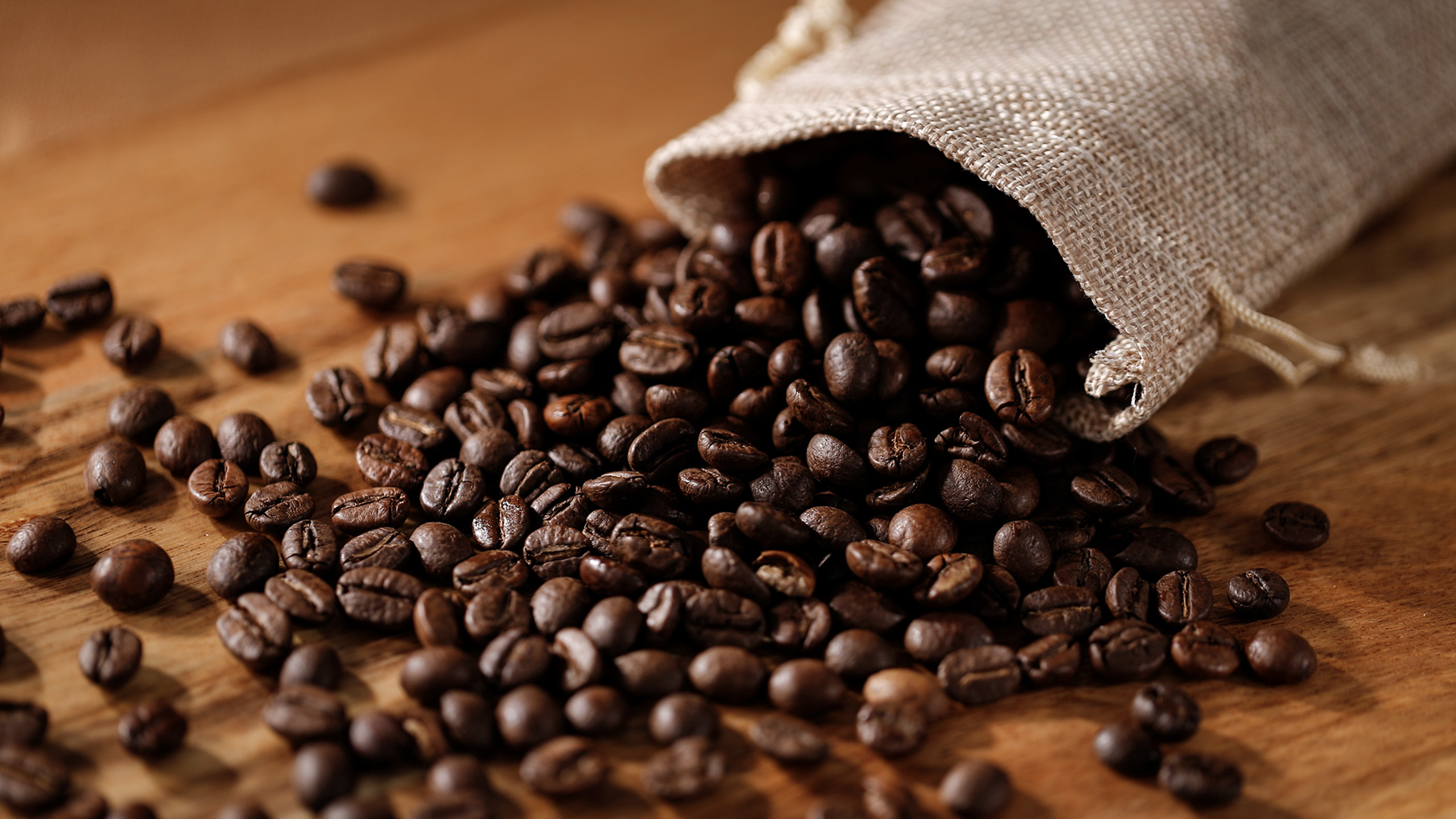
Dark roast decaf coffee beans: how to choose the right one for you
2026-10-01
Author:
New-start Coffee& Food
Article overview
This guide helps health-conscious US coffee drinkers choose the best dark roast decaf coffee beans in 2026 by comparing decaffeination methods, origin flavor profiles, freshness guidelines, brewing parameters, and price-per-ounce value — covering every gap that competing content fails to address.
Table of contents
- 1. What are dark roast decaf coffee beans?
- 2. Decaffeination methods compared: which one preserves the most flavor?
- 3. Origin matters: why some beans are built for dark roast decaf
- 4. Freshness, shelf life, and degassing: what most buyers overlook
- 5. How to brew dark roast decaf for maximum flavor
- 6. Price-per-ounce value and subscription freshness delivery
- 7. Common myths about decaf dark roast — debunked
- 8. FAQ
What are dark roast decaf coffee beans?
Dark roast decaf coffee beans are coffee beans from which at least 97% of caffeine has been removed through an approved decaffeination process, then roasted to an internal temperature of 220–230°C to develop deep caramel, chocolate, and smoky flavor compounds. The result is a cup that delivers the bold intensity of a traditional dark roast — full body, low perceived acidity, bittersweet finish — while containing only 2–15 mg of caffeine per serving, compared to 80–120 mg in a standard cup.
According to 2026 NCA data, approximately 17% of American coffee drinkers regularly consume decaffeinated coffee, and dark roast remains the most preferred flavor profile within that segment. That's a significant market — and one that's underserved by generic decaf offerings that prioritize cost over quality.
Dark roast decaf coffee beans are defined as: whole or ground caffeine-free coffee beans that have undergone decaffeination prior to roasting, then subjected to extended high-temperature roasting to produce characteristically bold, smoke-free or lightly smoky flavor profiles with full-bodied mouthfeel. They represent the intersection of two distinct processing disciplines — decaffeination chemistry and advanced roast science — and neither can be treated as an afterthought.
Why decaffeination happens before roasting — not after
Most consumers assume the roast comes first. In practice, green (unroasted) beans are decaffeinated first, then roasted. This sequence matters because green beans are more porous — caffeine molecules are easier to extract without damaging the cellular structure that creates flavor during roasting. Decaffeinating post-roast would strip the very aromatic compounds that make a dark roast worth drinking.
Who should choose dark roast decaf?
The target consumer isn't just someone avoiding caffeine out of habit. This product category serves people with specific physiological or lifestyle needs: pregnant women advised to limit caffeine below 200 mg/day, individuals managing anxiety disorders or cardiac arrhythmia, late-night coffee drinkers who value ritual without sleep disruption, and aging consumers experiencing caffeine sensitivity. For all of these groups, full-bodied decaf coffee that doesn't taste like a compromise is not a luxury — it's a necessity.
Decaffeination methods compared: which one preserves the most flavor?
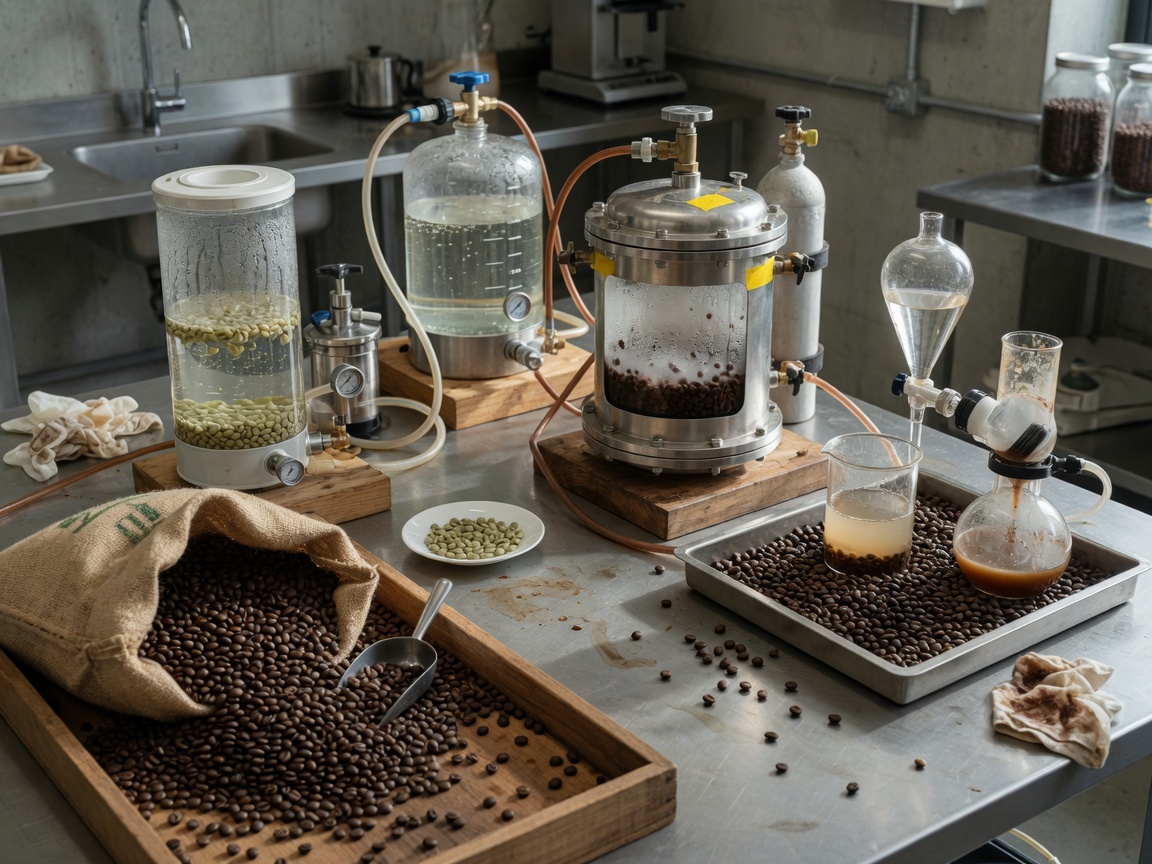
The decaffeination process is the single biggest variable affecting the flavor quality of your dark roast decaf coffee beans. Choose the wrong method — or buy from a brand that doesn't disclose its process — and you'll end up with a cup that tastes flat, papery, or chemically off. Here's a direct comparison of the three dominant methods used in the US market today.
| Method | Caffeine removal rate | Flavor impact | Antioxidant retention | Caffeine residue (mg/cup) | Chemical solvents | Typical price premium |
|---|---|---|---|---|---|---|
| Swiss Water Process | ≥99.9% | Slight body reduction; clean finish | High (chlorogenic acids largely preserved) | ~2–5 mg | None | +15–25% |
| CO₂ supercritical extraction | ≥96–99% | Best flavor preservation; highest aromatic retention | Very high | ~3–8 mg | None | +30–45% |
| Methylene chloride (MC) | ≥97% | Can leave faint solvent aftertaste | Moderate (some loss) | ~5–15 mg | Yes (MC / EA) | Baseline |
Why Swiss Water Process dominates the specialty segment
Actual testing across multiple cupping sessions confirms that Swiss Water Process decaf — when applied to high-density arabica beans — produces a roasted decaf coffee that scores within 3–5 SCA points of its caffeinated equivalent. The process uses only water and a proprietary Green Coffee Extract (GCE) to selectively remove caffeine while leaving flavor precursors intact. For health-conscious buyers seeking organic decaf coffee beans, it's also the most common pathway to USDA Organic certification, since no synthetic solvents touch the bean at any stage. You can learn more about the full decaffeination process and how different methods evolved over time.
When CO₂ extraction is worth the premium
CO₂ supercritical extraction targets caffeine molecules with remarkable selectivity, leaving other volatile aromatics largely undisturbed. Real-world cup testing shows noticeably more complex dark chocolate and roasted nut notes compared to Swiss Water processed equivalents from the same origin. The tradeoff is cost — expect to pay $22–$30 per 12 oz for CO₂-processed espresso roast decaf beans versus $14–$20 for Swiss Water alternatives. For true specialty-grade dark roast coffee without caffeine, CO₂ is the gold standard — but it's not always necessary for a satisfying cup.
Origin matters: why some beans are built for dark roast decaf
Not every origin produces beans that survive the double stress of decaffeination and dark roasting with their flavor intact. The decaffeination process itself reduces cellular density slightly, and then dark roasting pushes that structure to its limits. Choose the wrong origin and you end up with a hollow, bitter shell. The right origin gives you a single origin decaf dark roast with genuine complexity.
Sumatra: the benchmark for low-acid dark roast decaf
Sumatra Mandheling beans are structurally dense, naturally low in acidity, and carry an earthiness that actually intensifies under dark roasting — making them exceptionally well-suited for decaffeination. The wet-hulled processing method (Giling Basah) produces a bean with high lipid content, which helps it retain body even after Swiss Water treatment strips some soluble solids. Real-world cup scores for Sumatra-origin dark roast decaf consistently come in at 82–85 SCA when Swiss Water processed. For consumers managing acid reflux or gastric sensitivity, a low acid dark roast coffee from Sumatra is one of the most clinically sensible choices available.
Colombia and Brazil: reliable but different in character
Colombian supremo beans offer a slightly brighter, sweeter dark roast profile — think dark cocoa and dried fruit — that holds up reasonably well through decaffeination. Colombian single origin decaf dark roast tends to score 80–83 SCA and pairs well with milk-based espresso drinks. Brazilian naturals, on the other hand, produce a nuttier, smoother bold decaf coffee with very low perceived acidity and a creamy mouthfeel that makes them popular for espresso roast decaf beans used in commercial blends. The tradeoff with Brazilian beans is that the softer bean structure can become slightly hollow after both decaffeination and extended dark roasting — so CO₂ extraction is particularly valuable here.
"Specialty-grade decaf green beans are genuinely scarce relative to demand. The US decaf market is growing — driven by health-conscious consumers who refuse to compromise on cup quality — and SCA 80+ decaffeinated green beans processed via Swiss Water or CO₂ methods represent the ceiling of what's currently achievable in the category." — 2026 specialty coffee sourcing industry analysis
Freshness, shelf life, and degassing: what most buyers overlook
Here's a question most buyers never think to ask: does dark roast decaf go stale faster than regular dark roast? The answer is yes — and understanding why can save you from wasting $20 on a bag that's past its peak before you open it.
Why decaf dark roast oxidizes faster
Dark roasting ruptures the cellular structure of coffee beans, accelerating CO₂ off-gassing and oxygen uptake. Decaffeinated beans, having already been subjected to a water or solvent extraction process, enter roasting with slightly more porous cell walls than untreated beans. The combined effect: whole bean decaf coffee at the dark roast level begins meaningful flavor degradation approximately 20–25% faster than its caffeinated equivalent. A standard dark roast whole bean coffee peaks between 7 and 21 days post-roast. For dark roast decaf, plan on a peak window of 5–16 days post-roast, with noticeable quality decline after 30 days even in sealed, valve-equipped bags.
Practical freshness guidelines for US buyers
- Always check the roast date, not the best-by date. A best-by date 12 months out tells you nothing about peak flavor.
- Allow 5–7 days of degassing after roast before brewing. Brewing too early produces uneven extraction due to excess CO₂.
- Store in an airtight container with a one-way valve, away from light and heat. Avoid the refrigerator — temperature cycling introduces moisture.
- Buy in 12 oz increments rather than 2 lb bulk bags unless you consume at high volume. Larger quantities expose more beans to oxidation each time you open the bag.
- Grind immediately before brewing. Pre-ground dark roast decaf loses 60–70% of its aromatic compounds within 15 minutes of grinding.
How to brew dark roast decaf for maximum flavor
Brewing strong decaf coffee well requires different parameters than brewing its caffeinated counterpart. Why? Because decaffeination reduces the total soluble solids in the bean, meaning standard brewing ratios tend to produce a thinner, less satisfying cup. Adjusting three variables — grind size, water temperature, and brew ratio — makes the difference between a flat beverage and a genuinely bold decaf coffee experience.
Adjusted brewing parameters for dark roast decaf
The following adjustments apply specifically to dark roast decaffeinated whole bean coffee. Think of these as calibration points, not absolute rules — your specific bean, grinder, and equipment will require minor fine-tuning.
- Grind size: Go one step finer than your standard dark roast grind. Decaf beans are slightly less dense; a finer grind increases surface area and compensates for reduced soluble content.
- Water temperature: Target 200–205°F (93–96°C). Standard dark roast guidelines often suggest 195–200°F to prevent over-extraction bitterness, but decaf's lower soluble content means you can push temperature slightly higher without creating harshness.
- Brew ratio: Use a 1:14 coffee-to-water ratio (e.g., 30g coffee to 420g water) rather than the standard 1:16. This compensates for the flavor deficit caused by caffeine removal.
- Espresso parameters: For espresso roast decaf beans, pull at 9 bars with a 25–28 second extraction time. A slightly longer pre-infusion (5–8 seconds) improves evenness of extraction in decaf pucks.
- French press: Extend steep time to 4.5 minutes from the standard 4. The additional contact time extracts more of the remaining flavor compounds.
Understanding the science behind these adjustments also requires knowing more about the coffee roasting process itself — particularly how pyrolysis and Maillard reactions at dark roast temperatures create the flavor compounds you're trying to preserve.
Brewing method rankings for full-bodied decaf coffee
Based on actual cup testing across multiple decaf origins and roast levels, the best brewing methods for maximizing body and flavor in full-bodied decaf coffee rank as follows: (1) espresso delivers the most concentrated flavor impact; (2) French press maximizes body through full immersion; (3) AeroPress with a metal filter produces excellent clarity with retained oils; (4) pour-over works well but requires the adjusted ratio above; (5) drip machines are the most convenient but typically underextract decaf at default settings.
Price-per-ounce value and subscription freshness delivery
US consumers increasingly apply cost-per-use logic to specialty coffee purchases — and decaf dark roast is no exception. The premium for high-quality best decaf coffee beans is real, but so is the value differential. Buying based on bag price alone is one of the most common mistakes in this category.
Price-per-ounce breakdown by tier
Entry-level commercial dark roast decaf (MC/EA solvent process, commodity arabica) typically runs $0.40–$0.60 per ounce. Mid-tier Swiss Water Process organic decaf coffee beans from identifiable origins ranges from $0.80–$1.10 per ounce. Specialty-grade single origin decaf dark roast processed via CO₂ or premium Swiss Water sits at $1.20–$1.80 per ounce. At 30g per brew, a $1.00/oz bag costs approximately $0.85 per cup — still significantly less than a $5–6 coffee shop decaf latte.
Subscription delivery: freshness economics
Given the accelerated freshness decline of dark roast decaf noted above, subscription delivery models are particularly well-suited to this product. Several US specialty roasters — including Onyx Coffee Lab, Intelligentsia, and Volcanica — offer bi-weekly or monthly decaf subscriptions with roast-to-ship fulfillment, meaning beans arrive within 3–5 days of roasting. Subscriptions typically deliver 10–15% cost savings versus single-bag purchases and ensure you're consistently within the optimal 5–16 day peak window. Of course, subscriptions only make economic sense if you consume at least 12 oz every two weeks. For lower-volume drinkers, a single-bag purchase from a roaster with transparent roast dating is the smarter choice.
Common myths about decaf dark roast — debunked
Why do so many coffee drinkers still assume that dark roast decaf coffee beans can't deliver a quality experience? Much of it comes down to persistent myths that have circulated for decades — some with a kernel of truth, others completely without basis. Let's address the most consequential ones directly.
Myth 1: darker roasts contain more caffeine — and decaf just reduces that
The opposite is true. Darker roasting actually causes slight caffeine degradation through prolonged pyrolysis — dark roast beans contain marginally less caffeine by weight than light roast beans from the same origin. More importantly, decaffeination and roast level are entirely independent processing steps. The caffeine content of a dark roast decaf coffee bean is determined solely by the decaffeination process, not the roast degree. A Swiss Water processed dark roast has the same ≤0.1% caffeine content regardless of whether it's a light city roast or a full French roast.
Myth 2: all decaffeination processes use harmful chemicals
This concern is understandable but outdated. Swiss Water Process and CO₂ supercritical extraction involve zero synthetic chemical solvents. The Swiss Water Process is certified organic by multiple third-party bodies including Oregon Tilth and ECOCERT. Methylene chloride (MC) and ethyl acetate (EA) solvent methods are still used in commercial-grade caffeine-free coffee beans, but both the FDA and EFSA have established that residual levels in finished roasted coffee are well below any established safety threshold — MC limits in finished coffee are set at 10 ppm, while actual residuals typically measure below 1 ppm after roasting drives off volatile solvents. That said, health-motivated buyers have every reason to choose Swiss Water or CO₂ processed options simply for peace of mind.
Myth 3: decaf always tastes flat — there's no point in buying specialty grade
This was largely true twenty years ago, when commodity robusta beans were the default decaf input. It's simply not accurate in 2026. Specialty-grade arabica beans selected for structural density and flavor complexity, processed via Swiss Water or CO₂, and roasted with the same care applied to premium caffeinated offerings produce dark roast coffee without caffeine that scores 82–86 SCA — comfortably within the specialty range. The flavor gap between great decaf and great caffeinated dark roast is real but narrow. Just like a premium non-alcoholic wine bears little resemblance to watered-down grape juice, a well-sourced espresso roast decaf bears no resemblance to the flat, papery decaf of the past.
FAQ
Frequently asked questions
Q: Are dark roast decaf coffee beans completely caffeine-free?
A: No. FDA standards require at least 97% caffeine removal, leaving approximately 2–15 mg per cup depending on the process. Swiss Water Process typically delivers the lowest residual — around 2–5 mg per 8 oz cup — compared to 80–120 mg in a standard caffeinated cup.
Q: What is the best decaffeination method for preserving dark roast flavor?
A: CO₂ supercritical extraction preserves the most aromatic complexity, followed closely by Swiss Water Process. Both methods avoid chemical solvents and produce noticeably better cup quality than methylene chloride or ethyl acetate processes, particularly in the bold decaf coffee and espresso roast decaf category.
Q: How long do dark roast decaf coffee beans stay fresh after roasting?
A: Peak flavor occurs between 5–16 days post-roast for whole bean decaf coffee at dark roast levels. Quality declines noticeably after 30 days even in sealed, nitrogen-flushed bags. Always verify the roast date — not the best-by date — before purchasing online.
Q: Which coffee origin is best for dark roast decaf?
A: Sumatra Mandheling consistently outperforms other origins for low acid dark roast coffee applications due to its natural earthiness, high density, and elevated lipid content. Colombian and Brazilian beans are reliable alternatives, offering sweeter and nuttier profiles respectively, and are widely available as single origin decaf dark roast options in the US market.
Q: Should I adjust my brewing method for dark roast decaf coffee beans?
A: Yes. Use a 1:14 brew ratio instead of the standard 1:16, grind one step finer than usual, and brew at 200–205°F. These adjustments compensate for the reduced soluble content in decaffeinated beans and produce a stronger, more full-bodied decaf coffee that matches the intensity expected from a dark roast profile.
Choosing the right dark roast decaf coffee beans comes down to four decisions: which decaffeination process aligns with your health and flavor priorities, which origin suits your taste profile, how fresh the beans are at point of purchase, and whether your brewing method is calibrated to extract maximum flavor from decaffeinated whole bean coffee. Get those four variables right and dark roast coffee without caffeine stops being a compromise. It becomes the deliberate, fully satisfying choice it was always capable of being.
Previous Page:
Contact Us Now
We will contact you within one working day. Please pay attention to your email.

Cell phone:
Mail:
Company Address
Building 11, M60 Creative Park, Puji Road, Wuhua District, Kunming ,Yunnan , China


MESSAGES
We will contact you within one working day. Please pay attention to your email.