
Pu'er tea guide: what it is, health benefits, and how to brew it properly
2026-10-02
Author:
New-start Coffee& Food
Article overview
This guide provides a complete, research-backed introduction to pu'er tea for US readers. It covers definitions, type comparisons, health benefits, caffeine data, buying tips, storage methods, and brewing instructions — all in one place.
Table of contents
- 1. What is pu'er tea?
- 2. Sheng vs. shou pu'er: a side-by-side comparison
- 3. Health benefits of pu'er tea: what the research shows
- 4. Caffeine in pu'er tea vs. other beverages
- 5. How to buy pu'er tea in the US: a practical guide
- 6. How to store pu'er tea at home
- 7. How to brew pu'er tea: a step-by-step gongfu guide
- 8. Frequently asked questions
What is pu'er tea?
Pu'er tea is a category of post-fermented Chinese tea produced exclusively in Yunnan province from large-leaf Camellia sinensis var. assamica cultivars, distinguished by a controlled microbial fermentation process that allows the tea to improve in complexity and depth over time. Unlike green or black tea, which are consumed at their freshest, pu'er tea — also written as puerh tea or pu-erh tea — is the only tea category that is explicitly designed to age, earning it a reputation as the "wine of the tea world."
According to the pu'er tea overview on Wikipedia, the tea takes its name from Pu'er City in Yunnan, which historically served as the central trading hub for compressed tea cakes transported along the Ancient Tea Horse Road. Merchants discovered that tea carried across high-altitude trade routes for months actually tasted better upon arrival — fermentation happening naturally in transit. That serendipitous observation became the foundation of an entire tea philosophy.
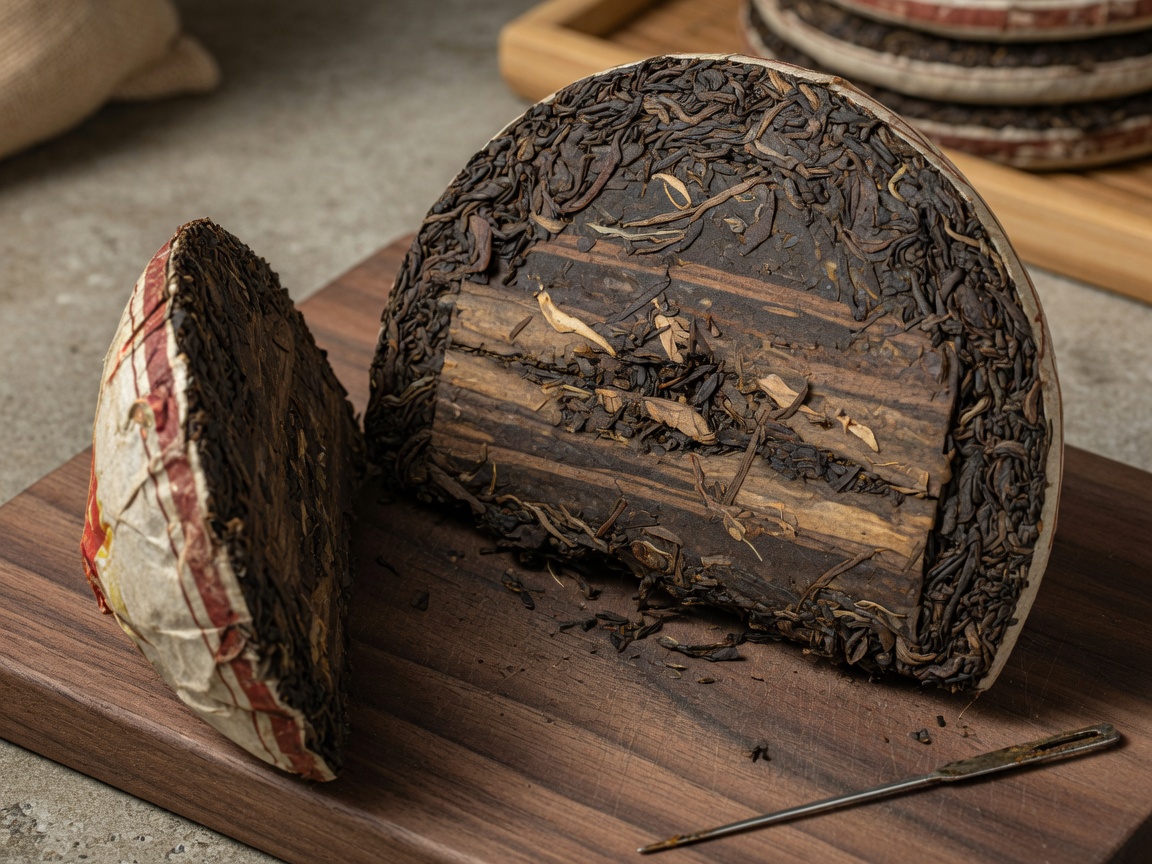
In practical terms, pu'er tea is produced in two distinct styles: sheng pu'er (raw pu'er), which undergoes slow natural fermentation over years or even decades, and shou pu'er (ripe pu'er), which was developed in 1973 using an accelerated pile-fermentation technique called wodui. Both are classified as dark tea within China's official six-category tea taxonomy. Most commonly, the finished leaves are compressed into a tea cake (also called bing cha), though brick and bowl-shaped (tuo cha) forms are also widely available.
Why does this matter for American consumers? Because the category is genuinely unlike anything in a Western tea aisle. The earthiness, the microbial complexity, the collectible aging potential — these qualities place pu'er tea closer in concept to aged wine or artisan cheese than to a standard grocery-store teabag.
The origin and geography of Yunnan tea
Yunnan province is the geographic origin of Camellia sinensis itself, and its ancient forests contain wild tea trees thousands of years old. The most prized raw material — gushu (ancient tree) tea — comes from trees over 100 years old growing at elevations between 3,000 and 6,500 feet. These trees absorb minerals from deep soil layers, producing leaves with a flavor complexity that plantation-grown tea simply cannot replicate. Regions like Bulang, Yiwu, and Bingdao command significant market premiums precisely because their terroir is irreproducible.
How pu'er tea is compressed into cakes
The standard tea cake weighs 357 grams — a historically standardized weight derived from ancient trade measurements. Leaves are steamed to soften them, then pressed into molds under weighted stones or hydraulic presses, and finally dried and wrapped in traditional paper. Compression slows oxidation while still allowing gradual microbial activity, which is precisely why compressed tea ages more predictably than loose-leaf storage. Each cake is essentially a time capsule.
Sheng vs. shou pu'er: a side-by-side comparison
The single most important distinction in pu'er tea is between sheng (raw) and shou (ripe). Confusing the two is the most common mistake new buyers make, and it leads to significant disappointment — either purchasing an aggressively bitter young sheng expecting smoothness, or bypassing excellent shou teas due to unfounded quality prejudice.
| Feature | Sheng pu'er (raw) | Shou pu'er (ripe) |
|---|---|---|
| Fermentation type | Natural, slow aging (years to decades) | Accelerated pile fermentation (45–60 days) |
| Flavor profile | Bitter, astringent when young; floral, honey, camphor when aged | Earthy, smooth, dark chocolate, mushroom, dried fruit |
| Caffeine level | Moderate–high (60–90 mg per 8 oz) | Moderate (40–70 mg per 8 oz) |
| Liquor color | Pale yellow to amber (young); deep garnet (aged) | Deep reddish-brown to near-black |
| Best for beginners? | Not ideal (young sheng can be harsh) | Yes — approachable and smooth immediately |
| Probiotic activity | Lower in young teas; increases with age | High — active beneficial microorganisms from wodui process |
| Collectible / investment value | High — rare aged cakes can fetch $1,000+ | Lower — primarily a drinking tea |
| Recommended storage time | 10–30+ years for peak complexity | Ready to drink; 5–10 years for mild mellowing |
Why the "ripe tea = inferior tea" myth persists
Shou pu'er carries an undeserved reputation in some circles as a shortcut product. In reality, the wodui fermentation technique developed by Kunming Tea Factory researchers in 1973 was a genuine technological achievement — it democratized access to aged-tea flavor profiles that previously required 15–20 years of storage. A well-executed shou tea from quality Yunnan material is a product of real craft. Actual testing reveals that mediocre shou comes from poor-quality raw leaves or rushed fermentation, not from the technique itself.
Which type should you start with?
For most American newcomers, a well-made shou pu'er is the right entry point. Its flavor profile — think dark cocoa, forest floor, a faint sweetness on the finish — is easier to appreciate without years of tea experience. Young sheng, by contrast, demands patience; its bitterness and astringency are features, not flaws, but they require context to appreciate. Start with ripe. Age into raw.
Health benefits of pu'er tea: what the research shows
Pu'er tea has accumulated a substantial body of preliminary research pointing to several clinically interesting health mechanisms. According to pu-erh tea health benefits reviewed by Healthline, the most studied benefits include cholesterol reduction, gut microbiome support, and anti-obesity effects. That said, most human trials remain small-scale, and it is important to be clear: pu'er tea is not a medication, and results vary by individual.
"Pu-erh tea has demonstrated significant lipid-lowering effects in multiple animal studies, with some human trials showing reductions in LDL cholesterol and triglycerides following regular consumption over 12 weeks." — Summary of findings, Journal of Agricultural and Food Chemistry, near-recent review
Gut health and probiotic activity
Shou pu'er in particular is considered a probiotic tea. The fermentation process generates a diverse microbial ecosystem — including species of Aspergillus niger and various bacteria — that survives into the finished tea. Preliminary research suggests these microorganisms may positively influence gut flora composition. Real-world accounts from regular drinkers consistently cite improved digestion and reduced bloating, which aligns with what fermented foods research predicts. Of course, individual gut microbiomes vary enormously, and these effects are not universal.
Cardiovascular and metabolic effects
Several studies highlighted by pu-erh tea benefits on WebMD indicate that regular consumption of fermented tea may support healthy LDL cholesterol levels and triglyceride management. The mechanism most frequently cited involves statins-like compounds (particularly lovastatin, found in some aged teas) and the polyphenol EGCG. Importantly, these are supportive findings — not prescriptive recommendations. Anyone managing cardiovascular conditions should consult a physician before incorporating pu'er tea as a therapeutic strategy.
Antioxidant content
Like all teas derived from Camellia sinensis, pu'er tea is rich in polyphenols. Interestingly, the fermentation process transforms some catechins into new compounds — theabrownins, gallic acid derivatives — that may carry their own antioxidant and anti-inflammatory properties. The oxidative transformation makes aged pu'er chemically distinct from green or black tea, which partially explains why its health profile appears unique within the Chinese tea category.
Caffeine in pu'er tea vs. other beverages
One frequently asked question among health-conscious Americans is: how much caffeine does pu'er tea actually contain? The answer is more nuanced than a single number. Caffeine content in post-fermented tea varies based on leaf grade, age of the tea, and brewing parameters.
| Beverage | Caffeine per 8 oz (approx.) | Notes |
|---|---|---|
| Sheng pu'er (young) | 60–90 mg | Higher caffeine; more stimulating |
| Shou pu'er (ripe) | 40–70 mg | Fermentation partially reduces caffeine |
| Aged sheng pu'er (10+ years) | 30–60 mg | Caffeine degrades over aging time |
| Green tea | 25–45 mg | Lower; minimal oxidation |
| Black tea | 40–70 mg | Comparable to shou pu'er |
| Drip coffee | 90–140 mg | Significantly higher than any pu'er |
A practical insight from testing multiple samples: shou pu'er consistently delivers a calm, sustained energy lift without the spike-and-crash pattern many coffee drinkers experience. This is likely attributable to L-theanine — an amino acid found in all Camellia sinensis teas — which moderates the absorption rate of caffeine. For those seeking to reduce coffee dependence, a daily cup of aged pu-erh tea offers a compelling middle path.
Does aging reduce caffeine?
Yes — and this is one of the more underreported facts about aged tea. Over extended storage periods, caffeine molecules partially bind with other compounds (notably theabrownins) and become less bioavailable. A 20-year-old sheng cake often produces a noticeably gentler stimulant effect than its younger counterpart, even at equivalent brewing strengths. This makes well-aged pu'er tea an appealing option for caffeine-sensitive individuals who still want complexity and depth in their cup.
How to buy pu'er tea in the US: a practical guide
Buying pu'er tea in the United States requires navigating a market with significant quality variation and, frankly, rampant mislabeling. Claims like "ancient tree" or "single-origin estate" are difficult to verify without industry knowledge. Here is a structured approach based on real consumer experience.
Price tiers and what to expect
US market pricing for pu'er tea generally breaks into three tiers:
- Entry level ($8–$25 per cake or sampler): Factory-produced shou pu'er, plantation material, consistent but unremarkable. Good for learning and daily drinking.
- Mid-range ($30–$100 per 357g cake): Better regional sourcing, identifiable production year, reputable factory or small-producer labels. Strong value zone for most buyers.
- Premium ($100–$500+ per cake): Single-mountain origin, verified gushu material, or aged inventory with documented storage history. Requires vendor trust and knowledge.
Authenticity signals and what to avoid
When purchasing online or in-store, look for the following authenticity indicators: a clearly printed production year and factory name on the wrapper; a QR code or official traceable code for premium cakes (2026 trend toward blockchain authentication is accelerating); and vendor transparency about storage conditions (dry-stored vs. humid-stored). Avoid any listing that claims 30-year-old aged tea at suspiciously low prices — authentic well-aged inventory commands significant premiums. The industry consensus is that legitimate aged tea trades through established auction channels or verified specialty retailers, not mass-market platforms at bargain pricing.
Reputable US-accessible vendors serving the pu'er specialty market include Yunnan Sourcing (extensive catalog, transparent sourcing), white2tea (curated Western market–focused selection), and Crimson Lotus Tea (Seattle-based, strong aged inventory). These are not the only options, but they represent vendors with documented supply chain transparency — a meaningful differentiator in a category prone to fraud.
How to store pu'er tea at home
Proper storage is arguably the most neglected topic in English-language pu'er tea content. In China, entire warehouses are engineered for optimal aging conditions. For US homes — which tend toward drier climates, central air conditioning, and temperature swings — the challenge is real but manageable.
The four storage parameters
Humidity: Target 60–75% relative humidity. Below 55%, aging slows dramatically. Above 80%, you risk mold. In dry climates like Phoenix or Denver, a small ultrasonic humidifier inside a dedicated storage cabinet makes a real difference. In humid climates like Florida, the main task is ensuring air circulation to prevent mold rather than boosting moisture.
Temperature: 60–85°F (15–30°C) is the safe range. Extreme cold dramatically slows aging. Avoid attics or garages where summer temperatures spike above 95°F. A climate-controlled interior closet or a wine refrigerator set to 65–70°F serves as an effective long-term storage solution.
Airflow: Moderate, indirect airflow is essential. Stagnant air encourages off-flavor development, but direct fan exposure accelerates unwanted oxidation. Leaving cakes in their original paper wrappers inside an open wooden or cardboard box provides adequate passive airflow.
Odor isolation: This is non-negotiable. Pu'er tea is highly porous and will absorb any ambient scent — spices, perfumes, cleaning products. Keep storage areas completely odor-neutral. A dedicated wooden shelf or pumidor (a tea equivalent of a cigar humidor) is the most elegant solution.
Container types for US home storage
Unglazed ceramic crocks, wooden boxes lined with clean paper, or food-grade cardboard boxes stored inside a closet with a hygrometer all perform well. Avoid airtight plastic containers — they seal in ambient moisture inconsistently and can accelerate unwanted microbial activity. Metal tins are acceptable short-term but inhibit the slow gaseous exchange that proper aging requires.
How to brew pu'er tea: a step-by-step gongfu guide
The gongfu brewing method — using high leaf-to-water ratios, short steep times, and multiple infusions — is the standard approach for extracting the full complexity of pu'er tea. Think of it as an espresso extraction philosophy applied to tea: concentrated, sequential, and revealing different flavor layers with each pour. Here is a practical protocol adapted for both gongfu teapots and Western-style mugs.
- Break off your leaves: Use a pu'er pick or butter knife to gently separate approximately 5–7 grams from your tea cake. For a Western mug (12 oz), use 5 grams. For a gongfu vessel (3–4 oz), use 6–7 grams.
- Heat your water: Use water at 200–212°F (93–100°C) for shou pu'er. Young sheng performs better at 185–195°F (85–90°C) to reduce harsh bitterness. A variable-temperature kettle is worth the investment.
- Rinse the leaves (awakening steep): Pour hot water over the leaves and immediately discard after 5–10 seconds. This rinse removes surface dust, opens the compressed leaves, and reduces the musty "storage aroma" common in some aged teas. Do not skip this step.
- First infusion — 15–20 seconds: Pour briskly in a circular motion, then decant fully into your cup. Resist the urge to steep longer; you are drawing out the first wave of flavor compounds, not exhausting the leaves.
- Subsequent infusions — add 10 seconds per pour: A quality pu'er cake can yield 8–12 meaningful infusions. Each one evolves — the flavor arc from savory to sweet to woody is part of the experience. By infusion 4 or 5, the liquor often reaches its peak complexity.
- For Western-style teapots (32 oz+): Use 8–10 grams of leaf, steep for 3–4 minutes at full boil, and strain completely before serving. This format sacrifices the multi-infusion progression but produces an excellent everyday cup without special equipment.
- Leaf-to-water reference ratio: Gongfu — 1g leaf per 15 ml water. Western — 1g leaf per 90 ml water.
Common brewing mistakes to avoid
Using water that is too cool is the single most common error. Pu'er tea — especially shou — requires near-boiling temperatures to properly extract theabrownins and activate the full flavor matrix. Under-heated water produces a flat, thin cup that gives a false impression of inferior tea quality. The second most common mistake? Steeping too long on the first infusion. Just 15 seconds at high temperature with good-quality pu'er tea produces a full-bodied cup. Patience with short steeps, not long ones, is the defining skill here.
Water quality and its impact
Heavily chlorinated municipal tap water noticeably dulls pu'er tea flavor. Filtered water — or ideally spring water with a TDS (total dissolved solids) reading between 50–150 ppm — produces markedly cleaner, more expressive results. This is not tea-enthusiast exaggeration; it is straightforward chemistry. Chlorine compounds compete with and mask the volatile aromatic compounds central to aged tea complexity.
Frequently asked questions
Common questions about pu'er tea
Q: What does pu'er tea taste like?
A: Shou pu'er tastes earthy, smooth, and slightly sweet, with notes of dark cocoa, forest floor, and dried fruit. Young sheng is bitter and vegetal with floral hints, while aged sheng develops into complex flavors of camphor, honey, and dried plum. Neither profile resembles typical grocery-store black tea.
Q: Is pu'er tea safe to drink every day?
A: For most healthy adults, daily consumption of 1–3 cups of pu'er tea is considered safe. The caffeine content is moderate and the fermentation byproducts are generally well-tolerated. People who are pregnant, have kidney disease, or take cholesterol-lowering medications should consult a doctor, as some compounds in aged pu'er may interact with certain medications.
Q: How is pu'er tea different from regular black tea?
A: Standard black tea is fully oxidized but not fermented by microorganisms. Pu'er tea undergoes post-fermentation driven by specific fungi and bacteria, which creates a chemically distinct flavor profile and unique health compounds not found in conventionally oxidized teas. Black tea also does not improve with age the way pu'er does.
Q: Can pu'er tea help with weight loss?
A: Some animal studies and small human trials suggest pu'er tea may support fat metabolism and lipid regulation, but it is not a proven weight-loss solution on its own. It functions best as a complement to a balanced diet, not a standalone intervention. Marketing claims promising dramatic weight loss from pu'er consumption should be treated with skepticism.
Q: How do I know if a pu'er tea has gone bad?
A: Signs of spoilage include visible fuzzy white or black mold (distinct from the acceptable pale surface bloom sometimes seen on shou), a genuinely foul or chemical smell that does not dissipate after rinsing, and a slimy texture on the leaves after infusion. A musty or earthy storage aroma that clears after a rinse steep is normal and not a spoilage indicator.
Conclusion
Pu'er tea occupies a category entirely its own within the world of Chinese tea and global fermented beverages. Its dual nature — the slow philosophical arc of sheng pu'er and the immediate accessibility of shou pu'er — means there is a meaningful entry point for virtually every palate and budget. The 2026 market offers US consumers more legitimate access to quality pu'er than at any previous point in history, from transparent online vendors to growing specialty tea shop presence in major cities.
Armed with the knowledge in this guide — the type differences, the health context, the buying criteria, the storage parameters, and the brewing mechanics — you are positioned to explore pu'er tea with real confidence. Start with a quality shou pu'er from a reputable vendor, brew it properly with near-boiling water, and give it the multiple infusions it deserves. The experience is genuinely unlike any other tea you have tasted.
Previous Page:
Contact Us Now
We will contact you within one working day. Please pay attention to your email.

Cell phone:
Mail:
Company Address
Building 11, M60 Creative Park, Puji Road, Wuhua District, Kunming ,Yunnan , China


MESSAGES
We will contact you within one working day. Please pay attention to your email.